Products & Tools
Independent comparisons of plumbing tools, fixtures, pipe, fittings, and equipment, with specs and prices checked against manufacturer data.
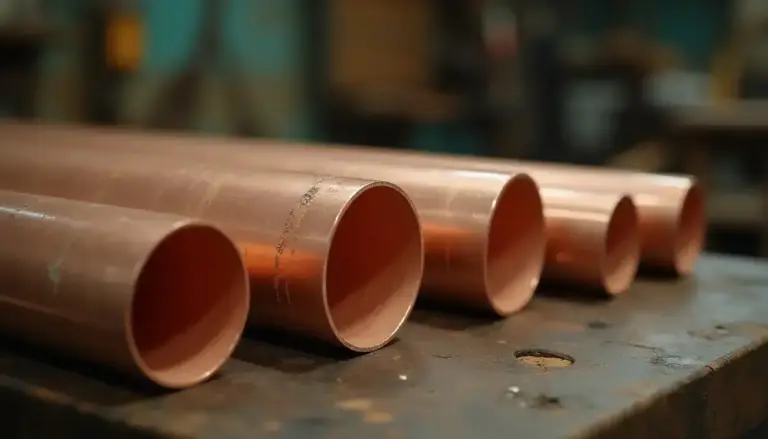
Type L vs Type M Copper Pipe: Wall Thickness, Pressure, Code and Cost
Type L vs Type M copper compared with CDA data: wall at 3/4 in, rated psi, K/L/M color…
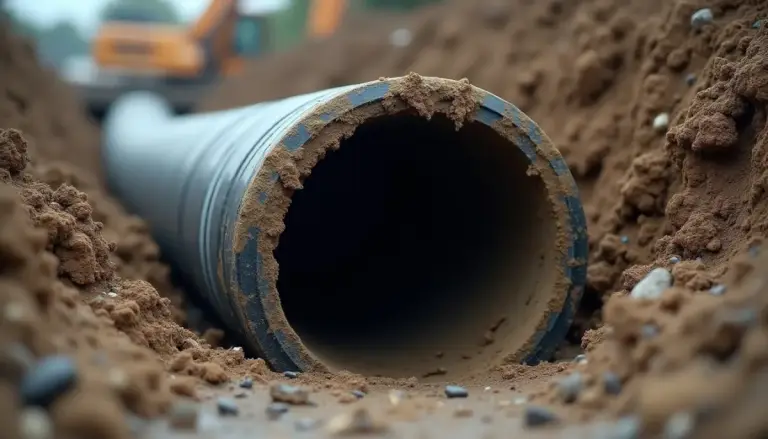
Orangeburg Pipe: How to Identify It and What Replacement Costs
Orangeburg pipe is tar-soaked wood fiber sewer line from the 1940s to 1970s. How to identify it, what…
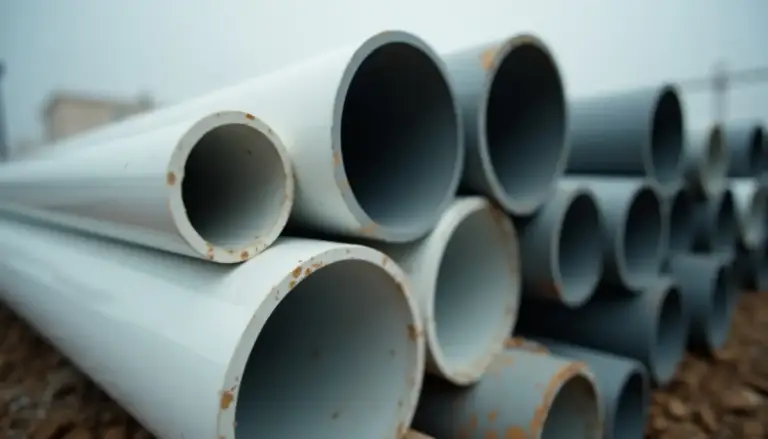
Schedule 40 vs Schedule 80 PVC: Pressure Ratings, Wall Thickness, and Which to Use
Schedule 40 vs schedule 80 PVC: same OD, thicker Sch 80 wall, 40 to 56% more psi by…
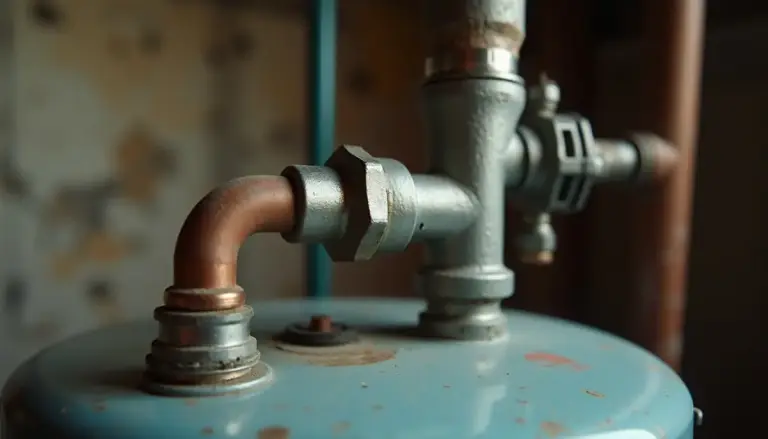
Dielectric Union: What It Does and When You Need One
A dielectric union stops galvanic corrosion where copper meets steel. See when code requires one, brass nipple options,…
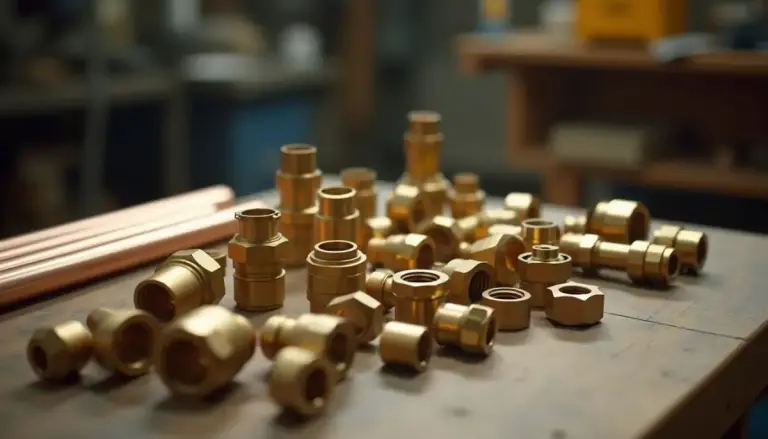
Compression Fittings: How They Work and How to Install Them
How a compression fitting seals, how to install one step by step, how tight to go, why tape…
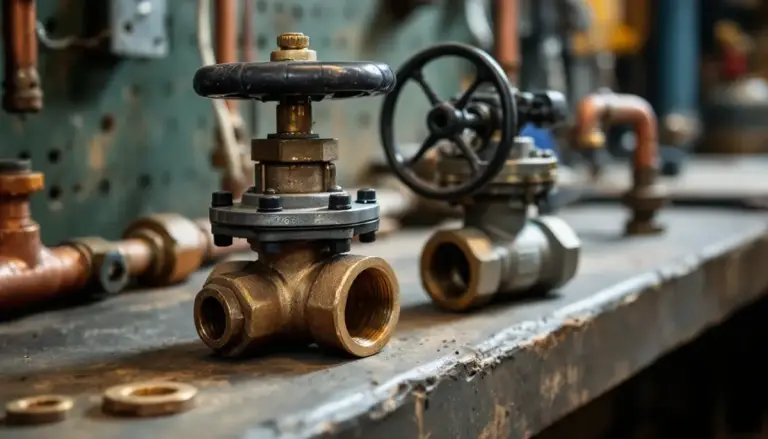
Ball Valve vs Gate Valve: Which One Belongs on Your Water Line?
Ball valve vs gate valve: how each works, real Cv flow data, full port vs standard port, and…
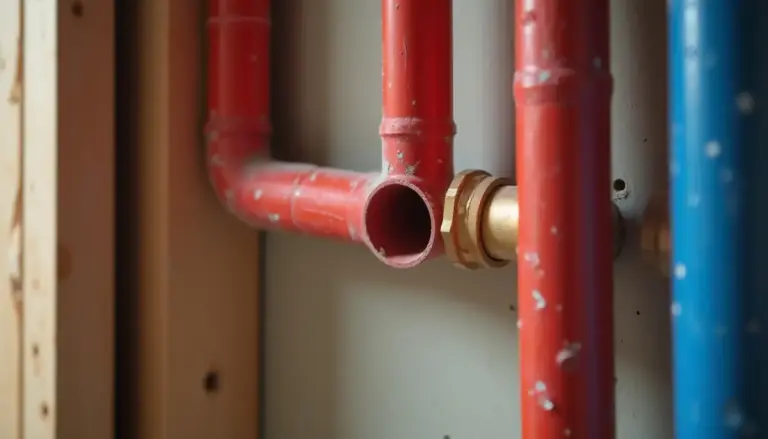
PEX Pipe Problems: Which Are Real, Which Are Myths, and How to Avoid Them
PEX pipe problems sorted by evidence: UV damage, odor, rodents, brass fitting corrosion and heat. What fails, what…
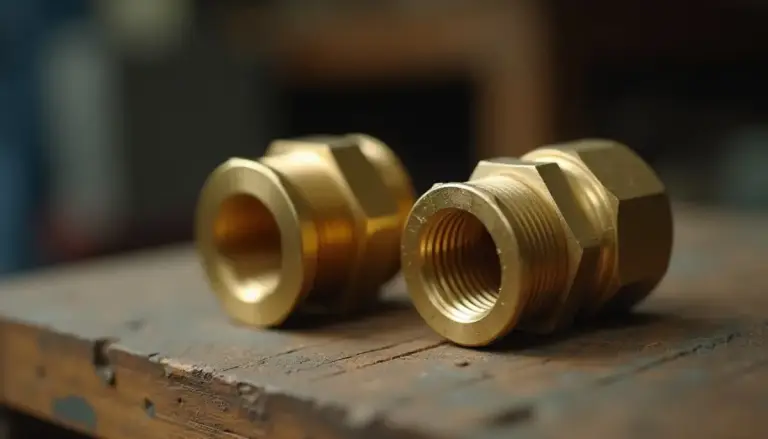
FIP vs MIP: Female and Male Iron Pipe Threads Explained
FIP vs MIP explained: female iron pipe has inside threads, male has outside. Learn the NPT, FPT, and…
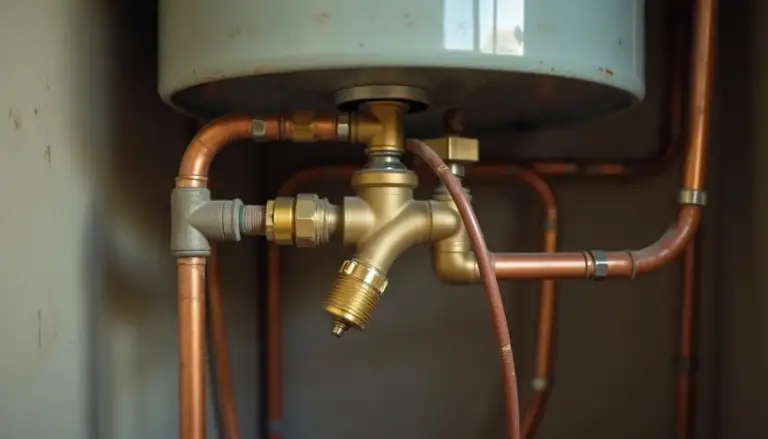
Thermostatic Mixing Valve: How It Works, ASSE Standards, Scald Data, and Cost
A thermostatic mixing valve lets you store water at 140°F to curb Legionella and still deliver about 120°F…
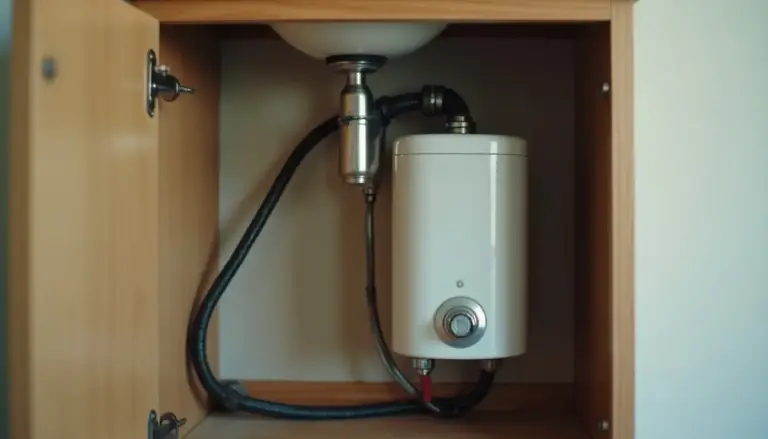
Point of Use Water Heater: Types, Sizing, Electrical Needs, and Cost
A point of use water heater puts hot water at one tap in seconds. Mini-tank vs tankless, 120V…