Codes
Plumbing codes and standards explained: IPC and UPC requirements, backflow, venting, water heaters, and permits, with the code sections cited.
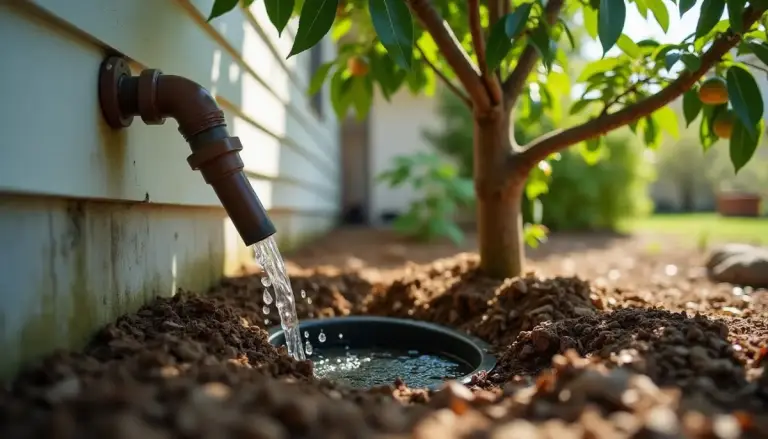
Greywater System: How It Works and Where It’s Legal
A greywater system reuses shower and laundry water on your yard. See what CA, AZ, TX and OR…
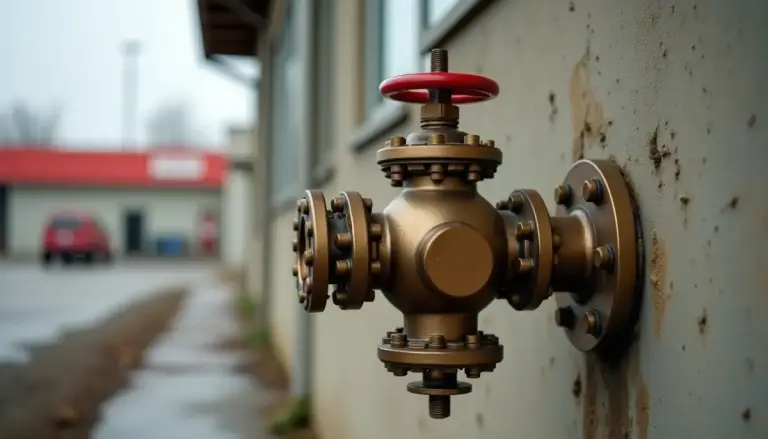
Backflow Test Cost: Who Needs It and What It Costs
Backflow test cost runs $30 to $300 per device. See who needs annual testing, who can test, real…
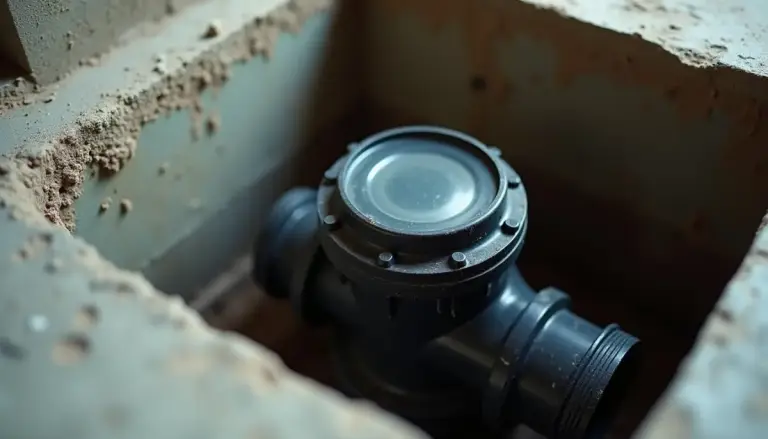
Sewer Backwater Valve: How It Works, Code Rules and Cost
A sewer backwater valve stops city sewage from backing into your basement. Code triggers, valve types, upkeep, install…
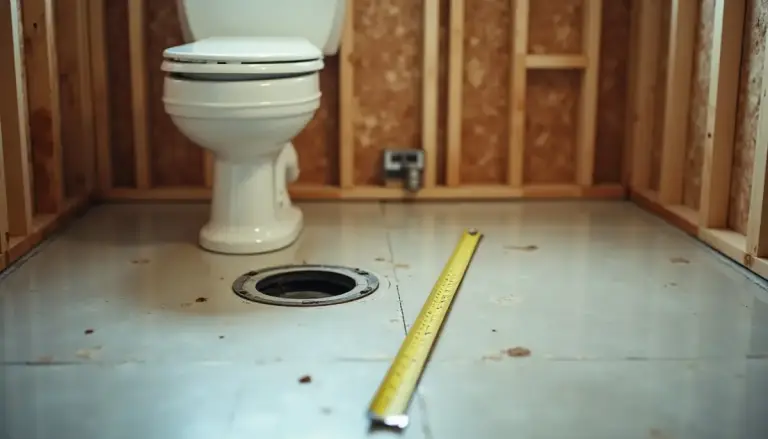
Toilet Rough-In: 10, 12 and 14 Inch Explained
Toilet rough-in is the finished wall to flange center distance. How to measure 10, 12 and 14 inch…
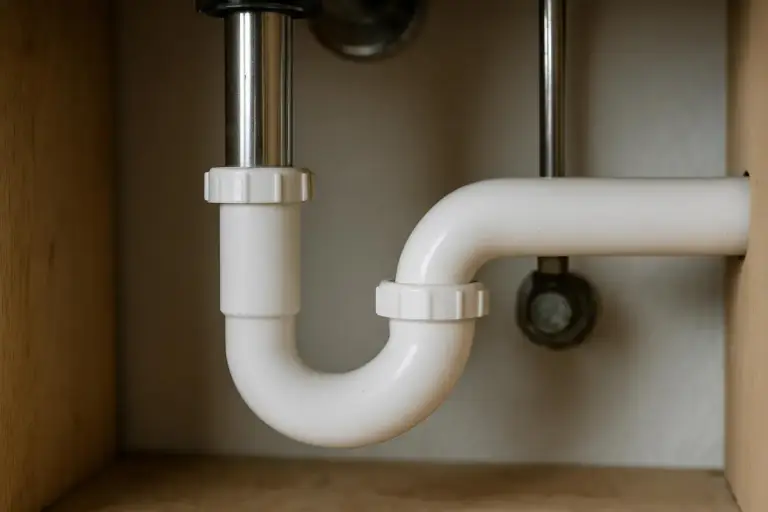
P-Trap vs S-Trap: The Difference and Why S-Traps Are Banned
P-trap vs S-trap: why an S-trap self-siphons its water seal and lets in sewer gas, why code bans…
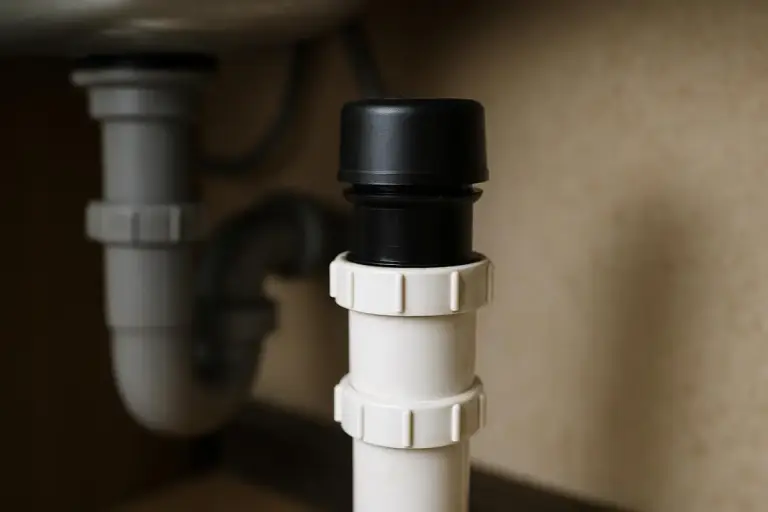
Air Admittance Valve (AAV): How a Studor Vent Works and Where Code Allows It
An air admittance valve (AAV, or Studor vent) lets air in to break the vacuum but seals out…
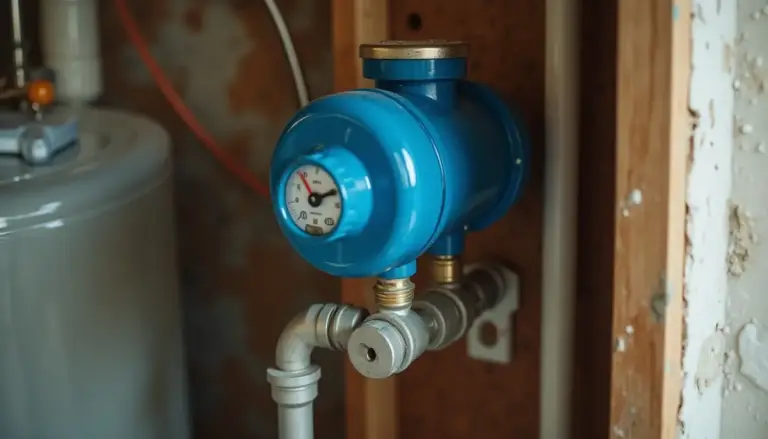
Thermal Expansion Tank: What It Is, Code, Sizing, and Cost
A thermal expansion tank protects a closed-system water heater. When code (IPC 607.3) requires one, how to size…
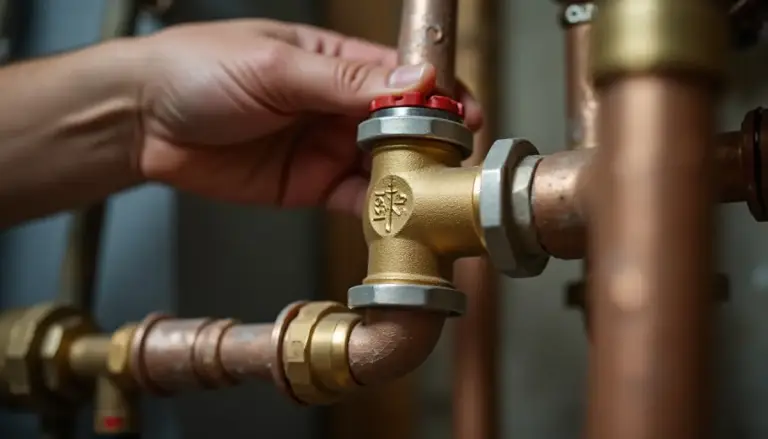
Backflow Preventer Types: AVB, PVB, Double Check, and RPZ
Backflow preventer types compared: AVB, PVB, double check, and RPZ by hazard level, backsiphonage vs backpressure, testing rules,…
Plumbing License Requirements: Tiers, Hours, and How to Get One
Plumbing license requirements vary by state. Compare apprentice, journeyman, master, and contractor tiers, hours, exams, and how to…
The International Plumbing Code (IPC), Explained
What the International Plumbing Code is, IPC vs UPC, which states use each, and how to find the…