Greywater System: How It Works and Where It’s Legal
A greywater system reuses lightly used water from showers, tubs, bathroom sinks and the washing machine to irrigate plants, and it is legal in California, Arizona, Texas and Oregon under rules that differ by state.
Key Takeaways
- REU2016, the Water Research Foundation end-use study summarized by EPA WaterSense, puts indoor use at 58.6 gallons per person per day, with showers at 11.1 and clothes washers at 9.6.
- Showers, baths and laundry alone add up to 22.2 gallons per person per day, or 37.9% of indoor use, before counting bathroom sinks.
- Chapter 15 of the California Plumbing Code lets a clothes washer system skip the construction permit if it meets a list of conditions, per Greywater Action’s transcription of the code.
- Arizona’s Type 1 general permit (R18-9-711) and Texas rule 30 TAC 210.83 both cover home systems under 400 gallons per day without agency authorization.
- Oregon DEQ general permit 2401 covers homes with up to four bedrooms reusing no more than 300 gallons per day, for subsurface irrigation only.
What is a greywater system and what water counts?
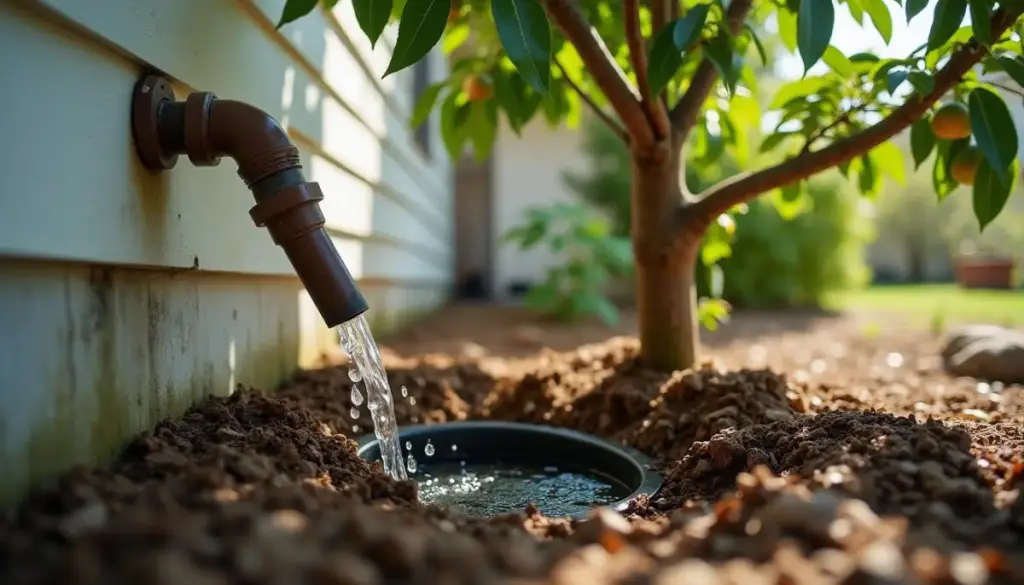
A greywater system diverts used water from showers, bathtubs, bathroom sinks and clothes washers away from the sewer or septic tank and sends it to plants, usually through mulch basins or below-ground tubing. Toilet water is blackwater and never qualifies. Kitchen sinks and dishwashers are excluded under many codes because they carry grease, food and salt. Grease and salt restrictions aside, outdoor showers often feed directly into these systems, making outdoor shower drainage rules worth reviewing. Outdoor fixtures aren’t the only workaround worth knowing, so check out portable sink setups for spaces where running a drain line isn’t an option.
The exact definition depends on the state. Oregon’s rules count kitchen sink water as greywater but require it to pass primary treatment first, and they exclude dishwasher and garbage disposal water outright, according to Oregon DEQ general permit 2401. Greywater Action notes that Washington, Oregon, Arizona and Montana allow kitchen sinks.
How does a greywater system work?
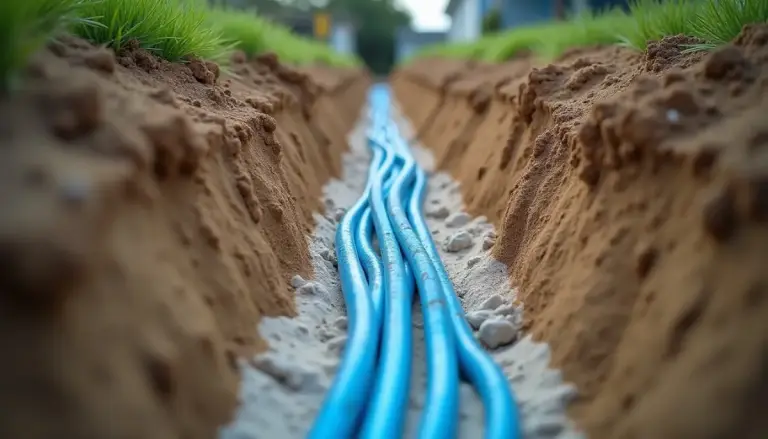
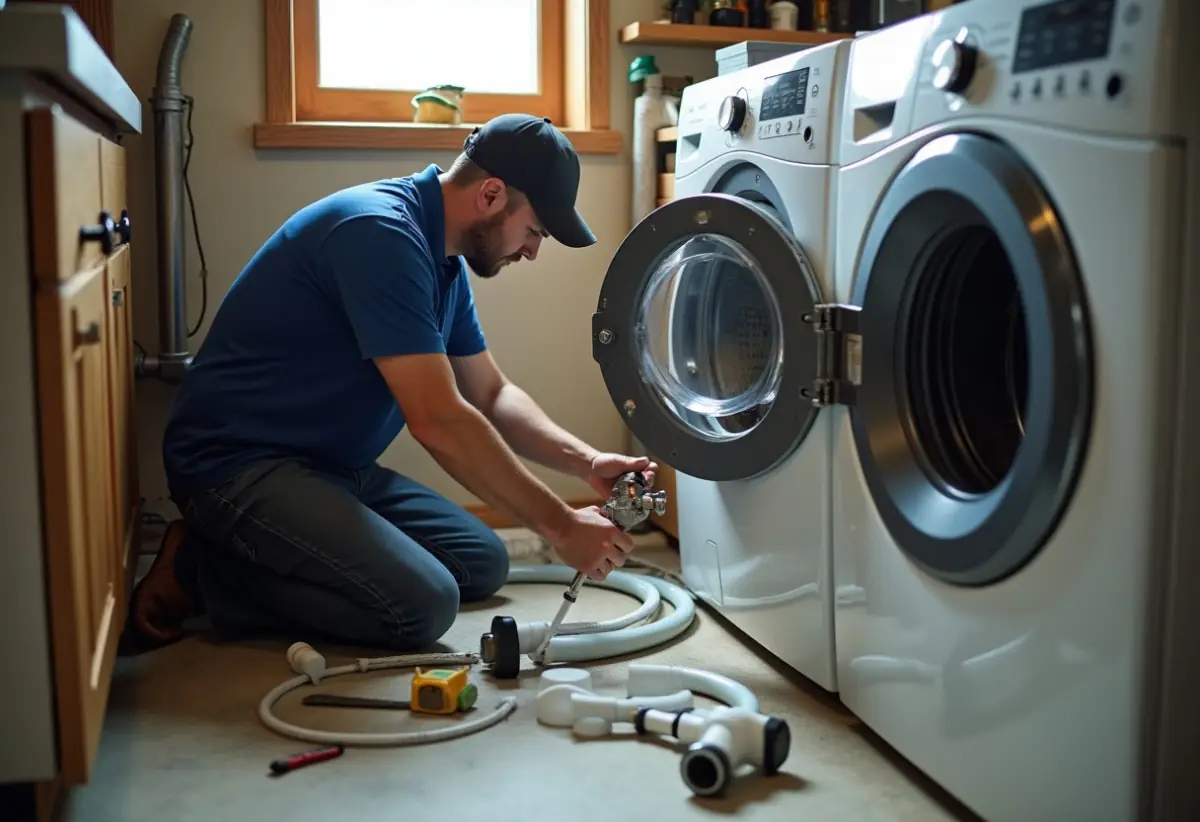
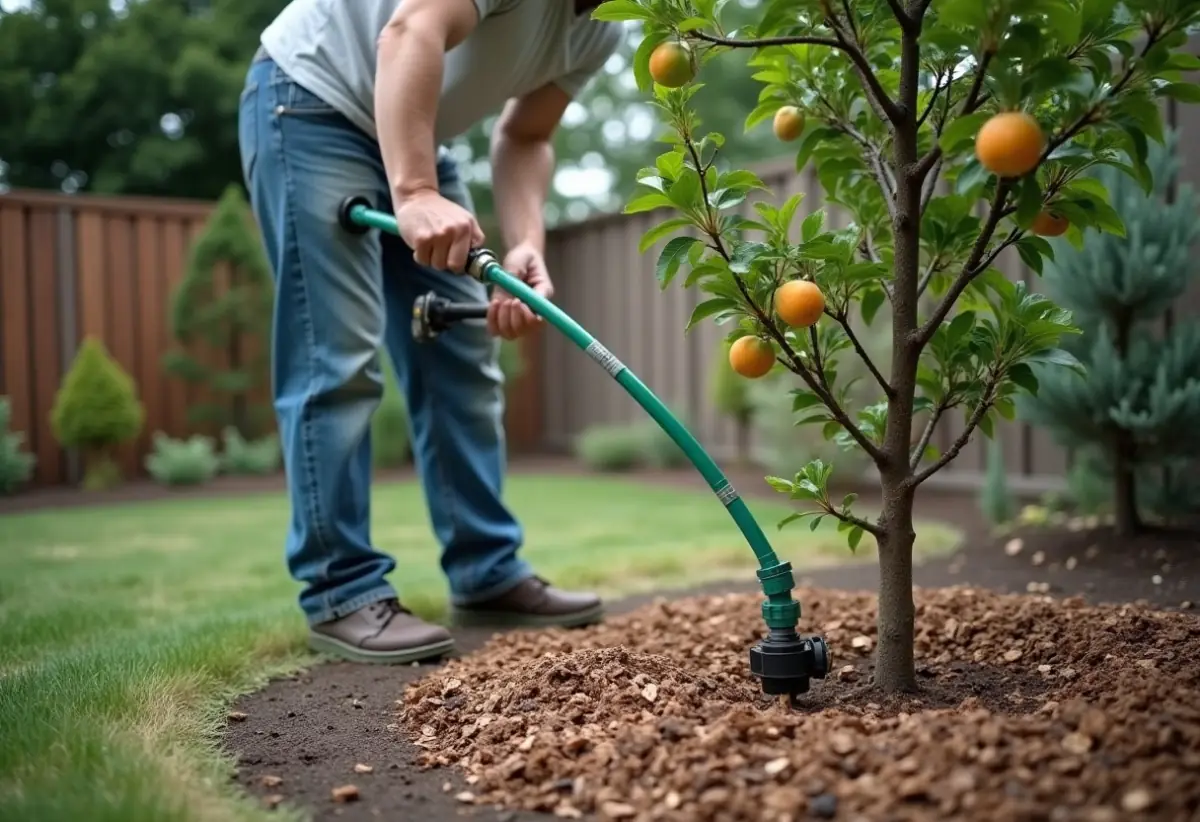
Most home greywater systems work by gravity or the washing machine’s own pump. A three-way valve near the fixture lets you send water either to the yard or to the sewer, and the yard line drops into mulch-filled basins around trees and shrubs, where soil life breaks down soap and lint.
Greywater Action, a nonprofit that runs a five-day course for greywater installers, recommends keeping the system as simple as possible. It advises skipping pumps and filters that need upkeep, since mulched soil is the best filter a home system has.
The four common system types
- Washing machine (laundry-to-landscape) system. The washer’s pump pushes water through 1 inch tubing with 1/2 inch outlets aimed at specific plants. No change to house drains, which is why it is the usual starting point. If you are not sure where your washer empties today, start with how a washing machine drain is plumbed.
- Branched drain. Shower, tub or sink water flows by gravity through splitting fittings into several mulch basins.
- Pumped system. Water collects in a small drum, often around 50 gallons, and an effluent pump pushes it uphill or across a large yard.
- Treated indoor reuse. Filtered and disinfected greywater refills toilet tanks. These need pumps, filters and backflow protection.
How much greywater does a typical home produce?
REU2016 data show a typical person sends 11.1 gallons a day through the shower, 9.6 through the clothes washer and 1.5 through the bathtub. That is 22.2 gallons per person per day from the cleanest sources, or 66.6 gallons a day for a three-person home. Bathroom sinks add more, but REU2016 reports all faucets together, kitchen included.
The figures come from Table 2-1 of the EPA WaterSense Specification for Homes 2.0 supporting statement, which reprints the Water Research Foundation’s Residential End Uses of Water, Version 2 (DeOreo, Mayer, Dziegielewski and Kiefer, 2016). Total indoor use there is 58.6 gallons per person per day. For the full fixture-by-fixture picture, see our guide to how the average home uses water.
Here is the arithmetic. Each REU2016 per person figure is multiplied by three: showers 11.1 x 3 = 33.3, faucets 11.1 x 3 = 33.3, clothes washer 9.6 x 3 = 28.8, baths 1.5 x 3 = 4.5. Only part of the faucet bar is greywater, since most codes exclude kitchen water.
One detail most guides skip: efficient washers shrink your laundry supply. Clothes washer use fell from 15.0 to 9.6 gallons per person per day between REU1999 and REU2016, a 36% drop. Size the plant count to today’s machine, not an old top-loader.
How much water does a greywater system save in a year?
Greywater Action’s California field study found household water use fell an average of 17 gallons per person per day after a greywater system went in, worth about 14,565 gallons a year per household. Our REU2016 math puts a three-person home’s shower, bath and laundry water at about 24,309 gallons a year.
That 24,309 figure is 66.6 gallons a day times 365 days. Laundry alone for three people is 28.8 x 365 = 10,512 gallons a year, which is why a single washing machine system captures a large share of the benefit for a few hundred dollars in parts.
Greywater offsets potable irrigation only when plants need water, so in a wet winter the valve sends flow back to the sewer. Our residential water use report shows how much outdoor watering varies by region, which is the real ceiling on what greywater can offset.
The same study reported that 99% of users were satisfied and that greywater did not harm soil or plant health when households avoided sodium and boron products.
Is a greywater system legal under the plumbing codes?
Yes, all three model code families have a path for it. The California Plumbing Code covers greywater in Chapter 15, “Alternate Water Sources for Nonpotable Applications.” The Uniform Plumbing Code, which California adopts with amendments, uses the same chapter number, and the International Plumbing Code handles nonpotable reuse in Chapter 13. Whether your city adopted those chapters is a separate question.
Greywater Action says the state changed its code in 2009 to make simple, low-cost systems easier to build legally, and that before 2017 the greywater rules sat in Chapter 16. Its transcription of the California clothes washer rules lists 13 conditions for skipping the construction permit, including these:
- Let the user direct flow to either the irrigation field or the building sewer, with a labeled, accessible control.
- No potable water connection and no pump beyond the washer’s own, and no change to other building, plumbing or electrical systems.
- Keep greywater on the site where it is made, inside an irrigation or disposal field.
- No ponding or runoff, which the code treats as a nuisance.
- Cover any above-ground release with at least 2 inches of mulch, rock or soil, or a solid shield.
- Keep out diaper loads and hazardous chemicals, and provide an operation and maintenance manual.
Branched drains, pumped systems and indoor reuse alter house plumbing, so they generally need a permit in California and most other places.
Where is greywater legal, state by state?
There is no federal greywater law, so legality comes down to state code and local adoption. Arizona and Texas let small home systems run without agency sign-off if they follow written rules, California exempts qualifying clothes washer systems from permits, and Oregon issues a general permit.
| State | Small-system path | Flow limit | Key conditions |
|---|---|---|---|
| California | Clothes washer system exempt from construction permit (CPC Chapter 15) | Not stated in the exemption conditions we reviewed | Diverter to sewer, no pump beyond the washer, 2 inches of cover, no ponding |
| Arizona | Type 1 general permit, no notice to ADEQ (R18-9-711) | Under 400 gallons per day | Stay on the property, flood or drip only on the surface, no surface use on food plants except citrus and nut trees |
| Texas | No TCEQ authorization needed (30 TAC 210.83) | Under 400 gallons per day (larger allowed unless the director says otherwise) | No overflow onto the ground, purple piping and labels, air gap or backflow valves to sewer |
| Oregon | Tier 1 general permit 2401 from DEQ | 300 gallons per day, up to four bedrooms | Subsurface irrigation only, diversion valve, 4 feet to groundwater, annual report in lieu of the annual fee |
The Arizona rules, as summarized in the University of Arizona’s gray water reuse brochure, also require avoiding human contact. A system that misses any condition falls out of Type 1 and needs a higher-tier permit, and cities may add stricter limits.
Texas lets graywater serve gardening, composting, landscaping, foundation moisture control and toilet or urinal flushing, per the text of 30 TAC 210.83. Spray irrigation carries extra limits, including no application during rain, on frozen ground or within 24 hours after half an inch or more of rain.
Some states tie greywater to other systems. Greywater Action reports that West Virginia and Massachusetts have allowed greywater systems only in houses with a composting toilet, and that Florida bans outdoor greywater but allows it for toilet flushing. That summary may be dated, so confirm with your state agency.
How much does a greywater system cost?
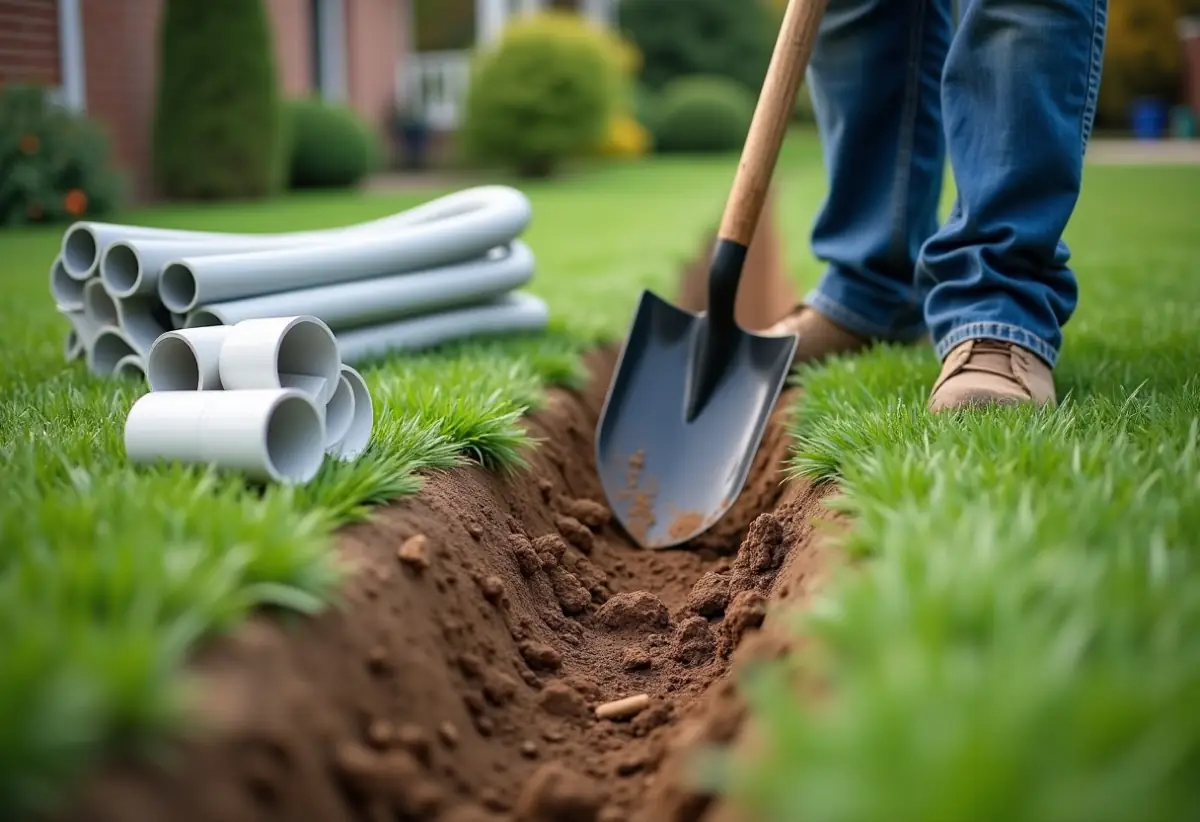
A greywater system costs $700 to $2,000 installed for a washing machine setup and as much as $20,000 for an automated drip system, per Greywater Action’s cost guide. A do-it-yourself laundry system needs only $100 to $250 in parts. Digging basins and trenches is most of the labor, so doing the digging yourself cuts the bill most.
| System type | Cost (Greywater Action) | Permit typically needed? | Best for |
|---|---|---|---|
| Laundry-to-landscape system | $100 to $250 materials; $700 to $2,000 installed | Often no in California if code conditions are met; Type 1 in Arizona | Most homes; trees and shrubs near the laundry room |
| Branched drain (shower, tub, sink) | $200 to $400 materials; $800 to $3,000 installed | Usually yes, because it alters drain lines | Bathrooms above a downhill yard, raised floors or crawlspaces |
| Pumped system (drum and effluent pump) | $400 to $600 materials; $1,000 to $4,000 installed | Usually yes | Yards uphill or far from the fixtures |
| Automated filtered drip | $5,000 to $20,000 | Yes, often an engineered design | Large irrigated areas with a maintenance contract |
| Treated indoor reuse (toilet flushing) | No figure published; Greywater Action calls these costly | Yes, with backflow protection and labeled piping | New builds, or states like Florida that limit outdoor use |
Greywater Action’s greywater FAQ calls these rough averages. Payback depends on your water rate and irrigation season, so price your own irrigation water before buying anything with a pump.
What soaps and safety rules apply to greywater?
Use biodegradable soaps and detergents that are low in sodium and free of boron (borax), keep greywater below mulch or underground, and never let it pond or touch the edible part of a plant. Greywater Action says salt and boron are harmless to people but build up in soil and damage plants. Chlorine bleach loads go to the sewer.
- Water softeners. Sodium softener water is too salty for outdoor reuse. Greywater Action points to potassium softeners or bypassing the washer from the softener.
- No ponding. Standing greywater breeds mosquitoes and invites contact. California treats ponding and runoff as a nuisance, and Texas bars any overflow onto the ground.
- Food crops. Oregon permit 2401 allows subsurface irrigation of food crops except root crops or crops whose edible parts touch greywater. Arizona bars surface application to food plants except citrus and nut trees.
- Kids and pets. California requires designs that minimize contact with people and pets.
How we sourced this
We reviewed 14 sources in October 2026 and cited 7. Water use figures are REU2016 as reprinted by EPA WaterSense; the three-person figures are our multiplication. State rules come from Greywater Action’s transcription of CPC Chapter 15, the University of Arizona summary of ADEQ R18-9-711, the 30 TAC 210.83 text and Oregon DEQ permit 2401. Costs and the field study come from Greywater Action. We excluded vendor blogs and could not open the full CPC, UPC or IPC text, so we cite those codes by chapter only. Oregon’s dollar fees conflicted between versions of the fee table and are omitted.
Frequently asked questions
Is a greywater system legal in the United States?
There is no single federal rule, so it depends on your state and city. California, Arizona, Texas and Oregon all have written paths for home systems, and Arizona and Texas let small residential systems under 400 gallons per day run without agency authorization if every condition is met. Some states allow only indoor reuse or none at all, so check your state code and local building department first.
How much does a greywater system cost?
Greywater Action puts a washing machine system at $100 to $250 in materials or $700 to $2,000 installed, a branched drain at $800 to $3,000 installed, and a pumped system at $1,000 to $4,000 installed. Automated filtered drip systems run $5,000 to $20,000. Digging is most of the labor, so doing the trenching yourself is the biggest way to cut the bill.
Do you need a permit to send washing machine water to your yard?
In California, a clothes washer system can skip the construction permit if it meets the code’s conditions, such as a diverter back to the sewer, no pump, no potable connection, two inches of mulch cover and no ponding. Arizona covers it under the Type 1 general permit below 400 gallons per day. Other states may require a permit, so ask your local building department.
Can you use greywater on a vegetable garden?
Sometimes, with limits. Oregon’s general permit 2401 allows subsurface irrigation of food crops except root crops or crops with edible parts that touch greywater. Arizona bars surface application to food plants except citrus and nut trees. Greywater Action’s rule of thumb is to water roots, never the part someone eats, which rules out carrots, potatoes and leafy greens grown at soil level.
What soap is safe for a greywater system?
Use biodegradable products that are low in sodium and free of boron, which Greywater Action says harm plants and soil even though they are not toxic to people. Skip chlorine bleach and divert loads that need it to the sewer. Water from a sodium water softener is also high in salt, so a potassium softener or a washer bypass is the usual workaround.
How much water does a greywater system save?
Greywater Action’s California study found per person water use fell an average of 17 gallons per day after installation, about 14,565 gallons a year per household. REU2016 data show showers, baths and clothes washers produce 22.2 gallons per person per day, so a three-person home generates roughly 66.6 gallons a day of reusable water before counting bathroom sinks.
How much does a grey water system cost?
A greywater system costs 700 to 2,000 dollars installed for a washing machine setup, with do-it-yourself parts running 100 to 250 dollars. A branched drain runs 800 to 3,000 dollars installed, a pumped system 1,000 to 4,000 dollars, and an automated filtered drip system can run as much as 20,000 dollars. Digging basins and trenches makes up most of the labor cost.
What are the disadvantages of grey water?
Standing greywater breeds mosquitoes and invites contact, so ponding and runoff are treated as a nuisance under California and Texas rules. Sodium and boron in soaps build up in soil and damage plants, and sodium softener water is too salty for reuse. Branched drain, pumped and indoor reuse systems alter house plumbing and usually need permits, with automated drip systems costing as much as 20,000 dollars.