Washing Machine Drain: Standpipe Height, P-Trap, and Setup
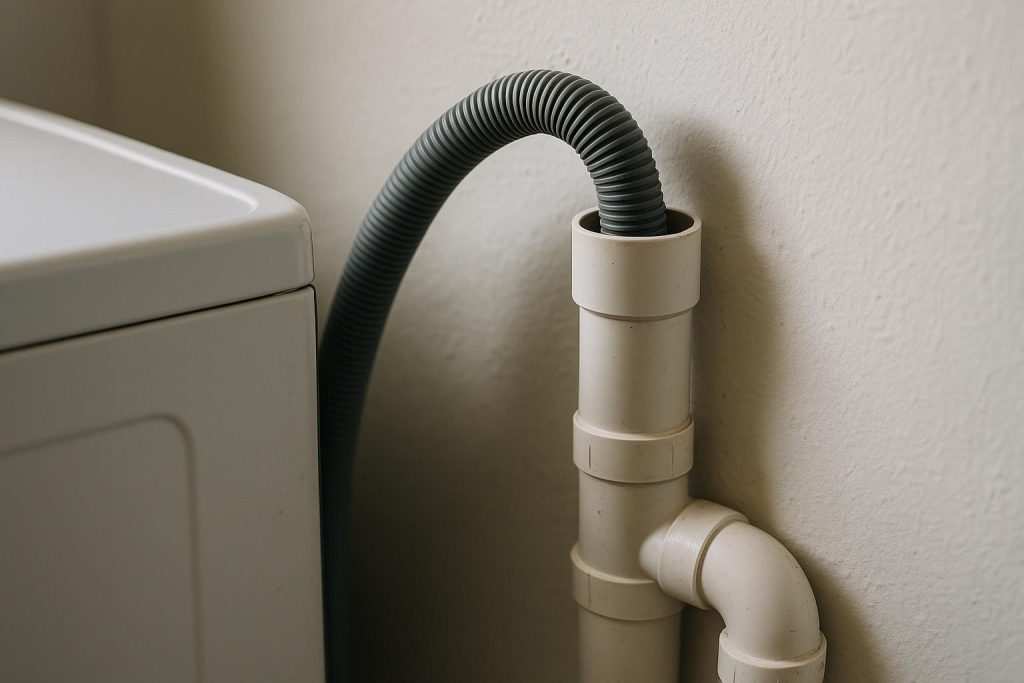
A washing machine drain works by pumping water up into a 2-inch standpipe that drops through a P-trap, with the standpipe top 18 to 42 inches above the trap weir and the hose left loose, never sealed airtight.
Key Takeaways
- Under IPC 802.4.3, the standpipe extends not less than 18 inches and not more than 42 inches above the trap weir; the UPC caps it at 30 inches. Verify the number with your local AHJ.
- A P-trap is required, and S-traps are prohibited under modern code because the S shape self-siphons and loses its water seal.
- The trap is roughed in 6 to 18 inches above the floor and is never installed below the floor (IPC 802.4.3).
- A 2-inch standpipe and trap is the standard; older 1.5-inch drains often overflow because a modern washer pumps out fast on spin.
- The drain hose drops loosely into the standpipe and must not be sealed airtight, so an air gap breaks any siphon (appliance install guides).
- The standpipe must be vented, and the vertical drop from the fixture outlet to the trap weir cannot exceed 24 inches under IPC 1002.1.
How does a washing machine drain actually work?
A washing machine drain is an indirect drain: the washer pumps used water up through its drain hose, the hose discharges into a vertical standpipe, and that water falls through a P-trap into the home’s waste system. The key detail is that the hose is not hard-connected. It sits loosely in the standpipe so air can break any suction, which is what keeps the washer from siphoning itself. Proper air gap aside, a washing machine drain backing up often traces back to that same standpipe setup washing machine drain backing up.
Three parts carry the load: the standpipe (the vertical receptor the hose drops into), the P-trap below it that holds a water seal against sewer gas, and the vent that lets air in so the fast pump-out drains cleanly. Get the heights, the pipe size, and the air gap right and the drain runs for decades. Get them wrong and you see overflow, gurgling, or a sewer smell.
How high should a washing machine standpipe be?
The standpipe top should sit 18 to 42 inches above the trap weir under the IPC, or no more than 30 inches above the trap under the UPC. The code measures from the trap weir, the top of the trap’s water seal, not from the floor. Too short and the washer overflows the pipe; too tall and the pump may struggle to lift water the whole way.
The trap underneath is roughed in 6 to 18 inches above the floor and never below it, so it stays accessible and holds its seal. Stack those two ranges and the rim of a typical standpipe lands somewhere around 30 to 48 inches off the floor, which is why many laundry boxes are set near chest height. Because adoption varies by state and city, confirm the exact height with your local authority having jurisdiction before you rough in.
Why does the standpipe need a P-trap, and never an S-trap?
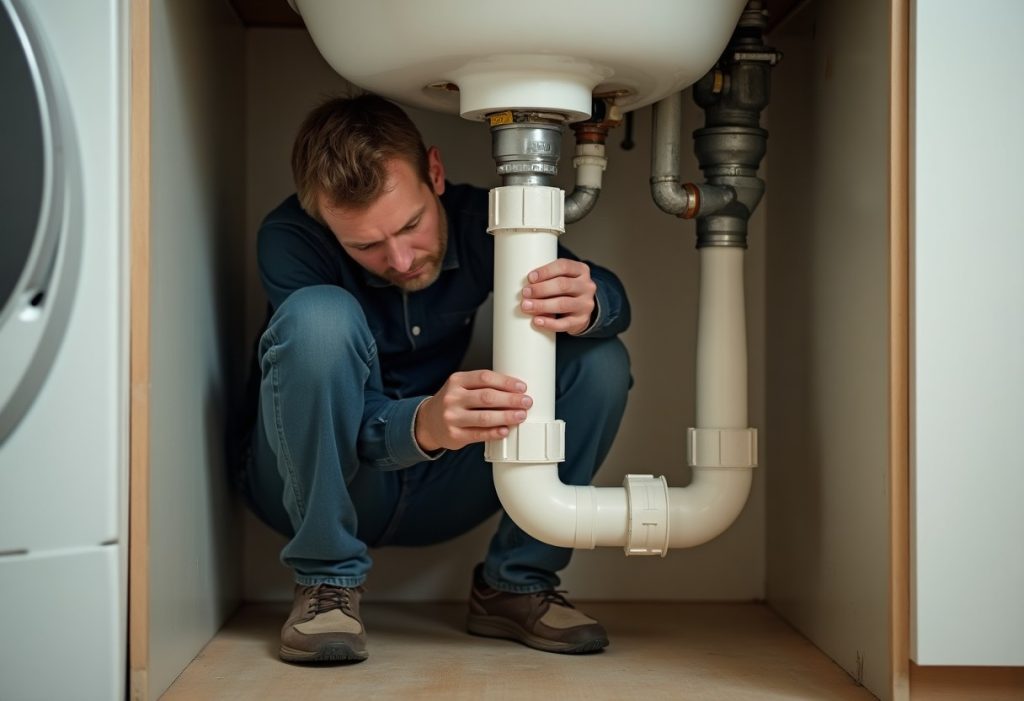
The standpipe needs a P-trap because the trap’s curved water seal is what blocks sewer gas from rising out of the drain and into your laundry room. Without a trap, the standpipe is an open pipe straight to the sewer. The P shape holds a plug of water after every drain, and the vent lets the pipe breathe so that plug stays put.
S-traps are prohibited under modern code (IPC and UPC) because the S shape has no vent break on the outlet side, so a fast discharge self-siphons and pulls its own seal down the drain. Once the seal is gone, gas comes up. A proper P-trap ties to a vent instead, which breaks the siphon. For the mechanics of the seal, see how a P-trap holds its water seal.
What size drain pipe does a washing machine need?
A 2-inch standpipe and trap is the standard under both the IPC and UPC, and it is the size to use on any new install. A modern high-efficiency washer empties on a high-speed spin that pushes a large slug of water in seconds, and a 2-inch line swallows that surge without backing up. The trap arm then feeds a 2-inch or larger vented branch.
Older homes often drain a washer into a 1.5-inch standpipe, which was common decades ago. These frequently overflow now because the pipe cannot accept today’s fast pump-out, and lint narrows them further over time. If you are remodeling a laundry area, upsizing to 2 inches is one of the cheapest reliability upgrades you can make. For how drains and vents are sized across a house, see drain and vent pipe sizing. Standpipe venting choices also affect trap performance, so it helps to understand p-trap vs s-trap differences before finalizing the drain configuration.
| Setup spec | Requirement | Why it matters | Common mistake |
|---|---|---|---|
| Standpipe height | 18 to 42 in above trap weir (IPC); 30 in max (UPC) | Enough fall to drain, low enough for the pump to lift water | Too short, so the washer overflows the rim |
| Trap weir height | 6 to 18 in above the floor, never below floor | Keeps the trap accessible and holding its seal | Trap buried below the floor or set too low |
| Pipe diameter | 2 in standpipe and trap recommended | Handles the fast spin-cycle pump-out without backing up | Reusing a 1.5-in drain that cannot keep up |
| Drain hose fit | Loose in the standpipe, not sealed airtight | Air gap breaks the siphon and prevents back-siphonage | Taping or sealing the hose, causing siphoning |
| Vent | Vented trap arm within code-allowed length | Lets air in so the trap is not siphoned dry | No vent, so the drain gurgles and loses its seal |
How should the drain hose fit into the standpipe?
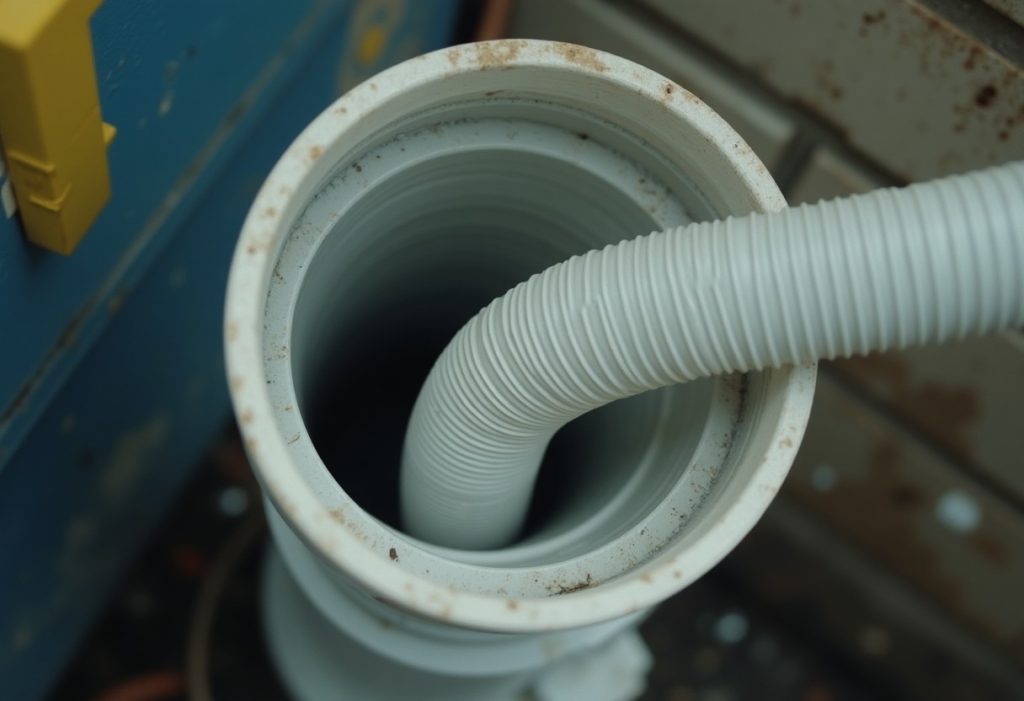
The drain hose should drop loosely into the standpipe and must not be sealed airtight. The open space around the hose is an air gap, and it does two jobs: it breaks any siphon that could suck water out of the washer tub mid-cycle, and it stops dirty drain water from being pulled back into the machine. A sealed connection defeats both.
Insert the hose only a few inches into the standpipe, not all the way down to the trap, or you turn the whole run into a continuous siphon. Secure it so it cannot whip out under the pump’s force: most install guides call for a zip tie, a hooked bracket, or the clip on a laundry box. Never tape, glue, or jam a reducer that seals the hose to the pipe. If backflow worries you, the right answer is a correctly sized standpipe and vent, not a tighter seal.
Does a washing machine drain need a vent?
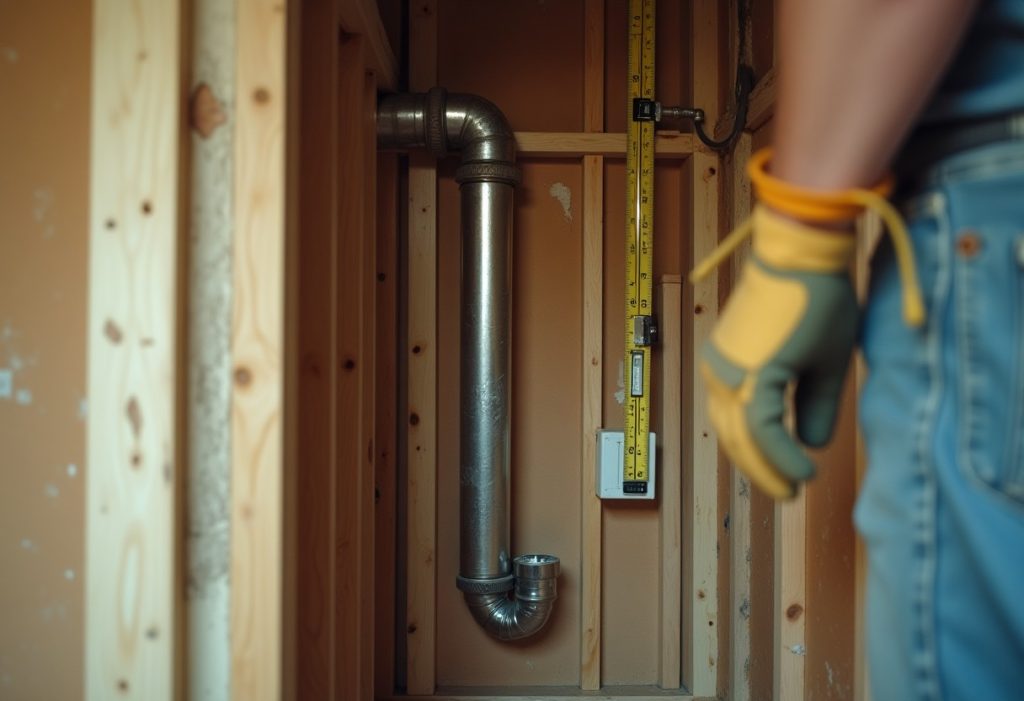
Yes. A washing machine standpipe must be vented so the fast discharge does not siphon the trap dry or pull a vacuum that chokes drainage. The vent admits air behind the slug of water, letting it flow out smoothly while the trap keeps its seal. An unvented washer drain gurgles, drains slowly, and can lose its seal, which lets sewer gas into the room.
Code limits how far the trap can sit from its vent based on pipe size, so the trap arm length is capped. The vertical distance from the fixture outlet down to the trap weir also cannot exceed 24 inches under IPC 1002.1. Where running a full vent is hard, some jurisdictions allow an air admittance valve, but acceptance varies, so check first. See how drain vents are sized and run for the full picture.
Why does my washing machine drain overflow or back up?
Most laundry overflow comes from an undersized or clogged standpipe. A 1.5-inch pipe, a lint-choked trap, or a partial clog downstream cannot accept the washer’s fast pump-out, so water rises and spills over the standpipe rim. Lint, detergent scum, and body grease build up in the trap and arm over months, slowly shrinking the opening until a full load tips it over.
Sudsing makes it worse: too much detergent creates foam that backs up and can cause a back-siphon in a poorly vented line. Start by clearing the trap and standpipe, then confirm the pipe is actually 2 inches and properly vented. If water rises in the standpipe long after the washer stops, the clog is downstream in the branch. Our guide to clearing a clogged drain walks through the methods by drain type.
How we sourced this
Standpipe height (18 to 42 inches above the trap weir), the 6-to-18-inch trap rough-in, and the ban on traps below the floor come from the International Plumbing Code Section 802.4.3. The 30-inch cap reflects the Uniform Plumbing Code (UPC 804.1). The 24-inch maximum from fixture outlet to trap weir is from IPC 1002.1, and the P-trap requirement with S-trap prohibition follows IPC Chapter 10. The 2-inch drain recommendation reflects IPC and UPC standpipe sizing. The loose-hose air gap and anti-siphon guidance reflect appliance manufacturer install instructions. Code adoption and amendments vary by state, county, and city, so every number here is reported as a typical code value that must be confirmed with your local authority having jurisdiction. Forum and inspection-gallery posts were read for context but not cited for figures.
Frequently asked questions
How high should a washing machine standpipe be?
Under the International Plumbing Code (IPC 802.4.3), the standpipe must extend not less than 18 inches and not more than 42 inches above the trap weir. The Uniform Plumbing Code (UPC 804.1) caps it lower, at not more than 30 inches above the trap. The trap itself is roughed in 6 to 18 inches above the floor. Always confirm the exact numbers with your local authority having jurisdiction.
Does a washing machine drain need a P-trap?
Yes. Every washing machine standpipe needs a P-trap to hold a water seal that blocks sewer gas from rising into the room. Modern code (IPC and UPC) prohibits S-traps because the S shape self-siphons and loses its seal. The trap cannot sit below the floor; it is roughed in 6 to 18 inches above the floor so it stays accessible and holds water.
What size drain pipe does a washing machine need?
A 2-inch standpipe and trap is the standard under both the IPC and UPC. Older homes often used 1.5-inch drains, which frequently overflow because a modern washer pumps out fast on a high-speed spin. A 2-inch line handles that surge and connects to a 2-inch or larger trap arm feeding a vented branch. For how sizes are chosen, see drain and vent pipe sizing.
Should the washing machine drain hose be sealed to the standpipe?
No. The drain hose should drop loosely into the standpipe and must not be sealed airtight. A snug seal turns the line into a siphon that can suck water out of the tub mid-cycle, and it traps no air to break the suction. Leave an air gap around the hose. Secure the hose with a zip tie or hook so it cannot whip out, but never tape or glue it in.
Why does my washing machine drain overflow?
Most laundry overflow traces to an undersized or clogged standpipe. A 1.5-inch pipe, a lint-choked trap, or a partial clog downstream cannot accept the washer’s fast pump-out, so water backs up and over the standpipe rim. Lint, detergent scum, and grease build up in the trap over time. Clearing the clog or upsizing to a 2-inch drain usually solves it.
Does a washing machine drain need a vent?
Yes. A washing machine standpipe needs a vent so the fast discharge does not siphon the trap dry or pull a vacuum that slows drainage. The vent lets air in behind the water. Code limits how far the trap can sit from its vent based on pipe size, so the trap arm length matters. An unvented washer drain gurgles, drains slowly, and may lose its trap seal.
What is the trap weir and why is it measured from there?
The trap weir is the top of the trap’s water seal, the point where water would spill over into the drain. Code measures standpipe height from the weir, not from the floor, because the weir sets where the usable standpipe actually begins. The vertical distance from the fixture outlet down to the trap weir also cannot exceed 24 inches under IPC 1002.1, which limits how the trap is positioned.


