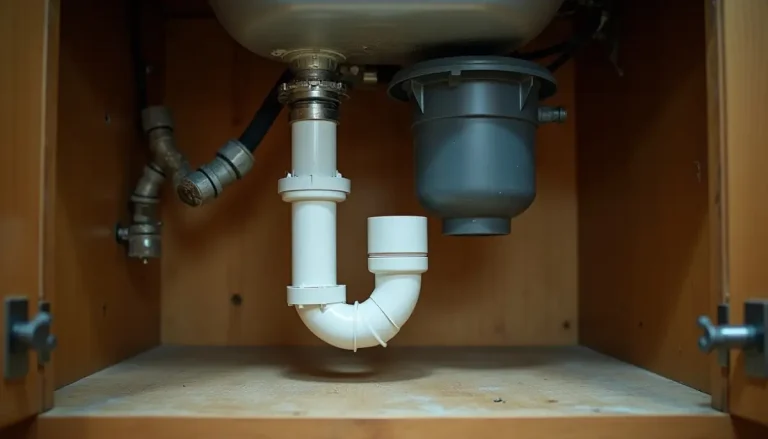
Washing Machine Drain Backing Up? Causes and Fixes
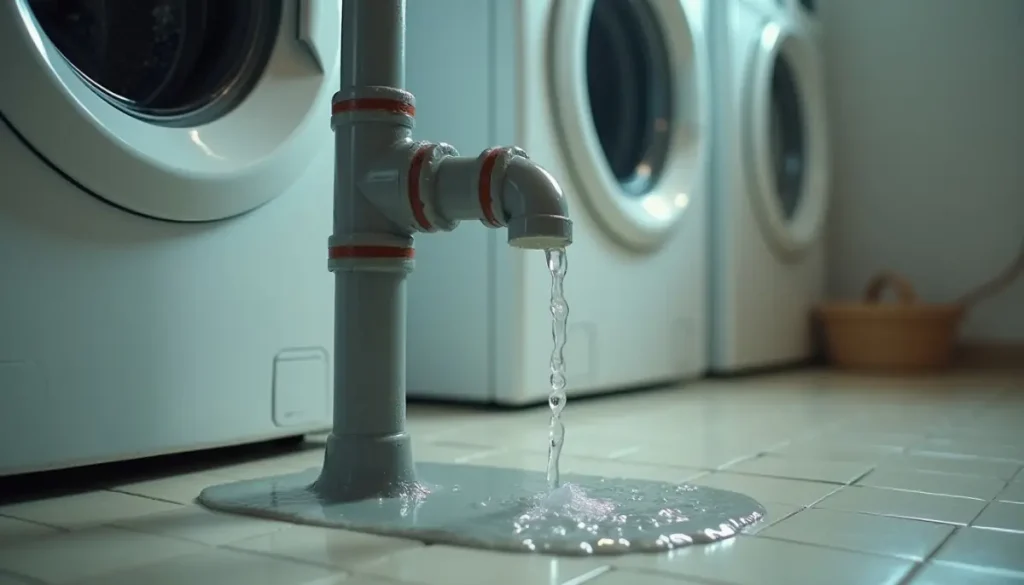
A washing machine drain backing up almost always means the standpipe or branch line cannot take the pump-out fast enough, usually from lint buildup, a hose pushed too deep, foam, or a clog farther down the main line.
Key Takeaways
- The International Plumbing Code (IPC 802.4.3) sets a washer standpipe at 18 to 42 inches above the trap weir; the Uniform Plumbing Code (UPC 804.1) caps it at 30 inches.
- Whirlpool’s installation instructions call for a standpipe of at least 2 inches in diameter that can carry away at least 17 gallons per minute.
- Hose depth matters. Whirlpool allows no more than 4.5 inches of drain hose inside the standpipe and LG allows no more than 8 inches, because a deep hose can siphon.
- Where the water comes up tells you where the clog is. Water at the standpipe alone points to the laundry trap; water at a floor drain or toilet points to the main line.
- HomeAdvisor’s 2026 data puts the average drain unclog at $246, with a typical range of $147 to $352 and main sewer line clogs at $100 to $800.
- A 1/4-inch hand auger clears most lint clogs in the standpipe trap; a mesh lint filter on the hose end stops most of the next one.
Why is my washing machine drain backing up?
A washing machine drain backs up when water leaves the washer faster than the standpipe, trap and branch line can carry it away. The usual causes are lint and hair packed in the trap, a standpipe that is too short or too narrow, a hose pushed too far down the pipe, excess detergent foam, a blocked vent, or a clog farther down the main sewer line.
Your washer does not drain like a sink. The pump shoves the water out in a burst, and Whirlpool’s installation instructions require a drain that can carry away at least 17 gallons per minute. Any restriction shows up first at the standpipe, the open top of the system. Match what you see to the cause below.
| Symptom | Likely cause | First fix |
|---|---|---|
| Standpipe overflows near the end of the drain cycle, other drains fine | Lint, hair and pet hair packed in the laundry trap or short branch line | Run a 1/4-inch hand auger through the standpipe and trap |
| Overflow starts the moment the pump kicks on | Standpipe too short or under 2 inches in diameter | Have a plumber replace it with a 2-inch standpipe at code height |
| Washer drains slowly, refills on its own, or water siphons out mid-cycle | Drain hose pushed too deep or sealed into the standpipe | Pull the hose up to the maker’s depth limit and leave an air gap |
| White foam bubbling out of the standpipe | Too much detergent, or non-HE detergent in an HE washer | Cut the dose, switch to HE detergent, run a rinse cycle |
| Laundry sink fills with gray water when the washer drains | Clog in the line the sink and washer share | Snake from the sink drain or standpipe past the tie-in |
| Gurgling in nearby fixtures, sewer smell after a load | Blocked or missing vent | Clear the roof vent or have a vent added |
| Floor drain, tub or toilet backs up when the washer drains | Main sewer line clog | Stop using water, open the cleanout, call for a main line machine |
| Washer stops with water in the drum, standpipe dry | Washer pump filter or hose clog, not the house drain | Clean the pump filter and check the hose for kinks |
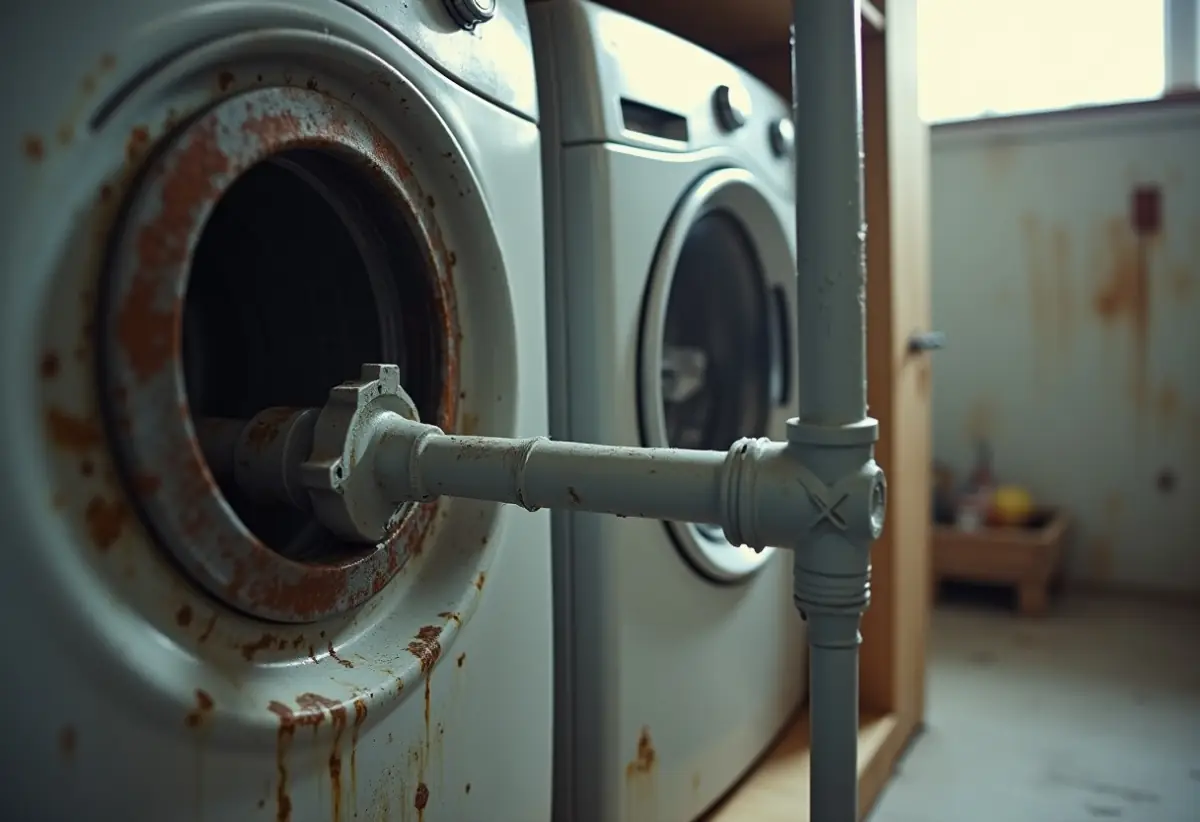
Where does the water come up, and when in the cycle?
Where the water surfaces and when it surfaces point straight at the cause. Overflow only at the standpipe means the problem sits in the laundry trap or branch. Water rising at a laundry sink, floor drain, tub or toilet means the clog is past the point where those lines join. Overflow at the first second of pump-out points to a short or narrow standpipe rather than a clog.
Watch one test load drain and note three things.
- Timing. Instant overflow at pump start suggests the standpipe cannot hold the surge. Overflow that builds over 30 to 60 seconds suggests a partial clog that fills up faster than it empties.
- Location. Check the standpipe, the laundry sink, the nearest floor drain and any ground-floor tub or toilet.
- Sound and smell. Gurgling from a nearby sink or a sewer smell after the drain points to a vent problem or a slow main line.
Is your standpipe too short, too tall or too narrow?
A standpipe that is too short spills before the pump finishes, one that is too narrow cannot take the flow, and one that is too tall lets water stand high enough to siphon or back into the washer. A 1.5-inch standpipe from an older install is a common cause of a washing machine drain overflowing.
The two model codes disagree on the ceiling. The International Plumbing Code allows 18 to 42 inches above the trap weir, while the UPC allows 18 to 30 inches above the trap and sets the trap 6 to 18 inches above the floor. Which one applies depends on your state and local code, so check with your building department before you cut pipe.
The washer maker adds its own window, measured from the bottom of the washer. Whirlpool wants the top of the standpipe at least 39 inches high and no more than 96 inches. LG’s front-load manual says the hose end must sit no lower than 29 inches and no higher than 96 inches above the bottom of the washer, and no more than 60 inches away from it. For the full layout of trap, standpipe and vent, see our guide to how a washing machine drain should be set up.
Can the drain hose cause a washing machine drain to overflow?
Yes. A drain hose shoved too far down the standpipe, or taped tight to it, can seal the pipe and turn it into a siphon. The washer then drains slowly, refills on its own, or pulls dirty water back, and a sealed hose leaves no room for air to escape, so water surges up and over the rim. The fix costs nothing.
LG’s front-load washer manual says not to insert the hose end more than 8 inches into the standpipe because doing so “can cause siphoning, odors, or improper draining,” and it warns never to create an airtight seal with tape. Whirlpool sets a tighter limit of 4.5 inches inside the standpipe. LG’s top-load drain hose guide also says to clip the elbow bracket within 4 inches of the hose end.
- Pull the hose out and reset it to your maker’s limit using the hose guide or elbow bracket.
- Secure the hose to the standpipe or the washer with a zip tie so it cannot slide deeper during spin.
- Leave open air around the hose.
Do high-efficiency washers and too much detergent cause backups?
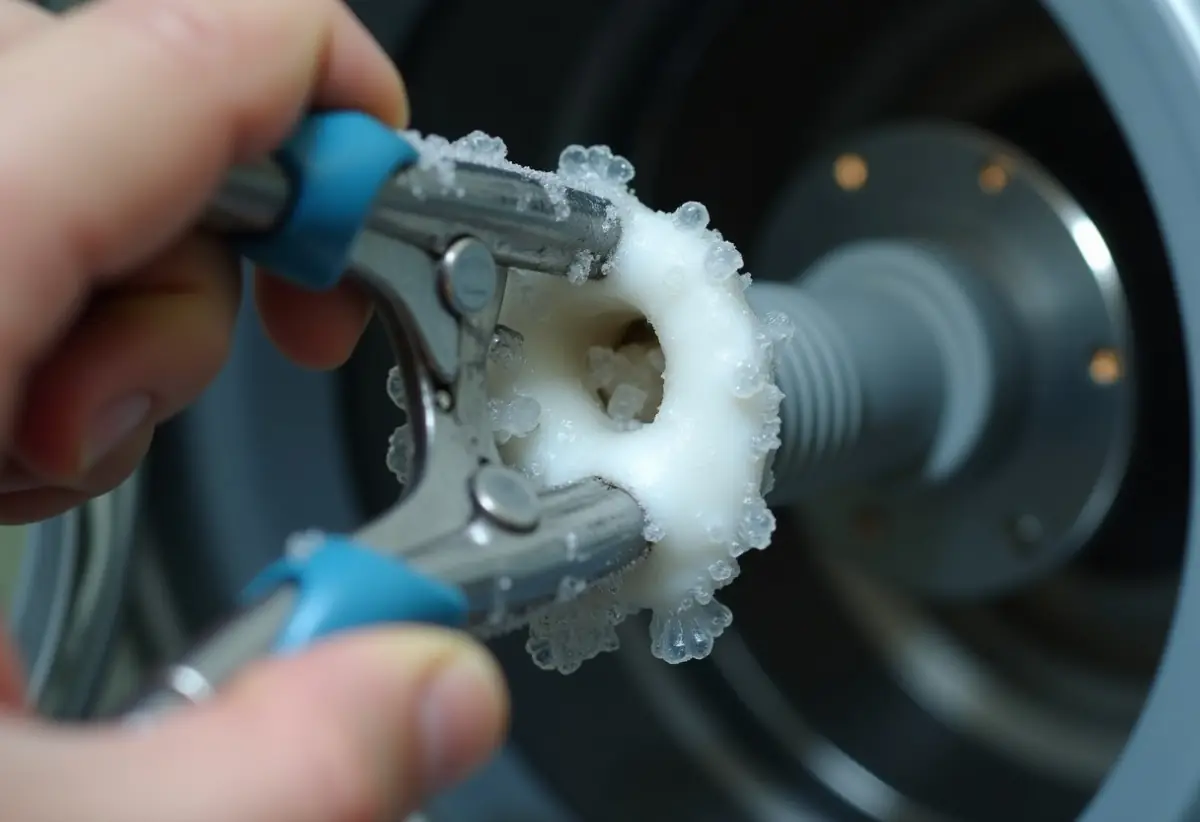
They can. High-efficiency washers use less water, but their pumps still empty the drum in a fast burst, and an older or partly clogged standpipe that coped with a slower machine may overflow after an upgrade. Too much detergent, or regular detergent in an HE machine, adds foam that fills the pipe and spills even when the line is clear.
Suds are mostly air, so a pipe that handles 17 gallons a minute of water may choke on the same volume of foam. If you see white foam rather than gray water at the standpipe, start with the detergent. Use HE detergent in HE washers, measure it, and run one empty rinse cycle to clear old suds.
How do you unclog a washing machine drain that is backing up?
Most laundry clogs are lint mats sitting in the standpipe trap or the first few feet of branch line, and a 1/4-inch hand auger reaches them through the open standpipe. Chemical openers do little against fiber.
- Kill power. Unplug the washer.
- Free the standpipe. Pull the drain hose out and set the end in a bucket. Bail or wet-vac standing water from the standpipe.
- Feed the auger. Push a 1/4-inch hand auger down the standpipe and through the trap, cranking clockwise. Our guide on how to use a plumbing snake covers technique and when to rent a powered unit.
- Flush and test. Pour several gallons of hot tap water down the standpipe, reset the hose to the right depth and run a drain and spin cycle while you watch.
- Prevent the next one. Slip a mesh lint filter over the hose end, empty it every few loads, and snake the standpipe once a year. Homes with dogs or cats fill filters fastest, so brush pet bedding before washing.
Enzymatic cleaners digest soap film on the pipe wall but will not dissolve a packed lint plug, so snake first and treat monthly after. If a clean pipe still overflows, the standpipe is too short or too narrow and needs replacing.
Is a washing machine drain backing up a sign of a main line clog?
Sometimes. If only the standpipe overflows, the clog is local. If a basement floor drain, tub, shower or ground-floor toilet bubbles or backs up when the washer drains, the blockage sits past the point where those lines join, which usually means the main sewer line. The washer is often the first fixture to reveal it because it dumps the most water at once.
Stop doing laundry if water appears in a fixture you did not use. Read our breakdown of the signs of a main sewer line clog before you start snaking, because a main line needs a cleanout and a powered drum machine, not a hand auger fed through a 2-inch standpipe.
If only a shared laundry sink fills during pump-out, the clog is usually in the short run past where the two join, within reach of a hand auger.
Can a blocked vent make a washer drain back up?
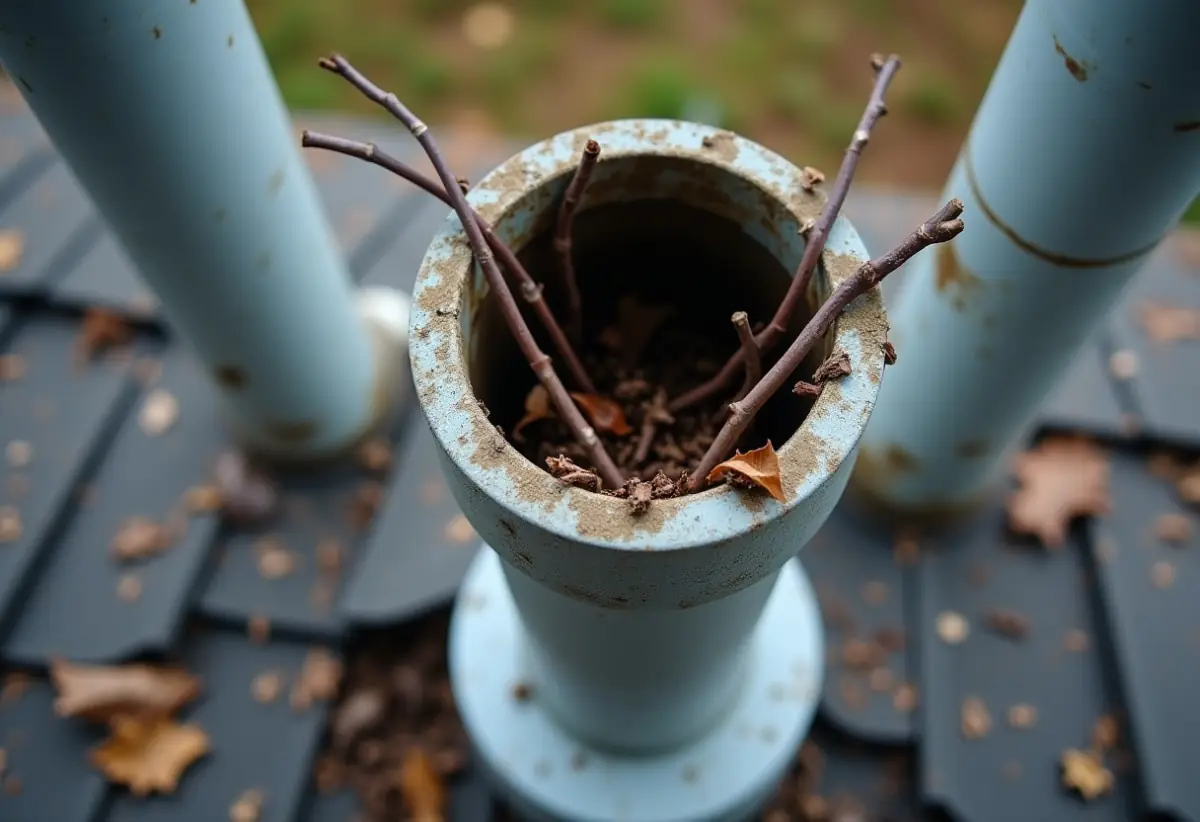
Yes. Every trap needs a vent so air can follow the water down the pipe. When the vent is clogged with leaves or a nest, or was never installed, the fast pump-out pulls a vacuum, the drain slows, nearby traps gurgle and water can push back up the standpipe. A sewer smell after a load is a common second sign.
Look for a vent pipe running up from the laundry branch, or for an air admittance valve on the standpipe or under a nearby sink. See how plumbing vents let drains breathe for where vents tie into a laundry branch and what code allows in place of one.
What does it cost to fix a washing machine drain backing up?
Most washer backups are cleared for the price of a standard drain call. HomeAdvisor’s 2026 cost guide puts the national average to unclog a drain at $246, with most jobs between $147 and $352. A main sewer line clog runs $100 to $800 in the same guide. Replacing a short or narrow standpipe costs more because it means opening the wall.
Figures are the top of each range in HomeAdvisor’s unclog drain cost guide, which does not break out laundry drains separately. A laundry standpipe clog is usually priced like a sink or tub call. Costs vary by region.
Doing it yourself costs far less. HomeAdvisor lists manual drain snakes from about $5 and electric drain cleaner rental at about $100.
How we sourced this
We consulted 12 sources and cited 6: the IPC (Section 802.4.3) and UPC (Section 804.1) standpipe provisions as quoted in code study material, Whirlpool washer installation instructions (W10150593), LG’s front-load washer owner’s manual and LG’s top-load drain hose support page, and HomeAdvisor’s 2026 unclog drain cost guide. Documents were reviewed in October 2026. We excluded unsourced repair pages and any cost we could not trace to a named guide. Code height limits vary by the code your jurisdiction adopted and any local amendments.
Frequently asked questions
Why is my washing machine drain backing up into the sink?
The laundry sink and the washer usually share one drain line past their traps. When lint, hair and soap scum narrow that shared pipe, the fast pump-out from the washer has nowhere to go, so it rises out of the lowest open fixture, which is often the laundry sink or a nearby floor drain.
Can too much detergent make a washer drain overflow?
Yes. Excess detergent, or regular detergent in a high-efficiency washer, whips up foam that fills the standpipe faster than water can drain. Foam can spill even when the drain is clear. Use HE detergent in HE machines, measure the dose, and run a rinse cycle to flush old suds.
How do I unclog a washing machine drain pipe?
Unplug the washer, pull the drain hose out of the standpipe and bail any standing water. Feed a 1/4-inch hand auger down the standpipe, through the trap and into the branch line, cranking as you go. Pull out the lint mat, flush with hot water and test with a full drain cycle.
How far should the washer drain hose go into the standpipe?
Only a few inches. Whirlpool’s installation instructions allow no more than 4.5 inches of hose inside the standpipe, and LG’s front-load manual says no more than 8 inches. Pushing the hose deeper can seal the pipe, start a siphon and cause overflow. Never tape or seal the hose to the pipe, because the air gap around it breaks the siphon.
Can a clogged vent cause a washer drain to back up?
It can. A blocked or missing vent leaves the drain unable to pull in air behind the water, so the line drains slowly, gurgles and can push water back up the standpipe during the pump-out. A plumber can clear the roof vent or add an air admittance valve where local code allows one.
How do I know if the main sewer line is clogged?
Watch the other drains when the washer pumps out. If a floor drain, shower or ground-floor toilet bubbles or backs up at the same time, the clog is downstream of the laundry branch, likely in the main line. A main line clog calls for a cleanout and a powered machine, not a hand auger in the standpipe.
How much does it cost to fix a washing machine drain backing up?
HomeAdvisor puts the national average to unclog a drain at $246, with most jobs between $147 and $352. A main sewer line clog runs $100 to $800 by the same guide. Replacing a short or undersized standpipe costs more because it means opening the wall,.
What can I pour down my washer drain to unclog it?
The article recommends hot tap water rather than any chemical product. After clearing the clog with a 1/4-inch hand auger, pour several gallons of hot tap water down the standpipe, reset the hose depth, then run a drain and spin cycle to test. Chemical openers do little against the fiber clogs that typically cause washer drain backups.
Can I pour drano down my washing machine drain pipe?
The article does not name Drano specifically, but it states that chemical openers do little against fiber clogs, which are the usual cause of washer drain backups. It also notes enzymatic cleaners digest soap film on the pipe wall but will not dissolve a packed lint plug, so snaking first and treating monthly afterward is the recommended approach.