Toilet Bowl Not Filling Up? Causes and Fixes
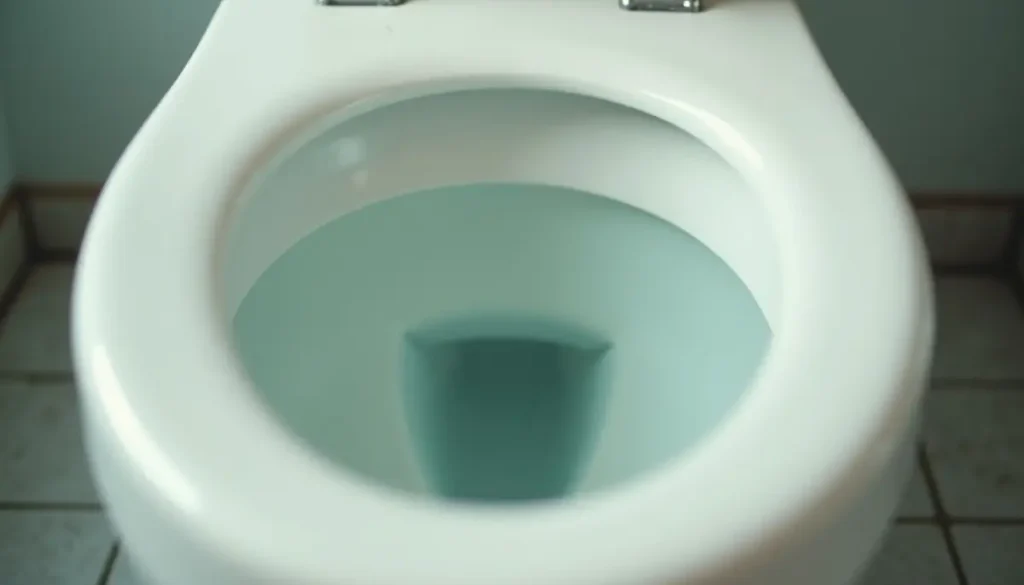
A toilet bowl not filling up usually means the refill tube has slipped off the overflow pipe, though a low tank, clogged rim jets, or water wicking out of the trap can leave the bowl just as low.
Key Takeaways
- Fluidmaster’s 400A instructions say that if bowl water is too low, first make sure the refill tube is supplying water down the overflow pipe.
- Fluidmaster recommends a tank water level about 1/2 inch below the top of the overflow pipe, and says eight turns of its adjustment screw move the float about 1/2 inch.
- Toilets account for nearly 30 percent of indoor home water use, according to EPA WaterSense.
- HomeAdvisor puts the average professional toilet repair at $271, with slow-filling tank repairs typically $60 to $200 (June 2026 data).
- EPA WaterSense says food coloring that shows up in the bowl within 10 minutes means the tank is leaking into the bowl.
Why is my toilet bowl not filling up after a flush?
A toilet bowl not filling up after a flush traces to one of two things. Either the bowl never gets its share of refill water, usually because the refill tube is off the overflow pipe, or the bowl fills and then loses water out of the trap. Less often the tank itself fills short, so too little reaches the bowl.
If the parts inside the tank are new to you, our guide to how a toilet works labels each one.
| What you see | Likely cause | Fix |
|---|---|---|
| Tank fills, bowl stays low after the flush | Refill tube off, kinked, or misaimed | Clip the tube to the overflow pipe |
| Bowl low, tank also low | Float or fill valve height set too low | Raise water to 1/2 inch below the overflow top |
| Bowl fills, then drops over hours | String or paper wicking water over the trap | Pull it out with a gloved hand |
| Bowl drops, toilet gurgles when other drains run | Blocked vent siphoning the trap | Have the roof vent cleared |
| Bowl drops, weak slow flush | Partial clog in the trapway | Flange plunger or toilet auger |
| Weak rim wash, crust under the rim | Mineral-clogged rim holes and siphon jet | Vinegar soak, then a wire |
| Bowl drops, wet floor at the base | Cracked bowl or trapway (rare) | Replace the toilet |
| Tank fills slowly or only partway | Shut-off valve partly closed, or fill valve debris | Open the valve, flush out the valve cap |
| Low bowl in an unused bathroom | Evaporation | Flush it every week or two |
Is it a bowl problem or a tank problem?
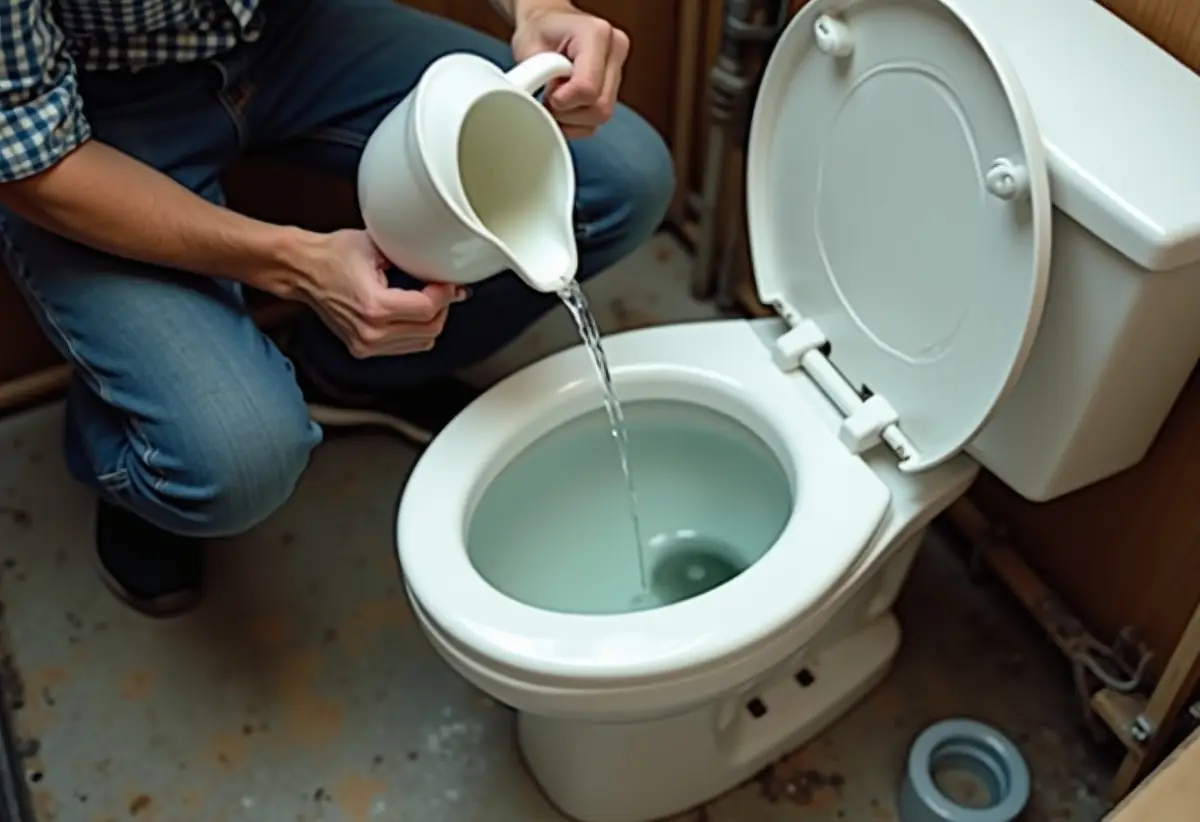
Pour water into the bowl and watch what happens next. If the bowl comes up to its normal level and stays there, the bowl is sound and it simply is not getting refill water, so look at the refill tube and tank level. If the bowl drops back down within minutes or hours, the trap is losing water and the tank is not the cause.
- Lift the tank lid and flush. Watch for a thin stream running from the fill valve into the overflow pipe as the tank refills.
- When the valve shuts off, note where tank water sits against the overflow pipe top.
- Put a strip of painter’s tape at the bowl’s water line.
- Gently pour a half gallon of water into the bowl. The level settles at the top of the trap.
- Mark the new level and recheck it the next morning.
If the level holds, you have a refill problem. If it creeps back down, you have a trap problem. If the tank never reaches its line, skip to the tank section.
Is the refill tube why the toilet bowl water level is low?
Most of the time, yes. The refill tube is the thin flexible hose running from a nipple on the fill valve to a clip on the overflow pipe. While the tank refills, it sends a stream down the overflow pipe that pours straight into the bowl and restores the water in the trap. If it falls off, the tank fills but the bowl stays low.
Fluidmaster’s 400A installation instructions describe the correct setup: attach the tube to the refill clip, place the clip on the overflow pipe, and connect the other end to the fill valve nipple with a slight arch, cutting the tube to length as needed. Their low-bowl troubleshooting starts with that tube.
Three refill tube faults show up most.
- Popped off the clip. Bumping the lid or swapping a flapper knocks it loose, so it sprays into the tank.
- Kinked or cracked. Old tubing stiffens and folds, choking the flow. Replacement tubing is cheap.
- Shoved down the overflow pipe. Fluidmaster warns not to do this because the submerged tube can siphon tank water and cause significant water waste.
Some newer fill valves have a bowl refill adjuster, a dial or roller clamp that meters the stream. If it was turned down, the bowl comes up short. Turn the refill up one setting, flush, and repeat until the bowl reaches its normal line.
The other common setup error is a tank set too low. Fluidmaster recommends a tank water level about 1/2 inch below the top of the overflow pipe and notes that eight turns of the adjustment screw move the float roughly 1/2 inch. If the flush also struggles, our guide to a toilet that won’t flush covers the flapper chain and flush valve side of the problem.
Why does the toilet bowl water level drop after it fills?
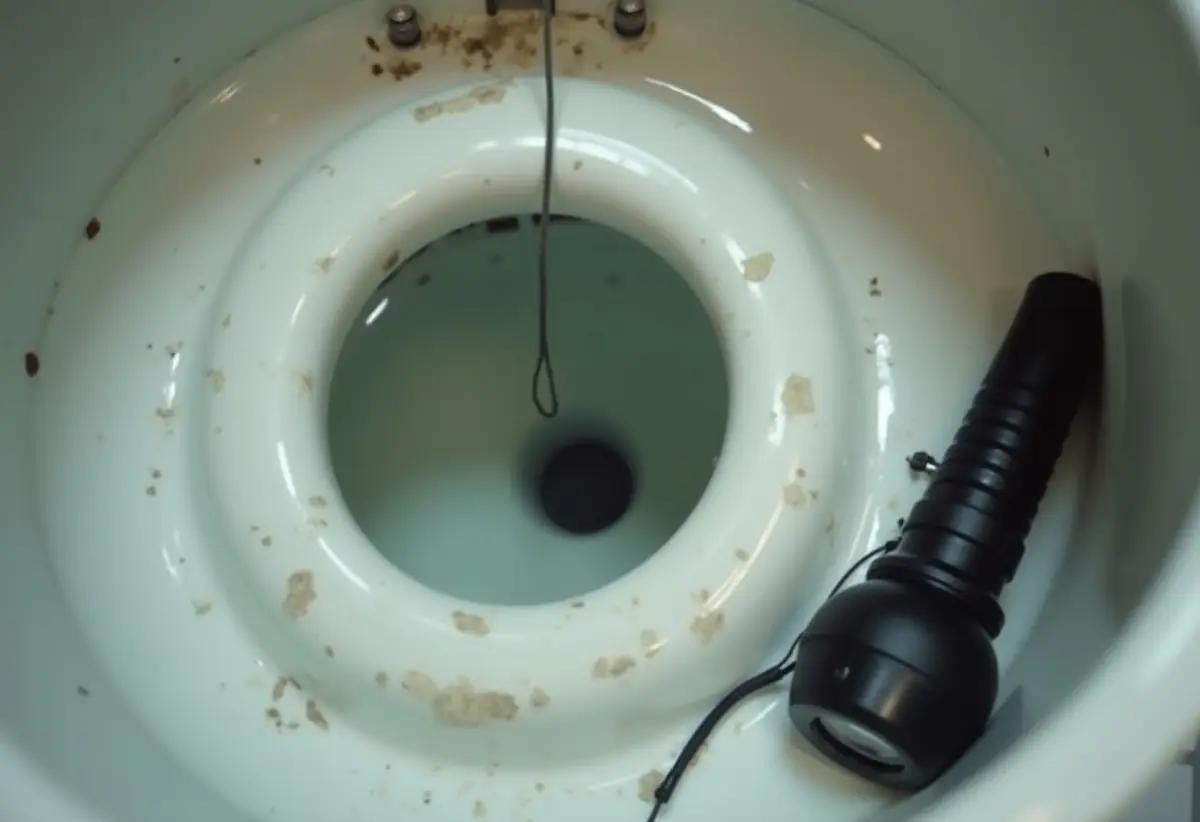
When the toilet bowl water level drops after a normal refill, water is leaving through the trap rather than failing to arrive. The usual causes are material wicking water over the trap, a partial clog that siphons the bowl, a blocked plumbing vent, evaporation in a toilet nobody uses, and, least often, a cracked bowl or trapway.
Wicking from string, floss, or paper
Floss, string, hair, or paper draped over the trap’s high point acts like a candle wick, pulling water over the hump, often overnight. Put on a rubber glove, reach into the trap opening, and pull out anything you feel.
A partial clog in the trapway
A partial blockage can let water trickle past while also creating a siphon that pulls the bowl down after each flush. A flange plunger or a closet auger usually clears it. If it keeps coming back, the blockage may sit farther down the line.
A blocked or missing vent
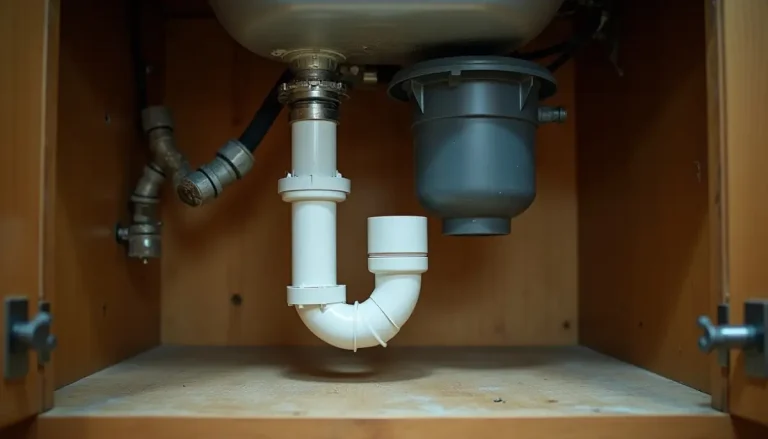
Plumbing vents let air into the drain system so rushing water does not pull traps dry. If the roof vent is packed with leaves, a bird nest, or ice, a draining tub or washer can suck water out of the toilet’s trap. The giveaway is gurgling from the toilet when another fixture drains. Clearing it means roof work, so many homeowners hire a plumber.
Evaporation in an unused toilet
In a guest bathroom or vacation home, trap water slowly evaporates, faster in dry, heated air. Nothing is broken. Flush it every week or two.
A cracked bowl
Porcelain cracks are rare, usually after an impact or an overtightened bolt. Look for water on the floor, a stain around the base, or a bowl that drops with nothing in the trap. HomeAdvisor puts full toilet replacement at about $175 for installation plus $90 to $1,500 for the new fixture.
Can clogged rim jets keep the toilet bowl from filling?
Clogged rim jets and a scaled siphon jet rarely stop the bowl from filling outright, but they make refills and flushes weak and uneven. Calcium, lime, and rust choke the holes under the rim and the jet at the bottom of the bowl, especially in hard water areas, so water trickles in slowly and lopsided.
Check under the rim with a hand mirror. White crust or orange stains mean the jets need cleaning.
- Shut off the water and flush to empty the tank.
- Pour white vinegar down the overflow pipe in the tank. It feeds the rim channel and runs out the rim holes.
- Tape over the rim holes if you want the vinegar to sit longer, then wait overnight.
- Poke each rim hole and the siphon jet with a stiff wire or bent coat hanger.
- Turn the water on and flush several times.
Skip chlorine drop-in cleaners for this job. Fluidmaster says in-tank cleaners containing bleach or chlorine damage tank components, may cause flooding, and void its warranty.
What if the toilet tank is not filling either?
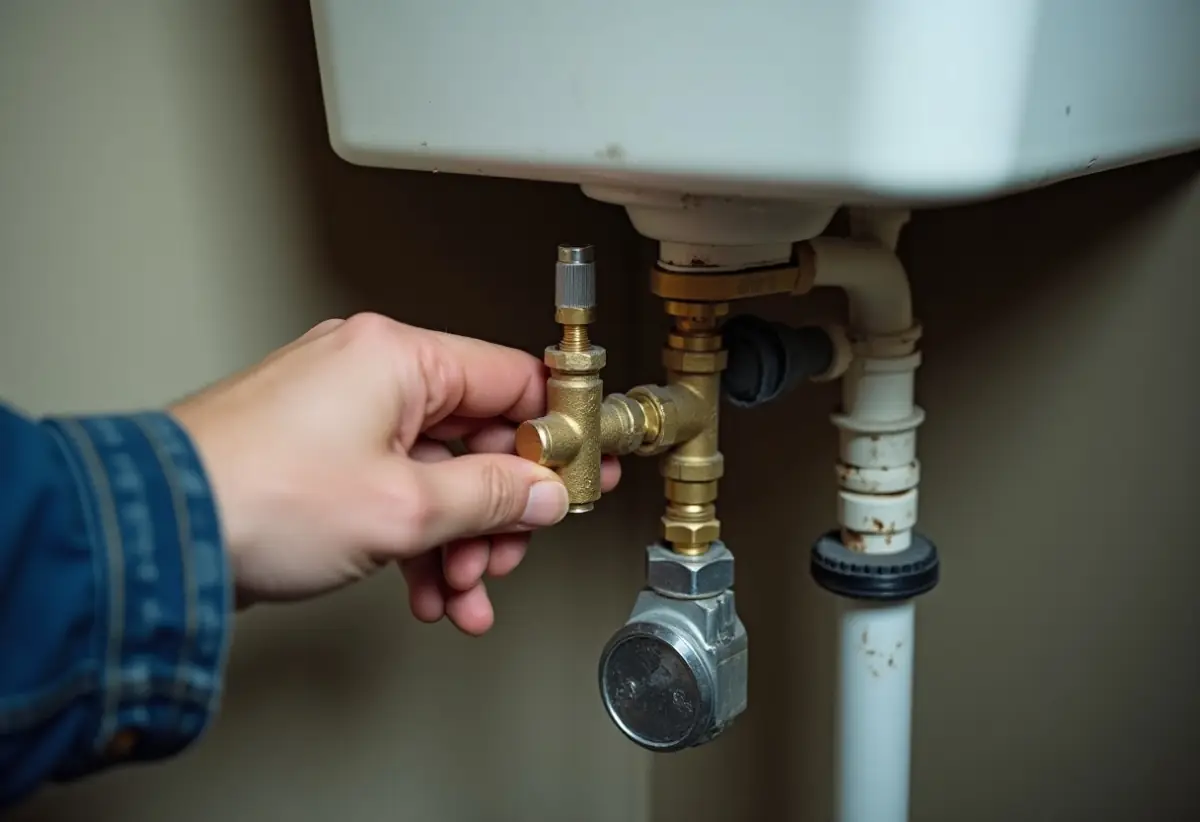
If the tank itself fills slowly, stops short, or does not refill at all, the bowl will come up low no matter how the refill tube sits. Check the shut-off valve, the fill valve, and the float height, in that order.
- Open the shut-off valve fully. A valve left half closed after a repair starves the fill valve. Turn it counterclockwise until it stops.
- Flush debris out of the fill valve. Fluidmaster’s troubleshooting steps say to remove the top cap and check for debris. With the cap off, hold a cup upside down over the valve and turn the water on and off a few times.
- Check the float. A float set too low shuts the valve off early. Raise it until water stops about 1/2 inch below the overflow top.
- Look at the supply line. Fluidmaster suggests replacing the water supply connector if it is worn or over five years old, and notes that a partial blockage can sit at the shut-off valve or in the line.
If the tank refills by itself every so often without anyone flushing, the tank is losing water to the bowl through the flapper. EPA WaterSense’s Fix a Leak Week guidance suggests putting a few drops of food coloring in the tank and waiting 10 minutes. Color in the bowl means a leak, and our guide on how to fix a running toilet walks through the flapper repair.
When should you replace the fill valve, and what does it cost?
Replace the fill valve when cleaning it does not restore a full, steady refill, when it hisses or keeps running after the tank is full, or when the float cup will not drop on a flush. Fluidmaster says that last symptom can mean a worn seal, which is replaceable on its 400A valve.
It is a common DIY job: shut off the water, sponge out the tank, disconnect the supply line, remove the locknut, and set the new valve to height. Fluidmaster’s 400A sheet requires the critical level mark on the valve to sit 1 inch above the top of the overflow pipe, which Fluidmaster describes as a plumbing code requirement that helps protect your drinking water supply. Our full guide to the toilet fill valve covers valve types and the swap step by step.
Labor drives most of the bill. HomeAdvisor’s toilet repair cost guide says plumbers charge $45 to $200 per hour and labor makes up 60 to 75 percent of a toilet repair, with nights, weekends, and holidays adding $100 to $300.
Low-flow toilets make the refill path matter more. EPA WaterSense notes that WaterSense labeled toilets use 1.28 gallons per flush or less, against older models that use as much as 6 gallons. With less water per flush, a half-empty bowl leaves less margin, so a bad refill tube shows up as a weak flush sooner.
Call a plumber when the bowl keeps dropping after you clear the trap, other drains gurgle, water appears at the base, or the shut-off valve will not turn. A new fill valve will not fix those.
How we sourced this
We read the Fluidmaster 400A fill valve installation and troubleshooting sheet in full and took every setting from it. Water use figures come from EPA WaterSense’s residential toilets and Fix a Leak Week pages. Cost figures come from HomeAdvisor’s toilet repair cost guide, updated June 2026. We reviewed the top search results and People Also Ask questions in October 2026 to set coverage. We excluded forum posts and unsourced how-to pages, and skipped part prices because they vary by store.
Frequently asked questions
Why is my toilet bowl not filling up with water after I flush?
The most common reason is the small refill tube on the fill valve. It should stream water into the overflow pipe, which feeds the bowl. If it popped off or got knocked aside, the tank refills normally but the bowl stays low. Clip it back on and flush to test.
Why does the water in my toilet bowl keep going down?
A bowl that fills and then slowly drops is losing water out of the trap. Look for string, floss, or paper wicking water over the trap. A partial clog, a blocked vent, or a cracked bowl can do the same. In a toilet nobody uses, evaporation is the usual cause.
How do I raise the water level in my toilet bowl?
You cannot raise it past the top of the trap, because extra water spills down the drain. You can make sure the bowl gets its full share. Clip the refill tube to the overflow pipe, raise the tank to about half an inch below the overflow top, and clear any clog.
Can a clogged vent cause low water in a toilet bowl?
Yes. A vent lets air into the drain so rushing water does not suck the trap dry. If leaves, a nest, or ice blocks the roof vent, draining water can siphon the bowl down. Gurgling when a nearby tub or sink drains is the usual clue.
Why is my toilet tank filling but not the bowl?
The tank and bowl fill through separate paths. Most fill valve water goes into the tank, while a thin refill tube sends a smaller stream down the overflow pipe into the bowl. When only the tank fills, that stream is missing or misrouted, or the bowl drains away afterward.
How long should it take a toilet to refill?
A healthy fill valve on normal household pressure refills the tank quickly and steadily. A fill that drags on for several minutes points to a problem. Open the shut-off valve fully, then flush debris out of the valve cap. If it stays slow, replace the valve or supply line.
Can a toilet bowl crack and lose water?
It can, though it is rare. A crack in the trapway or bowl wall lets water seep out, so look for water on the floor, a stain at the base, or a bowl that drops with nothing in the trap. A cracked bowl usually means a new toilet.
Why is my toilet not refilling after I flushed it and cost?
The bowl usually stays low because the refill tube has slipped off the overflow pipe, so the tank fills but the bowl gets no water. A low float setting or clogged rim jets can also leave it short. HomeAdvisor puts average professional toilet repair at $271, with slow-filling tank repairs running $60 to $200.
What is the problem if the water tank is not filling?
If the tank itself fills slowly, stops short, or does not refill, the bowl stays low no matter how the refill tube sits. Check the shut-off valve first, since it may be left partly closed. Then check the fill valve for debris, and the float height, which should keep water about half an inch below the overflow pipe top.