P-Trap vs S-Trap: The Difference and Why S-Traps Are Banned
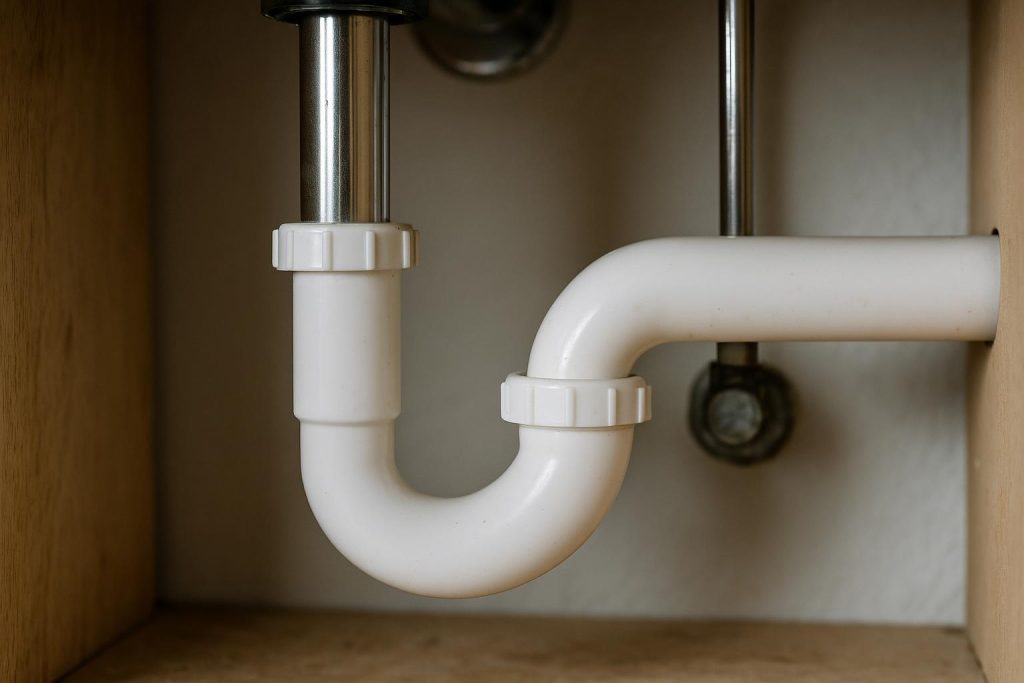
P-trap vs S-trap comes down to venting: a P-trap empties sideways into a vented wall drain and keeps its water seal, while an S-trap drops straight down, siphons its own seal out, and lets sewer gas into the room, which is why code bans it.
Key Takeaways
- S-traps are listed among prohibited traps in IPC Section 1002.3 because the shape makes the seal too easy to siphon.
- Every fixture trap must hold a liquid seal of 2 to 4 inches, per IPC Section 1002.4.
- A P-trap works because it connects to a vented horizontal arm, so air breaks the siphon and the water seal stays put.
- An S-trap can pull its seal out in a single full drain, leaving a dry trap that is an open pipe to sewer gas.
- Trap arm length is capped by trap size: 6 feet for a 1-1/2 inch trap at 1/4 inch per foot, per IPC Table 909.1.
- Converting means rerouting to a vented wall drain, or adding an air admittance valve (IPC Section 918) where allowed; verify with your local authority having jurisdiction.
What is the difference between a P-trap and an S-trap?
The difference is the direction of the outlet and whether a vent sits between the trap and the drain. A P-trap curves down, back up, then turns horizontally into a wall drain that is vented. An S-trap curves down, up, then straight back down into a drain directly below, forming an S with no vent in between. Both hold water in the dip; only one keeps it reliably.
That water held in the dip is the trap seal, and it is the whole point of either shape. The seal is a plug of standing water that blocks gases in the drain from rising into the room while still letting waste flow through. For a deeper look at the component itself, see how a P-trap holds water.
The S-trap predates modern venting rules and still shows up under old sinks and in DIY work, usually where a drain runs down through the floor instead of out to a wall. It looks like it does the same job, and on a slow trickle it does. The trouble starts on a full, fast drain.
Why are S-traps banned by modern plumbing code?
S-traps are banned because the arrangement makes the trap seal too easy to siphon, and the International Plumbing Code lists them among prohibited traps in Section 1002.3. The vertical drop right below the trap turns a draining fixture into a siphon that can pull the seal straight down the pipe. Once the seal is gone, the trap no longer blocks anything.
The Uniform Plumbing Code treats S-traps the same way, grouping them with other prohibited traps such as bell traps, crown-vented traps, and traps that rely on moving parts. Both model codes land in the same place: a trap has to protect its seal, and the S shape cannot do that without a vent. Adoption and exact wording vary by state, so verify with your local authority having jurisdiction.
Code does not ban S-traps to create busywork. The ban exists because a failed trap seal is an open path for sewer gas, and the S shape fails that job often enough that inspectors flag it on sight. A P-trap tied to a vent solves the same drainage need without the siphon risk.
What is trap siphonage and how does a vent stop it?
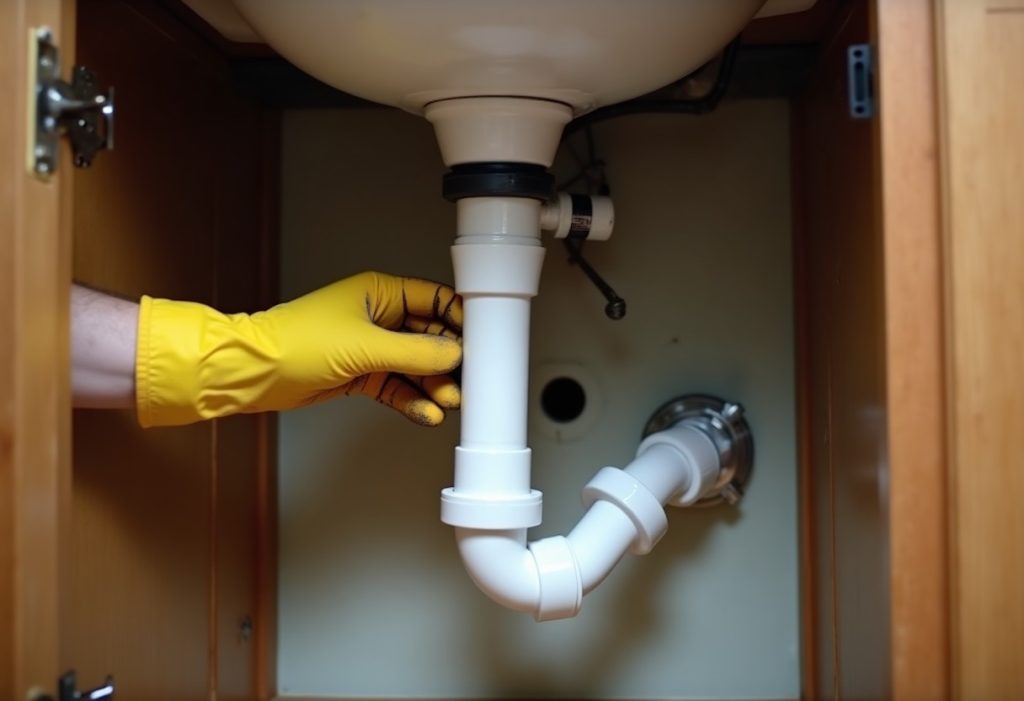
Trap siphonage is the loss of the water seal when draining water creates suction that drags the seal down the pipe. In an S-trap, a sink full of water rushing into the drop below the trap behaves like a siphon: the moving slug of water pulls air and then the trap seal along behind it, and the trap can empty in one go. The fixture looks fine; the barrier is just gone.
A vent stops this by giving the suction somewhere to draw air other than through the trap. The vent pipe opens the drain line to atmosphere near the trap, so when water races past, air enters from the vent instead of pulling the seal out. That is the core job of venting, explained further in how venting works.
A P-trap is built to use that vent. Its horizontal outlet, the trap arm, runs to a drain that is vented within a set distance, so the trap never sees full siphon suction. An S-trap has no such arm and no vent, which is the entire reason the two behave so differently on a hard flush.
How do a P-trap and an S-trap compare side by side?
A P-trap outlets horizontally into a vented drain and holds its seal; an S-trap outlets straight down with no vent and can siphon dry. The table below lays out the practical differences, plus the two accepted ways to fix an S-trap. Trap seal depth, the 2 to 4 inch band in IPC 1002.4, applies to both; the difference is whether that seal survives a full drain. Check how that same seal depth plays out in a washing machine standpipe setup.
| Feature | P-trap | S-trap |
|---|---|---|
| Shape / outlet direction | Down, up, then horizontal into the wall | Down, up, then straight down (S shape) |
| Needs a vent? | Yes, connects to a vented trap arm | Has none, that is the defect |
| Self-siphons? | No, vent breaks the suction | Yes, drop below acts as a siphon |
| Code status | Standard, code-compliant | Prohibited (IPC 1002.3, UPC) |
| Where seen | Modern sinks, lavs, most fixtures | Old homes, floor-drop drains, DIY work |
| Fix: reroute | Preferred: run to a vented wall drain | Install a proper P-trap on the new arm |
| Fix: air admittance valve | AAV on the fixture drain (IPC 918) | Allowed in many areas; verify with AHJ |
The S-trap column is really a list of problems the P-trap solves. If you are replacing or rebuilding a drain, there is no reason to install an S-trap, and most inspectors will not pass one in new work.
How deep does a trap seal need to be?
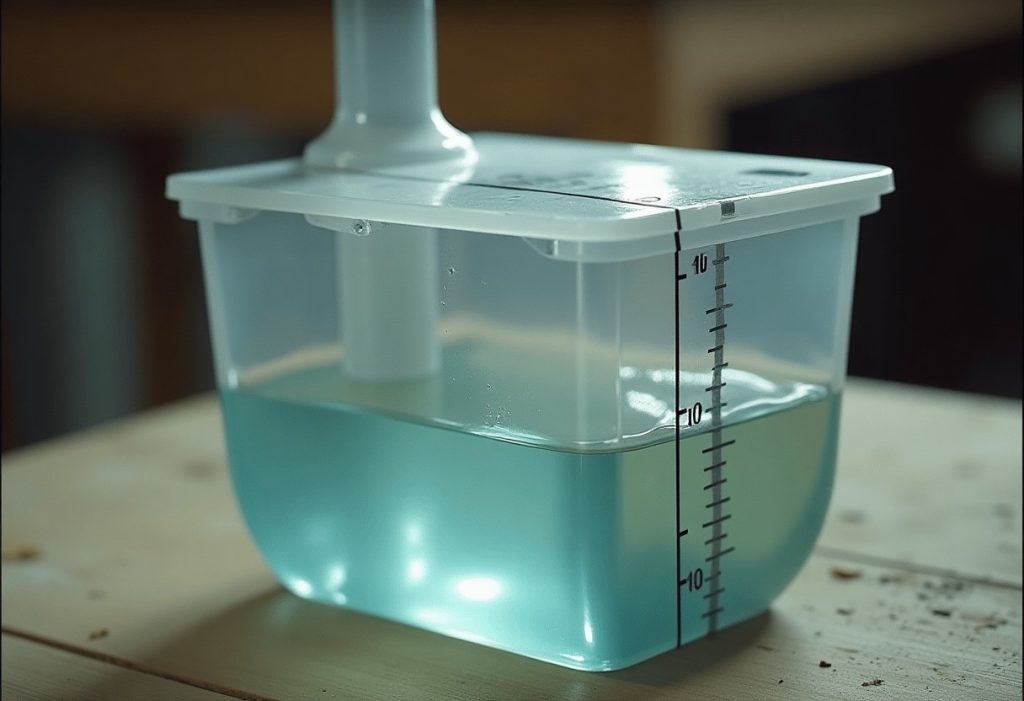
A fixture trap must hold a liquid seal of not less than 2 inches and not more than 4 inches, per IPC Section 1002.4. That band is deliberate: 2 inches is enough standing water to block gases, and 4 inches is the ceiling that still lets the trap scour itself clean on each flush rather than trapping gunk. Both a P-trap and an S-trap are built to hold water in that range.
The depth only protects you if it stays there. An S-trap meets the depth spec on paper, then loses it to siphonage in use, which is why a sourced number on the drawing does not equal a safe trap in the wall. Code also addresses a different way seals vanish: where a trap can dry out by evaporation, it calls for a deeper 4 inch seal trap or a trap seal primer valve.
That trap arm length matters because it is how far a vented P-trap can sit from its vent and still be protected. Exceed the distance in IPC Table 909.1 and even a P-trap starts to behave like an unvented one, which is the same failure mode that dooms the S-trap.
How can you tell if you have a P-trap or an S-trap?
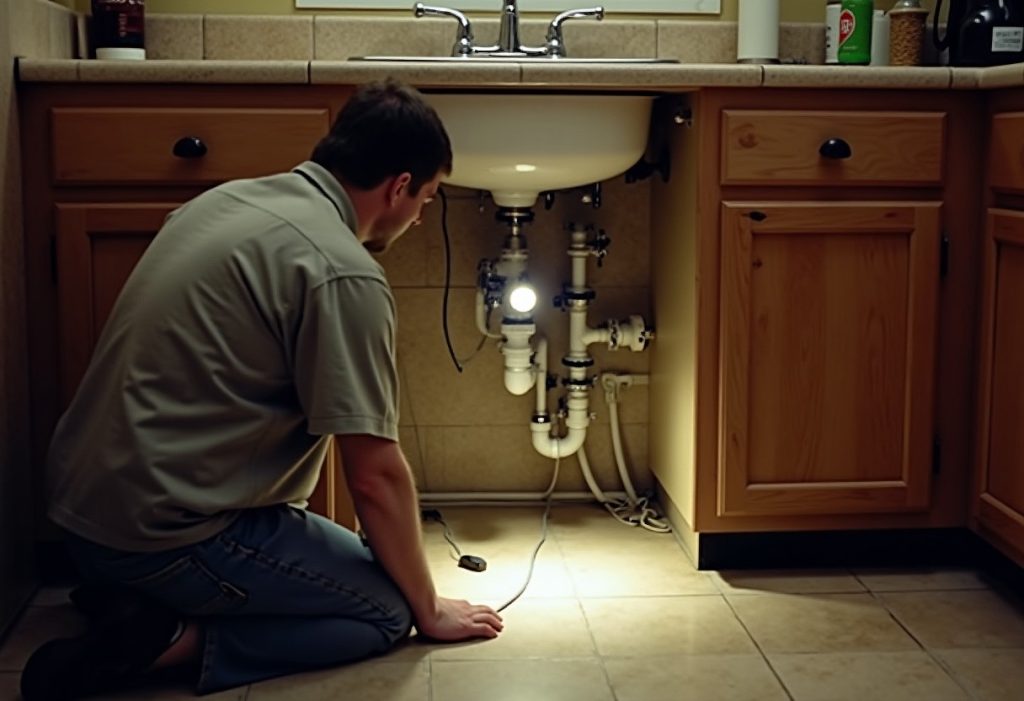
Look at where the pipe goes after the U-bend. If it turns and runs horizontally into the wall, you have a P-trap on a wall drain. If it curves up and then drops straight down through the cabinet floor or slab into a drain below, with no vent pipe rising above it, you have an S-trap. The telltale is the second downward turn right after the trap.
- Open the cabinet or expose the trap under the fixture.
- Find the U-bend and follow the pipe past it.
- Horizontal into the wall means P-trap; straight down into the floor means S-trap.
- Look for a vent rising near the trap arm; an S-trap has none.
Floor-mounted drains, pedestal sinks, and island sinks are common places to find S-traps or improvised versions. If the drain disappears into the floor right under the bowl, treat it as an S-trap until you confirm a vent, and read it alongside how a sewer system works to see where that pipe ends up.
How do you convert an S-trap to a code-compliant vented P-trap?
The clean fix is to reroute the drain to a vented horizontal wall arm and set a proper P-trap on it, keeping the arm within the length and slope limits of IPC Table 909.1. That gives the trap a real vent and ends the siphon. Where opening the wall to run a vent is not practical, many areas allow an air admittance valve under IPC Section 918 instead.
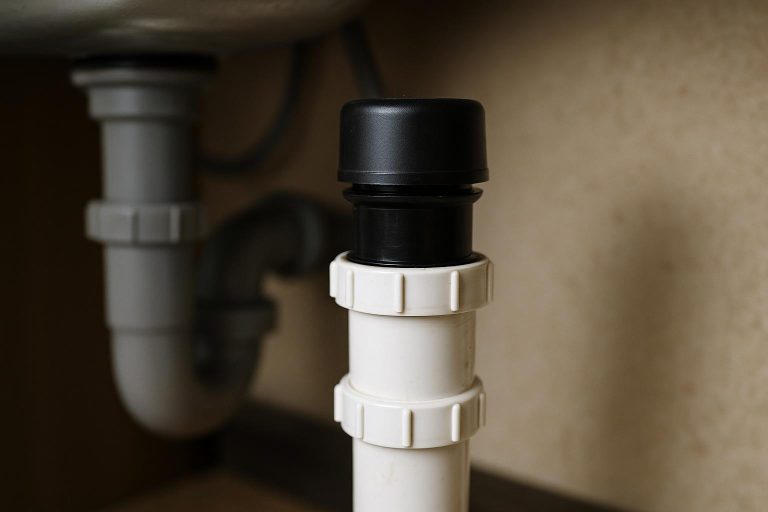
An air admittance valve is a one-way device that opens to let air in when the drain pulls suction, then seals shut so no gas escapes. Mount it above the trap arm, keep it accessible, and use a listed unit. It is not accepted everywhere and some jurisdictions restrict it, so confirm the method before you buy parts.
- Shut off and clear the fixture, then remove the existing S-trap.
- Add a vented wall drain and tie the fixture drain to a vented branch, or set an AAV above the trap arm where allowed.
- Install a P-trap on a horizontal arm within the IPC 909.1 distance for the trap size.
- Slope the arm toward the drain, commonly 1/4 inch per foot, and check for leaks.
- Verify with your local authority having jurisdiction and pull a permit if required.
Whichever route you take, the goal is the same: a trap that keeps its 2 to 4 inch seal under a full drain. Rerouting to a true vent is the more durable answer; an AAV is the practical one when the wall cannot be opened. Code adoption varies by state and city, so the authority having jurisdiction has the final say.
How we sourced this
Trap requirements come from the International Plumbing Code: Section 1002.3 lists S-traps among prohibited traps, Section 1002.4 sets the 2 to 4 inch trap seal depth and the deeper 4 inch seal where evaporation is a risk, Section 1002.2 requires traps to stay self-scouring, and Table 909.1 in Chapter 9 sets the maximum trap arm distance by trap size and slope. Air admittance valve allowance reflects IPC Section 918. We cross-checked the S-trap prohibition and venting logic against the Uniform Plumbing Code and a professional plumbing-code overview, and confirmed code text against ICC and up.codes published sections. Code editions and local amendments vary, so figures are the model-code baseline, not a substitute for your adopted code or your local authority having jurisdiction. We excluded vendor claims we could not tie to a published code section.
Frequently asked questions
What is the difference between a P-trap and an S-trap?
A P-trap curves down, up, then turns horizontally into a vented wall drain, so its outlet runs sideways. An S-trap curves down, up, then back down into a drain directly below, making an S shape with no vent between the trap and the drop. That downward drop is what lets an S-trap siphon its own water seal out, which is why code requires the vented P-trap arrangement instead.
Why are S-traps banned by plumbing code?
S-traps are listed among prohibited traps in IPC Section 1002.3 because the arrangement makes the trap seal too easy to siphon. When the fixture drains, the vertical drop below the trap acts like a siphon and can pull the water seal out, leaving the trap dry. A dry trap is an open pipe to the drain system, so sewer gas enters the room. A vented P-trap breaks that siphon and keeps the seal intact.
What is trap siphonage?
Trap siphonage is the loss of the water seal in a trap when flowing water creates suction that pulls the seal down the drain. In an S-trap, a full fixture draining into the drop below the trap can start a siphon that empties the trap in one flush. A vent pipe near the trap lets air in behind the water, which breaks the suction and preserves the seal, per the venting rules in IPC Chapter 9.
How deep does a trap seal need to be?
Each fixture trap must hold a liquid seal of not less than 2 inches and not more than 4 inches, per IPC Section 1002.4. That band is the depth that reliably blocks sewer gas while still letting the trap scour itself clean. Where a trap seal can be lost to evaporation, code calls for a deeper seal trap of at least 4 inches or a trap seal primer valve to keep it topped up.
How can I tell if I have a P-trap or an S-trap?
Look at where the trap outlet goes after the curve. If the pipe turns and runs horizontally into the wall, you have a P-trap connected to a wall drain. If the pipe curves up and then drops straight down through the floor or cabinet into a drain below, you have an S-trap. An S shape with no visible vent above the trap arm is the tell, and it is common under older or DIY sink installs.
How do you convert an S-trap to a P-trap?
The code-compliant fix is to reroute the drain to a vented horizontal wall arm and install a proper P-trap, keeping the trap arm within the length and slope limits of IPC Table 909.1. Where opening the wall to add a vent is impractical, many areas allow an air admittance valve (IPC Section 918) on the fixture drain instead. Rules vary, so verify the method with your local authority having jurisdiction before you start.
Is an S-trap dangerous?
An S-trap is not an immediate hazard, but a dry trap lets sewer gas into the living space, which carries hydrogen sulfide and methane and can smell foul and cause headaches or nausea at higher concentrations. The risk is intermittent because the seal can refill on the next use, then siphon out again on a full drain. Converting to a vented P-trap removes the cause rather than masking the smell.
Can I just add an air admittance valve to fix an S-trap?
An air admittance valve can supply the venting an S-trap lacks, and IPC Section 918 recognizes AAVs for individual and branch vents, but it is not a universal pass. The device must be listed, accessible, and installed above the trap arm, and some jurisdictions restrict or disallow AAVs. Rerouting to a vented wall drain is the more durable fix. Always confirm what your local authority having jurisdiction accepts.