Sewer Backwater Valve: How It Works, Code Rules and Cost
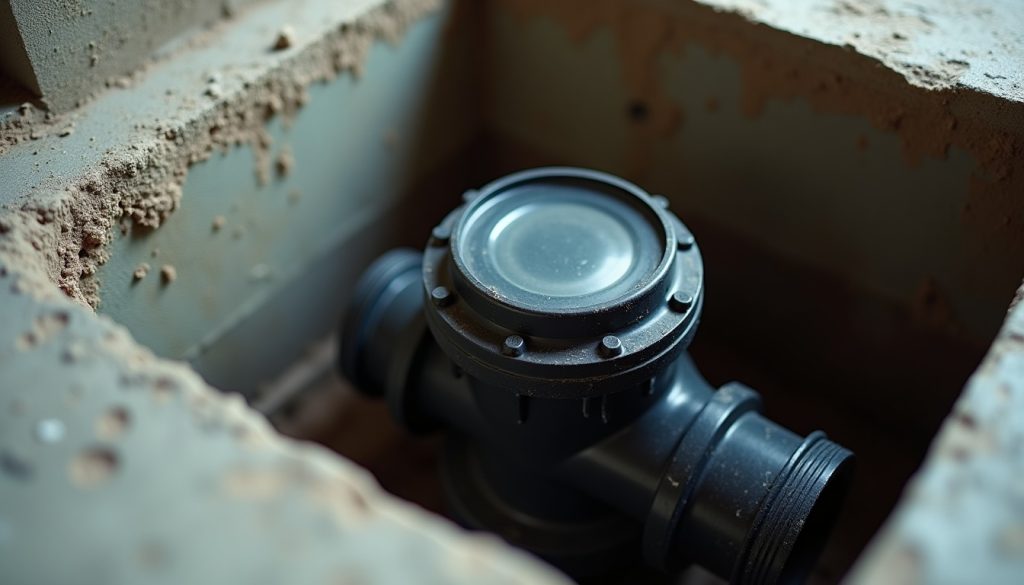
A sewer backwater valve is a one-way flap or gate on your building drain that shuts when the public sewer backs up, and code requires one wherever fixtures sit below the next upstream manhole cover.
Key Takeaways
- The 2024 IRC, Section P3008.1 as published on UpCodes, requires a backwater valve where fixture flood level rims sit below the next upstream manhole cover; IPC 715.1 uses the same test.
- Valves must meet ASME A112.14.1 or CSA B181.1 or B181.2 under the IRC, and ASME A112.14.1 or IAPMO IGC 305 under the California Plumbing Code (UPC based).
- Los Angeles County Public Works estimated about $600 for an installed flap valve and $1,400 for a combination gate and flap valve, in 2011 dollars, including excavation.
- DC Water reimburses 100 percent of installation, up to $6,000 per property, for eligible owners with documented sewer backups.
- Madison, Wisconsin pays 75 percent up to $1,500, and Toronto pays up to C$1,600 per valve for up to two valves.
- Columbus, Ohio requires monthly inspection and cleaning for valves installed through Project Dry Basement; most other cities say at least once a year.
What is a sewer backwater valve and how does it work?
A sewer backwater valve is a one-way valve installed on the building drain or building sewer that lets wastewater leave the house but closes when sewage tries to flow back in. When the public main surcharges during a storm or a blockage, rising water lifts a floating flap or pushes a gate against its seat and seals the pipe before sewage reaches your lowest drain.
The most common residential design is the normally open flap valve. The flap rests open at the bottom of the valve body, so your drains flow freely and the plumbing vents normally. Small floats on the flap lift it as reverse flow fills the valve, and the water pressure from the sewer side holds it shut.
Once the street sewer drains down, the flap drops open again. No power or person is needed.
The valve is one piece of a backup plan. If sewage has already come up a floor drain, start with our guide on what to do when sewage backs up into your home, then come back to prevention.
What are the types of backwater valves?
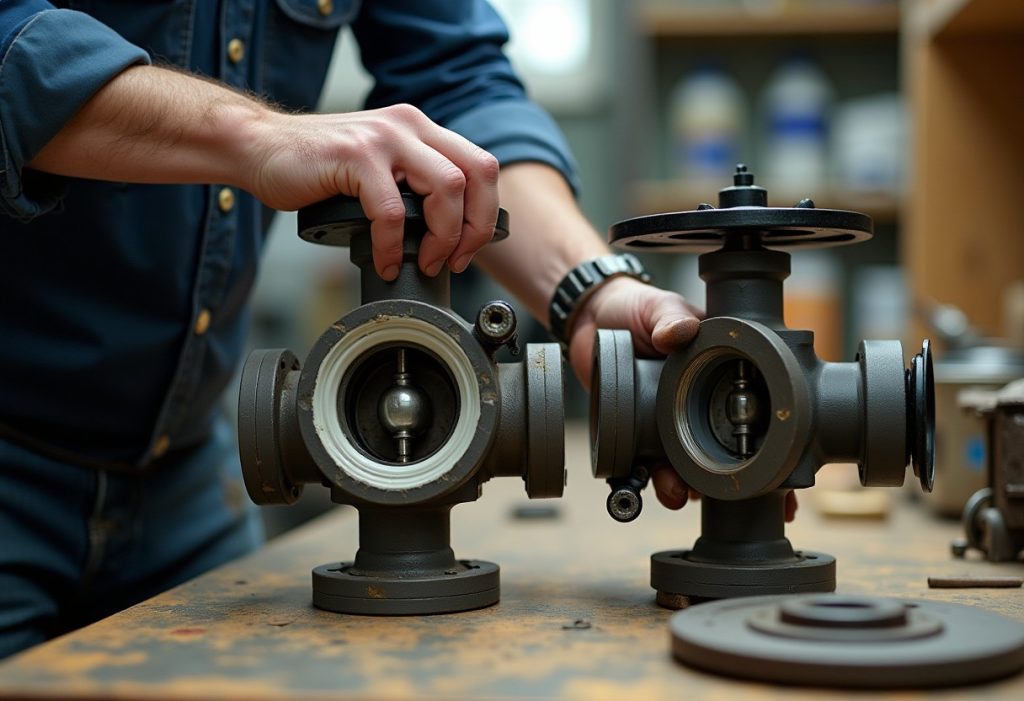
Homes use four main backwater valve types: the normally open full-port flap, the normally closed flap, the manual gate valve, and the combination valve that pairs an automatic flap with a manual gate. Los Angeles County Public Works notes that gate valves seal more tightly but must be closed by hand, while flap valves work automatically with a weaker seal.
| Valve type | How it works | Best for | Maintenance |
|---|---|---|---|
| Normally open full-port flap | Flap rests open; floats lift it shut when sewage flows backward | Whole-house protection on the building drain; the type Toronto’s permit rules name | Open the clear lid, rinse debris from the flap and seat, check floats and lid O-ring, at least yearly |
| Normally closed flap | Flap rests shut; outgoing wastewater pushes it open, then it drops back closed | Existing buildings where already installed; may reduce odor from slow city mains, per Ashley Valley Water and Sewer | Same yearly cleaning; check that the flap swings freely so it does not slow drainage |
| Manual gate valve | A knife gate you crank closed before or during a surge | Owners who get flood warnings and are home to close it | Exercise the gate a few times a year so it does not seize; keep the stem clear |
| Combination flap and gate | Automatic flap plus a manual gate behind it for a tighter seal | Repeat-backup homes and long surcharge events | Clean the flap and exercise the gate; reopen the gate after every event |
| Single-fixture inline valve or floor-drain float plug | Small float or flap inside one drain line or floor drain | Low-cost protection for one floor drain or laundry tub | Pull and rinse the float; it does not protect other fixtures on the line |
The table covers sewage. Devices that protect the drinking water supply from contamination are a separate category, explained in our guide to backflow preventer types.
Backwater valve vs check valve: what is the difference?
Every backwater valve is a type of check valve, but not every check valve is a backwater valve. A check valve is any one-way valve. A backwater valve is a check valve designed and listed for gravity sewer flow, with a full-size passage, a low-flow open position, a cleanout lid, and certification to a sewer valve standard.
The California Plumbing Code, Section 710.6 (based on the UPC), spells out what that means. Valves must comply with ASME A112.14.1 or IAPMO IGC 305, have bodies of cast iron, plastic, copper alloy or another approved material, and use noncorrosive parts, self-aligning discs and positive mechanical seals, according to the code text. They must also stay open during low flows and not restrict capacity at peak loads.
A spring-loaded sump pump check valve does none of that. It can snag solids, has no service lid, and is not listed for a building drain.
When does code require a sewer backwater valve?
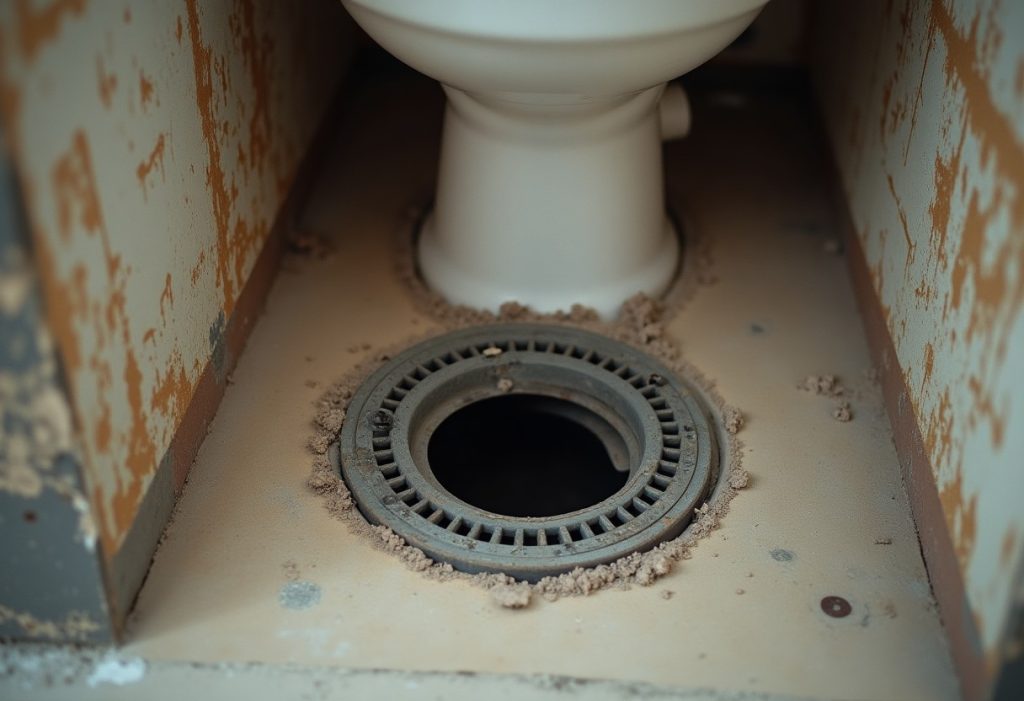
Code requires a sewer backwater valve when any plumbing fixture’s flood level rim sits below the elevation of the manhole cover of the next upstream manhole in the public sewer. The 2024 IRC, the IPC (Section 715.1) and the UPC (Chapter 7) all use that elevation test. In practice, basement floor drains, toilets, showers and laundry tubs are the fixtures that trip it.
The 2024 IRC text on UpCodes, Section P3008.1, reads that where flood level rims “are below the elevation of the manhole cover of the next upstream manhole in the public sewer, the fixtures shall be protected by a backwater valve installed in the building drain, branch of the building drain or horizontal branch drainage serving such fixtures.”
The same IRC section has three more rules worth knowing:
- P3008.2, allowable installations. If fixtures on a higher floor drain through the valve, it must be the normally open type. Normally closed valves remain allowed in existing buildings.
- P3008.3, material. Valves must comply with ASME A112.14.1, CSA B181.1 or CSA B181.2.
- P3008.4, location. The valve must be installed so access is provided to the working parts.
Older IPC language added that fixtures with flood level rims above the upstream manhole cover “shall not discharge through a backwater valve,” and the UPC carries a similar rule. The reason is practical. If the valve closes, upstairs fixtures would otherwise empty into the basement. Local amendments vary, so confirm the edition your city enforces before you design the layout.
To check your own house, compare the elevation of your lowest drain with the cover of the nearest manhole uphill on your street sewer. Your city’s sewer maps or permit office can usually give the manhole rim elevation.
Where should a backwater valve be installed: whole house or below-grade fixtures only?
Install the backwater valve on the building drain inside the foundation for whole-house protection, or on a branch that serves only the below-grade fixtures when upper floors must bypass it. The branch layout is the textbook code answer, while the whole-house normally open valve is what most cities fund and what Toronto’s permit rules describe.
Toronto’s permit guidance allows “a fullport (normally open) backwater valve conforming to the appropriate CSA standard” in a building drain that serves only one occupancy. That single-valve setup protects every fixture, but the whole house loses its drain when the flap is shut.
The branch layout protects only the basement, while upstairs fixtures keep draining through a separate line. It costs more because the drains must be separated below the slab.
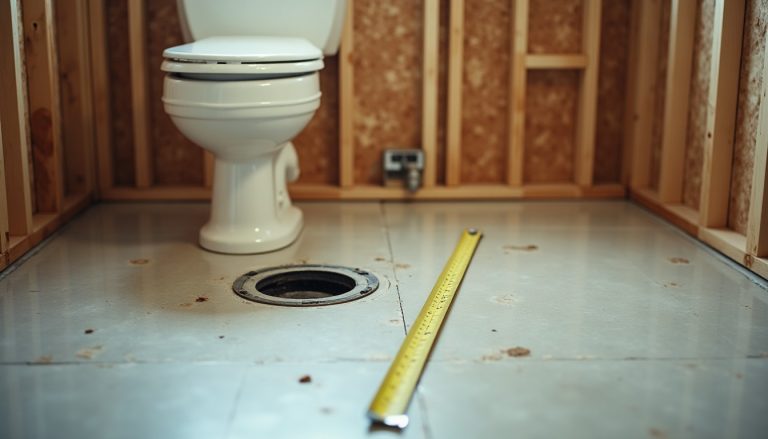
Either way, the valve usually sits a few feet downstream of the main sewer line cleanout, so a plumber can still clear the line without fighting the flap. If you are adding a basement bathroom, this is the moment to plan the valve, because the slab is already open and the new fixtures are the ones most likely to trigger the code requirement.
- Confirm the lowest fixture elevation against the upstream manhole cover.
- Pull the permit; DC Water, for example, requires a permit and a DC-licensed master plumber before it pays a rebate.
- Cut the slab, set a listed valve level and in the flow direction marked on the body.
- Build an access box or pit with a removable cover so the lid stays reachable.
- Test the flap, pass inspection, and label the cover.
How much does a sewer backwater valve cost, and which cities pay rebates?
A sewer backwater valve usually costs a few hundred dollars for the valve and far more installed, because most of the bill is cutting concrete, digging to the drain and patching it back. Los Angeles County Public Works estimated about $600 for an installed flap valve and $1,400 for a combination valve in 2011, and several cities now cover most or all of it.
The Los Angeles County figures come from a 2011 flood mitigation fact sheet that cites FEMA 348. Labor and concrete costs have climbed since, so treat them as a floor, not a quote.
Canadian amounts are shown in Canadian dollars and are not converted. Each program sets its own rules:
- DC Water: 100 percent of installation, up to $6,000 per property, for owners with documented backups from the July 1, 2012 or September 10, 2020 storms.
- Madison, Wisconsin: 75 percent up to $1,500 for one- and two-unit homes built more than five years ago without an existing valve, prioritized by backup history.
- Toronto: up to C$1,600 per backwater valve for up to two devices, within a C$6,650 property maximum, for work done on or after November 12, 2025.
- Strathcona County, Alberta: up to 50 percent of supply and installation, to a C$1,200 maximum.
- Columbus, Ohio: Project Dry Basement covers an approved device for single and two-family homes that have had wet-weather or blockage backups.
Before you book a plumber, call your sewer utility. Many programs refuse reimbursement for work done before approval.
How do you maintain a backwater valve?
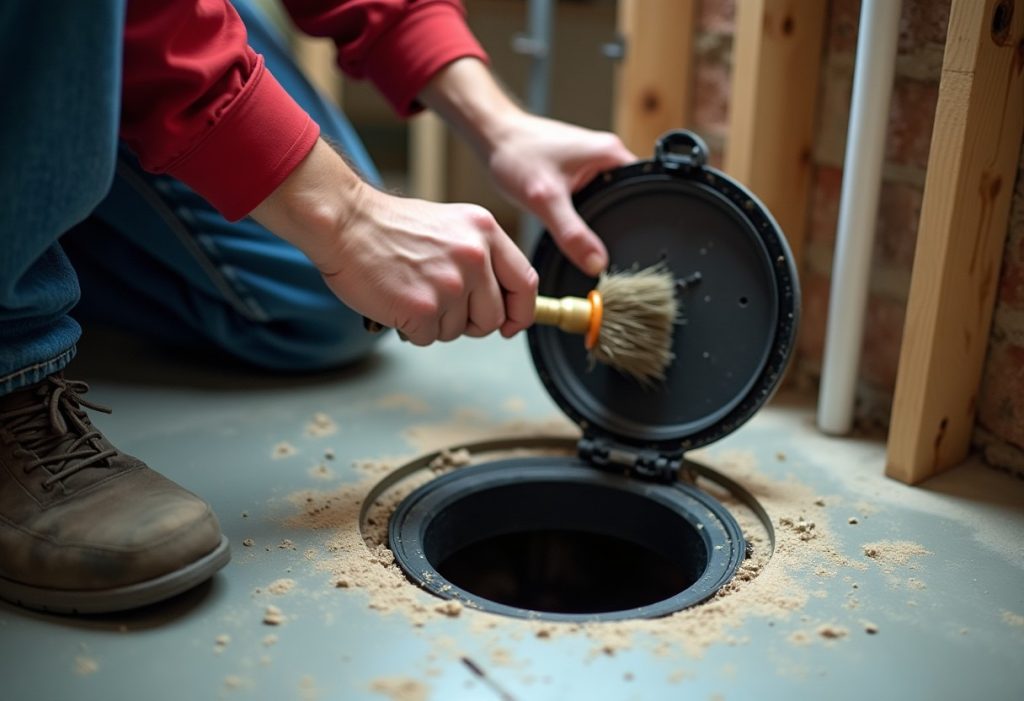
Maintain a backwater valve by opening the access lid, flushing debris from the flap and seat, checking that the flap and its floats move freely, and inspecting the lid O-ring before resealing. Most cities say at least once a year; Columbus asks Project Dry Basement owners to inspect and clean monthly.
- On a dry day, stop water use in the house and put on rubber gloves and eye protection.
- Remove the clear or bolted lid and look for grease, wipes, hair or grit on the flap and seat.
- Rinse and scrub the flap with a long brush; Strathcona County tells owners to “flush, clean and exercise the valve.”
- Lift the flap by hand and let it drop to confirm it moves freely, and check that both floats are intact, as Mountain Home, Arkansas advises.
- Inspect the lid O-ring; Columbus also calls for silicone grease to keep it from drying out.
- Reseal the lid and watch for leaks.
Keep the access cover clear. Strathcona County warns against covering the valve with carpet or permanent flooring, and the IRC requires access to the working parts. Toronto also suggests an alarm that sounds when the valve closes, so you know to stop using water.
What does a sewer backwater valve not prevent?
A sewer backwater valve stops only sewage flowing backward from the public sewer through your drain pipes. It does not stop groundwater seeping through walls, overland flooding, a clog in your own pipes, or your own wastewater backing up while the flap is closed. Each of those needs a different fix.
- Your own water during a surge. Toronto warns that while the valve is closed, toilets, sinks, dishwashers and washing machines “will back-up into your home.” The valve traps your discharge in the house.
- Groundwater and seepage. Water through cracks, the slab joint or window wells is a sump pump and grading problem. Toronto funds sump pumps as a separate line item for that reason.
- Clogs in your lateral. Roots, grease or a collapsed pipe between your house and the main block your outgoing flow. The valve cannot help; a plumber has to clear the line.
- Fixtures it does not serve. A branch valve protects only the drains on that branch. Mountain Home notes that foundation drains or downspouts tied into the sanitary sewer must be fixed separately.
How we sourced this
We reviewed the 2024 IRC Section P3008 text as published on UpCodes, IPC 715.1 language as quoted in municipal and code-forum documents, and California Plumbing Code Section 710.6 (UPC based). Cost figures come from a Los Angeles County Public Works fact sheet dated April 2011 that cites FEMA 348; we did not adjust them for inflation. Rebate amounts come directly from DC Water, the City of Madison, the City of Toronto and Strathcona County program pages, read in October 2026. Maintenance guidance comes from the cities of Columbus, Mountain Home and Strathcona County. Contractor cost pages we could not verify were excluded. Program terms change, so confirm with your utility.
Frequently asked questions
Do I need a backwater valve?
You likely need one if any drain in your home, such as a basement floor drain, toilet or laundry tub, sits lower than the cover of the next manhole upstream on your street sewer. The IPC, IRC and UPC all use that elevation test. A history of sewer backups, a combined sewer in your area, or a city permit condition are other strong reasons to install one.
What is the difference between a backwater valve and a check valve?
A check valve is any one-way valve, and many are built for pressurized lines such as a sump pump discharge. A backwater valve is a check valve built for gravity sewer flow. It stays open at low flow, has a full-size passage so solids pass, carries an access lid for cleaning, and is tested to ASME A112.14.1 or a CSA B181 standard.
How much does it cost to install a backwater valve?
A Los Angeles County Public Works fact sheet put a plumber-installed flap valve at about $600 and a combination gate and flap valve at about $1,400, including excavation and backfill, in 2011 dollars. Expect more today, especially when a slab must be cut. DC Water reimburses eligible owners up to $6,000, a sign of what full retrofits can reach in older cities.
How often should a backwater valve be cleaned?
Most city guidance says at least once a year. Mountain Home, Arkansas tells owners to check annually for debris and free movement, and Strathcona County, Alberta says to flush, clean and exercise the valve at least yearly. Columbus, Ohio goes further and asks Project Dry Basement participants to inspect and clean monthly. Follow your manufacturer’s instructions first.
Can I flush the toilet when the backwater valve is closed?
No. A closed valve blocks your own wastewater from leaving the house too. The City of Toronto warns that water used in toilets, sinks, dishwashers and washing machines while the valve is shut will back up into your home. During a storm surge, hold off on laundry, showers and dishwashing until the sewer drops and the flap reopens.
Where is my backwater valve located?
In most homes it sits in the basement floor near where the main drain leaves the building, under a round or square access cover set flush with the slab. Some are in an outdoor pit near the foundation. Look near the main sewer cleanout, under the stairs, or in the utility room. Code requires access to the working parts, so it should not be buried.
Can a backwater valve fail?
Yes. Grease, wipes, hair or a lost float can hold the flap open or stop it seating, and a dried or cracked lid O-ring can leak. Code treats the valve as a mechanical device that needs service access for this reason. A valve nobody has opened in years is the one most likely to fail when a storm finally tests it.
Does a backwater valve stop basement flooding from groundwater?
No. A backwater valve only stops sewage flowing backward through your drain pipes from the public sewer. Water that seeps through foundation walls, rises through the slab, or pours in from overland flooding needs a sump pump, grading, sealed window wells or a foundation drain. Toronto’s subsidy program funds sump pumps separately for that reason.