PVC vs ABS Pipe: Which Drain Pipe Should You Use?
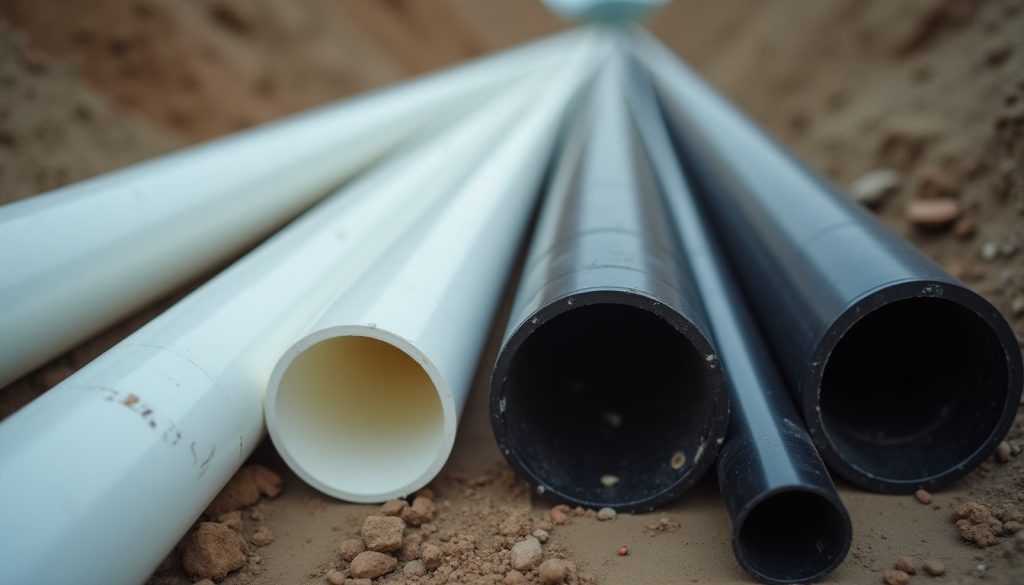
PVC and ABS pipe do the same drain, waste, and vent job, so the choice usually comes down to local code: PVC is white and needs primer, ABS is black and does not.
Key Takeaways
- PVC DWV pipe is white and made to ASTM D2665; ABS DWV pipe is black and made to ASTM D2661.
- PVC needs a two-step joint (primer, then solvent cement per ASTM D2564); ABS joins in one step with cement only and no primer.
- Both PVC and ABS DWV pipe are rated for non-pressure use up to 140F, per Charlotte Pipe specifications.
- ABS keeps more impact resistance in cold weather; PVC is generally quieter and dampens draining water noise better.
- You cannot glue PVC to ABS with standard cement; use a mechanical transition coupling or a listed ABS-to-PVC cement made to ASTM D3138.
- Many jurisdictions allow only one of the two for DWV work, so local code, not preference, often makes the call (IPC/UPC).
Is PVC or ABS pipe better for drain, waste, and vent lines?
Neither is universally better. Both PVC and ABS are code-recognized plastics for drain, waste, and vent (DWV) lines, and they perform the same core job of carrying wastewater and venting the system. The deciding factors are what your local code allows, the color and joining method you prefer, and whether cold-weather impact resistance or noise control matters more on your project.
If you are still mapping out which materials go where in a house, our overview of the types of plumbing pipes covers supply and drain lines together, and our sewer pipe materials guide handles the buried line out to the main.
What is PVC pipe?
PVC (polyvinyl chloride) is a rigid white plastic pipe used widely for drain, waste, and vent lines, and in other schedules for cold water and irrigation. In DWV form it is made to ASTM D2665 and joined with a two-step solvent weld: purple primer to prep the surface, then PVC cement per ASTM D2564. It is the most commonly stocked drain plastic across much of the United States.
PVC also comes in pressure-rated grades (Schedule 40 and 80) for cold water supply, which is a different application from drain work. For the full schedule and sizing breakdown, see our guide to PVC pipe schedules and sizes.
What is ABS pipe?
ABS (acrylonitrile butadiene styrene) is a rigid black plastic pipe used almost entirely for drain, waste, and vent lines. It is made to ASTM D2661 and joins in a single step: one application of ABS cement with no separate primer, which makes assembly faster. Its standout trait is toughness in cold, so it resists cracking on freezing job sites and under rough handling.
ABS is the traditional drain plastic in many colder and western regions, while other areas standardized on PVC decades ago. That regional split is why the material you see in an existing home often reflects local code history more than performance.
PVC vs ABS pipe: how do they compare head-to-head?
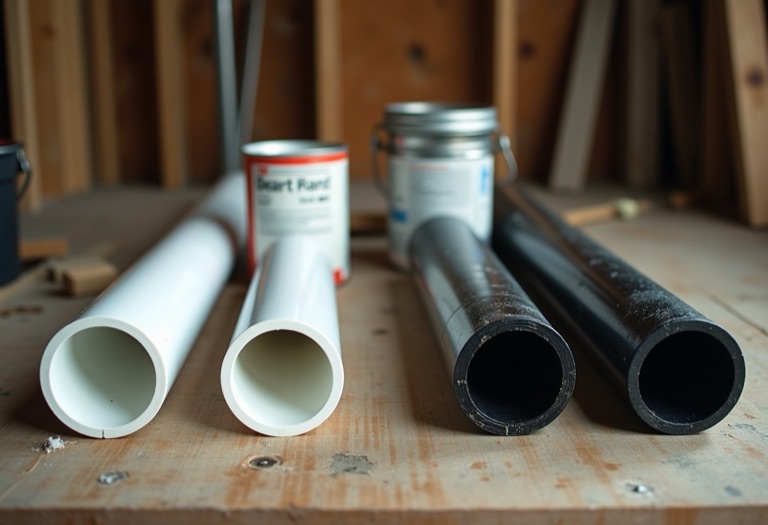
Across the traits that matter for a drain line, PVC wins on noise control and wide availability, while ABS wins on cold-weather impact resistance and one-step assembly. On temperature rating and code standing the two are effectively tied. The table below lays out each factor side by side.
| Factor | PVC | ABS |
|---|---|---|
| Color | White (DWV grade) | Black |
| Joining method | Solvent weld, two-step | Solvent weld, one-step |
| Primer needed | Yes, primer then cement (ASTM D2564) | No, cement only |
| ASTM DWV standard | D2665 | D2661 |
| Max operating temp (non-pressure) | 140F (Charlotte Pipe) | 140F (Charlotte Pipe) |
| Cold and impact resistance | More brittle when cold | Keeps impact strength in cold |
| Noise from draining water | Quieter, dampens sound better | Transmits more noise |
| Sunlight and outdoor use | Degrades under UV, paint to protect | Degrades and can deform under sustained sun |
| Cost and availability | Often slightly cheaper, widely stocked | Competitive where it is the standard |
Which handles temperature, cold, and impact better?
On temperature, they tie: both PVC and ABS DWV pipe are rated for non-pressure use up to 140F, per Charlotte Pipe. That covers hot dishwater and laundry discharge. Neither is made for pressurized hot water; that job goes to CPVC, rated near 200F, which is why hot water supply uses a different plastic entirely.
The real split is cold and impact. ABS keeps more of its impact strength at low temperatures, so it resists cracking when handled on a freezing job site. PVC grows more brittle as it cools. In warm indoor conditions both are plenty tough, so this matters most for exposed or cold-region installs. Before settling on plastic for that cold run, weigh how cast iron compares to pvc on noise and fire safety too. For material decisions that extend beyond drain lines, choosing between PEX and PVC covers supply-line questions, and once you’ve picked your plastic, gluing PVC joints properly is worth reviewing.
Is PVC or ABS quieter, and which holds up outdoors?
PVC is generally quieter. It transmits less of the sound of draining water than ABS, which is one reason many builders route PVC stacks through finished living space. The gap is modest and can be closed on either material by wrapping or insulating the pipe where it passes behind walls.
Outdoors, both degrade under prolonged UV. Manufacturers advise coating exposed DWV pipe with a light-colored latex or acrylic paint that is compatible with the plastic. ABS can also soften or deform under sustained direct sun and heat, so long outdoor runs of either material need protection or a different pipe choice.
Which does the plumbing code allow, PVC or ABS?
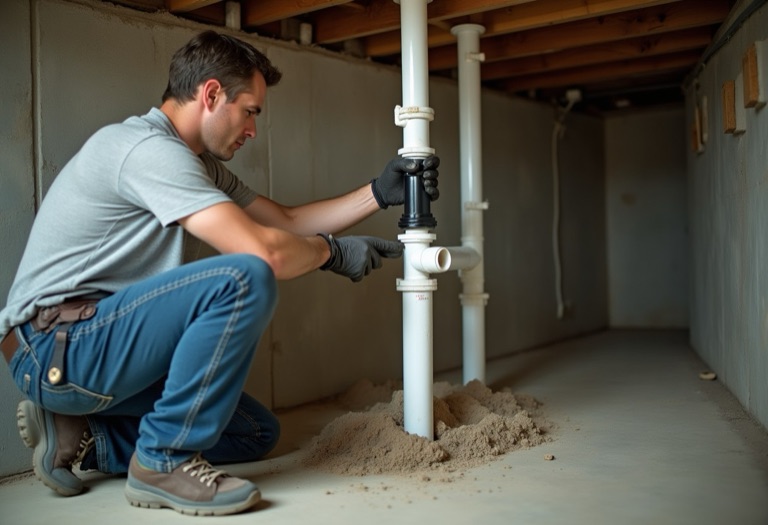
Both PVC (D2665) and ABS (D2661) are listed as acceptable DWV materials in the International Plumbing Code and the Uniform Plumbing Code, but adoption is local. Many jurisdictions allow only one of the two for new drain work, and some restrict material by application. Confirm what your city or county accepts before you buy, because using a disallowed material can fail inspection.
Fittings must match the pipe material and standard, so an ABS system uses ABS fittings and a PVC system uses PVC fittings. Our guide to plumbing fittings by material covers how elbows, tees, and couplings are keyed to each pipe type.
When should you use PVC vs ABS?
Use whichever your local code accepts first; that often settles it. If both are allowed, lean PVC when noise control inside living space matters or when it is cheaper and better stocked near you. Lean ABS when you want faster one-step joints or you are working in cold conditions where impact resistance counts.
For most homeowners doing a small repair, the practical move is to match the existing drain material in the house so fittings and cement stay consistent. Mixing materials introduces the transition-joint issue covered next.
Can you join PVC and ABS pipe together?
Not with ordinary cement. PVC cement and ABS cement are chemically incompatible, so a glued cross-material joint looks finished but has almost no real bond and can pull apart or leak. This is one of the most common DIY drain mistakes, and it often passes a visual check before it fails.
The correct fixes are two. Use an approved mechanical transition coupling, a rubber shielded coupling with a stainless band that clamps the two pipes together, or use a listed ABS-to-PVC transition cement formulated to ASTM D3138. Many inspectors prefer the mechanical coupling, and some jurisdictions require it, so confirm local code before choosing.
How we sourced this
Material standards (ASTM D2665 for PVC DWV, D2661 for ABS DWV, D2564 for PVC solvent cement, and D3138 for ABS-to-PVC transition cement) come from ASTM specification listings. The shared 140F non-pressure operating limit and the one-step versus two-step joining detail come from Charlotte Pipe manufacturer specifications. Code acceptance is drawn from International Plumbing Code and Uniform Plumbing Code material tables via UpCodes; because adoption is local, we describe acceptance as jurisdiction-dependent rather than fixed. Cost and noise are reported as general market and installation tendencies, not fixed figures, since both vary by region and install. Retailer and contractor blog posts were read for context but not cited as figures.
Frequently asked questions
Is PVC or ABS pipe better for drain lines?
Neither is universally better; the right choice usually comes down to local code. PVC is white, joins with primer and cement, and dampens water noise better. ABS is black, joins in one step with no primer, and keeps its impact resistance in cold weather. Many jurisdictions allow only one of the two for drain, waste, and vent work.
Can you join PVC and ABS pipe together?
Not with standard PVC or ABS cement. The two solvent cements are chemically incompatible, so a glued cross-material joint looks solid but has almost no bond and can fail. Use an approved mechanical transition coupling (a rubber shielded coupling) or a listed ABS-to-PVC transition cement made to ASTM D3138, and confirm your local code accepts it.
Does PVC or ABS need primer?
PVC needs primer before cement; ABS does not. PVC joints use a two-step process: purple primer to soften the surface, then solvent cement per ASTM D2564. ABS uses a one-step cement with no separate primer, which is why ABS assembly is faster. Skipping primer on PVC where code requires it can fail inspection.
Is PVC or ABS pipe quieter?
PVC generally transmits less water noise than ABS, which is one reason many builders prefer PVC for drain stacks inside finished living space. ABS tends to carry more sound of draining water through walls. The difference is modest and can be reduced on either material by insulating or wrapping the pipe where it runs behind walls.
What temperature can PVC and ABS pipe handle?
Both PVC and ABS DWV pipe are rated for non-pressure use up to 140F, according to Charlotte Pipe specifications. That covers normal household drain water, including hot dishwater and laundry discharge. Neither DWV plastic is made for continuous pressurized hot water; CPVC, rated to about 200F, is the plastic used for hot water supply lines.
Which is better in cold weather, PVC or ABS?
ABS holds up better in cold. It keeps more of its impact strength at low temperatures, so it resists cracking on freezing job sites and under rough handling. PVC becomes more brittle as temperatures drop. This is a main reason ABS is common in colder regions, though local code still decides which material you can install.
Is PVC or ABS cheaper?
Pricing is close and shifts by region and availability. PVC is often slightly cheaper per foot and is stocked more widely across much of the United States, though the primer it requires adds a small material cost. ABS can price competitively in areas where it is the standard drain material. Always compare local supplier pricing rather than assuming one always wins.
Can PVC and ABS be used outdoors in sunlight?
Both degrade under prolonged UV exposure and should be protected if left in direct sun. Manufacturers advise coating exposed DWV pipe with a light-colored latex or acrylic paint that is chemically compatible with the plastic. ABS can also soften or deform under sustained sun and heat. For buried or enclosed runs, UV is not a concern for either material.


