What Is PEX? The Plastic Pipe in Most New Homes, Explained
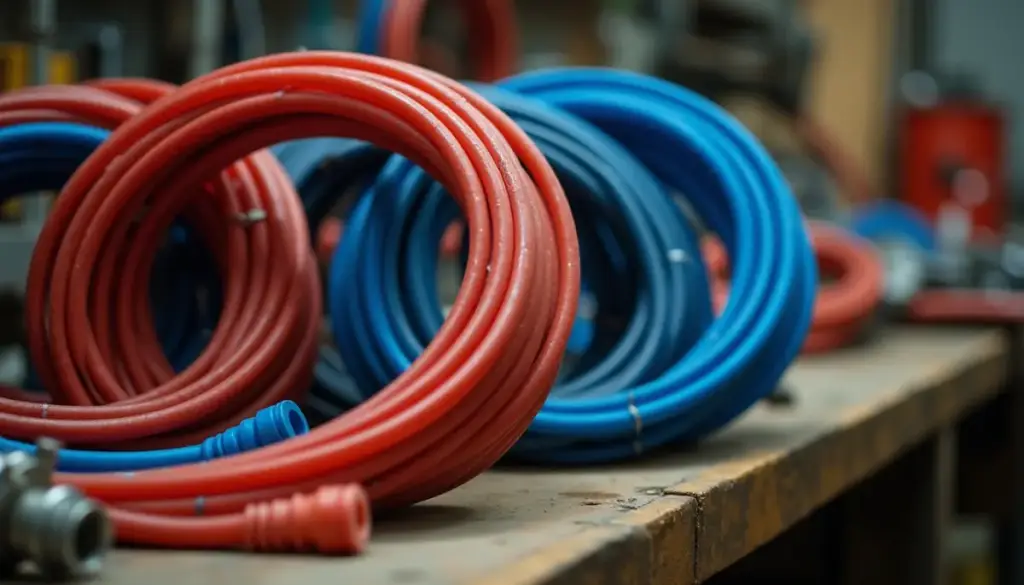
What is PEX? PEX is cross-linked polyethylene, a flexible plastic pipe that has become the most-installed water line in new US homes, used in roughly 60 percent of new construction. It carries hot and cold drinking water, feeds radiant floor heat, and snakes through walls with far fewer joints than copper. It comes in three types (PEX-A, PEX-B, PEX-C) and connects without solder, glue, or open flame. Before choosing between PEX types, it helps to see how these connectors fit into the broader house plumbing layout of supply and drain lines. Our guide to common pex pipe problems explains how to avoid the installation mistakes that cause most failures. Choosing between crimp and expansion fittings often comes down to pex a versus pex b differences. Tracking which fitting method you use also matters outdoors, so check the rules on burying PEX lines before running pipe underground burying pex outdoors.
What PEX actually is
PEX is polyethylene plastic whose molecular chains have been linked together (cross-linked) so the material holds its shape under heat and pressure that would soften ordinary plastic. The cross-linking process was developed in Europe in the late 1960s and now has roughly a 50-year field record. The result is a tubing that flexes like a garden hose but handles 200-plus degree water at typical household pressure.
That flexibility is the whole point. A single coil of PEX can run from a manifold to a fixture with no elbows or couplings in between, so there are fewer joints to leak. Over the past two decades PEX has overtaken copper and CPVC combined as the top pipe for residential new construction, mostly because it costs less than half of copper and installs far faster.
PEX-A vs PEX-B vs PEX-C
The letter after PEX is the manufacturing method, not a quality grade. PEX-A uses the peroxide (Engel) method and is the most flexible. PEX-B uses the silane (moisture-cure) method and is the most common and cheapest. PEX-C uses electron-beam irradiation and is the least common. All three are certified for drinking water; they differ in flexibility, freeze behavior, price, and which fittings they accept.
| Feature | PEX-A | PEX-B | PEX-C |
|---|---|---|---|
| Method | Peroxide (Engel) | Silane (moisture cure) | Electron-beam irradiation |
| Flexibility | Highest, tightest bends | Moderate, stiffer | Moderate to low |
| Kink repair | Yes, with a heat gun | No, cut out the section | No, cut out the section |
| Freeze resistance | Best, expands most before bursting | Good | Good |
| Chlorine and UV | Good | Slightly better | Good |
| Fittings | Expansion, crimp, cinch, push-fit | Crimp, cinch, push-fit, some expansion | Crimp, cinch, push-fit |
| Relative cost | Highest | Lowest | Low to mid |
| Market share | Growing | Over half of all jobs | Small |
For most homeowners the practical read is simple. PEX-A is the premium choice for cold climates and DIY expansion systems because it recovers from kinks and gives the most freeze margin. PEX-B is what the majority of plumbers buy for standard repipes because it costs less and crimps with cheaper tools. PEX-C is a budget option you will see less often on the shelf.
Where PEX is used
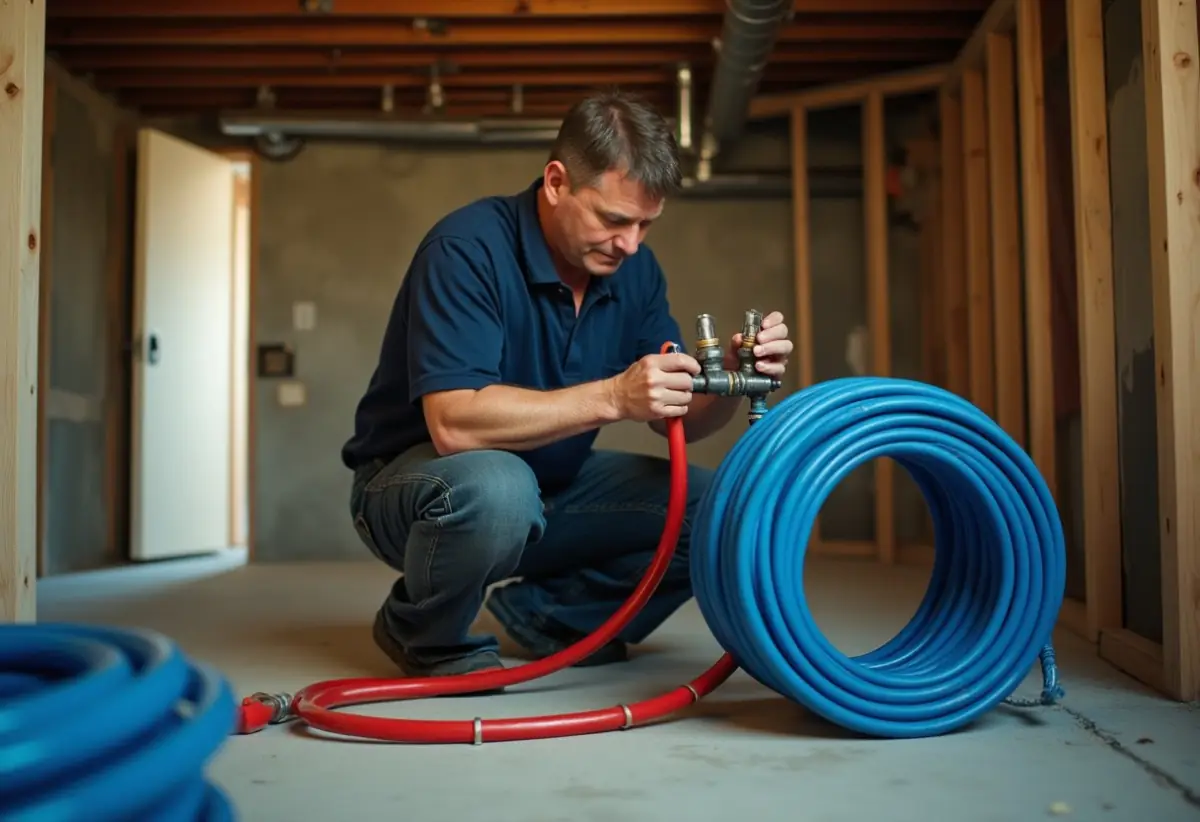
PEX is a water and heat pipe, not a drain pipe. Its main jobs are hot and cold potable water distribution inside the home, underground municipal water service lines, hydronic radiant floor heating, and snow or ice melt systems. It is approved by every major plumbing and mechanical code for these uses. It is not used for drain, waste, or vent lines, which stay PVC or ABS.
- Hot and cold supply lines to sinks, showers, toilets, and appliances
- Whole-home repipes replacing failing copper, galvanized, or polybutylene
- Radiant floor heat, usually oxygen-barrier PEX to protect the boiler and pump
- Buried water service from the meter to the house
- Snow-melt and ice-melt tubing under driveways and walks
One hard limit: PEX cannot run in direct sunlight, because UV light breaks down the polymer within months. It also cannot connect straight to a water heater. Code in many areas requires an 18-inch copper or approved metal stub off the tank before the PEX begins, which is one of the details covered in our guide to water heater code requirements.
How PEX connects: crimp, cinch, expansion, and push-fit
PEX joins with mechanical fittings instead of solder or glue, which is why a homeowner can learn it in an afternoon. There are four common systems: copper-ring crimp, stainless cinch (clamp), cold expansion, and push-to-connect. Each has its own tool, cost, and best use. The type of PEX you buy narrows which methods are available, since expansion needs PEX-A (or expansion-rated PEX-B).
| Method | How it works | Tool and standard | Best for |
|---|---|---|---|
| Crimp | Copper ring compressed over a barbed fitting | Crimp tool plus go/no-go gauge (ASTM F1807) | Lowest-cost permanent joints, PEX-B and C |
| Cinch (clamp) | Stainless ring pinched shut over a barbed fitting | Ratchet cinch tool (ASTM F2098) | Tight spaces, one tool for all sizes |
| Expansion | Tubing stretched, fitting inserted, tubing shrinks around it | Expansion tool (ASTM F1960) | PEX-A, highest flow, cold-weather work |
| Push-fit | Pipe pushed into a fitting with internal grip and O-ring | No tool (SharkBite and similar) | Quick repairs, PEX-to-copper transitions |
Crimp and cinch are the workhorses for everyday PEX-B jobs and cost the least to tool up. Expansion is the pro and cold-climate favorite because the stretched tubing grips tight and leaves the fullest bore for water flow, but the tool is pricier and the pipe must be PEX-A. Push-fit costs the most per fitting and is best kept for fast repairs and transitions rather than an entire house.
To pick a method, work top down:
- Match the method to your pipe. PEX-A can use any of the four; PEX-B and C skip standard expansion.
- Weigh the tool cost against the job size. Crimp or cinch pays off on a whole repipe; push-fit is fine for a single fix.
- Consider the climate. Expansion is the most freeze-forgiving joint and the reason many northern plumbers run PEX-A.
- Plan your transitions. Use push-fit or threaded adapters where PEX meets copper, valves, or the water heater stub.
Is PEX safe, or is it bad?
PEX is certified safe for drinking water, and the honest answer to the “is PEX bad” question is that the regulatory evidence favors it while a smaller body of research urges caution. PEX sold in the US carries NSF/ANSI 61 and 14 certification, is approved by the EPA and every major plumbing code, and is made without lead. Millions of homes run it daily.
The concern that fuels the debate is leaching. Independent studies have detected dozens of compounds migrating from some PEX into water, with one widely cited study finding more than 60 chemicals, a few flagged as toxic though not carcinogenic. Two things put that in context. First, results vary widely by brand, and NSF/ANSI 61 testing exists specifically to cap contaminant migration below health thresholds. Second, the most common real-world complaint is not toxicity but a faint plastic taste or odor in new tubing, which fades within days to a few weeks of use. New installers who notice that early taste or odor often wonder how PEX stacks up against rigid alternative for supply lines before committing to a repipe. That comparison of flexible and rigid materials is worth a look before weighing pex vs pvc for supply lines on the next job. Pipe identification matters too, so brush up on spotting old kitec plumbing before assuming every flexible line in an older home is PEX.
The lead question is separate and settled: PEX itself contains no lead, and US law limits lead in the brass fittings it connects to under the 0.25 percent “lead-free” rule, detailed in our page on lead-free plumbing requirements. If you want to be conservative, flush new lines before drinking, run the tap after long idle periods, and add a point-of-use filter, the same steps recommended for any plumbing material.
The real disadvantages of PEX
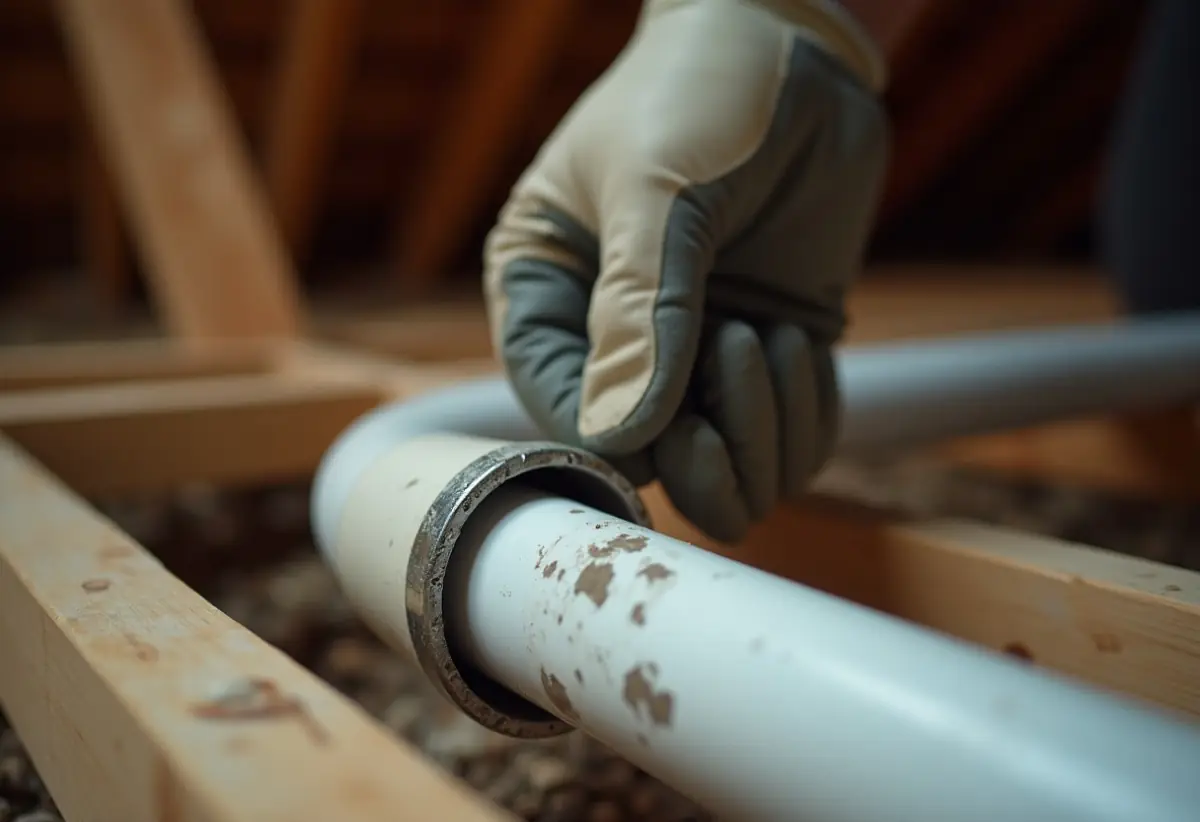
PEX is not perfect, and knowing its limits keeps you out of trouble. It degrades in sunlight, so every exposed run must be indoors, buried, or sleeved. It cannot touch a water heater directly, needs a metal stub first, and rodents can chew through it in an attic or crawl space. It is also hard to recycle and cannot be reused once a crimp ring is set.
- No UV exposure: sunlight breaks it down within months
- Not heat-heater rated: requires an 18-inch copper or metal transition off the tank
- Chewable: rodents can gnaw through it where copper stops them
- Taste when new: a brief plastic odor that flushing clears
- Recycling: harder to recycle than copper, with no scrap value
None of these are dealbreakers for indoor supply plumbing, which is why PEX keeps taking share. If you are weighing it against metal for a repipe, we run the full head-to-head, including cost, lifespan, and where each pipe wins, on our PEX vs copper compared page, and we break the numbers down by home size in our guide to the cost to repipe a house.
The bottom line
PEX is cross-linked polyethylene: a flexible, code-approved, drinking-water-safe pipe that now carries the water in most new US homes. Choose PEX-A for freeze margin and kink recovery, PEX-B for the cheapest reliable repipe, and match your fittings (crimp, cinch, expansion, or push-fit) to the pipe you buy. Keep it out of sunlight and off the water heater, flush new lines, and it will run 40 to 50 years.
Frequently asked questions
Is PEX safe for drinking water?
Yes, PEX certified to NSF/ANSI 61 and 14 is approved for potable water by every major US plumbing code, the EPA, and NSF. It is made without lead and installed without solvent glue. New tubing can leach a faint plastic taste for a few weeks, which flushing clears. Run the tap after long idle periods and the water tests safe.
What is the difference between PEX-A and PEX-B?
PEX-A is made by the peroxide (Engel) method and is the most flexible, kink-repairable with a heat gun, and best in a freeze. PEX-B is made by the silane (moisture-cure) method, is stiffer and cheaper, and resists chlorine and UV slightly better. Both are certified for potable water; PEX-A costs more and needs expansion fittings, PEX-B usually crimps.
What are the disadvantages of PEX?
PEX cannot run in direct sunlight because UV degrades it, so it stays indoors or buried. It cannot connect directly to a water heater and needs an 18-inch copper or metal stub first. Rodents can chew it, it is hard to recycle, and new tubing gives a brief plastic taste. It also cannot be reused once a fitting is crimped on.
How long does PEX last?
PEX has an expected service life of about 40 to 50 years when installed correctly, kept out of sunlight, and run within rated temperature and pressure. Most manufacturers back it with a 20 to 25 year warranty. In acidic or high-chlorine water, PEX often outlasts copper, which can develop pinhole leaks in 15 to 25 years.
Can PEX be used outside or underground?
PEX can be buried underground and is used for municipal water service lines, but it cannot run in direct sunlight because UV breaks down the polymer within months. For outdoor runs, bury it below the frost line or sleeve exposed sections in conduit. Check your local code, since some areas restrict PEX for certain outdoor or service-line uses.
Last reviewed: August 2026.