Sump Pump Smell: Causes and Fixes by Odor Type
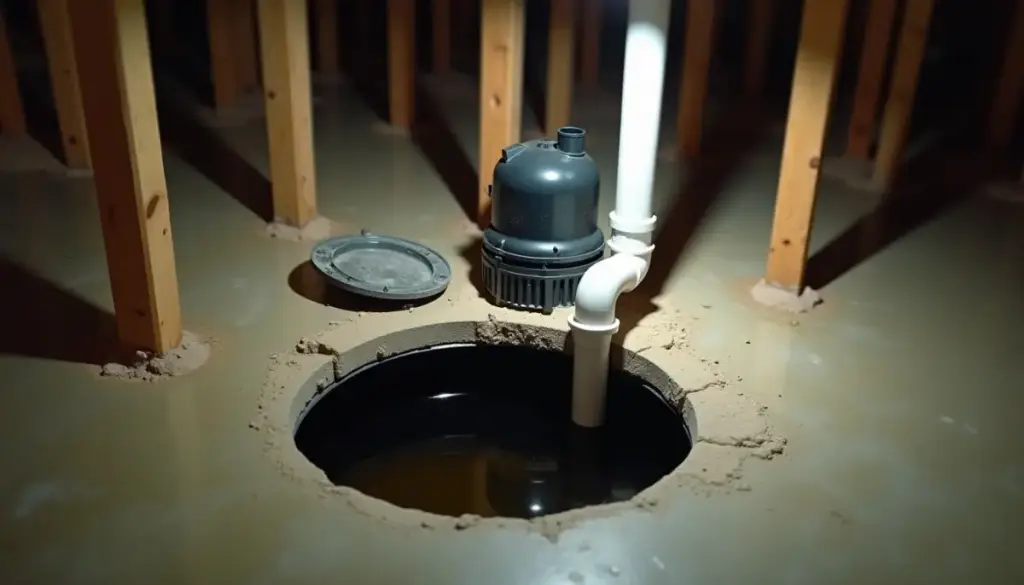
A sump pump smell usually comes from the pit, not the pump: rotten egg means bacteria in stale water, sewage means a sewer leak or dry floor-drain trap, musty means mold, and gasoline means leave the house.
Key Takeaways
- The rotten-egg smell is hydrogen sulfide, which ATSDR says people can smell at 0.0005 to 0.3 ppm, long before it reaches harmful levels.
- ATSDR warns that at about 100 ppm the nose stops working after 2 to 15 minutes, so a smell that suddenly fades is not proof the air is clean.
- Zoeller’s M53 shuts off at 3 inches of water, so that stale layer stays in the pit, and it is where rotten-egg odor starts.
- Zoeller describes a sewage pump basin as sealed and vented and a sump pit as open, so a bolted, vented lid means you have an ejector.
- A gasketed sump lid also helps radon control, and EPA recommends fixing a home that tests at 4 pCi/L or more.
What does each sump pump smell mean?
Each sump pump smell points to a different source: rotten egg means hydrogen sulfide from bacteria in stale pit water, sewage means waste is reaching the pit or a nearby trap is dry, musty means mold on damp surfaces, and gasoline or natural gas means a fuel leak. Match the odor to the row below, run the test, then apply the fix.
| Smell | Likely cause | Test | Fix |
|---|---|---|---|
| Rotten egg, sulfur | Hydrogen sulfide from bacteria in still water and sludge | Strongest at the open pit; slimy water | Clean pit and pump, cycle fresh water, fit a lid |
| Raw sewage, poop | Cracked sewer line near the drain tile or a dry floor-drain trap | Toilet dye test; refill the floor drain | Refill traps; plumber with a sewer camera if dye shows up |
| Soapy sour, “dirty laundry” | Washer water draining into the pit, leaving detergent film | Run the washer and watch the pit fill | Reroute laundry to the sanitary drain; scrub the film |
| Musty, earthy | Mold on the pit rim, lid or nearby walls | Visible growth; hygrometer reading | Clean, seal the lid, run a dehumidifier |
| Gasoline, solvent, heating oil | Fuel spill or leaking tank reaching groundwater | No test indoors | Leave; call 911 or the fire department from outside |
| Rotten egg near gas appliances | Natural gas leak (utilities add a sulfur-smelling odorant) | No test indoors | Leave; call the gas utility or 911 from outside |
| Burning plastic, hot electrical | Motor overheating on a jammed impeller or stuck switch | Pump runs but moves no water | Unplug, clear the intake, replace if it trips again |
Why does my sump pump smell like rotten eggs?
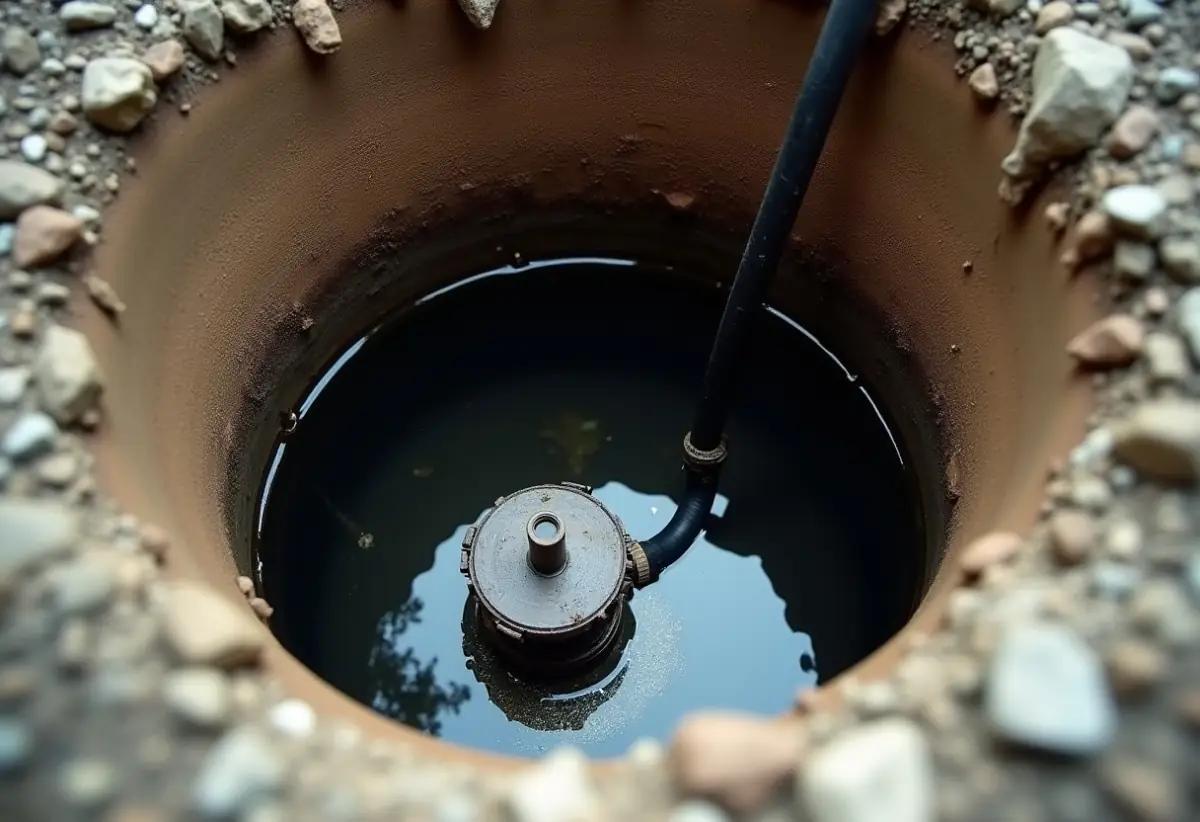
A sump pump that smells like rotten eggs is releasing hydrogen sulfide, a gas that ATSDR says comes from the bacterial breakdown of organic matter. In a sump pit that organic matter is the silt, lint, leaves and soap film that settle at the bottom while the same few inches of water sit for weeks during a dry spell.
The pump never empties the pit completely. Zoeller’s M53, for example, switches on at 7-1/4 inches of water and off at 3 inches, according to its M53 catalog sheet. Those 3 inches never leave, and in a dry month nothing new flows in to replace them.
ATSDR also calls hydrogen sulfide “sewer gas,” so homeowners confuse a stale pit with a sewer leak. The tell: a stale pit stops smelling once fresh water cycles through, while a sewer problem returns within days of a cleaning.
Values from ATSDR. The smell bar is drawn to scale, so it is barely visible: the top of the smell range is about 30 times lower than the level ATSDR links to headaches and more than 1,600 times lower than the level that can kill.
Why does my sump pump smell like sewage?
A sump pump that smells like raw sewage, not just sulfur, usually has one of four causes: a cracked sewer lateral leaking into the groundwater the drain tile collects, laundry or sink waste piped into the pit, a dry floor-drain trap a few feet away, or a pit that is actually a sewage ejector basin.
- Refill nearby traps. Pour a gallon of water into every basement floor drain, laundry sink and unused shower. A dry trap is an open pipe to the sewer.
- Watch a laundry load. If gray water pours into the pit when the washer drains, detergent film is your smell.
- Run a dye test. Drop plumbing dye tablets in a toilet, flush several times, and check the pit over the next day. Color in the pit means sewage is reaching the drain tile.
- Look at the lid. A bolted lid with a vent pipe rising through it is an ejector basin, covered in the last section.
If dye appears, the fix is a sewer line repair, not a pit cleaning, and the pit water should be treated as contaminated. If the pit is clean, check other sources of sewer smell in the house.
Why does my sump pit smell musty?
A musty sump pit smell comes from mold and mildew growing on damp surfaces around the pit, such as the rim, the underside of a loose lid, cardboard stored nearby or the wall above the basin. The fix is drying the space, not disinfecting the water.
The EPA’s mold and moisture guide recommends keeping indoor humidity between 30 and 50 percent. A basic hygrometer tells you where the basement sits. Above that band, run a dehumidifier and close the pit.
Wipe growth off the rim and lid with detergent and water, and move cardboard and fabric away from the pit.
Is a sump pump smell dangerous?
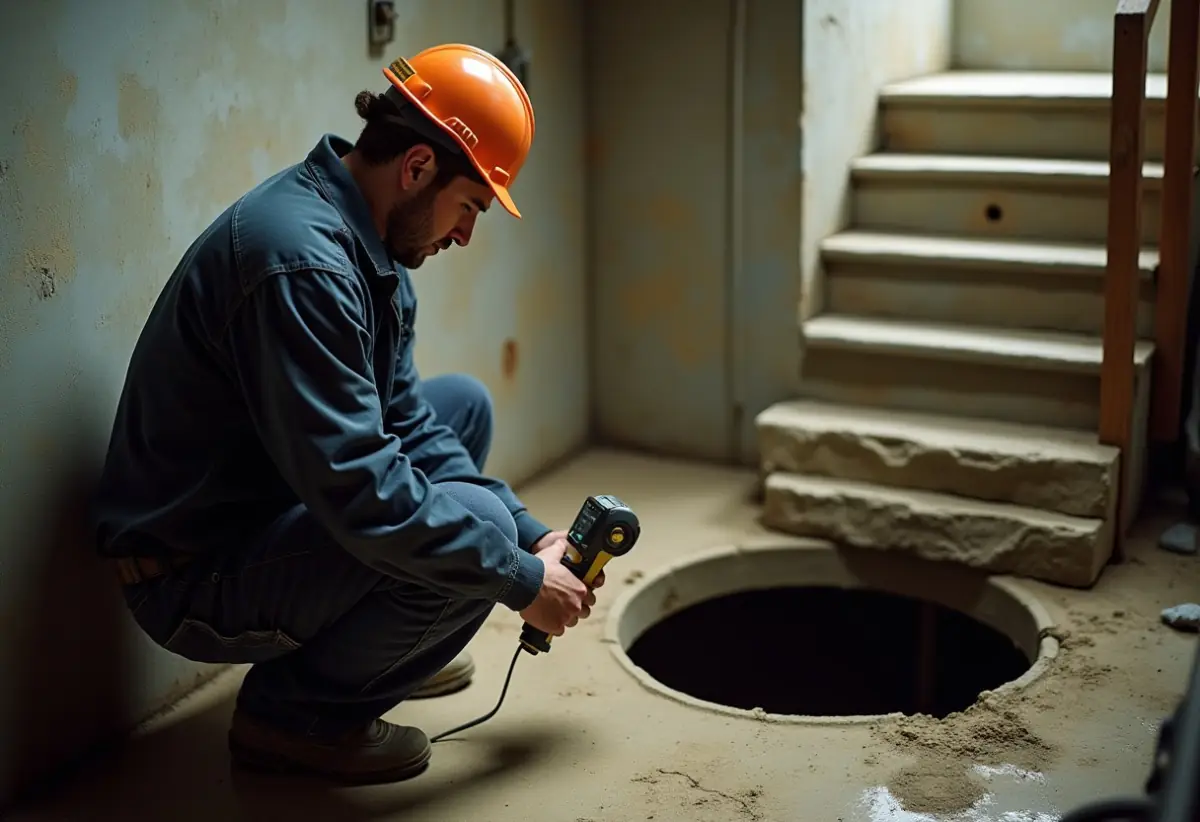
A faint sump pump smell is rarely dangerous, because ATSDR puts the hydrogen sulfide odor threshold at 0.0005 to 0.3 ppm while health effects begin around 10 ppm with longer exposure. Fuel and natural gas odors are the exception. Treat any gasoline, solvent, heating oil or gas smell as an emergency and get out before calling for help.
ATSDR calls the odor “an ineffective hazard warning” because high levels deaden the nose. The faint smell from a stale pit is a nuisance signal; a sewage-flooded basement or a sealed ejector basin that someone opens can hold far more gas. If anyone feels dizzy or short of breath, get outside and call 911.
Gasoline and solvent vapors pool in basements, and a pump motor or float switch can spark when it cycles. Do not unplug the pump or flip a light; leave and call 911 from outside. Natural gas is odorized to smell like sulfur, so a rotten-egg smell near a furnace or water heater means the same exit and a call to the gas utility.
How do you clean a smelly sump pit and pump?
Cleaning a smelly sump pit means unplugging the pump, lifting it out, scooping the sludge, scrubbing the walls, disinfecting, rinsing the pump and intake, and then running fresh water through a full cycle. A stale-water odor should fade once fresh water has cycled through. Wear gloves and eye protection.
- Cut power. Unplug the main pump and any backup pump at the outlet before your hands go near the water.
- Pull the pump. Open the union or rubber coupling on the discharge pipe above the pump, then lift the pump out by its handle onto a tarp. Never lift it by the cord.
- Empty the pit. Remove the water with a wet/dry vacuum, then scoop out the silt the bacteria feed on.
- Scrub. Brush the walls and floor of the basin with a stiff, long-handled brush and detergent.
- Disinfect. Use either bleach or vinegar, never both, since mixing them releases chlorine gas. No pump maker we checked publishes a dose; one plumber on JustAnswer suggests about 1 cup of bleach in 5 gallons of water.
- Clean the pump. Outdoors, hose the intake screen and impeller opening clear and wipe the float.
- Reinstall and test. Set the pump level with the float clear of the wall, reconnect and pour water until it runs one full cycle.
If the pump hums but moves no water during the test, our guide to a sump pump that is not working walks through the intake, air lock and switch checks.
Does a sealed sump lid stop the smell and radon?
A sealed sump lid stops pit odors and soil gas from reaching the room, which is why radon mitigation contractors fit gasketed, airtight covers over sump pits. It does not fix the source, so clean the pit first, then seal it, and test for radon, because an open pit is a direct path from the soil.
The EPA recommends fixing a home when radon tests at 4 pCi/L or higher. If a radon system vents from your sump, do not break that lid’s seal.
A lid seals only if every opening seals. Check for:
- A gasket or caulk bead where the lid meets the basin rim.
- Rubber grommets around the discharge pipe, the power cord and any radon vent pipe.
Replacing a cracked basin is the time to choose a liner with a sealed lid. See how to install a sump pump for the pit and discharge setup.
Can a bad check valve or float make a sump pump smell?
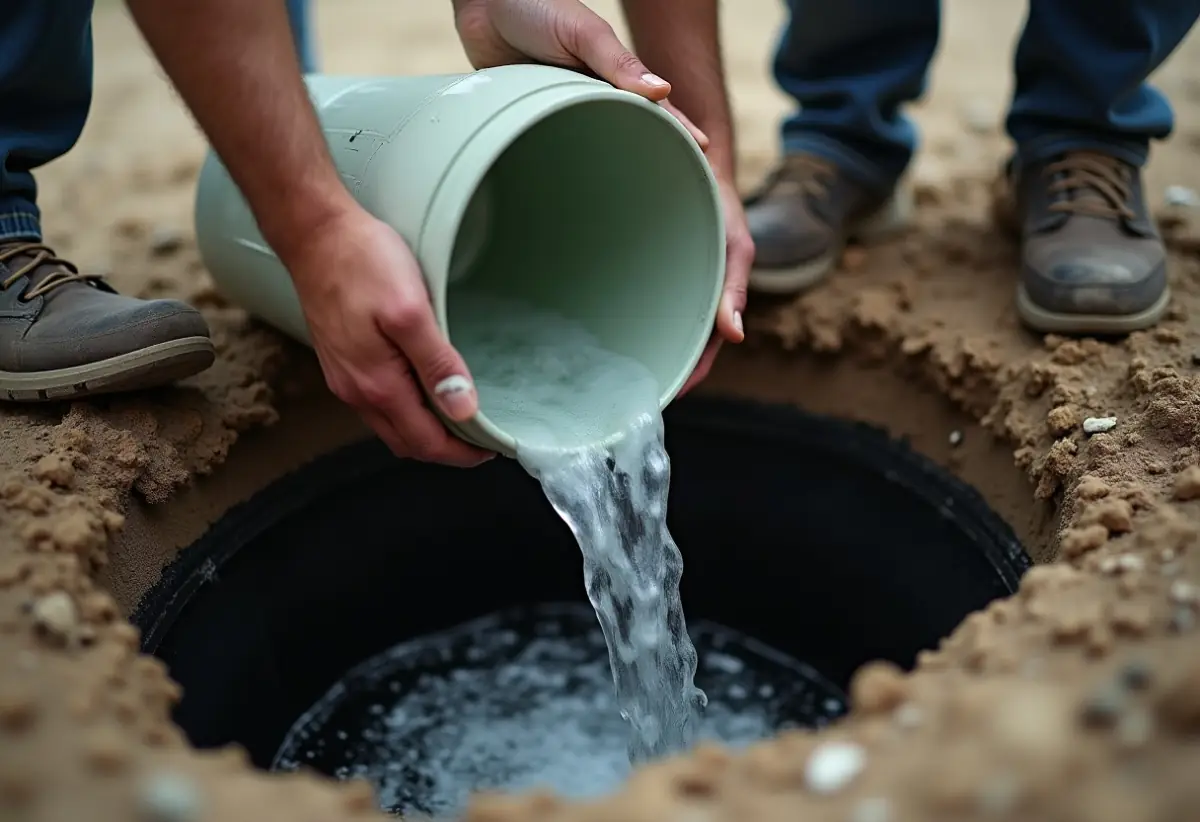
A bad check valve or a sticky float can make a sump pump smell worse by keeping the same water in play. A leaking check valve lets the discharge pipe drain back into the pit after every cycle, and a float gummed with soap film can stall, so the water sits until it goes stale. A bucket of water tests both.
- Pour water into the pit until the pump starts. On a Zoeller M53 that is 7-1/4 inches deep.
- When it stops, listen. A rush of water falling back into the pit means the check valve is leaking.
- Check the arrow on the valve body. It should point up, away from the pump.
- Find the anti-airlock hole. Pentair recommends a 1/16-inch to 1/8-inch hole in the pipe between the pump and the check valve; make sure it sprays into the pit.
- Lift the float by hand; it should rise and drop freely.
A pump that cycles every minute on the same water is a different problem; see a sump pump running constantly for the diagnosis.
Is the smelly pit actually a sewage ejector?
A pit that smells like sewage may not be a sump at all. Zoeller describes a sump pump as working from an open pit of groundwater and a sewage pump as working from a sealed, vented basin. If your basin has a bolted lid and a vent pipe, it holds waste, and odor means a seal or vent has failed.
| Feature | Sump pit | Sewage ejector basin |
|---|---|---|
| What flows in | Groundwater from drain tile | Toilet, shower, sink or laundry waste |
| Lid | Loose, snap-on or gasketed (optional) | Bolted, gasketed, gas-tight |
| Vent pipe | None (a radon pipe is separate) | Vent through the lid to the plumbing vent |
| Solids | None | 2-inch spherical solids (Zoeller Model 267) |
| Where it discharges | Outdoors or a storm drain, per local rules | Into the building sewer or septic line |
On an ejector, check the lid bolts, gasket and grommets, and leave opening the basin to a plumber.
How we sourced this
In October 2026 we reviewed the top Google results for “sump pump smell” (Angi, Apollo Home, HomeAdvisor, Barker and Sons, FloodNot, JustAnswer, Reddit) for coverage and People Also Ask questions, consulted about a dozen sources and cited seven. Health thresholds come from ATSDR; OSHA’s page blocked our request, so we did not use OSHA limits. Pump specs come from Zoeller and Pentair, radon and humidity targets from the US EPA. We excluded odor-tablet claims and any bleach dose we could not attribute.
Frequently asked questions
Why does my basement sump pump smell like rotten eggs?
The rotten-egg odor is hydrogen sulfide, a gas that ATSDR says forms when bacteria break down organic matter. A sump pit that sits full of still water with sludge, lint and soap film on the bottom feeds those bacteria. Cleaning the pit, running the pump through a full cycle and fitting a lid usually ends it. If gas appliances are nearby, rule out a gas leak first.
Is a sump pump smell dangerous?
Usually not at the faint levels a pit gives off, since ATSDR puts the hydrogen sulfide odor threshold at 0.0005 to 0.3 ppm, far below the 100 ppm level that knocks out your sense of smell. Gasoline, solvent or natural gas odors are different. Leave the house without touching switches and call 911 or the gas utility from outside.
Can I pour vinegar in my sump pump?
Yes, plain white vinegar is a mild option for loosening soap scum and mineral film on the pit walls and float. Pour it in, scrub, then add clean water until the pump runs a full cycle to flush it out. Never pour vinegar into a pit that still holds bleach, because the mix releases chlorine gas in an enclosed basement.
Can I pour bleach in my sump pit?
Many plumbers do, but no pump maker we checked publishes a dose. One plumber answering on JustAnswer suggests about 1 cup of bleach in 5 gallons of water, poured into the pit after the sludge is scooped out. Run the pump afterward so the solution does not sit on the seals, and check your pump manual for chemical limits.
Why does my sump pump smell like sewage when it rains?
Rain raises groundwater, and the drain tile feeding your pit collects more of it. If a cracked sewer lateral runs near that tile, sewage-tainted water can reach the pit and smell worst during wet spells. A dye test confirms it. Flush a toilet with plumbing dye several times and watch the pit for the color over the next day.
What are the first signs of sewer gas poisoning?
ATSDR lists eye irritation, headache and fatigue from longer exposure to hydrogen sulfide around 10 ppm or less. Above 100 ppm people can lose their sense of smell after 2 to 15 minutes, and above 500 ppm the gas can cause sudden collapse. If anyone in the basement feels dizzy or sick, get everyone outside and call 911.
Will a sealed sump pump lid stop the smell?
A gasketed, airtight lid traps pit odors and is the same lid radon mitigation contractors fit over sump pits. It hides the symptom, though, so clean the pit first and find the source. The lid needs sealed pass-throughs for the discharge pipe, the power cord and any radon vent pipe, or gas will leak around them.