Sump Pump Not Working? How to Diagnose and Fix It by Symptom
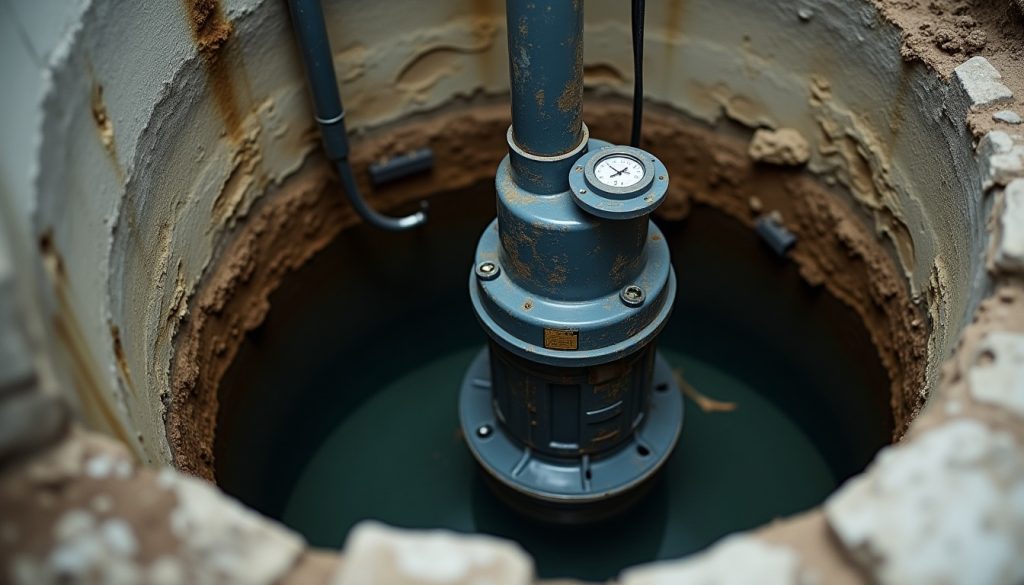
A sump pump not working almost always traces to one of five faults: no power, a stuck float, a clogged intake, a bad check valve, or a blocked discharge line, and you can check each in minutes.
Key Takeaways
- Pentair (Myers, Sta-Rite) traces a pump that runs nonstop to either heavy inflow or a float stuck in the on position, per its sump pump troubleshooting FAQ.
- A tripped GFCI or breaker is the first thing to rule out, per Bob Vila’s troubleshooting guide.
- The average sump pump lasts about 10 years, per Angi and American Family Insurance, and submersible units often last 7 to 10 years.
- A professional float switch swap typically runs $100 to $250, per HomeGuide, while a drop-in pump replacement costs $350 to $1,000 installed, per This Old House.
- Water damage and freezing claims averaged $15,400 from 2019 to 2023, according to the Insurance Information Institute.
- A check valve installed with its arrow pointing toward the pump stops all flow, and a leaking one makes the pump short-cycle on the same water.
Why is my sump pump not working?
A sump pump that is not working shows one of five symptoms: it will not turn on, it runs but moves no water, it runs constantly, it short-cycles, or it makes new noise. Each symptom points to a short list of causes. Match yours in the table below, then jump to the section for the fix. Unplug the pump before you touch the float, intake, or impeller. Before disconnecting anything, check whether your unit falls into the always-on category covered in constant running diagnosis.
| Symptom | Likely cause | Fix | DIY or pro |
|---|---|---|---|
| Silent, pit full of water | Tripped GFCI or breaker, loose plug | Reset GFCI and breaker; plug pump straight into the outlet | DIY |
| Silent, outlet has power | Float stuck or float switch failed | Free the float; lift it to test; replace the switch | DIY or pro |
| Hums, nothing moves | Jammed impeller or burned-out motor | Unplug, clear the impeller; replace pump if it still hums | DIY, then replace |
| Runs, little or no flow | Clogged intake screen or worn impeller | Pull pump, clean screen and impeller | DIY |
| Runs, water falls back into pit | Check valve failed, stuck, or reversed | Confirm arrow points away from pump; replace valve | DIY |
| Runs, no flow outside in winter | Frozen or crushed discharge line | Thaw or clear the line; add a freeze relief fitting | DIY or pro |
| Runs, no flow after a new install | Air lock in the discharge pipe | Clear or drill the relief hole below the check valve | DIY |
| Runs constantly | Float stuck on, undersized pump, high water table | Free the float; size up the pump or add a second one | Pro for upsizing |
| Starts and stops every minute or so | Float range too short, small pit, leaking check valve | Lengthen the float range; bigger basin; new valve | DIY or pro |
| Rattles, grinds, or bangs | Debris in impeller, worn bearings, slamming check valve | Clean impeller; silent check valve; replace worn pump | DIY or pro |

What should you do right now if the basement is flooding?
If the basement is flooding because the sump pump is not working, protect yourself first and the house second. Do not step into standing water that touches outlets, cords, or appliances. Once you can work dry, check power, test the float, and get water moving with a backup or a portable pump. Then document the damage for your insurer before cleanup starts.
- Stay out of energized water. If water has reached outlets or the pump cord, shut off power at the main panel only if you can reach it from a dry spot. If you cannot, call your utility or an electrician.
- Check the power chain. Press reset on the GFCI outlet, look for a tripped breaker, and make sure the plug is seated. Unplug any extension cord and plug the pump in directly.
- Test the float. Using a dry broom handle, lift the float. If the motor starts, the float was stuck. If nothing happens, the switch or motor is the problem.
- Check the outlet end. If the pump runs but the pit stays full, walk outside and look for a frozen, crushed, or buried discharge line.
- Switch to backup. Let a battery backup sump pump carry the load, or drop a portable utility pump into the pit with a hose run well away from the foundation.
- Limit the damage. Move boxes, electronics, and rugs off the floor, photograph everything, and call a plumber and your insurer.
Read your policy before you file. Standard homeowners policies typically exclude water that backs up through drains or overflows a sump unless you bought a water backup endorsement, per the Insurance Information Institute.
Why won’t my sump pump turn on?
A sump pump that will not turn on is usually missing power or missing a signal. Power problems include a tripped GFCI, a tripped breaker, a loose plug, or a failed extension cord. Signal problems come from the float switch, which may be stuck against the pit wall, tangled on the discharge pipe, or simply dead. A burned-out motor is the last and least likely cause.
No power: GFCI, breaker, or cord
Basement outlets often sit on ground-fault (GFCI) protection, and the National Electrical Code requires it for basement receptacles in most current editions adopted by states. A GFCI that trips during a storm cuts the pump without any warning. Press reset, then test the outlet with a lamp or a plug-in tester.
If the GFCI trips again as soon as the pump starts, the pump may have a ground fault in its cord or motor. Never bypass the GFCI; have an electrician confirm whether the outlet or the pump is at fault.
Float stuck or switch failed
The float is the trigger. If it cannot rise, the pump never gets the signal to start. Unplug the pump, clear anything touching the float, and center the pump so the float cannot drift into the wall.
To isolate the switch, many pumps use a piggyback plug, where the pump cord plugs into the back of the float switch plug. Unplug both, then plug the pump cord directly into the wall. If the motor runs, the switch has failed. Our guide on how sump pump float switches work and how to test one covers the switch types and replacement in detail.
Burned-out motor
If the pump stays silent when plugged straight into a live outlet, the motor is likely done. Pumps that ran dry or cycled heavily in a high water table burn out first, and replacement is the fix.
Why does my sump pump run but not pump water?
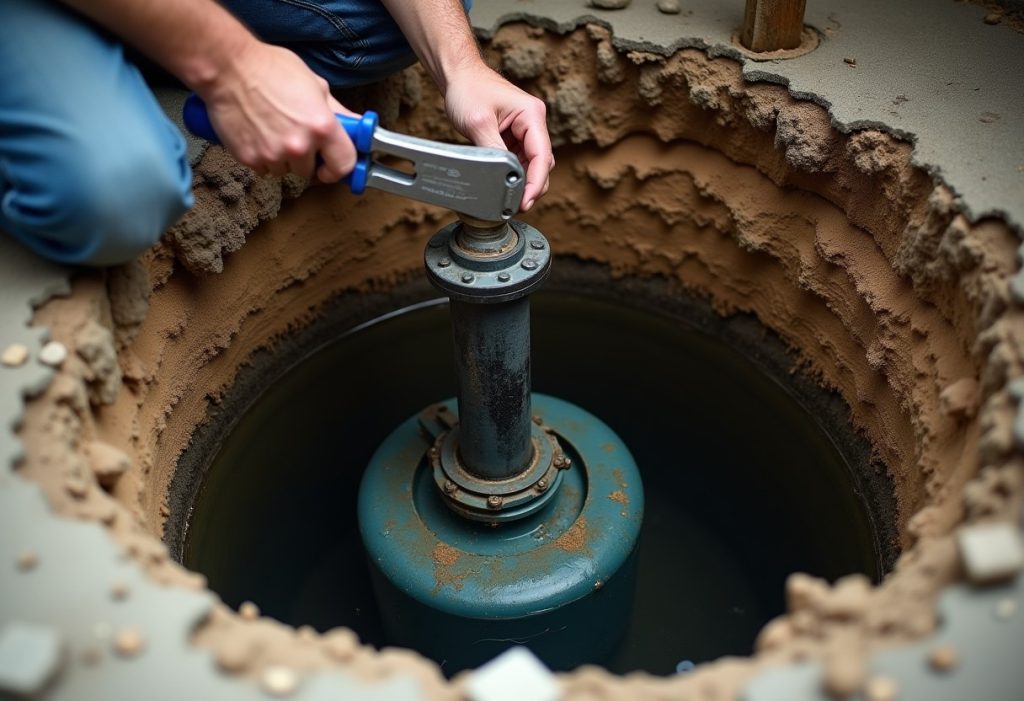
A sump pump that runs but moves no water has power and a working switch, so the problem is in the water path. The four usual causes are a clogged intake screen or impeller, a check valve that failed or was installed backward, a frozen or blocked discharge line, and an air lock trapped between the pump and the check valve. Work from the pit outward.
Clogged intake or impeller
Silt, gravel, and debris get pulled toward the intake every cycle. Unplug the pump, lift it out by the discharge pipe or handle, and scrub the intake screen. Then look at the impeller through the intake and turn it by hand with a screwdriver. It should spin freely. Set a pump on a dirt pit floor on a flat paver so it clogs less.
Check valve failed or reversed
The check valve keeps pumped water from falling back into the pit. Its flow arrow must point up and away from the pump. Pentair’s troubleshooting FAQ lists an incorrectly installed check valve among the causes of a pump that runs without moving water. A valve stuck shut blocks flow; a valve stuck open lets the water fall right back down.
Frozen or blocked discharge line
In cold climates, the outdoor section of the discharge line can freeze solid, and buried lines can fill with ice, leaves, or soil. Walk the line and find the outlet. A freeze relief fitting near the house lets water spill out when the line downstream is blocked. Routing and sizing the line correctly is covered in our step-by-step sump pump installation guide.
Air lock
An air lock happens when trapped air sits in the pump volute and the pump spins without priming. Manufacturer install instructions commonly call for a small relief hole in the discharge pipe between the pump and the check valve, angled so it sprays back into the pit. Clear an existing hole with a wire; check your pump manual before drilling a new one.
Why does my sump pump run constantly?
A sump pump that runs constantly is either fighting more water than it can move or never getting the signal to stop. Pentair’s troubleshooting guidance puts it plainly: continuous running means heavy inflow or a float switch stuck in the on position. An undersized pump, a failed check valve, and a high water table round out the list. Check the float first, because a stuck-on pump can run dry and burn out.
- Float stuck on. Unplug the pump and look. If the float is pinned in the up position by the pit wall, a cord, or debris, free it. If the pit is empty and the pump still runs once plugged back in, the switch has failed.
- Undersized pump. If the pit refills almost as fast as the pump empties it during heavy rain, the pump may be too small for the inflow or the vertical lift. A larger horsepower unit or a second pump in the pit may be needed. Our comparison of submersible, pedestal, and backup sump pump types walks through capacity and horsepower.
- Failed check valve. Water that falls back into the pit after every cycle keeps the pump working on the same water. Replace the valve.
- High water table. In spring or after long rain, groundwater can run into the pit nonstop. If it runs for days with no rain, have a plumber check for a leaking water line or a discharge outlet so close to the house that the water cycles back.

Why does my sump pump short-cycle or make noise?
A sump pump that short-cycles turns on and off every minute or less, and the usual causes are a float range set too short, a pit too small for the inflow, or a leaking check valve. Noise points to different faults. Rattling and grinding usually mean debris in the impeller or worn bearings, and a loud bang at shutoff usually means the check valve is slamming shut.
Short-cycling fixes
- Lengthen the float range. Lengthen the tether on a tethered float, or spread the rod stops on a vertical float. Keep the off point above the pump intake so the motor never runs dry.
- Check the valve. If water drains back after shutoff, replace the check valve. This is the cheapest fix for short-cycling and the one most often missed.
- Size the basin. A narrow, shallow pit fills in seconds. A larger basin holds more water per cycle, which means fewer starts and less motor wear.
What the noise means
- Rattling or grinding. Gravel or debris in the impeller, or worn motor bearings. If cleaning the impeller does not stop it, the bearings are going.
- Bang at shutoff. The check valve flapper slams closed as the water column falls. A spring-loaded or “silent” check valve stops it.
Should you repair or replace a sump pump that is not working?
Repair a sump pump that is not working when the fault is a part (float switch, check valve, cord, or a clogged intake) and the pump is under about 7 years old. Replace it when the motor is dead, hums with a free impeller, keeps tripping a good GFCI, or is near the 10-year average lifespan reported by Angi and American Family Insurance.
Chart sources: Zoeller AGM battery spec, Bob Vila (submersible), Angi and American Family Insurance (average), and This Old House with Fixr (pedestal).
A $100 to $250 float switch repair makes sense on a 3-year-old pump. On a 9-year-old pump, put that money toward a $350 to $1,000 replacement that resets every wear part at once.
Test after any repair. Pour 5 gallons of water into the pit and confirm the pump starts, empties the pit, shuts off cleanly, and sends steady flow out the far end of the line.
How we sourced this
We consulted about 15 sources and cited 9: manufacturer troubleshooting guidance from Pentair (Myers and Sta-Rite) and Zoeller, lifespan data from Angi, American Family Insurance, and Bob Vila, cost ranges from This Old House, Fixr, and HomeGuide, and claim severity from the Insurance Information Institute (2019 to 2023 data). Cost and lifespan figures are US ranges as of October 2026 and vary by pump type, horsepower, water table, and region. We excluded forum posts and unattributed cost aggregator pages from the cited figures.
Frequently asked questions
How do I reset my sump pump?
Most sump pumps have no reset button. Unplug the pump for about a minute, then press the reset on the GFCI outlet and flip the breaker fully off and back on. Plug the pump straight into the outlet and pour a bucket of water into the pit. If the motor overheated and tripped its thermal overload, it usually restarts on its own once it cools.
Why is my sump pump humming but not pumping?
A hum with no water moving usually means the motor has power but the impeller cannot turn or cannot push water. The common causes are a jammed impeller, a clogged intake screen, an air lock, or a stuck check valve. Unplug the pump, pull it, and clear the intake and impeller. If it still hums with the impeller free, the motor or capacitor has likely failed.
How long do sump pumps last?
The average sump pump lasts about 10 years, according to Angi and American Family Insurance. Submersible pumps often run 7 to 10 years, per Bob Vila, while pedestal pumps can last 15 to 30 years because the motor stays dry, per This Old House and Fixr. Pumps that cycle often in high water tables tend to wear out at the short end of those ranges.
Why is my sump pump running but no water is coming out?
Check the discharge path first. A frozen or crushed discharge line, a check valve installed backward or stuck shut, and an air lock between the pump and the check valve can all stop flow while the motor runs. A clogged intake screen or worn impeller does the same thing from the pit side. Walk the line outside, confirm the valve arrow points away from the pump, and clear the relief hole.
Can a sump pump burn out from running dry?
Yes. A pump that keeps running in an empty pit loses the water that cools its motor and lubricates its seals, and it can overheat within a short time. A float stuck in the on position is the usual cause. Free the float, confirm the switch shuts the pump off when the water drops, and replace the switch or pump if it keeps running dry.
How do I know if my sump pump check valve is bad?
Watch the pit right after the pump shuts off. If water rushes back down the discharge pipe and refills the basin, the check valve is leaking or stuck open, and the pump will short-cycle on the same water. A loud bang at shutoff points to a slamming valve. A valve installed with its arrow pointing toward the pump blocks flow entirely and must be flipped.
What should I do if my sump pump stops working during a storm?
Stay out of standing water near outlets or cords, then check the GFCI, breaker, and plug. Lift the float with a dry stick to see if the motor starts. If the pump is dead, switch to a battery backup or a portable utility pump with a hose run outside, move valuables up, photograph the damage, and call a plumber and your insurer.
How many years does a sump pump usually last?
The average sump pump lasts about 10 years, according to Angi and American Family Insurance. Submersible units often last 7 to 10 years, per Bob Vila, while pedestal pumps can last 15 to 30 years because the motor stays dry, per This Old House and Fixr.


