Sump Pump Float Switch: Types, Testing, and When to Replace It

A sump pump float switch senses the water level in the pit and turns the pump on and off, and a stuck float is the top reason a sump pump fails to run when you need it.
Key Takeaways
- The float switch is the trigger: a buoyant float rises with the water, closes the circuit at a set height, and drops to shut the pump off.
- A stuck or tangled float is the leading cause of a sump pump that will not turn on, per service guides from Angi and Falcone Crawl Space.
- Four switch designs are common: tethered (float-ball), vertical, diaphragm (pressure), and electronic (solid-state).
- A tethered float needs a wide pit of about 14 inches or more to swing; a vertical or electronic switch fits narrow pits where a tethered float would catch the wall.
- The switch part alone runs about $20 to $40, while a pro replacement runs roughly $100 to $250, per 2026 repair guides from HomeGuide.
- Test the switch monthly by pouring water into the pit and watching the pump start and stop on its own.
What does a sump pump float switch do?
A sump pump float switch is the sensor that decides when the pump runs. A buoyant float sits in the pit and rides the water up and down. When the level reaches a set height, the rising float closes an electrical switch and powers the motor; when the water drops to the off level, the float falls and cuts the power. The motor itself has no way to sense water, so the switch does all the thinking. When that switch fails to cut power at the right moment, the pump can run nonstop, a problem covered in sump pump running constantly.
That makes the switch the single part most responsible for whether your basement stays dry. A perfect motor is useless if the switch never tells it to start. The float also sets your cycle pattern, because the gap between the on height and the off height controls how much water the pump moves per run. For how the whole unit goes in, see our guide to how to install a sump pump.
What are the types of sump pump float switches?
Four switch designs cover almost every residential pump: tethered (float-ball), vertical, diaphragm (pressure), and electronic (solid-state). They differ in how they sense the water level, how much room they need in the pit, and how they tend to fail. The table below lays out where each one fits. Your existing pump may use any of them, and many switches can be swapped for a different style if the pit allows.
| Switch type | How it senses level | Pit size needed | Reliability / failure mode | Best for |
|---|---|---|---|---|
| Tethered (float-ball) | A floating ball on a cord tips past horizontal as water rises and flips an internal switch | Wide, about 14 in or more | Simple and cheap, but the float can catch on the pump, pipe, or wall and stick | Wide basins where you want long, infrequent cycles |
| Vertical float | A float slides up and down a vertical rod and trips a switch at a fixed point | Narrow, a few inches of clearance | Tight, repeatable on/off points; the rod or guide can gum up over time | Narrow pits and premium pumps from Zoeller or Liberty |
| Diaphragm (pressure) | Rising water pressure pushes a rubber diaphragm that trips a microswitch | Small and shallow sumps | No external float to snag; the diaphragm or microswitch can wear out | Shallow pits and debris-prone water |
| Electronic (solid-state) | A sensor reads water depth with no moving float and triggers the pump electronically | Narrow, minimal clearance | No moving float to stick; depends on clean sensor contacts and electronics | Narrow pits and homeowners who want the fewest mechanical failure points |
For a broader look at the pumps these switches sit on, read our breakdown of submersible and pedestal sump pump types.

Why does a stuck float switch cause most sump pump failures?
Because a float that cannot move is a pump that cannot start. If the float jams against the pit wall, tangles on the discharge pipe, or gets held down by debris, it never rises to the trigger point, so the switch stays open and the motor stays off while the water climbs. Service guides from Angi and Falcone Crawl Space both rank a stuck or obstructed float as the number one cause of a sump pump that fails to activate.
Three things cause the jam. Grit, pebbles, and silt settle in the pit and block the float path. The pump vibrates when it runs and can “walk” across the pit floor until it traps the float against the wall. And corrosion or buildup can seize the hinge or rod the float swings on. A tethered float in a pit that is too narrow is the classic setup for all three.
How do you test a sump pump float switch?
Pour water in and watch. A pump that starts and stops on its own as the level rises and falls has a working switch. Running this test every month is the cheapest insurance against a dead switch during the next storm, because it catches a stuck float before the weather does.
- Pour 5 gallons of water slowly into the pit until the level reaches the normal start height.
- Watch the float rise. The pump should kick on near the top of the pit and shut off as the water drops back down.
- If nothing happens, unplug the pump and reach in to lift the float by hand.
- If the pump runs when you lift the float but not when water rises on its own, the float is obstructed. Clear the debris and reposition the pump so the float swings free.
- If the pump stays dead whether water rises or you lift the float by hand, the switch has failed and needs replacing.
While you are in there, check that the float clears the pit wall through its full travel and that the discharge line is not holding it down. A float that brushes the wall at the top of its swing will eventually stick there. Pit clearance issues like this often turn out to be one symptom among several, which is why it helps to work through sump pump troubleshooting by symptom.
How do you set the on and off levels and tether length?
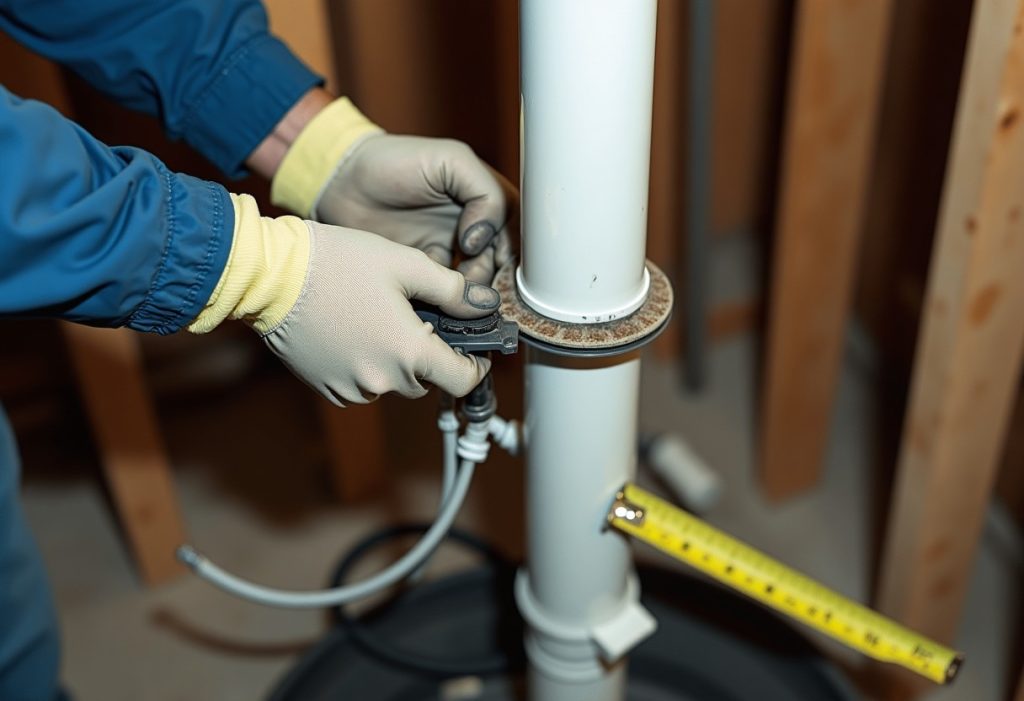
The on and off levels are the water heights where the pump starts and stops, and on a tethered switch you set them with the tether length. The tether is the cord between the float and its clip on the pump body. A longer tether lets the water rise higher before the pump starts and drop lower before it stops. A shorter tether triggers sooner and shuts off sooner.
Aim for a start height a few inches below your lowest basement inlet and a stop height safely above the motor, so the pump never runs dry. A longer tether means fewer, longer cycles, which is easier on the motor; a very short tether makes the pump short-cycle, which wears it out faster. On a vertical float, you adjust the same window by sliding the float stops up or down the rod. After any change, run the pour test and confirm the float never touches the wall through its full range.
What pit size does each float switch need?
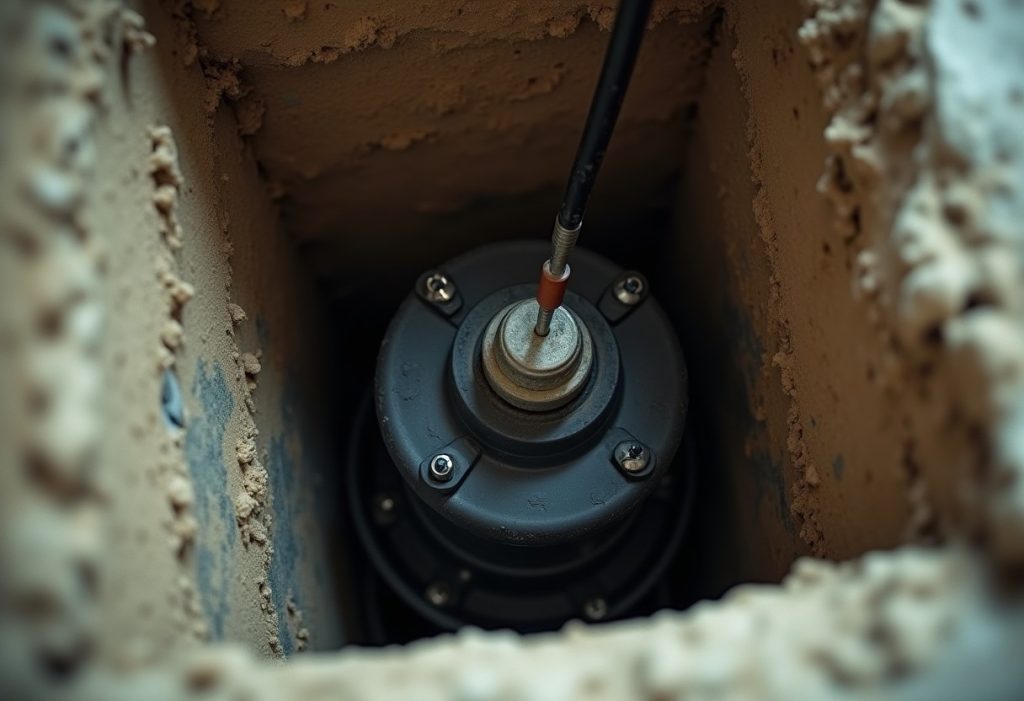
Pit size decides which switch will work without sticking. A tethered float-ball switch needs the most room, roughly 14 inches of width or more, so the float can swing up without catching the wall or the pipe. In a pit under about 12 inches wide, a tethered float has no room to work and jams almost every time. Vertical, diaphragm, and electronic switches all fit tighter pits because the float moves straight up or has no external float at all.
Codes set the floor for the basin itself. The 2018 International Plumbing Code (section 1113.1.2) calls for a sump pit at least 18 inches in diameter and 24 inches deep. That meets the minimum for a vertical or electronic switch, but a tethered float is happier in a wider basin. If your pit is narrow and your pump keeps failing to start, switching the float style often fixes it without touching the motor.
Should you replace the switch or the whole pump?
Replace the switch alone when the motor is healthy and the pump is under about 7 years old, since the switch is a cheap bolt-on part at $20 to $40 and most homeowners can swap it in under 30 minutes. Replace the whole pump when it is near or past its typical 7 to 10 year lifespan, when the motor is weak or noisy, or when the switch has already failed once before.
The math usually decides it. A plumber charging about $100 to $250 to replace just the switch on an old, tired pump is money you will spend again soon on the motor. A new pump resets every wear part at once. For the full numbers, see our full sump pump cost breakdown. Either way, a power outage during a storm can take out any switch and motor together, so pair the primary pump with a sump pump battery backup that runs on its own float when the grid drops.
How we sourced this
Switch types, failure modes, and pit-size guidance come from pump switch selection guides and manufacturer-aligned service writeups (Zoeller, Liberty, Basement Watchdog references), cross-checked against home-service troubleshooting guides from Angi and Falcone Crawl Space for the leading-cause ranking. Part and labor costs reflect 2026 retailer listings and repair cost guides from HomeGuide and Fixr, stated as ranges because switch style, pump brand, and local labor rates vary. Pit dimensions cite the 2018 International Plumbing Code, section 1113.1.2. We excluded single-forum anecdotes and any vendor claim we could not corroborate against a second source.
Frequently asked questions
What does a sump pump float switch do?
The float switch is the sensor that tells the pump when to run. A buoyant float rides on the water in the pit, and when the level reaches a set height, the rising float closes an electrical switch and powers the pump. Once the water drops to the off level, the float falls and cuts power. Without a working switch, the motor never knows there is water to move.
Why won’t my sump pump turn on even though the pit is full?
A stuck float is the most common reason. If the float is jammed against the pit wall, tangled on the discharge pipe, or held down by debris, it cannot rise, so the switch never closes and the motor stays off. Unplug the pump, lift the float by hand, and watch for free movement. A float that is stuck or a switch that stays dead when lifted points to the switch, not the motor.
How do I test my sump pump float switch?
Test it monthly. Pour 5 gallons of water slowly into the pit and watch the float rise; the pump should kick on near the top of the pit and shut off as the level drops. If nothing happens, unplug the pump and lift the float by hand. If the pump runs when you lift the float but not when water rises, the float is obstructed. If it stays dead either way, the switch has failed.
Which float switch type is best for a narrow sump pit?
A vertical float or an electronic switch fits narrow pits best. A vertical float slides straight up a short rod and needs only a few inches of side clearance, while an electronic switch has no moving float at all. A tethered float-ball switch needs the most room to swing and tends to catch on the wall in pits under about 14 inches wide, so save it for wide basins.
How much does it cost to replace a sump pump float switch?
The switch part alone runs about $20 to $40 for a common tethered or vertical replacement, per retailer listings. A plumber doing the swap typically charges about $100 to $250 including the service call and labor, per 2026 repair cost guides. If the pump is also near the end of its life, many homeowners put that money toward a full replacement instead.
Should I replace just the float switch or the whole pump?
Replace the switch if the motor is healthy and the pump is under about 7 years old, since a switch is a cheap, bolt-on part. Replace the whole pump if it is near or past its typical 7 to 10 year lifespan, if the motor is weak or noisy, or if the switch has already failed once before. A new pump resets the clock on every wear part at once.
How do I set the tether length on a float switch?
The tether is the length of cord between the float and its pivot or clip on the pump. A longer tether lets the water rise higher before the pump starts and drop lower before it stops, which means fewer, longer cycles. A shorter tether triggers sooner and cycles more often. Set it so the pump starts a few inches below the lowest basement inlet and stops above the motor, and confirm the float never touches the pit wall through its full swing.


