Types of Sump Pumps: Submersible vs Pedestal (and Backups)
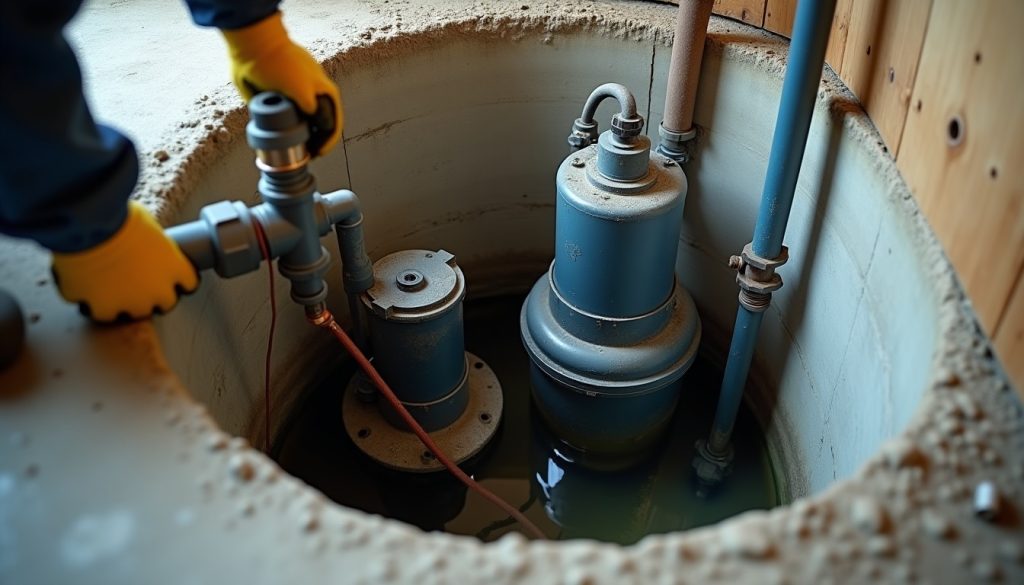
Sump pump types split into two primary designs, submersible and pedestal, plus three backup answers: battery, water-powered, and combination units that pair a primary pump with a backup in one basin.
Key Takeaways
- A submersible pump sits underwater in the pit and lasts about 8 to 12 years; a pedestal keeps the motor dry above the pit and commonly lasts 25 to 35 years, per multiple pump-industry service estimates.
- Submersible pumps move more water, roughly 3,000 to 5,000 gallons per hour, versus 2,000 to 3,500 for pedestals, and run far quieter because the motor is submerged.
- A pedestal pump costs about $80 to $200; a submersible starts near $200 and passes $600 with battery backup or Wi-Fi monitoring.
- A battery backup runs about 7 to 10 hours on a fresh deep-cycle battery; a Zoeller 540 water-powered backup runs with no time limit but uses roughly 1 gallon of city water per 2 gallons removed.
- A 1/3 HP pump fits an average home and average water table; a 1/2 HP unit moves about 35 to 40 percent more water for a high water table or long lift.
- The Zoeller M53 (1/3 HP) passes solids up to 1/2 inch and moves 43 gallons per minute, while the Wayne CDU980E (3/4 HP) reaches 4,600 gallons per hour at a 10-foot lift.
What are the main types of sump pumps?
Two primary designs move water, and three backup options protect against power loss. A submersible pump sits fully inside the pit underwater. A pedestal pump keeps its motor on a shaft above the pit. Layered on top come the battery backup, the water-powered backup, and the combination unit, which houses a primary and a battery backup in one basin. Before choosing between these setups, it helps to know how a gravel-filled drainage trench feeding the pit can affect pump selection and sizing. Understanding how that trench ties into a French drain system, and knowing when constant cycling signals a problem, can help you catch issues before they start, as covered in sump pump vs french drain comparison and constant pump cycling causes.
Everything after this section compares those five on how they work, how long they last, how loud they are, and what they cost. If you only need the price picture first, see our full sump pump cost breakdown.
| Type | How it works | Lifespan | Noise | Cost (pump only) | Best for |
|---|---|---|---|---|---|
| Submersible | Sealed motor sits underwater in the pit; float switch triggers it | 8 to 12 years | Quiet (water muffles it) | $200 to $600+ | High water volume, finished basements |
| Pedestal | Motor rides on a shaft above the pit; only the intake sits in water | 25 to 35 years | Louder, exposed motor | $80 to $200 | Budget builds, narrow pits, long life |
| Battery backup | Deep-cycle battery powers a second pump when the grid drops | Battery 3 to 5 years | Quiet | $150 to $400+ | Storm-prone areas with outages |
| Water-powered backup | City water pressure drives a Venturi to pull water out; no electricity | 10+ years (no battery) | Moderate | $150 to $350 | Long outages, homes on municipal water |
| Combination unit | Primary pump plus battery backup preset in one basin and controller | Primary 8 to 12 years | Quiet | $300 to $800 | One-box protection for most homes |
Submersible vs pedestal: how do they differ?
The split comes down to where the motor lives. A submersible pump seals its motor and drops the whole unit into the pit underwater, while a pedestal pump keeps the motor high and dry on a column with only the intake screen down in the water. That single design choice drives every difference in noise, lifespan, capacity, and price.
Lifespan and reliability
A pedestal pump usually outlives a submersible by decades. Because the pedestal motor never touches water, there is no shaft seal to leak and no risk of water reaching the windings, so pedestals commonly run 25 to 35 years. A submersible sits in water full time, so a failing seal eventually lets moisture in, and most last 8 to 12 years.
Noise and capacity
Submersibles win on both quiet and flow. The surrounding water muffles the submersible motor, so it runs close to silent, and higher horsepower models push 3,000 to 5,000 gallons per hour. A pedestal motor sits in open air and is noticeably louder, and pedestals typically top out around 2,000 to 3,500 gallons per hour.
Cost
Pedestal wins the sticker price. A pedestal pump runs about $80 to $200, while a submersible starts near $200 and climbs past $600 once you add battery backup or Wi-Fi monitoring. Factor in the longer pedestal lifespan and the cost gap over 20 years narrows, since you may replace a submersible twice in that window.
Why does every sump pump need a backup?
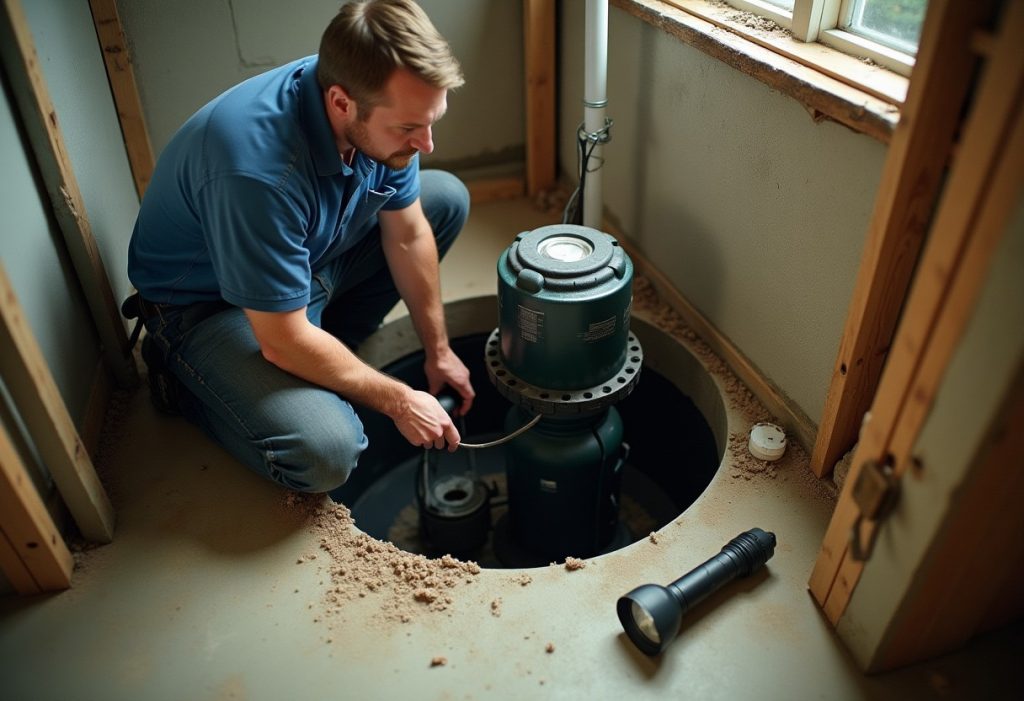
Because the storm that fills your pit is the same storm that knocks out the grid. A standard primary pump runs on household power, so a power cut during heavy rain leaves the pit rising with no pump to empty it. A backup pump takes over automatically, and it also covers a primary that simply burns out or jams. In a flood, a backup is the difference between a dry floor and inches of water.
The mechanical failure risk matters too. A stuck float switch, a clogged impeller, or a tripped breaker can stop a primary even when the power is on, and a backup does not care why the primary quit. Worth checking how battery backups handle these same failure points, and how well pump selection follows a similar logic, when you plan a sump pump battery backup.
Battery backup pumps
A battery backup pump runs off a deep-cycle marine or AGM battery and switches on when the primary loses power or cannot keep up. A fresh, fully charged battery powers a 1/3 HP backup for about 7 to 10 hours under moderate load, and heavy cycling in a major storm can cut that to 4 to 5 hours, per Ferguson’s buying guide. Battery units move 2,500 to 3,500 gallons per hour, close to a primary pump, but the battery weakens with age and usually needs replacing every 3 to 5 years. Zoeller sells the AquaNot line and Liberty sells the Storm Cell as popular battery systems.
Water-powered backup pumps
A water-powered backup uses no electricity at all. When the float rises, it opens a valve to your municipal water line, and that high-speed flow creates a Venturi suction that pulls water out of the pit. The Zoeller 540 and similar units run indefinitely as long as city pressure holds, which is the big advantage during a multi-day outage. The trade-offs: they move less water, roughly 800 to 1,500 gallons per hour, they need city water pressure (so no well homes), and they use about 1 gallon of treated water for every 2 gallons of pit water removed.
Combination units
A combination sump pump packages a primary and a battery backup in one basin with a shared controller and alarm, so you buy and wire one system instead of two. The primary handles everyday pumping on household power, and the backup engages the instant the primary fails or the power drops. Basement Watchdog and Wayne both sell 1/3 HP combination systems, and they are the simplest path for a homeowner who wants full protection preset out of the box. Match the discharge and check valve during how to install a sump pump.
What horsepower sump pump do I need?
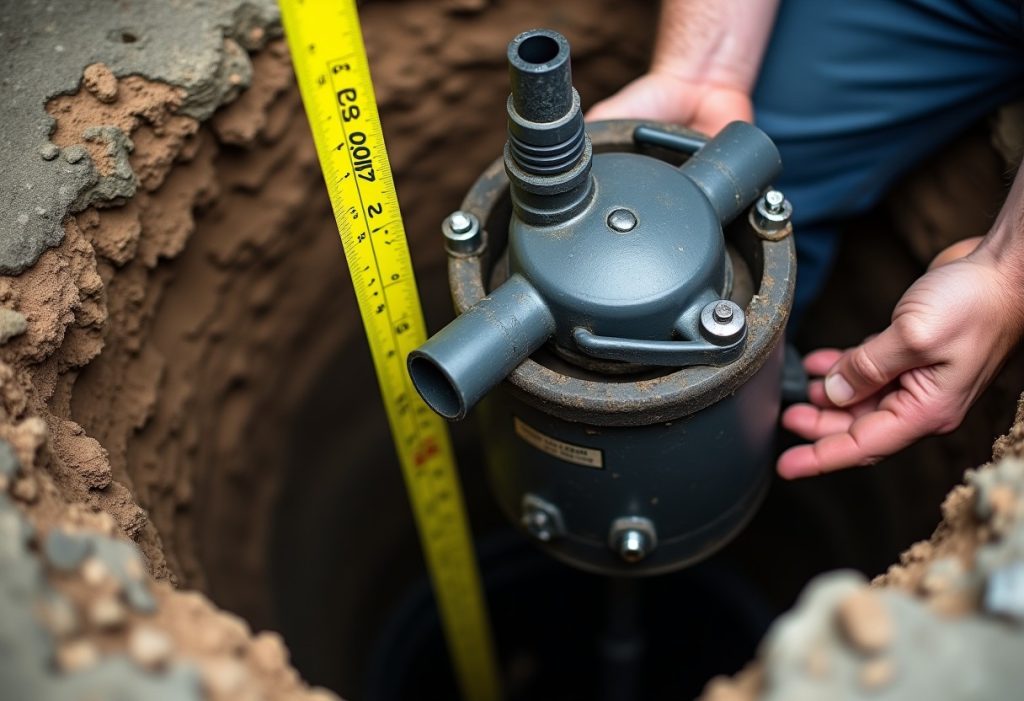
Match horsepower to your water table and your lift, not to the biggest number on the shelf. A 1/3 HP pump handles an average home with an average water table and a 7 to 10 foot vertical lift, which covers the majority of basements. Step up to 1/2 HP for a high water table, a deep pit, or a long horizontal discharge run.
A 1/2 HP unit moves roughly 35 to 40 percent more water than a 1/3 HP and pushes it higher, per sump pump sizing guides. Oversizing backfires, though: a pump too large for the inflow empties the pit in seconds and short-cycles, which wears the motor and switch faster. For a below-grade bath that lifts sewage rather than groundwater, you need a different pump entirely, covered in sump pump vs sewage ejector pump and in a below-grade basement bathroom build.
How do you choose the right sump pump type?
Work through four questions in order: how much water, how much noise you can tolerate, how likely an outage is, and your budget. High inflow and a finished basement point to a submersible; a tight budget and an unfinished utility space make a pedestal reasonable; and any home in a storm or flood zone should add a backup regardless of the primary you pick.
- Estimate inflow. A fast-filling pit or a high water table calls for a submersible at 1/2 HP; a slow, occasional pit is fine with 1/3 HP.
- Weigh noise. A finished basement or bedroom nearby favors a quiet submersible over a louder pedestal.
- Assess outage risk. Frequent, short outages suit a battery backup; long multi-day outages on city water favor a water-powered backup.
- Set the budget. A combination unit costs more up front but bundles primary and backup, often cheaper than buying and installing two separate pumps.
How we sourced this
We compared published manufacturer specifications from Zoeller (M53, 540, AquaNot) and Wayne (CDU980E), plus Liberty Pumps product lines, against pump-industry service-life estimates and retailer buying guides from Ferguson. Lifespan, flow, and cost figures are stated as ranges because they vary by horsepower, water table, cycle frequency, and region. We consulted roughly a dozen sources and cited the primary manufacturer specs and buying guides directly. Prices are US pump-only figures as of September 2026 and exclude installation, which the linked cost guide covers. We excluded vendor pages that sold a single brand without published specs.
Frequently asked questions
What are the main types of sump pumps?
There are two primary sump pump designs plus backup and combination units. A submersible pump sits inside the pit fully underwater. A pedestal pump keeps its motor on a shaft above the pit. On top of those, a battery backup and a water-powered backup protect against power loss, and a combination unit packages a primary pump and a battery backup in one basin.
Which is better, a submersible or pedestal sump pump?
A submersible pump is quieter, hidden in the pit, and moves more water, but its sealed motor sits in water and lasts about 8 to 12 years. A pedestal keeps the motor dry above the pit, so it commonly lasts 25 to 35 years and costs less up front, but it is louder and more exposed. Submersible suits high-volume, finished basements; pedestal suits budget and long life.
How long does each type of sump pump last?
A submersible sump pump typically lasts 8 to 12 years because its motor is sealed and submerged. A pedestal pump often runs 25 to 35 years since the motor stays dry above the pit, with no seal to fail. Backup pumps depend on the battery, which usually needs replacing every 3 to 5 years even if the pump itself survives longer.
Why does every sump pump need a backup?
A standard sump pump runs on household power, so a storm that floods your basement is also the storm most likely to knock out the grid. A backup pump keeps pumping when the primary loses power or fails. Battery units run about 7 to 10 hours on a fresh charge, while water-powered units run indefinitely as long as city water pressure holds.
What is the difference between battery and water-powered backup pumps?
A battery backup pump runs off a deep-cycle battery and moves 2,500 to 3,500 gallons per hour, but it stops when the battery drains, usually after 7 to 10 hours. A water-powered backup uses municipal water pressure and the Venturi effect to run with no time limit, but it moves less water, around 800 to 1,500 gallons per hour, and uses roughly 1 gallon of city water for every 2 it removes.
What is a combination sump pump?
A combination sump pump packages a primary pump and a battery backup pump in a single basin, often with a shared controller and alarm. The primary handles daily pumping on household power, and the backup takes over automatically during a power outage or primary failure. Basement Watchdog and Wayne sell popular 1/3 HP combination systems for homeowners who want both pumps preset and wired together.
What horsepower sump pump do I need?
A 1/3 HP pump handles an average home with an average water table and a 7 to 10 foot lift, which covers most basements. Step up to 1/2 HP if you have a high water table, a deep pit, or a long discharge run, since a 1/2 HP unit moves roughly 35 to 40 percent more water and pushes it higher. Bigger is not always better, as an oversized pump short-cycles.
Are pedestal sump pumps still worth buying?
Yes, for the right basement. A pedestal pump costs about $80 to $200, runs 25 to 35 years, and is easy to service because the motor sits above the water. The trade-offs are noise and a smaller flow rate, and the exposed motor is a hazard in a finished space where children play. For an unfinished utility basement on a budget, a pedestal is a sound choice.


