Slow Filling Toilet: Causes and Fixes
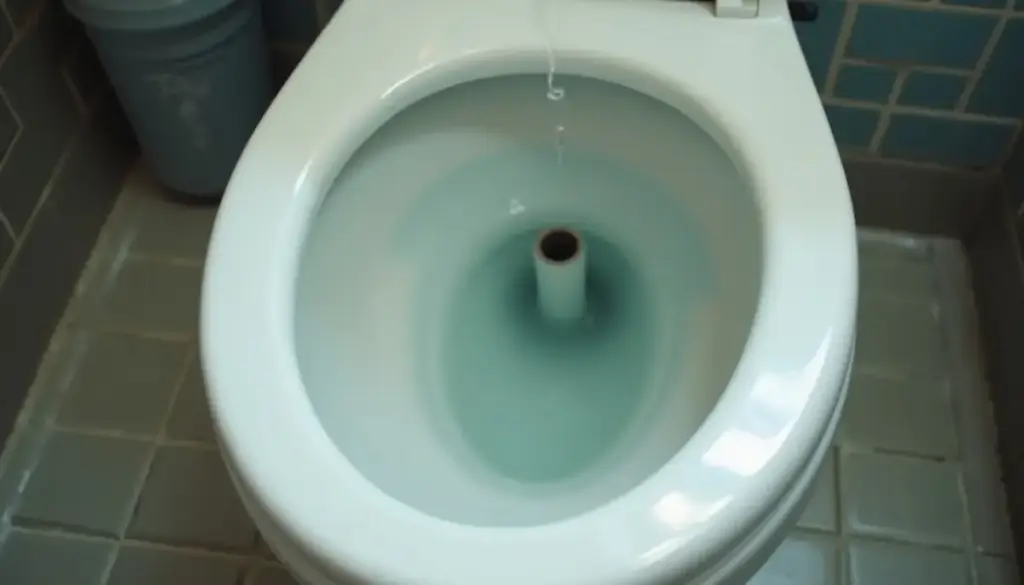
A slow filling toilet is almost always a flow restriction at the shutoff, supply line or fill valve inlet, and most are fixed with a valve flush, a $10 to $20 part or simply opening the stop.
Key Takeaways
- A healthy tank refills in about one minute per Mr. Rooter, or one to two minutes per Lee Company. Three minutes or more signals a restriction.
- Fluidmaster’s 400A instructions clear debris by releasing the cap one-eighth of a turn, holding a cup over the valve and cycling the water on and off a few times.
- Kohler tests fill valves from 20 psi to 80 psi, and pressure-assist toilets at 1.1 gpf or less need at least 35 psi static.
- If the float cup does not drop when you flush, Fluidmaster says to replace the seal with a genuine Fluidmaster 242.
- Korky recommends replacing any fill valve more than 5 years old, and Fluidmaster says the same about the supply connector.
- Angi prices a slow-filling toilet repair at $60 to $200 in 2026, with plumbers charging $45 to $200 per hour.
How long should a toilet take to fill, and when is it slow?
A normal toilet tank refills in about one minute, according to Mr. Rooter, and Lee Company gives a one to two minute window. Time three flushes. If the average runs past three minutes, or has grown over a few weeks, something is choking the flow.
None of the Fluidmaster, Korky or Kohler documents we checked publish a refill-time spec. EPA WaterSense toilets use 1.28 gallons per flush or less, 20 percent below the 1.6 gallon federal standard, so a slow fill on one of these is a restriction, not a big tank.
A tank that fills fine while the bowl stays low is a different fault, covered in our guide to a toilet bowl not filling.
What causes a slow filling toilet?
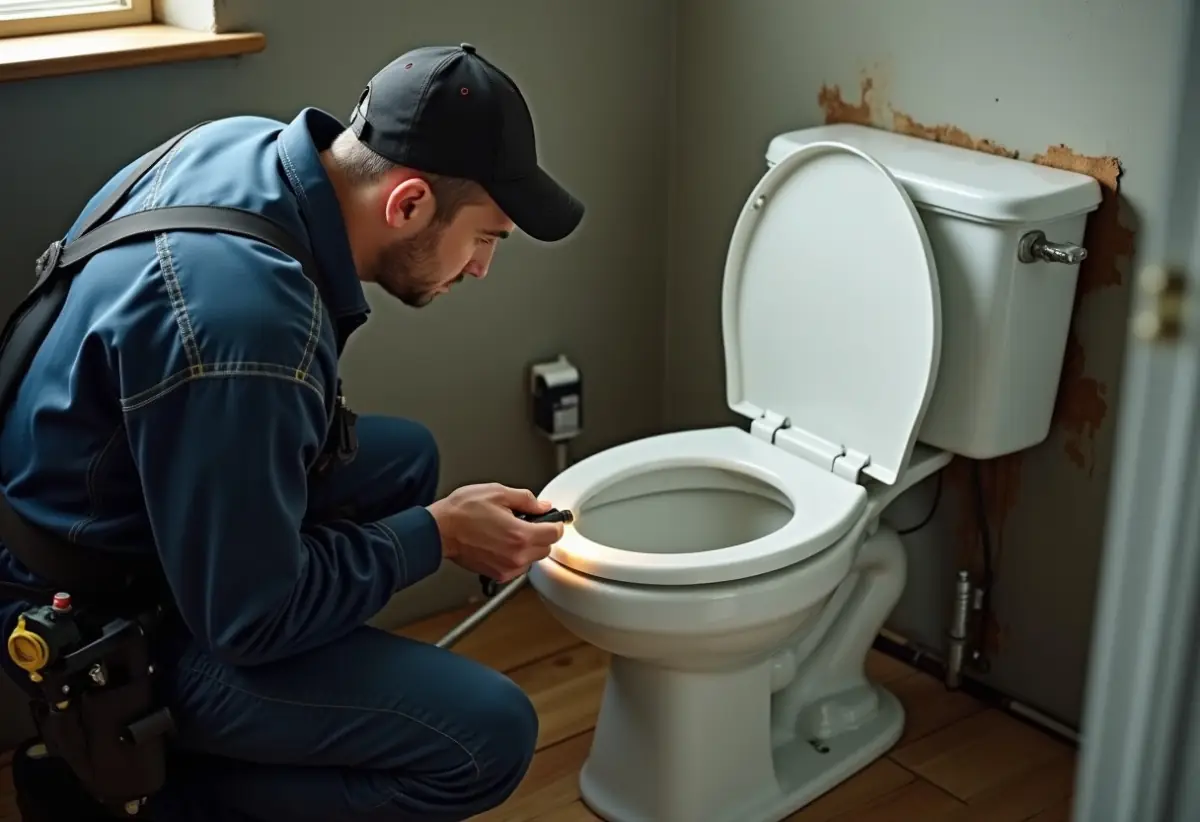
Seven faults cause most slow filling toilets: a partly closed shutoff, a kinked or scaled supply line, grit in the fill valve, a worn valve seal, house pressure under 20 psi, a float set too low and, on old toilets, a waterlogged ballcock float. Match your symptom in the table, then jump to the matching fix below.
| Symptom | Likely cause | Fix |
|---|---|---|
| Slow fill started after plumbing work or cleaning behind the toilet | Shutoff valve bumped or left partly closed | Turn the stop counterclockwise until it stops. Replace it if it will not open fully. |
| Weak flow into a bucket with the line disconnected | Kinked supply line, or blockage at the stop or in the supply pipe (Korky test) | Straighten or replace the line. Call a plumber if the stop itself delivers little water. |
| Strong bucket flow, but the tank still fills slowly | Debris in the fill valve cap or inlet strainer | Flush the valve per Fluidmaster or rinse the Korky strainer. |
| Float cup does not drop when you flush | Worn fill valve seal | Install a genuine Fluidmaster 242 seal on a 400A. |
| Every faucet and the shower are also weak | House pressure low, often a failing pressure-reducing valve | Test pressure at a hose bib. Kohler’s floor for fill valves is 20 psi. |
| Tank stops well below the overflow and flushes are weak | Float set too low | Turn the 400A adjustment screw clockwise. Eight turns raise it 1/2 inch. |
| Brass arm with a ball float that sits low or sloshes when shaken | Waterlogged float on an old ballcock | Replace the float, or better, the whole ballcock with a float-cup valve. |
| Tank refills on its own between flushes | Flapper leak, not a slow valve | Clean the flapper and seat, or swap the flapper. Fluidmaster lists its 502, 507AKR, 540AKR and 555C kits. |
Is the shutoff valve or supply line slowing the fill?
Check the shutoff and supply line first because they cost nothing to test and they cause many slow fills. Turn the stop behind the toilet counterclockwise until it stops. Then use the bucket test from Korky to see whether full flow reaches the toilet at all.
- Turn the stop clockwise to close it and flush to empty the tank.
- Unscrew the supply line’s coupling nut from the bottom of the fill valve and point the line into a bucket.
- Open the stop slowly and watch the stream. A strong, steady stream clears the stop and line.
- If the flow is weak, check the line for kinks. If the line is straight, the restriction is in the stop or the pipe feeding it.
Old multi-turn stops are common culprits because hardened washers and scale keep them from opening fully. If yours is seized or leaks at the stem, you can replace the shut-off valve with the main water off.
Inspect the supply connector while it is off. Fluidmaster’s instructions say to replace it if it is worn or more than 5 years old to prevent flooding. When you reconnect, turn the coupling nut clockwise by hand until tight, then turn it only enough to stop a drip.
How do you flush debris out of a slow filling toilet fill valve?
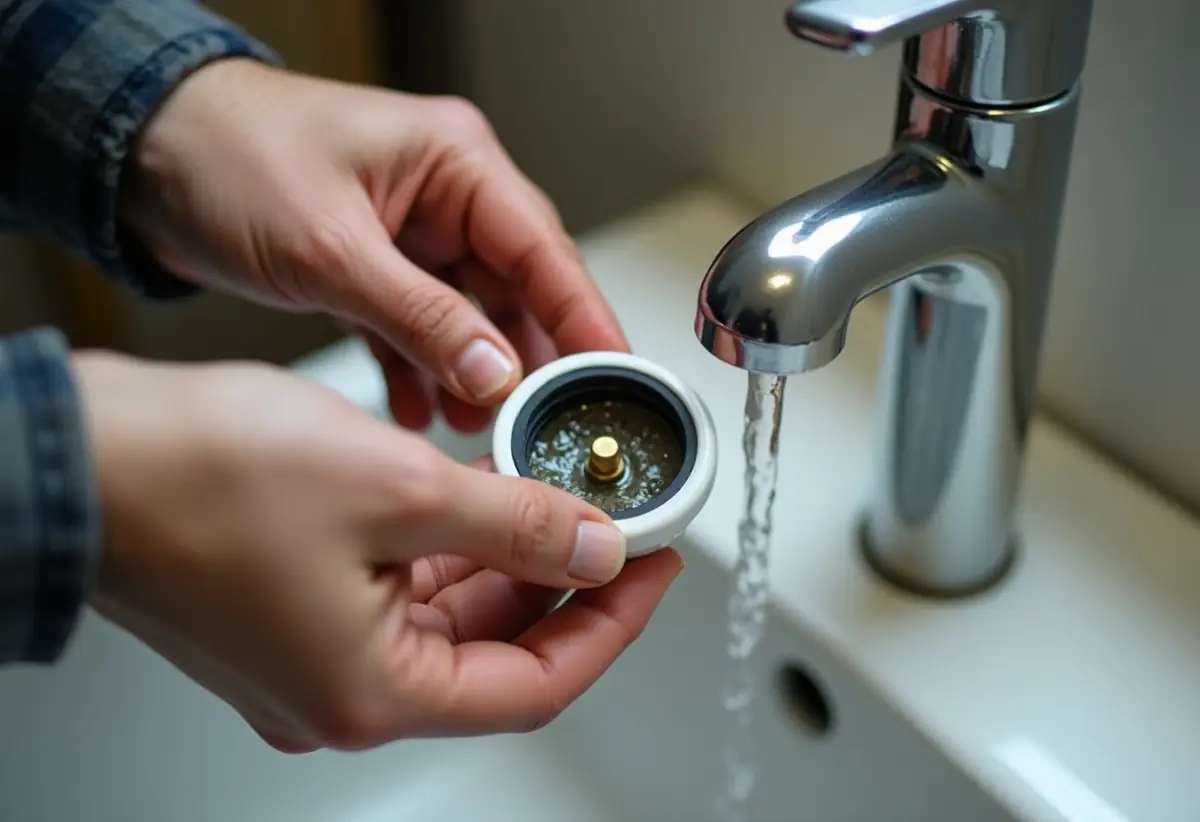
If the bucket test shows strong flow, the restriction is inside the fill valve, and a debris flush is the first fix. Grit from the supply line lodges under the cap and against the seal. Fluidmaster’s 400A instructions give this exact sequence.
- Turn off the water supply and flush the tank empty.
- Push the float up with your right hand and grip the shaft under the float.
- With your left hand, twist the cap and lever counterclockwise 1/8 of a turn to release the top cap. Pressing down helps on older valves.
- Let the cap assembly hang on the float cup.
- Hold a cup upside down over the open valve to stop splashing, then turn the supply on and off a few times. Lee Company suggests bursts of 5 to 10 seconds until the water runs clear.
- Turn the supply off, set the cap on the gray body with the arm next to the refill tube, press down and rotate clockwise to lock.
On a Korky valve, Korky says to remove the cover and float, turn the cap 1/8 turn left, pull the supply tube straight out and rinse the white strainer at its bottom under warm water.
If grit comes back within weeks, the source is upstream, which can be scale breaking loose in old galvanized pipe.
A worn seal is the next suspect. Fluidmaster says that if the valve has been in use for some time, or the float cup does not drop when you flush, replace the seal with a genuine Fluidmaster 242, which sits under the same cap. Fluidmaster also warns that drop-in bowl cleaners containing bleach or chlorine damage tank components and void its 5-year limited warranty.
Can low water pressure make a toilet tank take forever to fill?
Yes. A fill valve needs a minimum supply pressure to open with full flow. Kohler tests its fill valves from 20 psi minimum to 80 psi maximum, and says ASME and CSA codes require 20 psi to 80 psi static for gravity tanks. Lee Company puts typical residential pressure at about 45 to 60 psi.
The quick test is to open the bathtub spout fully. If it runs hard while the toilet crawls, pressure is fine and the problem is local. If every fixture is weak, screw a pressure gauge onto a hose bib and read static pressure with nothing running. A reading under 20 psi explains the toilet, and our guide to low water pressure walks through the pressure-reducing valve, municipal supply and leak causes.
Pressure-assist toilets at 1.1 gpf or less need at least 35 psi static, per Kohler, so a home that runs a gravity toilet fine can still starve one.
Is the float set too low or waterlogged?
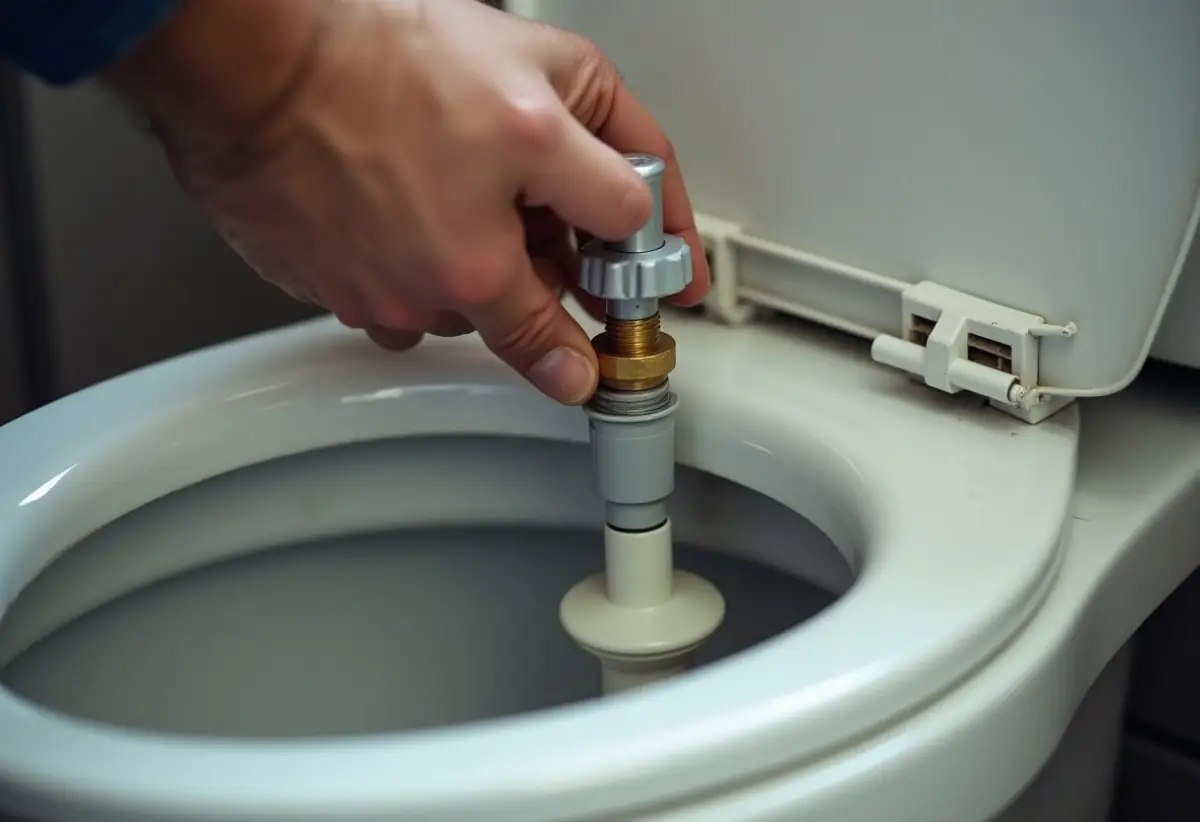
A float set too low does not slow the flow, but it shuts the valve early, so the tank looks like it never finishes filling and flushes come out weak. On a Fluidmaster 400A, turn the adjustment screw clockwise to raise the water level. Fluidmaster’s hint is that 8 turns move the float 1/2 inch. Flush, adjust while the tank refills, then check again.
Set the water about 1/2 inch below the top of the overflow pipe, which is Fluidmaster’s recommendation. Two other marks matter. The critical level (C.L.) mark on the valve must sit 1 inch above the top of the overflow pipe, which Fluidmaster’s instructions call a plumbing code requirement, and the overflow top must be at least 1 inch below the tank lever hole.
Old brass ballcocks use a hollow ball on a rod. When that ball cracks and takes on water, it rides low and throttles the valve early. Unscrew the ball and shake it. If you hear water inside, replace it, though replacing the whole ballcock with a float-cup valve is the better fix on a toilet old enough to have one.
Check the refill tube too. Fluidmaster says to clip it to the overflow pipe and never shove it down the pipe, and Korky warns that doing so can create a siphon that keeps the valve running.
When should you replace the fill valve, and what does it cost?
Replace the fill valve when a debris flush and seal swap do not restore a strong fill, when the valve is cracked or not serviceable, or when it is more than 5 years old, which is Korky’s threshold. Common universal float-cup replacements include the Fluidmaster 400A and Korky’s 528MP QuietFILL Platinum, and you can learn more about how a toilet fill valve works before you buy.
Ace Hardware lists the 400A as adjustable from 9 to 14 inches. Fluidmaster’s install sequence has these steps.
- Mark the current water line with a pencil, shut the water off clockwise, flush and sponge out the tank.
- Remove the supply coupling nut and the locknut, then lift out the old valve.
- Set the new valve’s height so its top sits 3 inches above the overflow pipe, which places the C.L. mark 1 inch above it. Twist the lower shank counterclockwise to lengthen, and do not move the lock ring.
- Put the shank washer on flat side up, set the valve with the nipple facing the tank center and hand-tighten the locknut only. Fluidmaster warns that overtightening can crack the valve or tank.
- Connect the refill tube and clip, attach the supply nut by hand, turn the water on and check for leaks.
- Set the water level 1/2 inch below the overflow with the adjustment screw.
| Repair route | Typical cost | Source |
|---|---|---|
| DIY fill valve swap (part only) | About $10 to $20 | Lee Company |
| Fill valve replacement by a plumber | $60 to $150, most pay about $125 | HomeServe, citing Fixr |
| Slow-filling toilet repair, any cause | $60 to $200 | Angi, 2026 |
| Plumber labor rate | $45 to $200 per hour, labor is 60% to 75% of the bill | Angi, 2026 |
Call a plumber when a stop will not open, the supply pipe is corroded, or every fixture is weak and you suspect the pressure-reducing valve. Angi notes labor drives most of the bill, so batch a stop replacement with the fill valve on one visit.
How we sourced this
We consulted 14 sources in October 2026 and cited 8. Repair steps, part numbers and dimensions come from Fluidmaster’s 400A installation instructions (part 4-743, rev. 6) and Korky’s slow-fill repair guide. Pressure figures come from Kohler’s published psi requirements. Flush volumes come from EPA WaterSense. Costs come from Angi’s 2026 toilet repair guide and HomeServe’s fill valve guide citing Fixr. Refill-time benchmarks come from Mr. Rooter and Lee Company, since no manufacturer we checked publishes one. We excluded unattributed cost pages and forum pressure claims we could not trace to a maker.
Frequently asked questions
How long should it take a toilet to refill?
Plumbing contractors put a normal refill at about one minute (Mr. Rooter) or one to two minutes (Lee Company). None of the Fluidmaster, Korky or Kohler documents we checked publish a refill-time spec. If your tank takes three minutes or more, or the time has crept up over weeks, treat it as a restriction and start with the shutoff valve.
How do I make my toilet fill faster?
Open the shutoff valve fully, straighten or replace a kinked supply line, then flush debris out of the fill valve with the cap off and a cup held over the valve. If the float cup does not drop when you flush, replace the seal (Fluidmaster 242 on a 400A). A fill valve older than five years is usually worth replacing outright.
Can low water pressure cause a toilet to fill slowly?
Yes. Kohler tests its fill valves between 20 psi and 80 psi, and ASME and CSA codes call for at least 20 psi static at gravity toilets. Below that the valve opens but flow is weak. If the shower, sinks and toilet are all slow, suspect house pressure or a failing pressure-reducing valve rather than the toilet.
Why is only my toilet slow to fill when the sink runs fine?
A slow toilet with normal sinks points to something local, usually a partly closed stop, a kinked supply line, grit in the fill valve inlet screen or a worn valve seal. Korky suggests disconnecting the supply line into a bucket and opening the water slowly. Strong flow into the bucket means the fill valve is the restriction.
How do you clean a Fluidmaster fill valve?
Shut off the water and flush. Push the float up, hold the shaft, then twist the cap and lever counterclockwise one-eighth of a turn and let the cap hang. Hold a cup upside down over the open valve and turn the water on and off a few times. Shut the water off before relocking the cap clockwise.
How much does it cost to fix a slow filling toilet?
Angi puts a slow-filling toilet repair at $60 to $200 in 2026, and HomeServe, citing Fixr data, lists fill valve replacement at $60 to $150 with most homeowners paying about $125. Doing it yourself costs only the part, which Lee Company prices at roughly $10 to $20 for a standard fill valve.
When should I replace a toilet fill valve instead of cleaning it?
Replace it when cleaning does not restore a strong fill, when the valve is cracked or not serviceable, or when it is more than five years old, which is Korky’s cutoff. Fluidmaster also points to a seal swap when the float cup will not drop. Old brass ballcocks with waterlogged float balls are better replaced than repaired.
Why is my toilet tank not filling up fast?
A slow fill is almost always a flow restriction at the shutoff, supply line or fill valve inlet. Common causes include a partly closed shutoff, a kinked or scaled supply line, grit in the fill valve, a worn valve seal, house pressure under 20 psi, a float set too low, or on old toilets a waterlogged ballcock float. Most fixes cost $10 to $20 or just opening the stop.