Washing Machine Standpipe Height: Code Minimums and Maximums
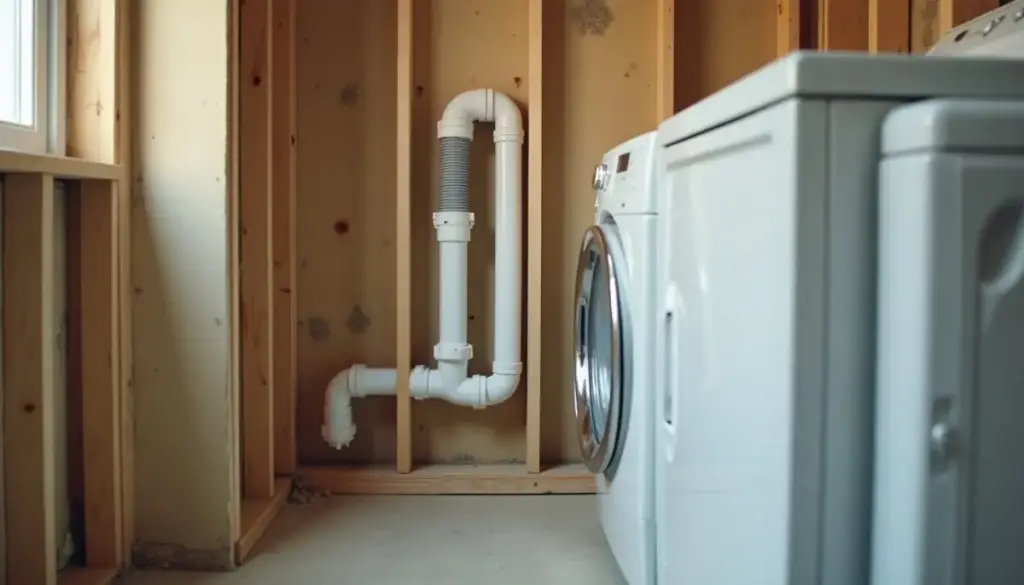
Washing machine standpipe height under the 2024 IPC and IRC is 18 to 42 inches above the trap weir, and Whirlpool’s top-load guide adds that the pipe top must sit at least 39 inches high.
Key Takeaways
- 2024 IPC Section 802.4.3 and 2024 IRC Section P2706.1.2 both set the standpipe at not less than 18 inches and not more than 42 inches above the trap weir.
- Code measures from the trap weir, not the floor, and neither the IPC nor the IRC text we read sets a trap height above the floor.
- IPC Section 406.2 requires a 2-inch trap and fixture drain, connected to a 3-inch or larger branch or stack, plus an air break at the hose.
- Whirlpool’s dimension guide W10240509C for the WTW5700XL top-loader wants the standpipe top at least 39 inches high and no higher than 96 inches from the bottom of the washer.
- The same Whirlpool guide caps the hose at 4.5 inches inside the standpipe and calls for 17 gallons per minute of carry-away capacity.
- A laundry tray that drains into the standpipe raises the minimum to 30 inches above the weir under IPC 802.4.3.1 and IRC P2706.1.2.1.
What is the code height for a washing machine standpipe?
The code height for a washing machine standpipe is at least 18 inches and no more than 42 inches above the trap weir. Both the 2024 International Plumbing Code, Section 802.4.3, and the 2024 International Residential Code, Section P2706.1.2, use those exact numbers. The IPC adds that standpipes shall be individually trapped and that access must be provided for rodding.
The 2020 Plumbing Code of New York State carries the same 18 and 42 inches in its Section 802.4.3. Older articles that cite IRC “P2706.2” for this rule point at the wrong subsection. In the 2024 IRC, P2706.2 covers prohibited waste receptors.
Uniform Plumbing Code states, such as California, Washington and Oregon, set the rule in UPC Section 804.1 instead. That IAPMO text sits behind a login, so we do not quote it here; ask your building department for the height it enforces before you cut pipe.
Where do you measure washer standpipe height from?
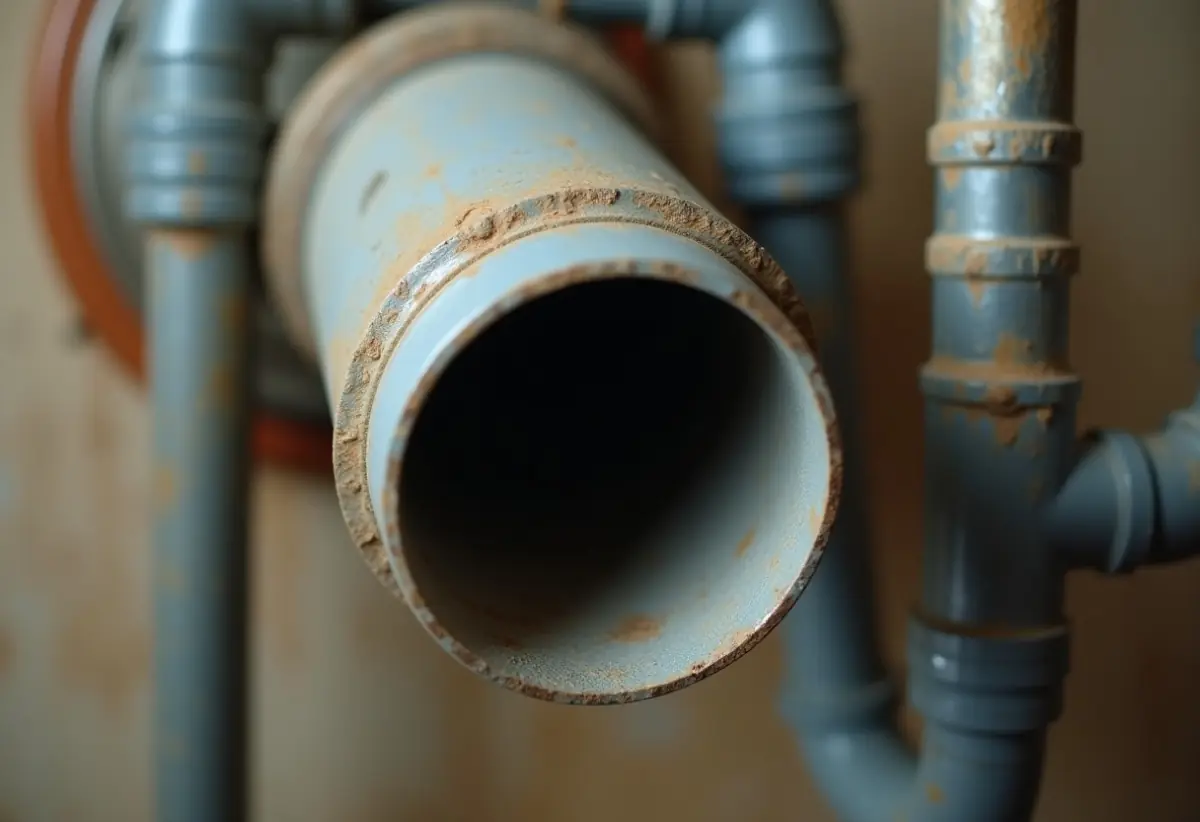
You measure washer standpipe height from the trap weir, the high point inside the trap where water spills over into the drain, up to the open top of the standpipe. The floor is not the reference for the code number. A tape held from the floor gives the wrong answer by however high the trap sits.
The weir sits level with the top of the standing water. Measure from the floor to the inside bottom of the trap’s outlet pipe, then from the floor to the standpipe rim. Subtract the first number from the second. That difference must land between 18 and 42 inches.
The general trap rule does not change this. IPC Section 1002.1 limits most fixtures to 24 inches of vertical drop from the fixture outlet to the trap weir, but the same section says clothes washer standpipe height above a trap shall conform to 802.4.3. The IRC repeats that in Section P3201.6, pointing back to P2706.1.2.
Neither code sets how high the trap itself sits above the floor. A trap rough-in range quoted by an inspector comes from a UPC jurisdiction or a local amendment.
How tall should a washing machine standpipe be for your washer?
A washing machine standpipe should be tall enough to pass code and tall enough for your washer’s manual, which can be stricter. Whirlpool’s dimension guide W10240509C for the WTW5700XL says the top of the standpipe must be at least 39 inches high and no higher than 96 inches from the bottom of the washer. Guide W10240509F, which covers the WTW4955HW and related models, repeats both numbers.
Put the two rules together and the window shrinks. Here is the math at three trap weir heights.
| Trap weir above floor | Code range for standpipe top (above floor) | Window that also meets Whirlpool’s 39 in top |
|---|---|---|
| 8 in | 26 to 50 in | 39 to 50 in |
| 12 in | 30 to 54 in | 39 to 54 in |
| 18 in | 36 to 60 in | 39 to 60 in |
The lesson: an 18-inch standpipe over a low trap is legal but too short for many top-loaders. Aim for a top between 39 and 48 inches off the floor and you clear both rules in most laundry rooms. Other brands print their own limits in the installation instructions packed with the machine.
What size standpipe and trap does a washing machine need?
A washing machine needs a 2-inch trap and a 2-inch fixture drain, and that drain must join a 3-inch or larger branch or stack. IPC Section 406.2 spells out all three. The IRC sets the same 2-inch trap minimum for a clothes washer standpipe in Table P3201.7.
The fixture unit load is small. IPC Table 709.1 rates a residential automatic clothes washer at 2 drainage fixture units and a commercial one at 3, both on a 2-inch trap. IRC Table P3004.1 gives a clothes washer standpipe 2 fixture units and a laundry group, standpipe plus laundry tub, 3 units.
Whirlpool’s guide asks for a 2-inch minimum standpipe diameter and a minimum carry-away capacity of 17 gallons per minute. A 1-1/2 inch standpipe, still found in older laundry rooms, falls below that 2-inch minimum and often cannot keep up with the pump-out.
Every standpipe also needs its own P-trap holding a water seal of 2 to 4 inches, which IPC 1002.4 and IRC P3201.2 both require. That seal is what stops sewer gas at the laundry room wall.
How far should the washer drain hose go into the standpipe?
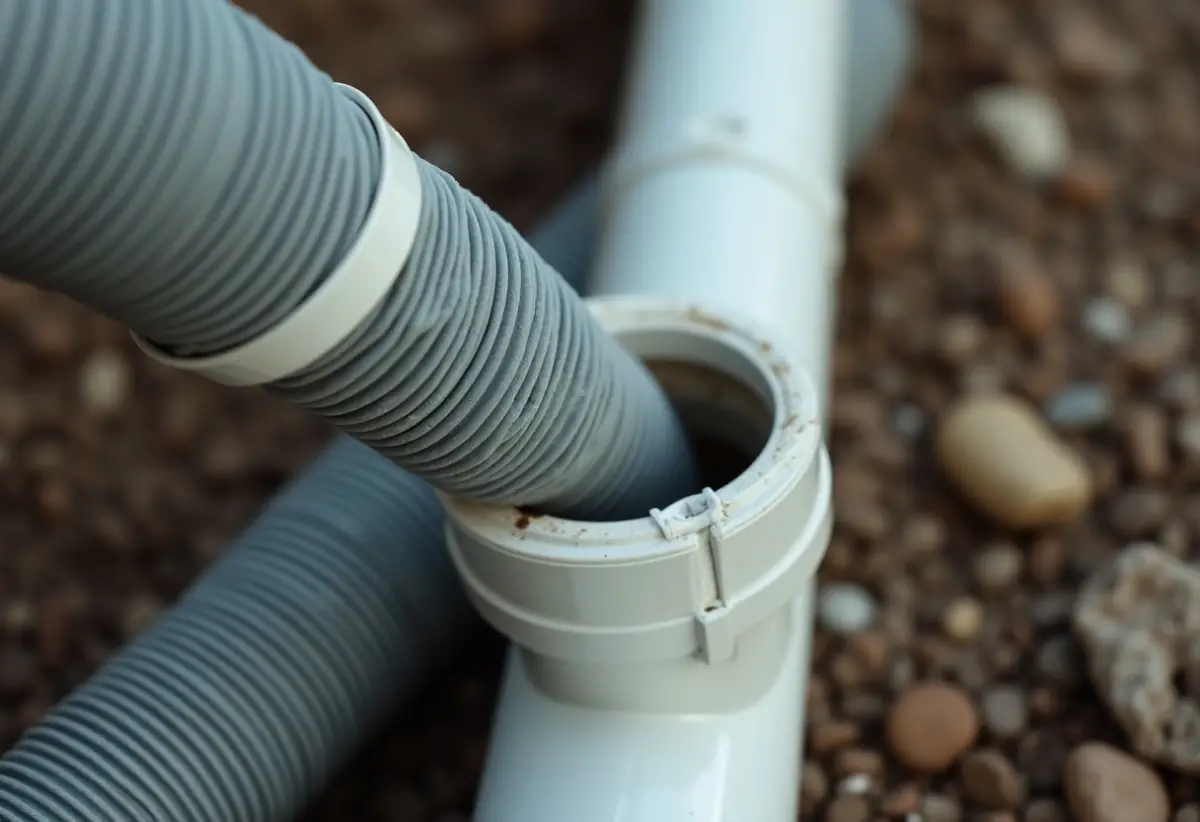
The washer drain hose should go no more than 4.5 inches into the standpipe, according to Whirlpool’s top-load dimension guides W10240509C and W10240509F. The guide says that limit is there to avoid siphoning, and it tells installers to secure the hose with a cable tie so the pump surge cannot kick it out of the pipe.
The code piece is the air break. IPC 406.2 says washer waste shall discharge through an air break into a standpipe or into a laundry sink, and IRC Section P2718.1 says the same in one sentence. In practice that means the hose sits loose in the pipe with open air around it.
- Do not wrap the hose to the standpipe with duct tape or foam; that kills the air break.
- Do not push the hose deeper than 4.5 inches; Whirlpool says the limit exists to avoid siphoning.
- Do use the hose’s U-shaped form or a cable tie to hold it at the 4.5-inch mark.
A floor-drain setup with no standpipe works differently. Whirlpool’s guide calls for Siphon Break Kit part 285834, two Connector Kits part 285835 and Extension Drain Hose part 285863, with a minimum siphon break of 28 inches from the bottom of the washer.
Why does a short or narrow standpipe overflow?
A short or narrow standpipe overflows because the washer pumps water in faster than the pipe and trap can drop it. A standpipe that is too short has little room to hold the surge before water reaches the rim. A 1-1/2 inch pipe has less flow capacity than the 2-inch size that IPC 406.2 now requires, so the column climbs and spills.
Water only at the standpipe at the start of pump-out points to height or diameter; water at a floor drain too points to a clog farther down. Our guide to a washing machine drain backing up walks through that diagnosis by where and when the water appears.
To fix a standpipe that is too short, work in this order:
- Measure from the trap weir to the standpipe rim and confirm it is under 18 inches, or under your washer’s top-height minimum.
- Check the pipe diameter; a 1-1/2 inch standpipe should be replaced with 2-inch pipe rather than extended.
- For a 2-inch pipe, add a solvent-welded coupling and a new length of pipe to raise the top, keeping it no more than 42 inches above the weir.
- Reset the hose to 4.5 inches deep, run a drain and spin cycle, and watch the rim during the full pump-out.
Can a laundry sink drain into the washer standpipe?
A laundry sink can drain into the washer standpipe, but the standpipe then has to be taller. IPC Section 802.4.3.1 lets a laundry tray waste line without its own trap connect to the standpipe if the standpipe rises at least 30 inches above the weir of its trap and above the laundry tray’s flood level rim.
The tray outlet must sit no more than 30 inches horizontally from the side of the standpipe under the IPC. IRC Section P2706.1.2.1 sets the same 30-inch height and measures the 30-inch horizontal distance from the standpipe trap. Our utility sink plumbing guide covers the tub’s own trap and vent if you plumb it separately.
The washer can also skip the standpipe. IPC 406.2 allows discharge into a laundry sink, and the exception in IRC Section P2706.2 says a laundry tray is acceptable as a receptor for a clothes washing machine. Whirlpool’s guide sets its own bar for that route: a tub of at least 20 gallons whose top sits at least 39 inches above the floor.
What if the drain sits higher than the washer can pump?
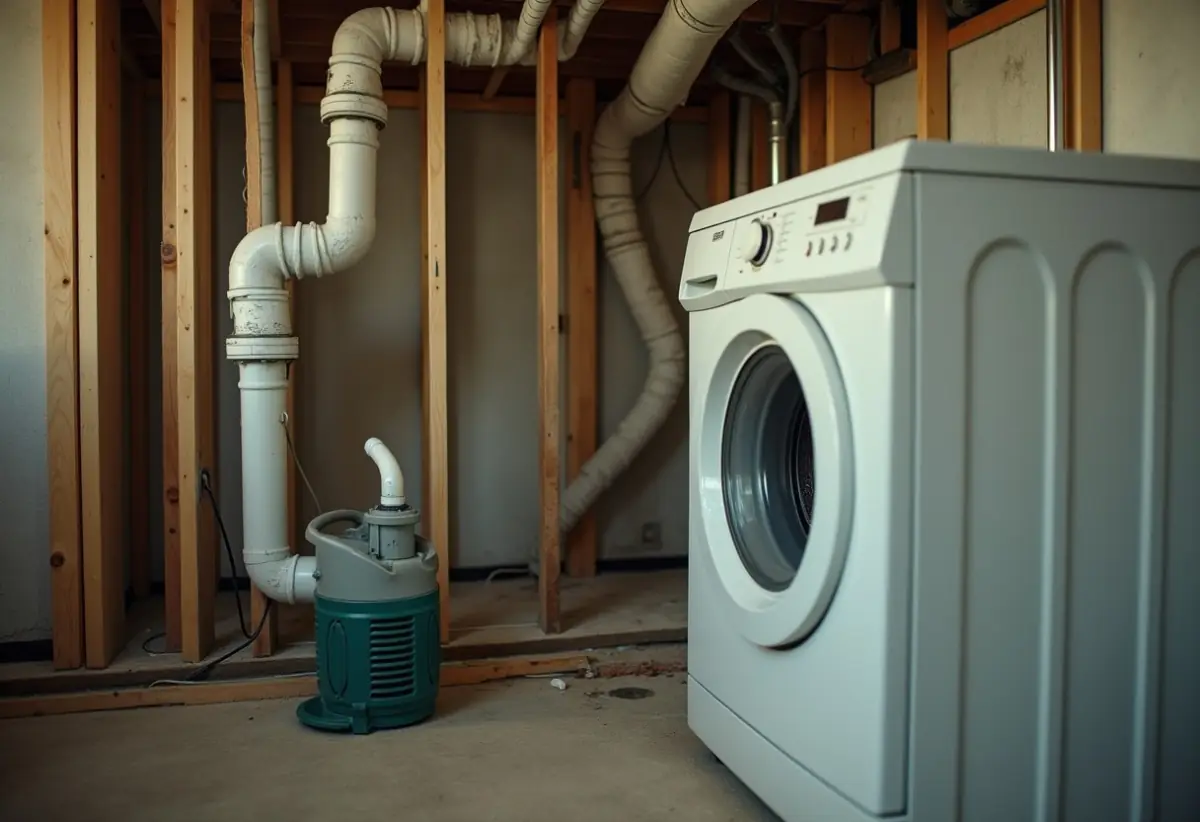
If the drain sits higher than the washer can pump, you need a pump system, not a taller standpipe. Whirlpool’s guide says to install the standpipe or laundry tub no higher than 96 inches from the bottom of the washer, and that a sump pump system is required to go higher. That case comes up most often with a basement washer below the sewer line.
The common fix is a laundry tray pump: the washer empties into a basin, and a pump lifts the water to a drain above, where the 18-to-42-inch rule still applies.
Gravity-drain washers are the exception. IPC 406.2 permits an automatic clothes washer that drains by gravity to discharge to a waste receptor or an approved trench drain, with no standpipe at all. For how the full system ties together, read our explainer on the washing machine drain.
How do the IPC, IRC and washer manual rules compare?
The IPC and IRC agree on every standpipe number we checked, and the Whirlpool manual layers stricter appliance limits on top. Whichever rule is tighter controls your install.
| Rule | 2024 IPC | 2024 IRC | Whirlpool top-load guide |
|---|---|---|---|
| Standpipe minimum | 18 in above trap weir (802.4.3) | 18 in above trap weir (P2706.1.2) | Top at least 39 in high |
| Standpipe maximum | 42 in above trap weir (802.4.3) | 42 in above trap weir (P2706.1.2) | No higher than 96 in from bottom of washer |
| Trap size | 2 in (406.2, Table 709.1) | 2 in (Table P3201.7) | 2 in minimum standpipe diameter |
| Fixture units | 2 residential, 3 commercial (Table 709.1) | 2 per standpipe (Table P3004.1) | 17 gpm carry-away |
| Hose connection | Air break required (406.2) | Air break required (P2718.1) | No more than 4.5 in of hose inside |
| Laundry tray tie-in | 30 in above weir, 30 in max offset (802.4.3.1) | 30 in above weir, 30 in max offset (P2706.1.2.1) | Tub at least 20 gal, top at least 39 in |
How we sourced this
We read 16 sources and cite 11. Code text came from UpCodes: 2024 IPC Chapters 4, 7, 8 and 10; 2024 IRC Chapters 27, 30 and 32; and the 2020 Plumbing Code of New York State, Chapter 8. Appliance figures came from Whirlpool dimension guides W10240509C (WTW5700XL) and W10240509F (WTW4955HW). We excluded the UPC because its text sits behind a login, and we left out LG and Samsung figures because we could not reach their installation manuals. Checked October 2026.
Frequently asked questions
How tall should a washing machine standpipe be?
Under 2024 IPC Section 802.4.3 and 2024 IRC Section P2706.1.2, the standpipe must rise at least 18 inches and no more than 42 inches above the trap weir. Your washer may ask for more. Whirlpool’s top-load guide for the WTW5700XL wants the top of the standpipe at least 39 inches high and no higher than 96 inches from the bottom of the washer.
Is a 24 inch standpipe high enough for a washer?
A standpipe rising 24 inches above its trap weir passes the 18-inch code minimum in the IPC and IRC. Whether it works depends on the washer. If the trap weir sits 8 inches off the floor, the top lands at 32 inches, which falls short of the 39-inch minimum in Whirlpool’s top-load dimension guide and invites siphoning.
Can a washing machine standpipe be too tall?
Yes. The IPC and IRC cap the standpipe at 42 inches above the trap weir. The washer’s pump sets a second ceiling. Whirlpool’s guide says to install the drain no higher than 96 inches from the bottom of the washer and to add a sump pump system if the drain has to go higher than that.
What size pipe is a washing machine standpipe?
IPC Section 406.2 requires the trap and fixture drain for a clothes washer standpipe to be at least 2 inches in diameter, and that drain must tie into a 3-inch or larger branch or stack. IRC Table P3201.7 also lists a 2-inch minimum trap. Whirlpool’s guide adds a 17 gallon per minute minimum carry-away capacity for the drain.
How far should the drain hose go into the standpipe?
Whirlpool’s top-load dimension guide says no more than 4.5 inches of drain hose should sit inside the standpipe, then secure the hose with a cable tie. Pushing the hose deeper can start a siphon that pulls water out of the tub. The hose must also leave an air break, so never tape or seal it into the pipe.
Does a washing machine standpipe need a P-trap?
Yes. IPC 802.4.3 says standpipes shall be individually trapped, and IPC Table 709.1 sets a 2-inch minimum trap for a residential clothes washer. The trap must hold a water seal of 2 to 4 inches under IPC 1002.4 and IRC P3201.2, which keeps sewer gas out of the laundry room.
Can a laundry sink drain into the washer standpipe?
It can under IPC 802.4.3.1 and IRC P2706.1.2.1 if the standpipe rises at least 30 inches above its trap weir and above the laundry tray’s flood level rim. The tray outlet must sit within 30 inches horizontally of the standpipe. The IRC also lets a laundry tray act as the receptor for a clothes washer.