Toilet Wax Ring: What It Does, Signs It Failed, and How to Replace It
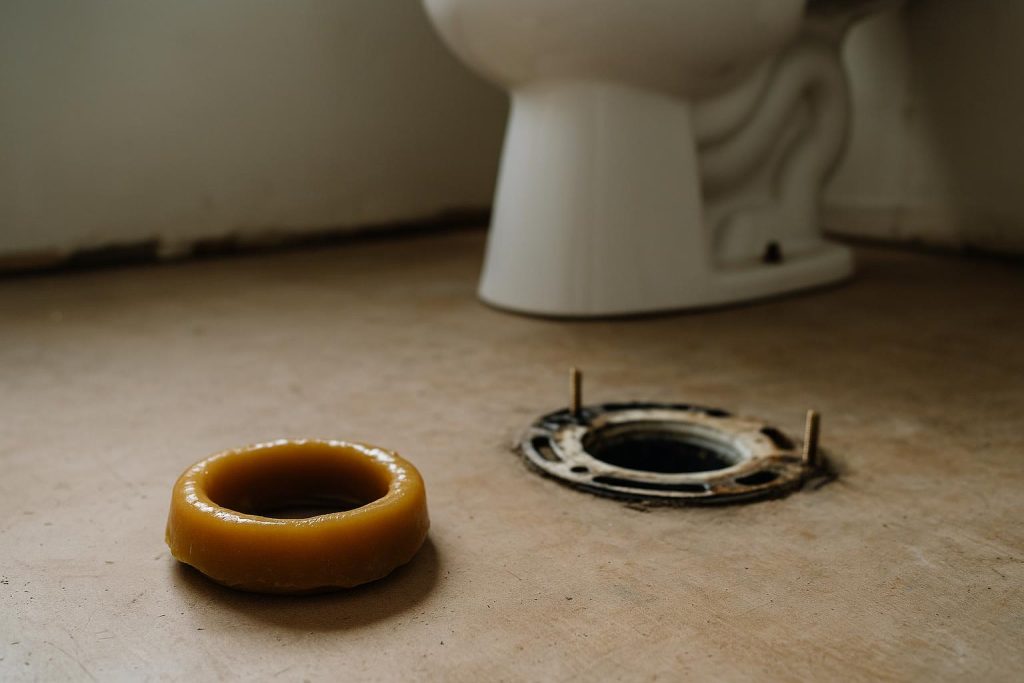
A toilet wax ring seals the toilet base to the closet flange, keeping flush water in the pipe and sewer gas out of the room; when it fails you get water, ooze, or a rotten-egg smell at the base.
Key Takeaways
- The wax ring is the gas-tight, watertight seal between the toilet base and the drain flange; if you see water pooling at the base, start with our guide to a toilet leaking at the base.
- Wax rings cost about $2 to $10 and waxless rubber or foam kits about $8 to $20 at US retail; the part is cheap, the labor of pulling the toilet is what you pay for.
- A plumber typically charges about $100 to $300 to replace a wax ring, per Angi and HomeGuide cost data, while a DIY swap takes 30 to 60 minutes.
- The closet flange should sit flush with the finished floor or up to about 1/4 inch above it, per Oatey installation guidance.
- The failure symptom to respect is sewer gas: it can contain hydrogen sulfide, which is toxic above about 10 ppm, so a rotten-egg smell at the base is not just an annoyance.
- A wax ring is single-use; it deforms permanently under the toilet, so you fit a fresh one every time you reset the fixture.
What does a toilet wax ring do?
A toilet wax ring seals the bottom of the toilet to the closet flange, the round fitting that anchors the toilet and connects it to the drain pipe. It does two jobs at once. It keeps flush water and waste flowing down into the pipe instead of leaking out onto the floor, and it blocks sewer gas from rising up around the base of the toilet into your bathroom. Sewer gas or no, a toilet that rocks on its base can crush that seal prematurely, which is worth checking with steps for fixing a wobbly toilet.
The seal forms when you set the toilet down and its weight compresses the soft wax against the flange and the toilet’s outlet, called the horn. That squeeze fills every gap and creates a watertight and gas-tight barrier. To see where the ring sits in the whole flush-and-fill cycle, our guide to how a toilet works maps out the tank, bowl, and drain path.
Wax ring vs waxless: which should you use?
Both seal reliably when installed right, so the choice comes down to mess and whether you might pull the toilet again. Wax is the cheap, proven standard but is single-use and gets messy if you have to reset the bowl. Waxless rubber or foam gaskets cost a few dollars more, leave no mess, let you reposition the toilet during the set, and can often be reused if undamaged.
Wax has one real edge: it forgives an imperfect flange better, molding to fill an odd gap. Waxless rings shine in cold garages or crawlspaces where wax gets stiff, and on jobs where you want to lower the toilet, check the fit, and lift it again without ruining the seal. If you are setting a new fixture, our guide to how to install a toilet covers seating either type on the flange bolts.
What are the types of toilet wax rings?
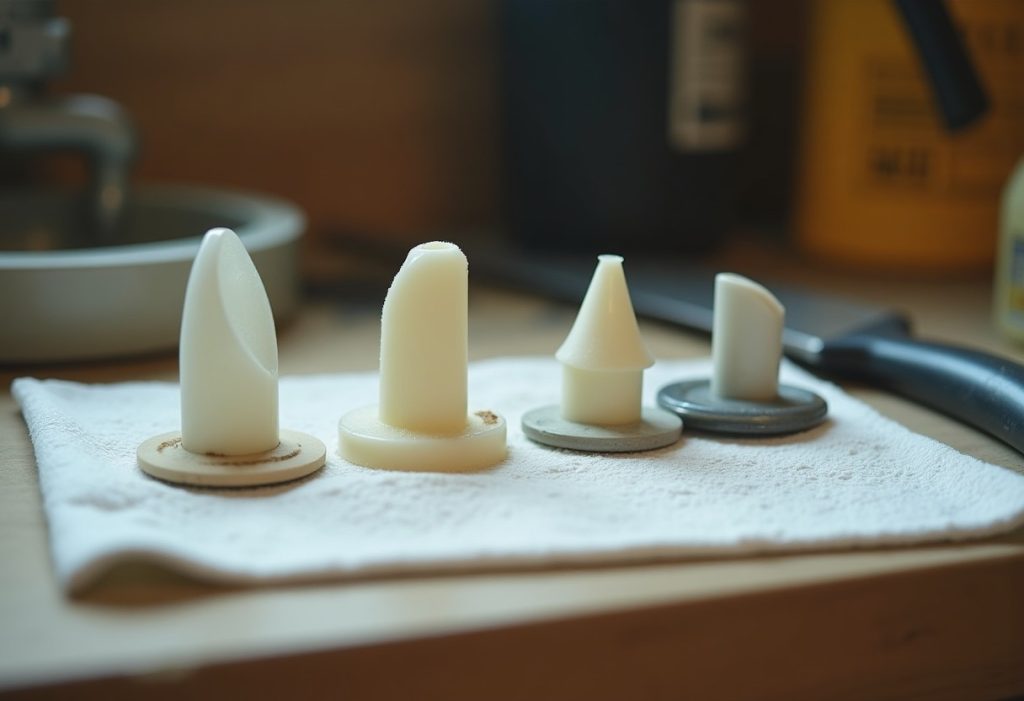
There are four common options, and they differ mainly by flange height and how much mess they make. A standard wax ring suits a flange at or near floor level. A wax ring with a plastic flange (a funnel horn) helps guide waste into the pipe and works well when the flange sits a little low. An extra-thick ring bridges a recessed flange. Waxless rubber or foam kits swap wax for a compressible gasket.
| Ring type | Reusable? | Best flange height | Mess | Best for |
|---|---|---|---|---|
| Standard wax | No, single-use | Flush with the finished floor | High; sticky to remove | Straightforward resets where the flange sits at floor level |
| Wax with plastic flange (horn) | No, single-use | Flush or slightly below floor | High | Guiding waste into the pipe; a flange sitting a touch low |
| Extra-thick wax | No, single-use | Recessed below the finished floor | Very high; more wax to clean | Thick flooring or a flange that ended up too low |
| Waxless (rubber or foam) | Often yes, if undamaged | Adjustable range; many are stackable | None; clean to handle | Repositionable sets, cold spaces, and toilets you expect to pull again |
When a flange is too low for a standard ring, the cleaner fix is often a flange spacer or extender rather than stacking two wax rings, which can squeeze out and leak over time. Oatey warns against relying on doubled-up wax where a spacer belongs.
What are the signs of a bad toilet wax ring?
Three signs point to a failed wax ring: water or a sticky brown ooze appearing at the base of the toilet, a toilet that rocks or feels loose when you sit or lean, and a persistent sewer-gas smell near the fixture. A bad ring does not always puddle water; sometimes it only breaks the gas-tight seal, so a rotten-egg odor with no visible leak still points at the ring.
Water or ooze at the base, and a rocking toilet
If clean or dirty water shows up around the base after a flush, the seal is letting flush water escape sideways instead of down the pipe. A toilet that rocks is the upstream cause: movement cracks the compressed wax, so loose closet bolts or an uneven floor often kill the seal before you ever see water. This is separate from tank and supply-line drips, which our guide to a toilet leaking at the base helps you tell apart. Sewer gas sneaking past that same failed wax ring often explains sewer smell in a bathroom, and before reaching for harsh fixes, see drain cleaner risks for toilets.
Sewer smell is the symptom to respect
A lingering rotten-egg smell at the toilet means the gas-tight seal is broken. Sewer gas is a mix that can include hydrogen sulfide, which is toxic at higher concentrations (irritation and headaches at low levels, dangerous above roughly 10 ppm). Do not confuse a wax-ring smell with a routine clog; if the toilet also drains slowly, our guide to unclog a toilet covers that first.
How much does it cost to replace a toilet wax ring?
The part is cheap and the labor is the cost. A wax ring runs about $2 to $10 and a waxless kit about $8 to $20 at US retail, so a DIY replacement costs little more than the ring plus 30 to 60 minutes. Hiring a plumber typically runs about $100 to $300 depending on your area, per Angi and HomeGuide cost data, because you are paying to pull and reset the toilet.
The gap is all labor. Because the ring costs a few dollars, doing it yourself is one of the cheaper toilet repairs, though the reward is a job that means lifting a heavy fixture and scraping old wax.
How do you replace a toilet wax ring?
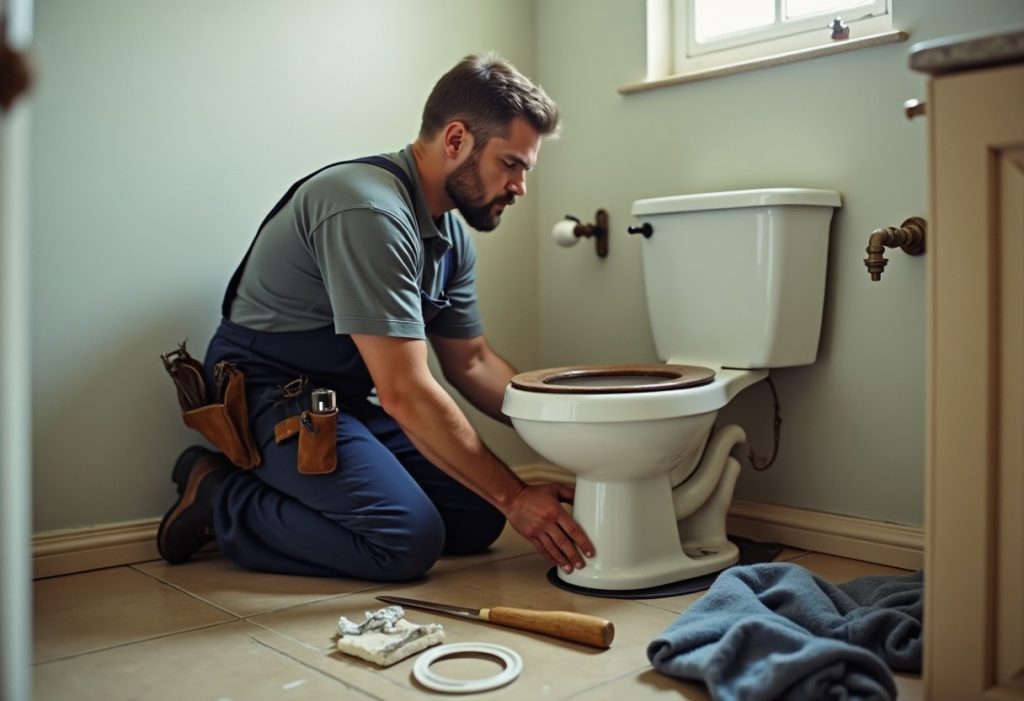
Replacing a wax ring is a DIY job that takes 30 to 60 minutes with a wrench, a putty knife, rags, and a new ring. The work is pulling the toilet, cleaning off every trace of old wax, setting a fresh ring, and reseating the bowl straight and level. Buy the ring before you start, because a compressed old one cannot go back.
- Shut off the supply at the stop valve under the toilet, then flush and hold the handle to empty the tank.
- Sponge the last water out of the tank and bowl so nothing spills when you tip the toilet.
- Disconnect the supply line, then pop the caps off the two floor bolts and remove the nuts.
- Rock the toilet gently to break the old seal, lift it straight up, and lay it on its side on a towel.
- Scrape all the old wax off the flange and off the toilet’s horn with a putty knife until both are clean and dry.
- Check the closet bolts and flange; replace bent bolts and confirm the flange is not cracked before you go on.
- Press the new wax ring onto the flange (or onto the toilet horn, per the ring’s instructions), keeping it centered.
- Lower the toilet straight down over the bolts, then press down with your body weight to compress the ring evenly.
- Hand-tighten the nuts a little at a time, side to side, until snug; do not overtighten, which can crack the porcelain.
- Reconnect the supply, turn the water on, and run several flushes while checking the base for any leak.
If the toilet still rocks after you snug the bolts, shim it and caulk the base per code in your area, because a rocking toilet is what wrecked the last ring.
How high should the toilet flange sit?
The top of the closet flange should sit flush with the finished floor or up to about 1/4 inch above it, per Oatey. That height lets the flange rim press into the wax from both sides so the ring compresses to about half its thickness and seals. A flange set too low is the most common reason a standard ring fails to seal on the first try.
If the flange ended up recessed below the floor after new tile or flooring, do not just stack two rings. Use an extra-thick ring made for that gap, or add a flange spacer or extender kit to raise the sealing surface to the right height. Getting the flange height right is what makes the difference between a seal that lasts years and one that weeps within months.
How we sourced this
Flange-height guidance (flush to about 1/4 inch above the finished floor, and the caution against stacking wax rings where a spacer belongs) comes from Oatey’s toilet flange installation resources. Plumber replacement cost ($100 to $300) reflects 2026 toilet-repair cost data from Angi and HomeGuide, presented as a range because pricing varies by region, floor level, and whether the flange also needs work. Part prices ($2 to $10 wax, $8 to $20 waxless) and DIY time (30 to 60 minutes) are general US retail and manufacturer figures given as ranges. The sewer-gas hazard note reflects standard hydrogen sulfide health guidance (irritation at low levels, toxic effects above roughly 10 ppm). Ring-type behavior and the single-use nature of wax reflect manufacturer documentation from wax-ring and fixture makers. The chart shows dollar ranges for the three common paths (DIY part only, a handyman, and a plumber); bar widths are scaled to the top of each range against the $300 high end.
Frequently asked questions
What does a toilet wax ring do?
A toilet wax ring seals the base of the toilet to the closet flange on the drain pipe. It does two jobs at once: it keeps flush water and waste flowing into the pipe instead of leaking onto the floor, and it blocks sewer gas from seeping up around the toilet base. The weight of the toilet compresses the wax to form a gas-tight and watertight seal.
Wax ring or waxless (rubber) ring, which is better?
Wax rings are cheap (about $2 to $10), seal well, and are the long-proven standard, but they are single-use and messy if you have to reset the toilet. Waxless rubber or foam rings cost more (about $8 to $20), make no mess, can be repositioned during install, and are reusable. Both seal reliably when installed correctly; the choice is mostly about mess and whether you expect to pull the toilet again.
What are the signs of a bad toilet wax ring?
The clearest signs are water or a sticky ooze appearing at the base of the toilet, a toilet that rocks or feels loose, and a lingering sewer-gas smell (rotten egg) near the fixture. A failed ring does not always puddle water; sometimes it only lets sewer gas escape. If the toilet rocks, the seal is likely broken even before you see water.
How much does it cost to replace a toilet wax ring?
The ring itself is cheap, about $2 to $10 for wax or $8 to $20 for a waxless kit, so a DIY swap costs only the part plus 30 to 60 minutes. Hiring a plumber typically runs about $100 to $300 depending on your area, per Angi and HomeGuide cost data, because the labor is pulling and resetting the toilet, not the part.
How do you replace a toilet wax ring?
Shut off the supply, flush and sponge out the tank and bowl, disconnect the supply line, unbolt the toilet from the floor, and lift it off. Scrape all the old wax off the flange and the toilet horn, set a new ring, and lower the toilet straight down onto the flange bolts. Press to seat it, snug the nuts evenly, and reconnect the water.
How high should the toilet flange sit?
The top of the closet flange should sit flush with the finished floor or up to about 1/4 inch above it, per Oatey installation guidance. That height lets the flange rim compress the wax from both sides for a solid seal. If the flange is recessed below the floor, use an extra-thick ring or a flange spacer or extender so the wax can bridge the gap.
Can you reuse a toilet wax ring?
No. A wax ring is single-use. Once it is compressed under the toilet it deforms permanently and will not reseal if you lift the toilet, so you install a fresh one every time you pull the fixture. Waxless rubber or foam gaskets are the exception; many are designed to be repositioned and reused if they are undamaged.


