How to Shock a Well: Bleach Amounts, Steps, and Retesting
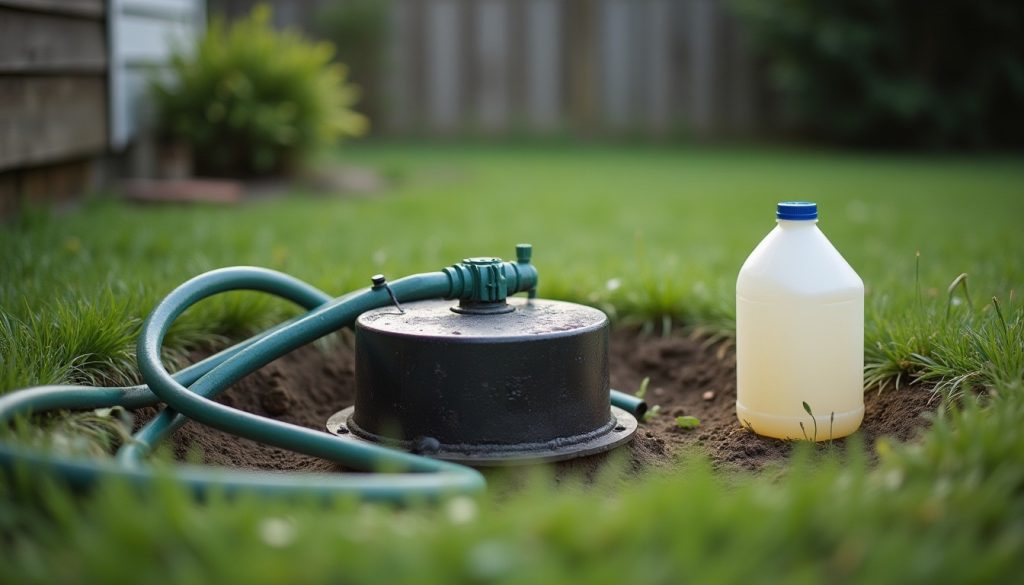
How to shock a well: pour a measured dose of unscented bleach into the casing, recirculate until every tap smells of chlorine, wait 12 to 24 hours, flush outdoors, then retest for bacteria after 7 to 14 days.
Key Takeaways
- More than 23 million U.S. households rely on private wells, and federal drinking water rules do not cover them, according to the EPA private wells program.
- A USGS study of domestic wells found total coliform bacteria in about 34 percent of sampled wells and E. coli in about 8 percent.
- Dose by feet of standing water and casing diameter. The CDC table calls for 5 cups of bleach for 100 feet of water in a 6-inch casing.
- The CDC targets a chlorine concentration above 100 mg/L, while Minnesota Department of Health sets a 50 to 200 ppm window and a 200 ppm ceiling.
- Retest no sooner than 7 to 10 days after disinfection (CDC). Ohio State suggests about two weeks, Minnesota two to four weeks.
- Shocking kills bacteria. It does not remove nitrate, arsenic, or other dissolved chemicals, and it cannot fix a cracked casing.
When should you shock a well?
Shock a well when something gives bacteria a path in or a test proves they already got in. The usual triggers are a positive total coliform or E. coli result, any work that opens the well (a new pump, pipe, or pressure switch), floodwater over the wellhead, and odor or slime from nuisance bacteria. Nuisance bacteria often turn up right after a pump swap, so it helps to understand well pump replacement costs before scheduling that work.
A positive coliform test is the most common reason. The USGS study of domestic wells in principal U.S. aquifers detected total coliform in about 34 percent of sampled wells and E. coli in about 8 percent. If you have not tested in a year, start with well water testing so you know what you are treating.
- Positive coliform or E. coli test. E. coli means fecal contamination, so stop drinking the water at once.
- After well or pump work. Pulling a pump puts tools, pipe, and hands into the casing.
- Flooding. The CDC emergency well guidance says to pump the well until the water runs clear, then disinfect and test.
- Odor or slime. Iron and sulfur-reducing bacteria cause orange slime and a rotten egg smell.
How much bleach do you need to shock a well?
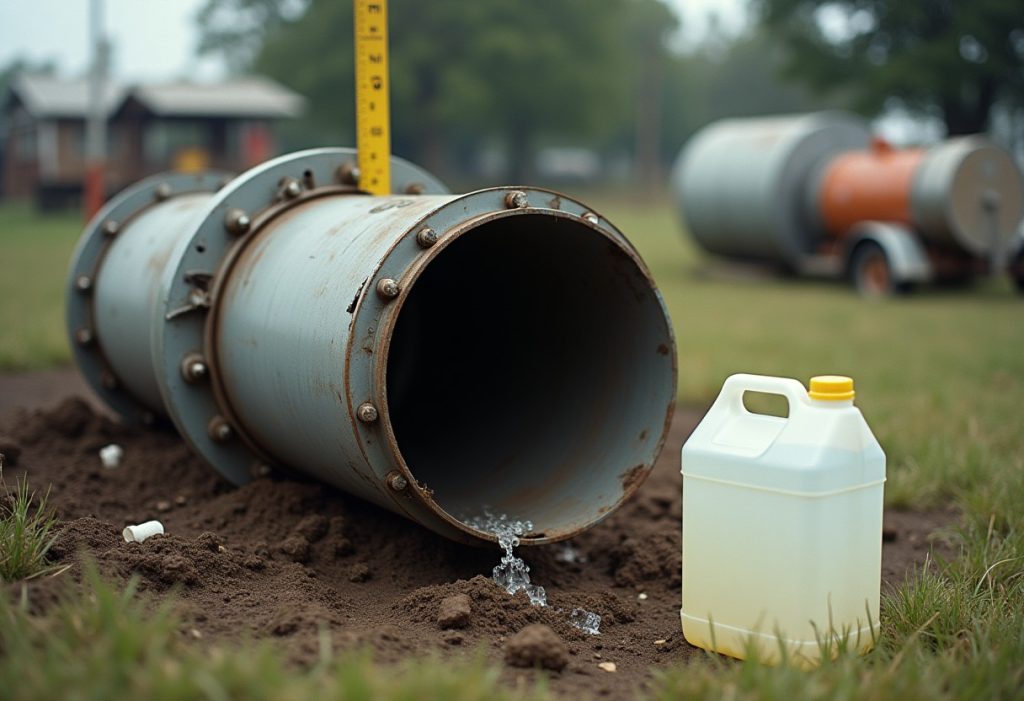
The bleach amount depends on two numbers: feet of standing water in the well and the casing diameter. Standing water equals total well depth minus the static water level, both listed on most well logs. A 6-inch casing with 100 feet of water needs about 5 cups of household bleach per the CDC table, and a 4-inch casing with the same water needs about 2 cups.
Do not dose by total drilled depth. A 300-foot well with a 180-foot static level holds only 120 feet of water. No well log? Try your state well database or the original driller.
| Feet of water in well | 2-inch casing | 4-inch casing | 6-inch casing | 8-inch casing | 10-inch casing |
|---|---|---|---|---|---|
| 10 feet | 3/4 tbsp | 3 1/4 tbsp | 1/2 cup | 3/4 cup | 1 1/4 cups |
| 20 feet | 1 1/2 tbsp | 6 1/2 tbsp | 1 cup | 1 1/2 cups | 2 1/2 cups |
| 30 feet | 2 1/4 tbsp | 9 3/4 tbsp | 1 1/2 cups | 2 1/4 cups | 3 1/4 cups |
| 40 feet | 3 tbsp | 13 tbsp | 2 cups | 3 cups | 5 cups |
| 50 feet | 3 3/4 tbsp | 1 cup | 2 1/2 cups | 3 3/4 cups | 6 1/4 cups |
| 100 feet | 7 1/2 tbsp | 2 cups | 5 cups | 7 1/2 cups | 12 1/2 cups |
Source: CDC Table 1, approximate household bleach for a drilled or driven well, sized to reach more than 100 mg/L chlorine. For wells deeper than 100 feet of water, scale up in proportion (200 feet in a 6-inch casing works out to about 10 cups). Bored or dug wells need the separate CDC dug well table.
Why the published bleach charts disagree
State and university charts give different doses for the same well because each targets a different chlorine strength. The CDC aims above 100 mg/L. Minnesota Department of Health sets a 50 to 200 ppm window and never lists less than 2 cups. Ohio State University Extension runs stronger, describing a mix 100 to 400 times the chlorine in city water.
Ohio State lists 2 quarts (8 cups) for that well, the CDC 5 cups, and Minnesota 4 cups. Pick one chart, follow it exactly, and do not add extra bleach for luck: Minnesota warns against going above 200 ppm.
How to check the math for your own well
Casing volume per foot comes from simple geometry. A 4-inch casing holds about 0.65 gallons per foot, a 6-inch casing about 1.5 gallons, and an 8-inch casing about 2.6 gallons. Multiply by feet of standing water to get the gallons you are treating.
How do you shock chlorinate a well step by step?
To shock chlorinate a well, isolate filters and softeners, mix the measured bleach with a few gallons of water, pour it into the casing, recirculate it with a hose, and open every tap until each one smells of chlorine. Then let it stand 12 to 24 hours, flush it outdoors away from the septic field and plants, and retest.
- Inspect the wellhead. Fix a cracked cap, missing vent screen, damaged casing, or soil sloping toward the well first.
- Bypass treatment equipment. Put the softener, iron filter, and any sediment or carbon filter in bypass. Ohio State warns chlorine damages carbon filters and reverse osmosis units.
- Run the water until clear. The CDC says to run the outside faucet nearest the well until the water runs clear.
- Mix the bleach. Measure the dose from the table and mix it with 3 to 5 gallons of water in a clean bucket, per the CDC.
- Cut power and open the well. Switch off the pump breaker before removing the cap, as Minnesota Department of Health advises. Pour the solution in through a funnel.
- Recirculate. Restore power, run a garden hose from the nearest outdoor faucet back into the casing, and wash down the inside walls until you smell strong chlorine at the hose. How you open the wellhead differs by pump, and our guide to types of well pumps shows the common setups.
- Run every tap. Open each indoor and outdoor faucet, hot and cold, until you smell chlorine, then shut it off. Flush each toilet. This pushes chlorine through the well pressure tank, the water heater, and every branch line.
- Wait. Replace the cap and leave the system alone for at least 12 hours (CDC) and up to 24 hours (Ohio State).
- Flush outdoors first. Run a hose onto a driveway or gravel area until the chlorine odor fades, then run indoor taps until they clear too.
- Restore equipment and retest. Put filters and softener back in service with new cartridges, then sample for bacteria after 7 to 14 days.
How long do you leave bleach in a well, and where does the water go?
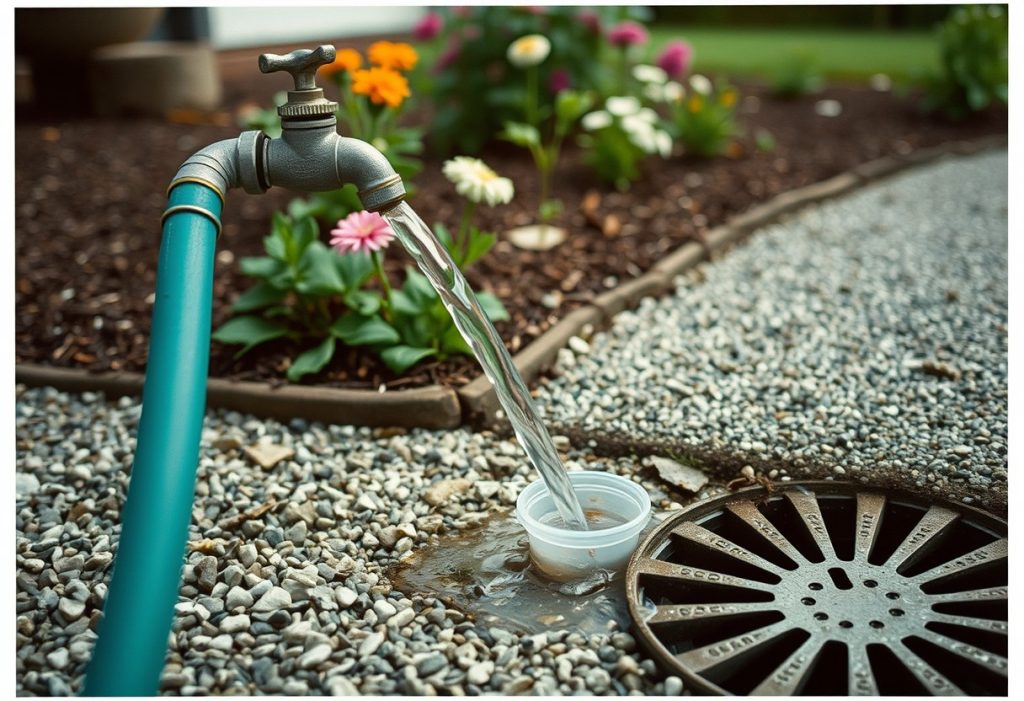
Leave the bleach in the well and plumbing for at least 12 hours, the CDC minimum, and up to 24 hours as Ohio State University Extension advises. Minnesota allows a 2-hour minimum but prefers 6 hours or overnight. Then drain the chlorinated water onto a driveway or gravel area away from plants, the septic system, and any stream or pond until the smell fades.
Where the flush water goes matters. The CDC says to drain it onto an area without vegetation, and Minnesota warns not to discharge it into or near a septic system, landscaping, or surface water. Strong chlorine can kill the bacteria a septic tank depends on and burn grass.
| Source | Chlorine target | Contact time | Retest timing | Flush guidance |
|---|---|---|---|---|
| CDC (emergency well disinfection) | More than 100 mg/L | At least 12 hours | At least 7 to 10 days later | Onto an area without plants, such as a driveway |
| Minnesota Department of Health | 50 to 200 ppm, never above 200 | 2 hours minimum, 6 hours or overnight preferred | 2 to 4 weeks later | Not into or near septic, landscaping, or water bodies |
| Ohio State University Extension (AEX-318) | 100 to 400 times city water chlorine | 12 to 24 hours | About 2 weeks later | Gravel or hidden yard area away from the septic system |
For context, the EPA caps chlorine in public tap water at 4 mg/L. Shock levels of 100 mg/L or more are 25 times that limit or higher, which is why nobody should drink the water during the contact period.
What safety rules apply when you shock a well?
The main hazards are chlorine on skin and eyes, toxic gas from mixing bleach with other chemicals, and electrical shock at the wellhead. Wear goggles and gloves, work outdoors with good air movement, never mix bleach with ammonia, acids, or other cleaners, cut pump power before opening the well, and never climb into a well pit, where gases can build up.
- Protect eyes and skin. The CDC says to wear protective goggles or a face shield. Ohio State adds gloves.
- Never mix chemicals. Ohio State warns never to mix chlorine and ammonia. Minnesota says not to mix bleach with any other chemical because harmful gases may form.
- Stay out of well pits. The CDC and Minnesota both warn that gases build up in well pits.
- Ventilate indoors. Running every tap releases chlorine vapor, so open windows and run bath fans while you do it.
What does shocking a well not fix?
Shocking a well kills bacteria in the water, casing, and pipes at that moment. It does not remove nitrate, arsenic, lead, uranium, or other dissolved chemicals, and it does not seal the crack, gap, or bad cap that let bacteria in. If a retest fails again, or a chemical exceeds an EPA limit, you need a repair or a treatment system, not more bleach.
- Nitrate. The EPA limit is 10 mg/L as nitrogen. Chlorine does nothing to nitrate. It needs reverse osmosis, ion exchange, or a new source.
- Arsenic. The EPA limit is 0.010 mg/L (10 parts per billion). Shocking leaves arsenic in place.
- Recurring coliform. If bacteria return within a few weeks of a proper shock, look for the entry point. Common causes include a cracked or short casing, failed grout, a bad sanitary cap, or a nearby septic field.
- Nuisance bacteria deep in the formation. Minnesota notes that a flooded well or one with nuisance bacteria may need cleaning as well as disinfection.
Odor problems deserve a closer look before you reach for bleach. A sulfur smell that shows up only on the hot side often comes from the water heater anode rod, not the well. Our guide to water that smells like rotten eggs walks through how to tell the sources apart.
How much does it cost to shock a well, DIY or pro?
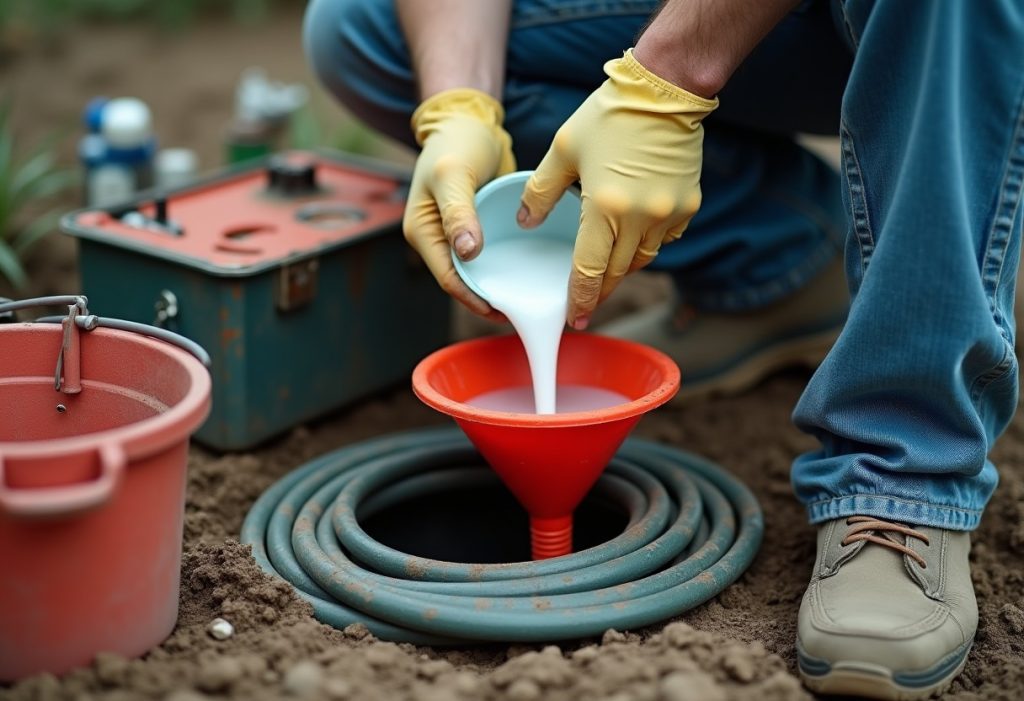
A DIY shock costs little beyond unscented bleach, a clean bucket, a funnel, a garden hose, and a lab fee for the follow-up bacteria test. Hiring a well contractor or plumber typically runs about $80 to $200, according to Angi, with deeper wells, hard-to-reach wellheads, and bundled testing pushing the bill higher.
| Option | What you pay for | Best fit |
|---|---|---|
| DIY shock | Bleach (most wells need under a gallon, per the CDC table), bucket, funnel, hose, gloves, goggles, retest lab fee | Accessible bolted cap, known water depth, first positive test |
| Pro shock (well contractor or plumber) | About $80 to $200 per Angi, plus retest if not bundled | Buried or pitted wellhead, unknown depth, after pump work |
| Pro inspection plus repair | Varies with the repair (cap, casing extension, grout) | Coliform that returns after a correct shock |
Lab fees vary by state and county, so check your local health department or a state-certified lab before you start.
When should you retest after you shock a well?
Retest after you shock a well once the chlorine is fully flushed, typically 7 to 14 days later. The CDC says to wait at least 7 to 10 days, Ohio State suggests about two weeks, and Minnesota allows two to four weeks. Testing too soon can show a false clean result while leftover chlorine masks bacteria that will grow back.
Use a sterile bottle from a state-certified lab and follow its instructions exactly. Order total coliform and E. coli at minimum, and add nitrate if the well flooded.
A clean result means you can go back to drinking the water. A second positive result means the problem is structural or the dose and contact time fell short, so call a licensed well contractor before repeating the shock.
How we sourced this
We consulted 11 sources and cited 7. Dose tables and procedure steps come from the CDC well disinfection guidance (Table 1, drilled and driven wells), Minnesota Department of Health well disinfection guidance, and Ohio State University Extension fact sheet AEX-318. Contamination rates come from USGS Scientific Investigations Report 2008-5227 (domestic wells, 1991 to 2004 sampling). Household counts come from the EPA private wells program, and drinking water limits from EPA National Primary Drinking Water Regulations. The professional price range is Angi’s published estimate and was not independently verified. We excluded vendor blogs and content farms. Gallons per foot figures are our own geometry. Reviewed October 2026.
Frequently asked questions
How long after shocking a well can you drink the water?
Do not drink the water until the chlorine smell is gone and a certified lab reports no coliform bacteria. The CDC says to wait at least 7 to 10 days after disinfection before sampling, and results take a few more days. Until the clean result arrives, use bottled water or boiled water for drinking, cooking, brushing teeth, and infant formula.
Can you shower after shocking a well?
Skip showers during the 12 to 24 hour contact period, because the water then carries chlorine far above tap levels and can irritate skin and eyes. Once you have flushed the system and the chlorine odor is gone at every tap, most households resume bathing. Keep drinking bottled or boiled water until the follow-up bacteria test comes back clean.
How much bleach do I need to shock a 100 foot well?
It depends on how many feet of water stand in the well and the casing width, not the total drilled depth. For 100 feet of water, the CDC table calls for about 2 cups of bleach in a 4-inch casing and 5 cups in a 6-inch casing. Minnesota Department of Health lists 3 and 4 cups for the same wells.
How often should you shock your well?
Shock a well when there is a reason, not on a calendar. Common triggers are a positive coliform test, well or pump repairs, flooding, and odor from nuisance bacteria. If bacteria return within weeks of a proper shock, repeating the treatment rarely solves it, and a licensed well contractor should inspect the cap, casing, and grout for the entry point.
Can shocking a well damage the pump or plumbing?
Overdosing can. Minnesota Department of Health advises keeping recirculating water between 50 and 200 ppm chlorine and never going above 200 ppm, because stronger solutions add corrosion risk without killing more bacteria. Follow a published dose table, isolate carbon filters and reverse osmosis units, and flush thoroughly once the contact time ends.
Will shocking a well get rid of a sulfur smell?
Sometimes, for a while. If sulfur-reducing bacteria in the well cause the rotten egg odor, shock chlorination can knock them back, though the smell often returns and may need repeat treatment or continuous treatment equipment. If the odor appears only on the hot side, the water heater anode rod is the more likely source, and shocking the well will not cure it.
What kind of bleach should you use to shock a well?
Use plain, unscented household liquid chlorine bleach. The CDC notes household bleach is generally 5 to 9 percent sodium hypochlorite. Ohio State University Extension warns against scented bleach and bleach mixed with detergents, which leave residues in the well. Buy a fresh jug, because bleach loses strength as it ages on the shelf.


