Why Is My Drain Gurgling? 5 Causes and How to Fix Each
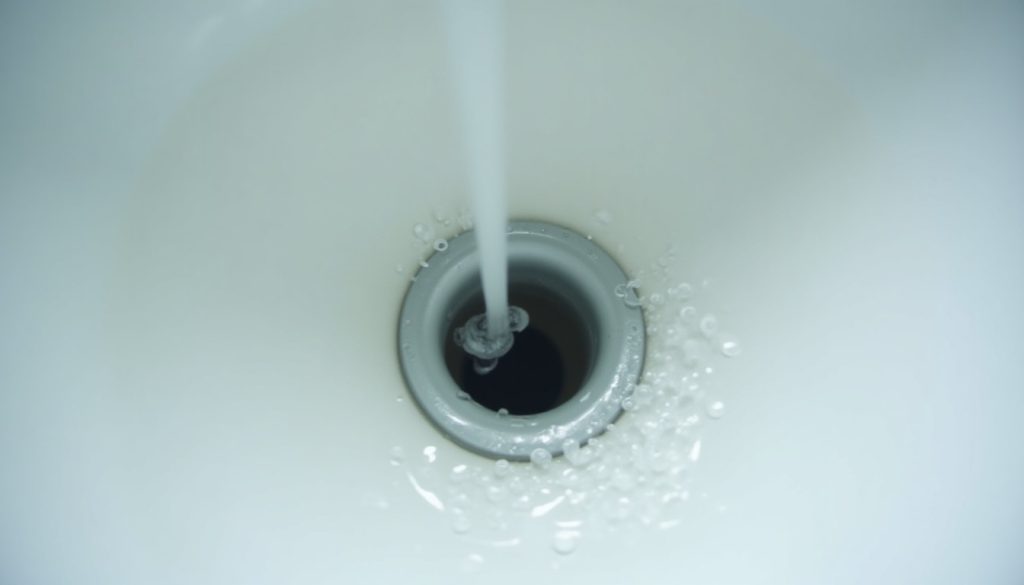
Why is my drain gurgling? Air is being pulled through a water trap because a clog, a blocked vent, or a failed air valve is starving the pipe of air, and how many fixtures gurgle tells you which.
Key Takeaways
- Every fixture trap must hold a water seal of 2 to 4 inches under International Plumbing Code (IPC) Section 1002.4; gurgling is that seal being pulled or pushed.
- IPC Table 909.1 limits a 1-1/2 inch trap arm to 6 feet from its vent; a longer arm can siphon its own trap and gurgle.
- IPC Section 1002.4.1 calls for trap seal protection on traps that can lose water to evaporation, such as floor drains, because a dry trap gurgles and lets in sewer gas.
- Fixr puts the cost to unclog a main sewer line at $350 to $650, with a national average of $475.
- Fixr lists a backed-up drain at $150 to $300 and a sewer camera inspection at $100 to $800 extra.
- Under the IPC, an individual or branch air admittance valve must sit at least 4 inches above the drain it vents, per the ICC Building Safety Journal.
Why is my drain gurgling?
Your drain is gurgling because water moving down the pipe is short on air and is pulling it through the nearest trap. Five things cause that: a partial clog in the fixture branch, a blocked or undersized vent, a main sewer line clog, a trap that is siphoning or dried out, and a failed air admittance valve. Each leaves a different pattern of which drains gurgle and when.
Falling water pushes air ahead of it and drags a vacuum behind it. The vent stack is supposed to feed that air. When it cannot, the pipe borrows air from the nearest trap, and a gurgle with a sewer smell means the seal already broke.
| What gurgles, and when | Likely cause | First fix |
|---|---|---|
| One bathroom sink gurgles and drains slowly | Partial clog (hair, soap) in the trap or tailpiece | Pull the pop-up stopper, clean the trap, run a drain stick or hand auger |
| One fixture gurgles at normal drain speed, smells of sewer | Blocked vent, overlong trap arm, or a stuck air admittance valve | Check the valve under the sink, then the roof vent |
| Toilet gurgles when the shower or tub drains | Clog or vent restriction in the shared bathroom branch (often a wet vent) | Auger the tub drain and the branch, then check the vent |
| Bathtub gurgles or bubbles when you flush | Same shared branch; the flush surge pulls air through the tub trap | Auger the tub drain; a closet auger on the toilet if it also flushes weakly |
| Kitchen sink gurgles when the dishwasher or washer pumps out | Grease or food clog in the kitchen branch or laundry standpipe | Clean the trap and disposal outlet, auger the branch |
| Several drains gurgle; tub or basement floor drain rises when you flush | Main sewer line clog (roots, wipes, grease, sagging pipe) | Stop using water, open the cleanout, call a drain pro |
| Basement floor drain or guest bath gurgles or smells after weeks of disuse | Dry trap from evaporation | Pour in a quart or more of water; add a little mineral oil on top |
| Island or vanity sink with an air valve gurgles, drains slow | Air admittance valve stuck closed | Replace the valve with an ASSE 1051 listed unit |
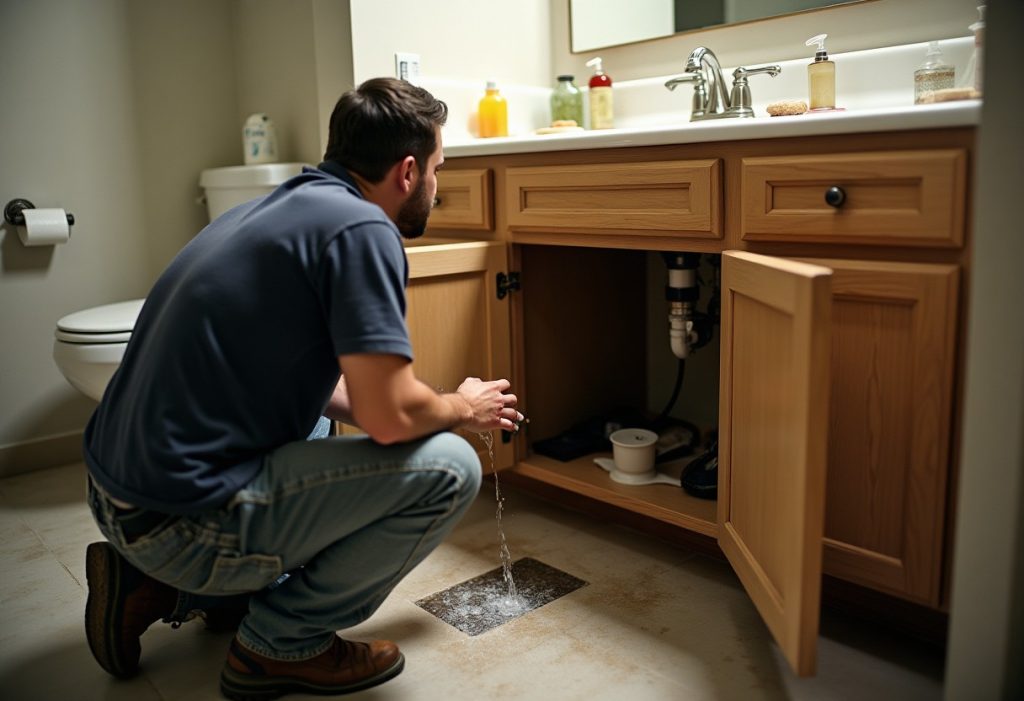
What does it mean when only one drain gurgles?
When only one drain gurgles, the problem is almost always local to that fixture: a partial clog in its trap or branch, a vent fault on that one trap arm, or a dry trap. The main sewer line is unlikely, because a main line clog affects every fixture downstream of it, and the lowest drains in the house complain first.
Check drain speed first. A sink that gurgles and drains slowly has a clog. In bathroom sinks it is hair wrapped around the pop-up stopper rod. These are short DIY jobs that need a bucket and a drain stick.
A sink that drains at full speed but gurgles at the end of the drain, and maybe smells, is a venting problem. The trap is being siphoned. Code sets a ceiling on how far a trap can sit from its vent for exactly this reason: IPC Table 909.1 allows 5 feet on a 1-1/4 inch trap arm, 6 feet on 1-1/2 inch, and 8 feet on 2 inch. A remodel that moved a sink without moving the vent can break that limit.
Our guide to how a P-trap holds its water seal shows the parts, and a trap you can see is the cheapest place to start.
Why does my toilet gurgle when the shower runs or the bathtub drains?
A toilet gurgling when the tub or shower drains means the two fixtures share a drain line, and that line is short on air or partly blocked. As the tub water rushes past the toilet’s connection, it pulls air through the toilet trap. The reverse, the bathtub gurgling when you flush, is the same problem running the other direction.
Many bathrooms are built with a wet vent, where one fixture’s drain doubles as the vent for another. A hair clog in the tub branch shrinks the pipe so the water fills it, and then there is no room for air. The toilet trap is the closest air source, so it gives up its water.
Work it in this order:
- Pull the tub or shower strainer and clear the hair you can reach with a drain stick.
- Run a 25-foot hand auger through the tub overflow or drain into the branch.
- Fill the tub a few inches, pull the plug, and watch the toilet bowl. A steady bowl means the branch is clear.
- If the bowl still drops, check the roof vent, then test other bathrooms. Gurgling there too moves the problem downstream.
A toilet that gurgles when a fixture in a different bathroom or the kitchen drains is a stronger signal. Those fixtures usually meet only in the building drain, so the restriction is likely in the main line.
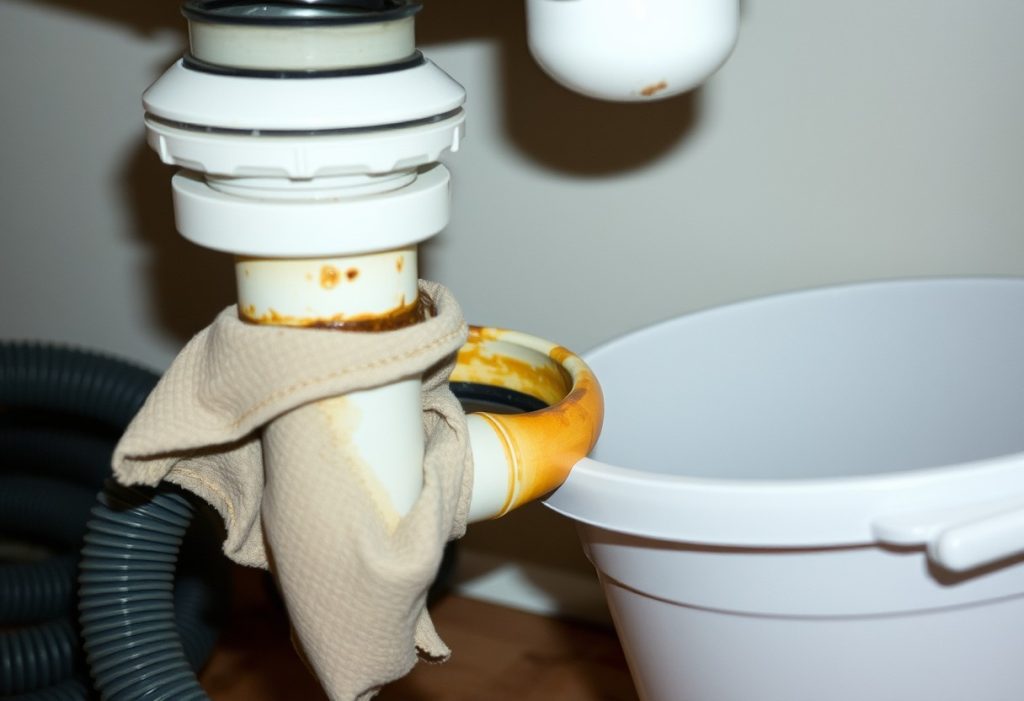
Why is my kitchen sink gurgling?
A kitchen sink gurgles most often because grease and food have narrowed the kitchen branch, and the extra water from a dishwasher or garbage disposal fills the pipe so air has to come back through the sink trap. Island sinks add a second suspect: the air admittance valve under the cabinet, because islands often have no vent pipe to the roof.
Fats cool and stick to the pipe wall, then trap rice, coffee grounds, and eggshell. The clog builds as a ring, so gurgling is the early warning. A double sink that burps through one bowl when the other drains is the classic sign. Clean the trap and disposal outlet, then auger past the trap arm.
If the sink drains at full speed, gurgles, and you smell sewer gas under the cabinet, look for a small gray or white valve on a short riser above the trap. That is an air admittance valve. It opens to let air in when water falls, then closes to keep gas out. A valve stuck shut gurgles like a blocked vent. One stuck open smells.
How do you tell a vent problem from a clog?
Drain speed is the fastest tell. A clog slows the drain, and the gurgle comes with water standing in the fixture. A blocked vent leaves drain speed close to normal, but the fixture gurgles near the end of the drain, the trap may lose water, and sewer odor shows up because the seal broke. Several fixtures gurgling with slow drains everywhere points past both, to the main line.
Run a quick fixture map before you buy anything. Fill the suspect sink, pull the stopper, and listen at the other fixtures. Then flush each toilet and watch the tub and floor drain.
- Only the fixture you drained gurgles: local clog or trap-arm vent problem.
- Neighbors on the same wall or bathroom gurgle: shared branch or its vent.
- Fixtures on different floors gurgle and the lowest drain rises: main sewer line.
- Every fixture gurgles but drains fine, worse in wind or snow: roof vent restriction.
The vent itself is easy to picture once you see how the pipes tie together. Our plumbing vent diagram traces each trap arm up to the stack and out the roof.
How do you fix a gurgling drain yourself?
Most gurgling drains can be fixed without a plumber if the problem is in one fixture or one bathroom. Clean the trap, auger the branch, refill any dry trap, and check the vent and air valve. Leave chemical drain openers on the shelf; they rarely clear a full pipe section and they make the next step riskier for whoever opens the trap.
- Refill dry traps. Run water in every rarely used sink, tub, and floor drain for 30 seconds. A dry trap in a basement drain can gurgle and smell on its own.
- Clean the trap. Put a bucket under it, loosen the two slip nuts by hand, empty and scrub the U-bend.
- Auger the branch. Feed a 1/4 inch hand auger through the trap arm opening in the wall. Crank as you push. When it catches, pull back and clean the cable.
- Test the air admittance valve. If the sink has one, unscrew it and run the sink. If the gurgle stops with the valve off, the valve is stuck; replace it with a new ASSE 1051 listed valve.
- Check the roof vent. Only if you can work on the roof safely, shine a flashlight down the vent pipe, pull out nests or leaves, and run a garden hose down it. Water backing up out the top means the blockage is in the stack.
- Retest. Run the original fixture and the fixture map again. If more drains gurgle now, stop and look at the main line.
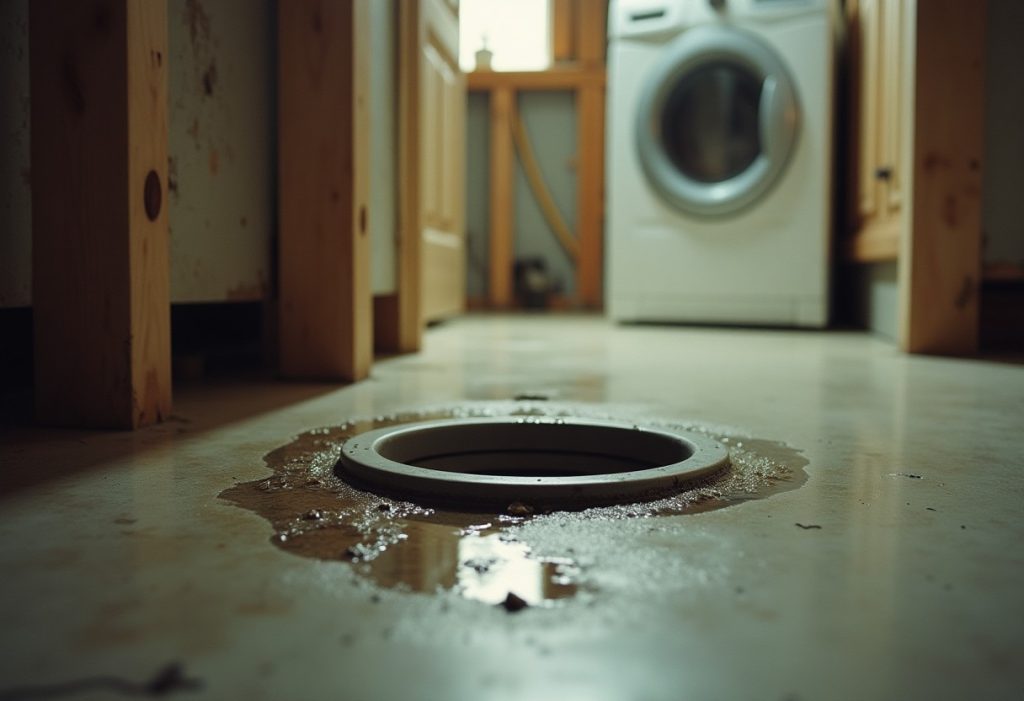
When does a gurgling drain mean a main sewer line clog?
Gurgling points to a main sewer line clog when it shows up in fixtures on different branches at once, and especially when water rises in the lowest drain in the house, often a basement floor drain or a first-floor tub, as you flush a toilet or run the washer. At that point stop using water and call a drain professional the same day.
The main line carries everything from the house to the city sewer or septic tank. Roots, flushed wipes, grease, and sagging pipe are the usual causes.
- Toilets gurgle when the washing machine drains.
- The tub or shower fills with gray water when you flush.
- A floor drain or the cleanout cap shows standing water.
- Several drains slow down at the same time, not one at a time.
If you can find the outdoor or basement cleanout, open it slowly with a wrench; standing water inside the cap confirms a downstream clog. Our step-by-step on clearing a main sewer line clog covers how to rent a drum machine and when the job outgrows one.
How much does it cost to fix gurgling drains?
Fixing gurgling drains costs nothing to a few dollars when the cause is a dry trap or a clog you can reach with a hand auger, and $150 to $300 for a professional to clear a backed-up drain, per Fixr. Main sewer line clearing averages $475 nationally, in a $350 to $650 range, with a camera inspection adding $100 to $800 if the cause is unclear.
The method changes the bill. Fixr puts snaking a main line at $100 to $500, rodding at $150 to $600, and hydro jetting at $350 to $600 on its main sewer unclogging cost guide. Its separate sewer line cleaning cost guide lists routine sewer cleaning at $200 to $600 with a $250 average, and hydro jetting as high as $1,000 on harder jobs.
Vent work is priced by access. Clearing a roof vent from the top may cost a standard service call, while a vent opened inside a finished wall adds drywall repair. We found no verifiable national survey of vent repair prices, so get a written quote.
How we sourced this
We reviewed the top-ranking pages for “why is my drain gurgling” and its toilet, kitchen sink, and bathtub variants in October 2026 to map the subtopics they cover and the questions searchers ask. Code figures come from the International Plumbing Code (Chapter 10, trap seals and Chapter 9, Table 909.1 trap arm distances), the International Residential Code Chapter 31 vent roof extension rule, and the ICC Building Safety Journal note on air admittance valve installation. Cost figures come from Fixr’s main sewer and sewer cleaning guides and are national ranges, not quotes. We excluded vent repair cost figures because we could not trace them to a verifiable source. Local codes amend these model codes, so check with your jurisdiction.
Frequently asked questions
Is a gurgling drain serious?
It depends on how many fixtures are involved. One gurgling sink is usually a partial clog or a vent issue you can fix the same day. Several drains gurgling at once, especially with the lowest drains backing up, often points to a main sewer line clog, and that can turn into sewage on the floor within days if the house keeps running water.
Can a gurgling drain fix itself?
Rarely. A dry trap stops gurgling once you run water and refill it, and a vent blocked by snow may clear when it melts. A partial clog almost always grows, because hair, grease, and paper catch on what is already there. If the noise keeps coming back for more than a week, treat it as a clog or vent problem that needs work.
How do I stop my drain from gurgling?
Start at the fixture that gurgles. Clean the trap and run a hand auger down the drain, then refill the trap with water. If the sound moves to other fixtures or several drains gurgle together, check the roof vent for debris and test any air admittance valve under the sink. If the lowest drains in the house back up, stop and call a plumber.
Why does my sink gurgle when the washing machine drains?
A washer can pump out water fast, and if the laundry standpipe and the sink share a drain line with a partial clog or a weak vent, that surge pulls air through the sink trap. The fix is usually clearing the shared branch with an auger. A washer that also backs up at the standpipe points to a clog farther downstream.
Does a gurgling toilet mean the main line is clogged?
Not always. A toilet that gurgles only when the tub or shower next to it drains usually has a problem in that shared bathroom branch or its vent. A main line clog shows up as gurgling in several fixtures on different branches, plus water rising in a tub or floor drain when you flush. That pattern calls for a cleanout check or a plumber.
Can a clogged vent cause gurgling?
Yes. When the vent cannot let air into the drain, falling water pulls air through the nearest trap instead, which makes the glug sound and can siphon the trap dry. Leaves, bird nests, and frost are common vent blockers. A vent problem usually shows up as gurgling with normal drain speed and a sewer smell, rather than a slow drain.
Will baking soda and vinegar fix a gurgling drain?
Only for a light film of soap scum near the drain opening. The fizz does not cut a hair mat or a grease plug, and it does nothing for a blocked vent or a main line clog. Pulling and cleaning the trap, or running a hand auger, removes far more material and tells you what the clog is made of.
Why is my drain making a gurgling noise?
The gurgle is air being pulled through the water in a trap. Draining water needs air behind it, and when a clog, a blocked vent or a failed air admittance valve starves the pipe of air, the water drags it in through the nearest trap instead. One gurgling fixture usually points to a local clog or vent problem, while gurgling in several fixtures on different branches points to the main line.


