Cost to Add a Bathroom: Half Bath, Full Bath, Basement and Bump-Out Prices
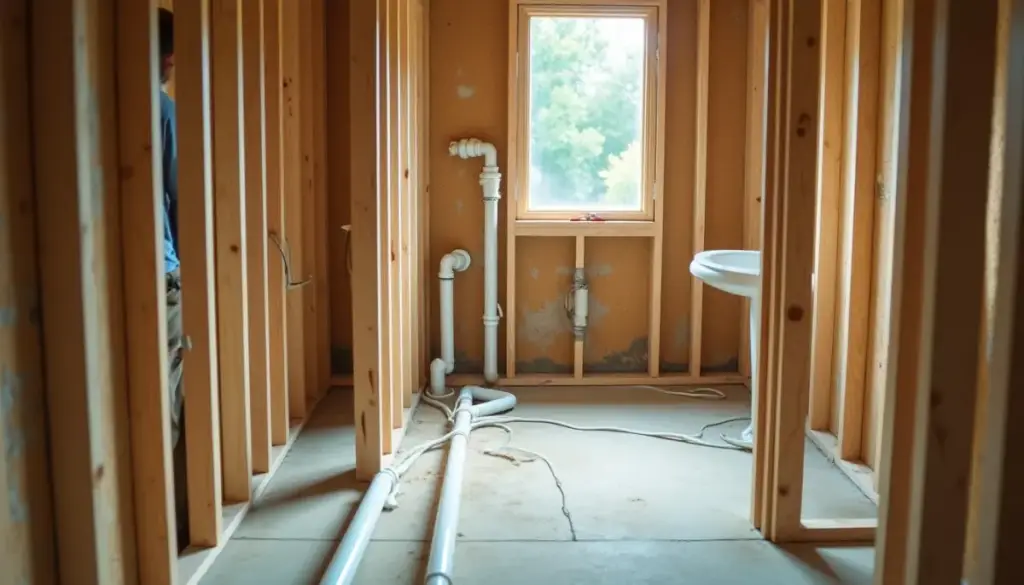
The cost to add a bathroom runs about $10,000 to $35,000, per Fixr’s January 2026 data, with half baths starting near $5,000 and new bump-out additions costing roughly twice as much per square foot as conversions.
Key Takeaways
- Fixr (January 2026) puts the average cost to add a bathroom at $20,000, with most owners paying $10,000 to $35,000.
- This Old House (2026) reports a typical range of $21,000 to $49,000.
- Converting existing space costs $200 to $250 per square foot versus $400 to $550 for a new addition, according to Fixr.
- Basement bathrooms run $10,000 to $50,000 or more (Fixr); Roto-Rooter’s Denver guide puts a full basement bath with an ejector at $12,000 to $25,000 or more.
- The 2025 Cost vs. Value Report found a midrange bathroom addition recoups about 53 percent of its cost at resale, per This Old House and Block Renovation.
How much does it cost to add a bathroom?
The cost to add a bathroom averages about $20,000 nationally, with most projects between $10,000 and $35,000, according to Fixr’s January 2026 bathroom addition guide. A half bath can come in near $5,000, while a primary suite built as a new addition can pass $100,000.
This Old House puts the typical total at $21,000 to $49,000, with average project prices of $18,000 for a 25 square foot half bath and $21,000 for a 50 square foot full bath.
| Bathroom type | Typical cost | What’s included |
|---|---|---|
| Half bath (powder room) | $5,000 to $15,000 (Fixr); $4,000 to $12,000 (Block) | Toilet and sink only, about 15 to 25 sq ft. Two drains, one vent tie-in, two supply runs. |
| Three-quarter bath | $10,000 to $22,000 (Fixr); $6,000 to $22,000 (Block) | Toilet, sink and a shower stall, no tub. About 25 to 40 sq ft, plus a shower valve and a 2 inch shower drain. |
| Full bath | $15,000 to $35,000 (Fixr) | Toilet, sink and tub or tub-shower combo, about 40 to 60 sq ft. Adds exhaust fan, tile and more hot water demand. |
| Primary (master) bath | $25,000 to $100,000+ (Fixr) | 100 to 200 sq ft, double vanity, separate shower and tub. Highest when built as a new addition. |
| Basement bath conversion | $10,000 to $50,000+ (Fixr) | Any type above, plus slab cutting, an ejector pit or an upflush unit if fixtures sit below the sewer line. |
| Bump-out half bath addition | $20,000 to $40,000 (Block) | New foundation, framing, roof and siding tie-in, plus all the plumbing of a half bath. |
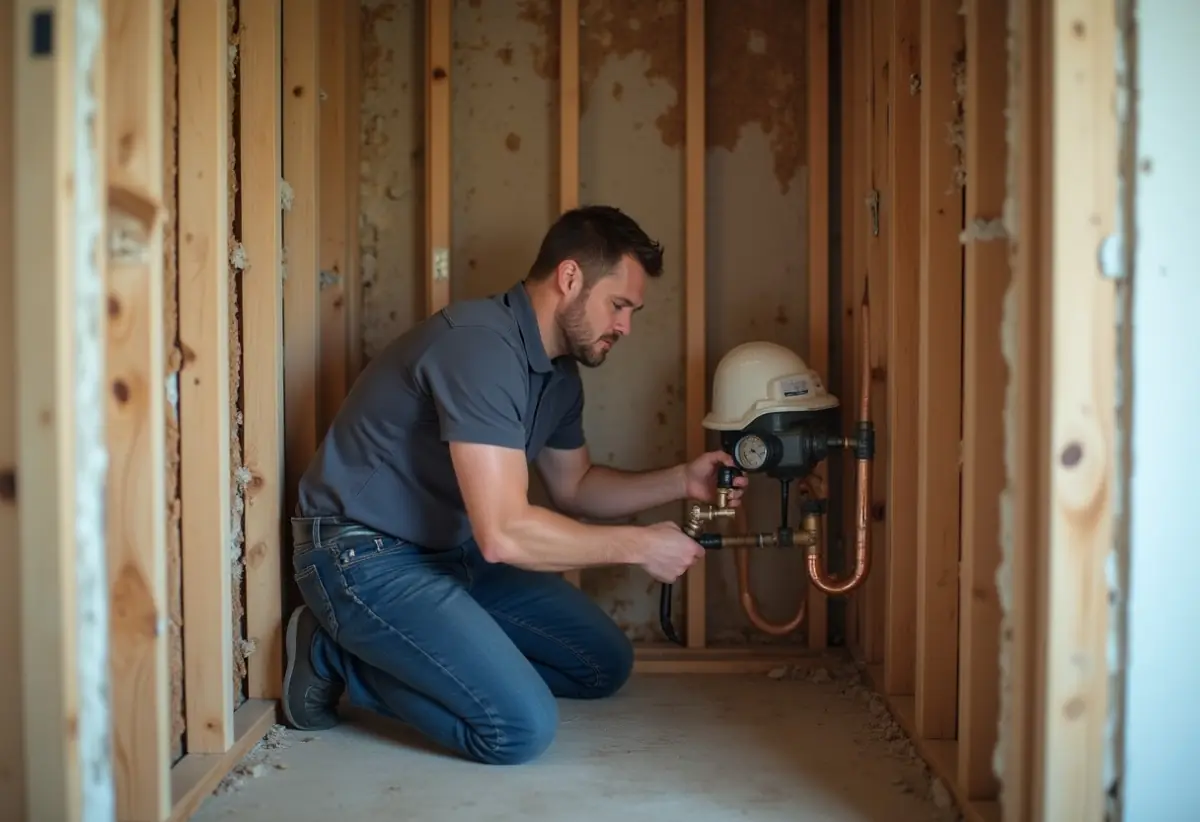
Is it cheaper to convert existing space or build a bathroom addition?
Converting space you already have is the cheaper route by a wide margin. Fixr prices conversions at $200 to $250 per square foot and new additions at $400 to $550, so an addition costs about twice as much for the same room. This Old House says conversion can cut the bill by up to 50 percent, because you skip the foundation, framing, roof and exterior work.
The best candidates are a closet, laundry room or bedroom corner that backs onto an existing wet wall. Fixr lists closet conversions at $5,000 to $15,000 and laundry room conversions at $5,000 to $19,000. Garages and attics run higher, $8,000 to $25,000 and $8,000 to $35,000, since both usually need long drain runs.
| Bathroom size | Converting existing space | New bump-out addition |
|---|---|---|
| 50 sq ft | $10,000 to $12,500 | $20,000 to $27,500 |
| 60 sq ft | $12,000 to $15,000 | $24,000 to $33,000 |
| 100 sq ft | $20,000 to $25,000 | $40,000 to $55,000 |
| 200 sq ft | $40,000 to $50,000 | $80,000 to $110,000 |
Size table source is Fixr (January 2026). A bump-out also brings setback rules, often an engineer’s stamp and a longer permit review.
What does it cost to add a bathroom in a basement?
A basement bathroom typically costs $10,000 to $50,000 or more, according to Fixr, and a Roto-Rooter guide for the Denver market puts a full basement bath at $8,000 to $25,000, rising to $12,000 to $25,000 or more with a sewage ejector. The deciding question is whether the new fixtures sit above or below the building sewer.
If the main drain leaves the house below the basement floor, a plumber can often saw the slab, trench to the line and drain the new bathroom by gravity. If the sewer exits through the wall above the floor, waste has to be pumped up. That leaves two paths, both covered in more depth in our basement bathroom plumbing guide.
- Ejector pit. A sealed basin is set into the slab, every fixture drains to it by gravity, and a pump lifts waste to the sewer. It needs a vent, a check valve and a circuit. Block Renovation says cutting the pit and connecting the pump can add several thousand dollars.
- Upflush (macerating) system. A unit behind the toilet grinds waste and pumps it through a small discharge line, so the floor stays intact. It costs less up front but its smaller pump may need more service.
Block Renovation puts a half bath that sits far from the stack, over a slab or below grade at $12,000 to $20,000, compared with $5,000 to $9,000 for a closet conversion next to existing plumbing. Check ceiling height first, since ducts and beams often eat into the 6 feet 8 inches the code requires.
How much of the cost to add a bathroom is plumbing?
Plumbing and electrical make up about 9 percent of the budget in Fixr’s breakdown, but plumbing decisions drive much of the rest. Labor runs about half of the total cost per Fixr, and 40 to 55 percent per This Old House. Plumbers charge $75 to $150 an hour in both guides, and long or awkward runs multiply those hours.
Four plumbing facts set the price more than fixture choice does.
- Distance to the stack. The toilet needs a 3 inch drain tied into the building drain or soil stack at the right slope. Block Renovation notes long runs often cost more in demolition and finish repair than in pipe.
- Venting. Each fixture needs a vent. Tying into a nearby vent is cheap; a new vent through the roof is not. Under the Uniform Plumbing Code, a toilet trap may sit no more than 6 feet of developed length from its vent, which can force a new vent on a remote bathroom.
- Floor type. Open joists are easy. A slab means saw cutting, trenching and concrete repair.
- Hot water capacity. A new shower or tub adds peak demand. A household that already runs out of hot water may need a bigger tank or a tankless unit, which belongs in the budget before you sign. The Department of Energy’s sizing guide recommends sizing tanks by first-hour rating at your busiest hour.
Fixture spacing, drain heights and supply stub-out locations are laid out in our bathroom rough-in dimensions reference. If you are reworking an existing bath rather than adding one, our bathroom remodel plumbing guide explains when a drain can and cannot move.
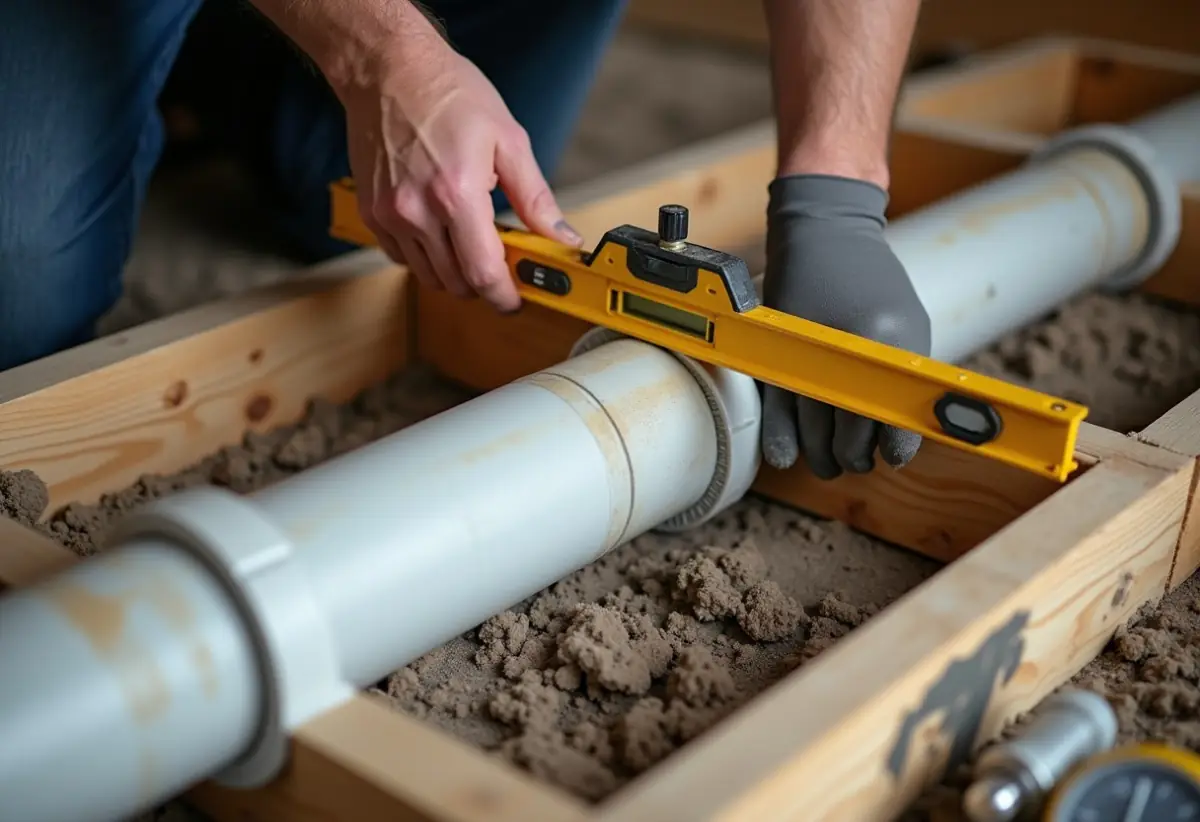
Do you need a permit to add a bathroom?
Yes, in almost every US jurisdiction, because a new bathroom adds drain, waste, vent, water and electrical work that local codes treat as permitted work. Fixr puts permit costs at about $500 on average, rising to roughly $2,000 for an add-on, and This Old House says to expect at least $100 plus several inspections.
A typical sequence is a plumbing rough-in inspection with the walls open, often with the drain system filled and tested for leaks, then an electrical rough-in, then final inspections. Block Renovation notes that drawings and required corrections add cost beyond the fee. Our guide on when plumbing work needs a permit covers who can pull one and what DIY homeowners may do in many states.
How much space do you need to add a bathroom?
A half bath fits in roughly 15 to 20 square feet according to This Old House, and Block Renovation cites about 3 by 5 feet as a practical minimum. Full baths generally need 40 square feet or more. The real limits come from code clearances, which most US jurisdictions adopt from the International Residential Code with local amendments.
| Clearance | IRC 2021 minimum | Code section |
|---|---|---|
| Toilet centerline to side wall or obstruction | 15 in | R307.1 (Figure R307.1) |
| Toilet centerline to adjacent fixture | 30 in (15 in each side) | R307.1 |
| Clear floor in front of toilet | 21 in | R307.1 |
| Clear floor in front of lavatory | 21 in | R307.1 |
| Clear space in front of shower opening | 24 in | R307.1 |
| Shower floor area | 900 sq in, at least 30 in across | P2708.1 |
| Ceiling height in a bathroom | 6 ft 8 in | R305.1 |
Cities on the Uniform Plumbing Code use similar spacing, though the UPC calls for 24 inches in front of the toilet.
How long does it take to add a bathroom?
Most bathroom additions take three weeks to two months of construction. In This Old House’s survey, 38 percent of projects took three to four weeks and 29 percent took one to two months, with crews on site for at least two weeks. Block Renovation estimates 2 to 4 weeks of active work for a simple half bath conversion and 6 to 14 weeks overall once design and permits are counted.
Bump-outs run longer because foundation, framing and roofing come first. Order fixtures before demolition so the rough-in matches them.
Does adding a bathroom add value to your home?
Adding a bathroom usually raises a home’s value, but it rarely pays for itself at sale. The 2025 Cost vs. Value Report, published by Zonda and the Journal of Light Construction, found a midrange bathroom addition recoups about 53 percent of its cost at resale, according to both This Old House and Block Renovation.
For comparison, the same report shows a midrange bathroom remodel recouping about 80 percent, per Block Renovation, a reason to upgrade an existing bath first when budget is tight.
The return tends to be strongest in homes with one bathroom for three or more bedrooms, and a modest half bath tends to recoup more than a spa-style suite. Block Renovation notes that local assessors may count the new bathroom when they set property taxes, so factor a possible tax increase into the math.
What drives the cost to add a bathroom up or down?
Location, distance from existing plumbing and finish level drive most of the spread between a $5,000 powder room and a $100,000 suite. Fixr’s cost breakdown assigns 22 percent each to the shower or tub and the vanity, 9 percent each to the toilet, sink, tile and utilities, and about 3 percent to permits. Since finish level and layout both hinge on fixture choice, it’s worth weighing how macerating toilets work before planning a basement bathroom addition.
- Raises cost: slab floors, a new roof vent, a bump-out foundation, a below-sewer basement, a water heater upgrade and a 50 percent tariff on imported vanities that Block Renovation says took effect in October 2025.
- Lowers cost: sharing an existing wet wall, stacking above a bath below, stock fixtures and a shower stall instead of a tub.
- Budget cushion: Fixr builds about 5 percent of contingency into its breakdown. Given that one third of surveyed owners in This Old House’s survey hit unplanned plumbing work, 10 to 15 percent is a safer reserve for older homes.
How we sourced this
We consulted 11 cost guides, surveys and code texts in October 2026 and cited 7: Fixr (January 2026), This Old House’s guide and homeowner survey (2026), Block Renovation’s half bath and bathroom value guides (2026), Roto-Rooter’s Denver basement bathroom guide, the 2021 IRC and the DOE water heater sizing guide. The 53 percent Cost vs. Value figure is reported as cited by This Old House and Block Renovation; the report itself was not accessible to us. We excluded a 2023 Bob Vila guide as dated, manufacturer press releases and content-farm pages. Local prices differ from national ranges. The 10 to 15 percent contingency is our editorial guidance, not a sourced figure.
Frequently asked questions
How much does it cost to add a half bath?
Most half baths cost $5,000 to $15,000, according to Fixr (January 2026), and Block Renovation gives a similar $5,000 to $15,000 planning range for space inside the existing footprint. A closet or under-stair conversion next to existing plumbing can land near $5,000 to $9,000. A half bath in a new bump-out runs $20,000 to $40,000 in Block’s estimate.
How much does it cost to add a bathroom in a basement?
Fixr puts a basement bathroom conversion at $10,000 to $50,000 or more. A Roto-Rooter guide for Denver lists $8,000 to $25,000 for a full basement bath and $12,000 to $25,000 or more when it needs a sewage ejector. The price swings on whether the slab gets cut for a pit or an upflush unit sits on the floor.
Does adding a bathroom add value to a house?
Usually yes, but not dollar for dollar. The 2025 Cost vs. Value Report found a midrange bathroom addition recoups about 53 percent of its cost at resale, as cited by This Old House and Block Renovation. The payoff tends to be strongest in homes with only one bathroom, where a second bath widens the buyer pool.
Is it cheaper to convert a room into a bathroom or build an addition?
Converting existing space is far cheaper. Fixr prices conversions at $200 to $250 per square foot and new additions at $400 to $550 per square foot, so a 100 square foot bath runs about $20,000 to $25,000 as a conversion versus $40,000 to $55,000 as an addition. This Old House says conversion can cost up to 50 percent less.
Do you need a permit to add a bathroom?
In almost every US jurisdiction, yes. A new bathroom adds drain, vent, water and electrical work, which local codes treat as permitted work with rough-in and final inspections. Fixr puts permits at about $500 on average and up to roughly $2,000 for an add-on. Fees and rules vary by city and county, so check with your building department.
How much space do you need to add a bathroom?
A half bath can fit in roughly 15 to 20 square feet, per This Old House, and Block Renovation cites about 3 by 5 feet as a typical minimum. The International Residential Code requires 15 inches from a toilet centerline to a side wall, 21 inches of clear floor in front of the toilet and sink, and a shower of at least 30 by 30 inches.
How long does it take to add a bathroom?
Plan on weeks, not days. In a This Old House survey, 38 percent of bathroom additions took three to four weeks and 29 percent took one to two months. Block Renovation estimates 2 to 4 weeks of active construction for a simple half bath conversion, or 6 to 14 weeks once design and permitting are counted.