Cesspool vs Septic Tank: Key Differences and Why Cesspools Are Banned
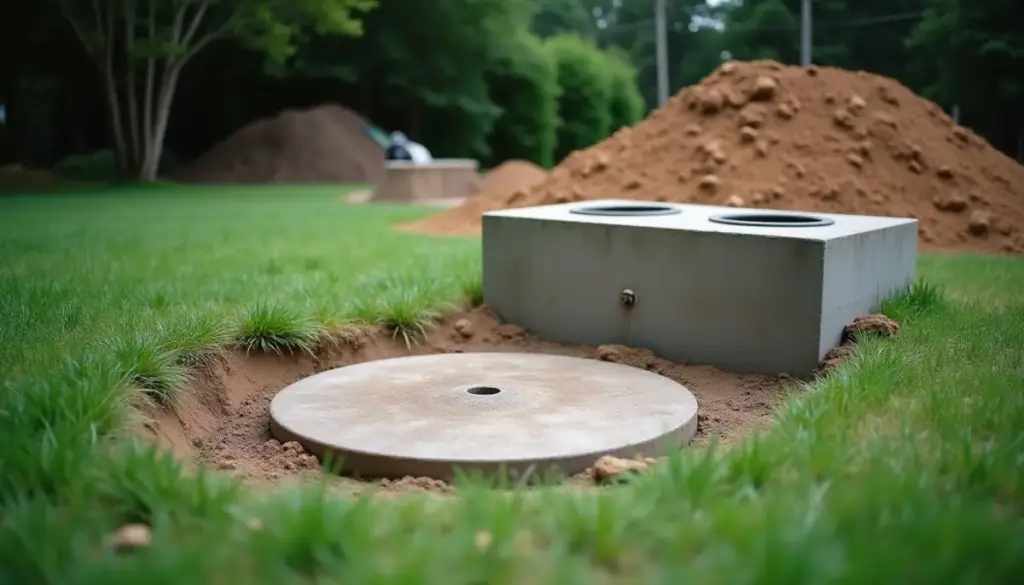
Cesspool vs septic tank comes down to treatment: a cesspool is a lined pit that leaks untreated sewage into the soil, while a septic tank separates solids and sends clarified effluent to a drain field.
Key Takeaways
- A cesspool has no separation chamber and no drain field, so raw wastewater seeps straight into the ground; EPA says its effluent often carries high nitrate and coliform levels.
- EPA banned new large-capacity cesspools on April 5, 2000 and ordered every existing one closed by April 5, 2005.
- Hawaii DOH counts about 88,000 cesspools releasing about 53 million gallons of untreated sewage a day, and Act 125 (2017) requires all of them replaced by 2050.
- Rhode Island law (RIGL 23-19.15-12) gives a buyer 12 months after a sale to replace a cesspool with a septic system or a sewer hookup.
- HomeAdvisor’s June 2026 guide puts a new septic system at $3,590 to $12,463, typical $8,016, which is the core of most conversion budgets.
What is the difference between a cesspool vs septic tank?
A cesspool only disposes of sewage, while a septic tank treats it. The cesspool is one pit that lets everything from the house drain into surrounding soil. A septic tank holds wastewater so solids sink as sludge and grease floats as scum, then passes the clearer middle layer to a drain field where soil bacteria finish the job.
That missing second stage is the whole story. EPA notes that areas relying on cesspools also tend to rely more heavily on groundwater for drinking. A septic system spreads partly treated effluent across a field sized to the soil, as our guide to how a septic system works walks through step by step.
| System | Treatment | Rules and setbacks | Lifespan | Typical cost |
|---|---|---|---|---|
| Cesspool (lined pit, open bottom or perforated sides) | None. Raw wastewater soaks into soil; nitrate and coliform often run high (EPA) | Large-capacity units banned federally since 2005; Hawaii replacement by 2050; Rhode Island replacement within 12 months of sale | Ends when the soil around the pit clogs; frequent pump-outs signal failure | New installs not permitted in Hawaii or Rhode Island; cost is the conversion |
| Conventional septic (tank plus drain field) | Tank settles solids and floats scum; soil in the field treats effluent | State and county code sets tank size by bedroom count and field setbacks from wells, water and foundations | Drain field often 20 to 30 years with pumping every 3 to 5 years (EPA) | $3,590 to $12,463, typical $8,016 (HomeAdvisor, June 2026) |
| Aerobic treatment unit | Air pump feeds oxygen-loving bacteria for cleaner effluent before dispersal | Often required on small lots, poor soil or near sensitive water; service contract common | Pump and aerator need power and periodic service | $10,000 to $20,000 (HomeAdvisor, June 2026) |
| Mound system | Engineered sand mound treats effluent above shallow soil or high groundwater | Used where an in-ground field fails the perc test | Depends on dosing pump upkeep and sand fill | $10,000 to $20,000, average $15,000 (HomeAdvisor, June 2026) |
| Holding tank | None on site; sealed tank is hauled to a treatment plant | Listed by EPA as a cesspool alternative; often a last resort where no field fits | Long-lived tank; pumping never stops | Ongoing hauling bills |
| Sewer connection | Municipal treatment plant | Only where a public main reaches the street | Utility maintains the main; you own the lateral | Varies with tap fees and trench length; ask your utility |
What is a cesspool and how does it work?
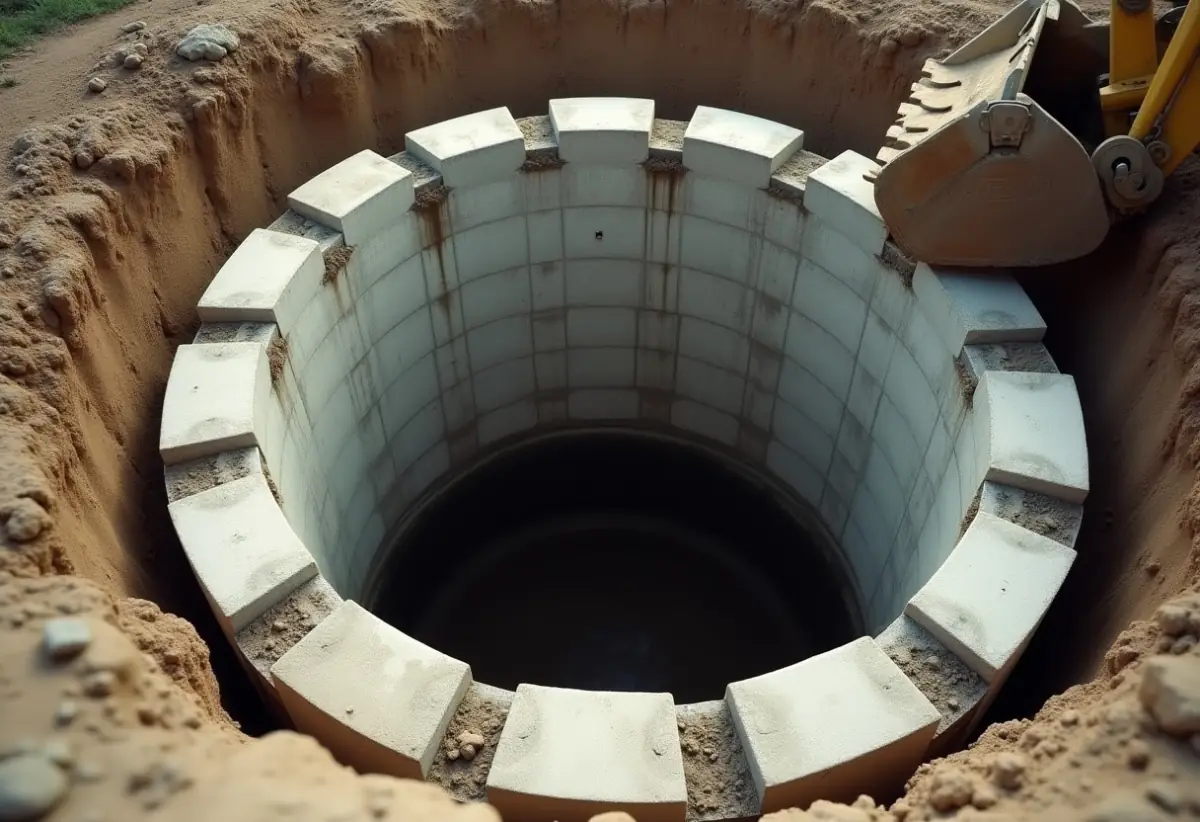
A cesspool is a shallow underground pit, usually a concrete, block or brick cylinder with an open bottom or perforated sides, that receives all household sewage. Liquid seeps out through the walls and floor into soil. Solids stay inside and slowly seal the soil face, which is why cesspools eventually stop draining and fail.
There is no baffle, no outlet to a field and no distribution box. The cesspool sewer line runs from the house straight into the pit, which is both tank and disposal area.
A septic tank works on a fixed volume instead. Many states size it by bedroom count; Maryland and Minnesota both set 1,000 gallons as the minimum for a home with three or fewer bedrooms, as our septic tank size breakdown shows by state code.
Why are cesspools banned?
Cesspools are banned because they put untreated sanitary waste directly into ground that often feeds drinking water. EPA’s Underground Injection Control program classes large-capacity cesspools as Class V wells, banned construction of new ones on April 5, 2000 and required every existing one to be closed by April 5, 2005.
The federal rule turns on capacity, not on the word cesspool. Under EPA’s large-capacity cesspool rule, these count as large-capacity and are banned:
- Any residential cesspool serving more than one unit, such as a duplex, townhouse row or apartment building, regardless of how many people live there.
- Any cesspool serving a mix of homes and businesses, with no headcount calculation.
- Any non-residential cesspool with the capacity to serve 20 or more persons a day. EPA judges capacity by design and potential use, so an “employees only” sign or a locked restroom does not shrink it.
A cesspool serving only one single-family home, or a sanitary-only non-residential pit serving fewer than 20 persons a day, falls outside the federal ban. State and local health codes govern those.
Which states require cesspool conversion?
Hawaii and Rhode Island have the clearest statewide conversion mandates. Hawaii’s Act 125, passed in 2017, requires every cesspool in the state to be replaced by 2050. Rhode Island’s Cesspool Act of 2007 requires a cesspool on any sold or transferred property to be replaced within 12 months of the sale.
Hawaii: Act 125 and the 2050 deadline
The Hawaii Department of Health counts about 88,000 cesspools statewide that release roughly 53 million gallons of untreated sewage into the ground each day. DOH ranks them in four priority tiers, from Priority 1 (significant risk to human health, drinking water or sensitive waters) down to Priority 4 (not yet fully analyzed). It flags 14 areas of greatest need, with Upcountry Maui and Kahalu’u the top priority.
The Big Island alone holds nearly 50,000 of the state’s cesspools, about 57 percent by our arithmetic from the DOH counts.
Rhode Island: replacement at sale
Rhode Island’s rule bites at closing. Under RIGL 23-19.15-12(a), a cesspool serving a property that is sold or transferred must be replaced with an onsite wastewater treatment system, or the building must connect to public sewer, within 12 months of the sale or transfer. Since January 1, 2016 that clock applies to all cesspools on a transferred property, not only failing ones. The statute does not say whether buyer or seller pays.
Elsewhere, your county health department sets the rules for a single-home cesspool.
How do you tell if you have a cesspool or a septic tank?
The fastest proof is the permit file. Your county health or building department usually keeps the onsite wastewater permit or as-built drawing for each address, and it names the system type. If no record exists, a yard check and one visit from a pumping contractor will usually settle it.
- Pull the records. Request the onsite wastewater permit, as-built drawing or pumping history for your parcel from the county health department.
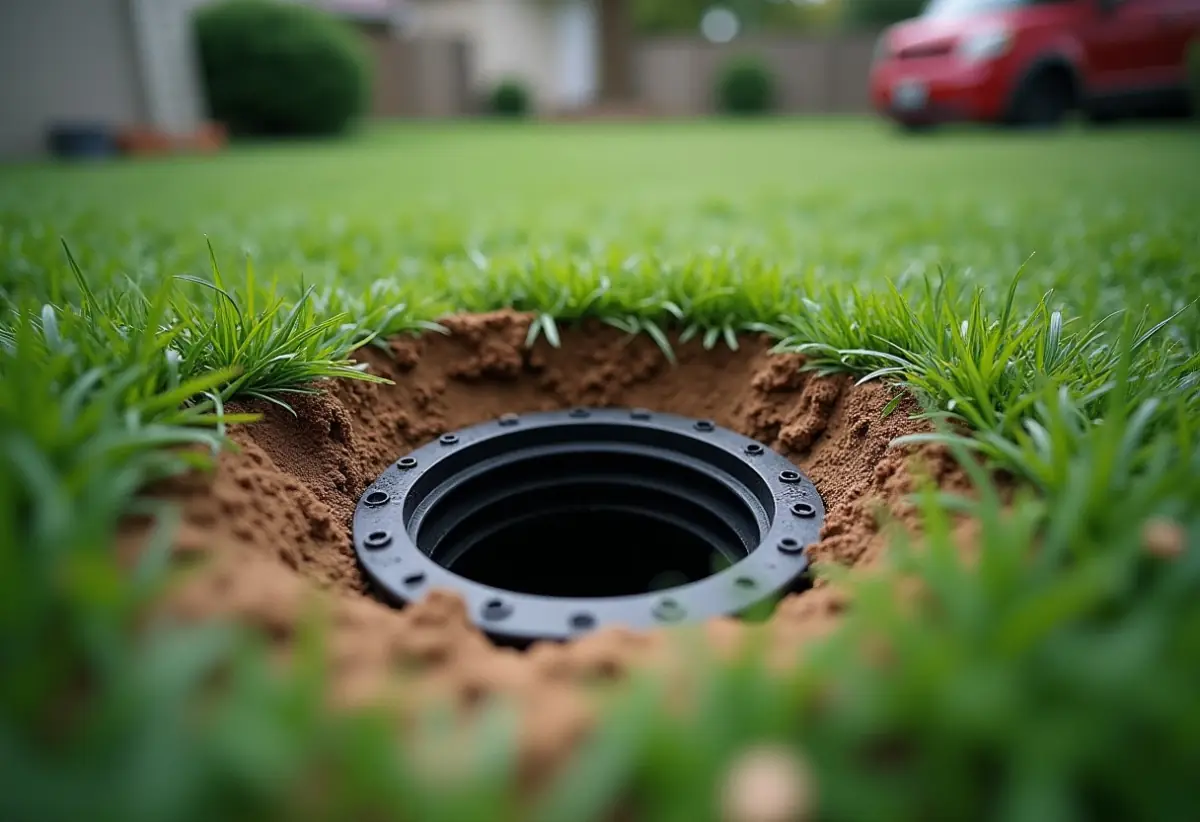
- Find the lid. Follow the main sewer pipe out of the foundation. A round concrete or cast-iron cover over a single pit points to a cesspool. A rectangular tank, often with two lids or risers over the inlet and outlet ends, points to a septic tank.
- Look for the field. A septic system has a distribution box and trenches or a mound downslope of the tank. A cesspool has nothing past the pit.
- Ask the pumper. Once the lid is off, a contractor can see whether there are baffles, an outlet pipe and a sealed floor, or bare soil and perforated walls.
No records? A contractor can find a buried pit with a steel soil probe or a flushable electronic transmitter.
What are the signs of cesspool failure?
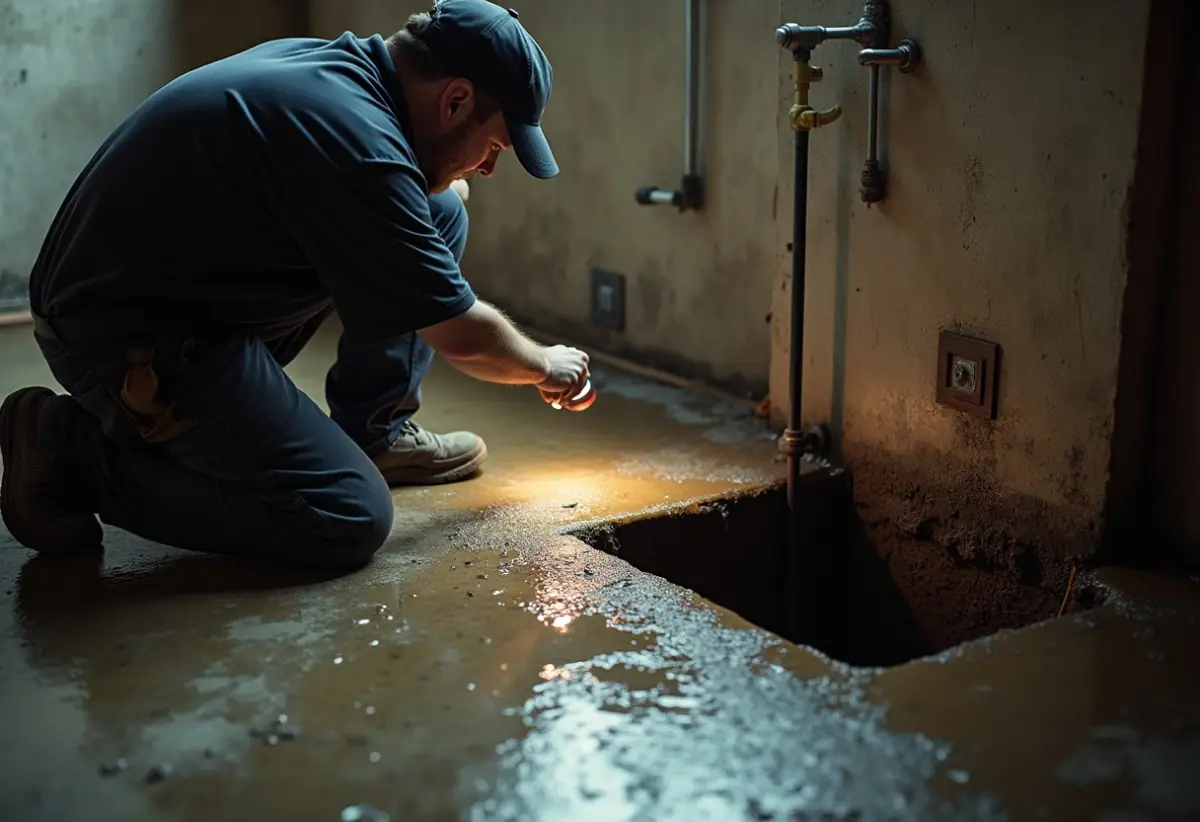
A failing cesspool shows up as slow drains, gurgling fixtures and sewage backing up into the lowest drain, followed by soggy ground or sewage odor over the pit. Each sign means the soil around the pit can no longer absorb wastewater as fast as the house sends it.
- Slow drains on every fixture at once, lowest drains first.
- Pump-outs that only buy days or weeks. A pit that refills right after pumping has a sealed soil face.
- Wet, spongy or unusually green ground over or beside the pit, or standing water after dry weather.
- Sewage odor near the lid.
- A sagging or cracked lid or a sinkhole near the pit. Old block and brick pits can collapse, so keep people and vehicles off and call a licensed septic contractor the same day.
EPA warns that cesspool effluent often carries high nitrate and coliform bacteria. If you drink from a private well near a cesspool, test it for nitrate and total coliform before and after any repair.
What does a cesspool conversion cost and what are the options?
Most cesspool conversions are priced like a new septic system, because that is what you are buying. HomeAdvisor’s June 2026 guide puts a new septic system at $3,590 to $12,463, with a typical spend of $8,016. Poor soil, a small lot or nearby sensitive water can push you to an aerobic or mound system at $10,000 to $20,000.
EPA lists four replacements: a septic system, a sewer hookup, a package treatment plant for larger buildings, and a pumped holding tank. For a single home, work down this order:
- Sewer hookup if a public main reaches your street. The tap fee often decides the math.
- Conventional septic if the lot passes a perc test. Soil engineers charge $700 to $2,000 for the test, and permits run $450 to $2,300, per HomeAdvisor’s 2026 septic cost guide.
- Aerobic or mound system where the soil, water table or setbacks rule out a standard field. Plan on $10,000 to $20,000, and expect a service contract with an aerobic unit.
- Holding tank only where nothing else fits, since hauling bills never end.
The drain field is usually the biggest line item, $5,000 to $12,000 by HomeAdvisor, and our septic drain field guide covers what sizes it and what kills it. For a full price breakdown by system type, see our septic system installation cost guide. Closing the old pit (pump, then fill or remove to local rules) should be its own line on the quote.
Where to find help paying for it
USDA Rural Development’s Section 504 Home Repair program lends up to $40,000 at 1 percent over 20 years to eligible rural owners, with grants up to $10,000 for owners 62 and older. Maryland’s Bay Restoration Fund can cover up to 100 percent of a nitrogen-reducing upgrade, per University of Maryland Extension.
How we sourced this
Federal rules come from EPA’s Underground Injection Control page on large-capacity cesspools, read October 2026. Hawaii figures and the Act 125 deadline come from the Hawaii Department of Health. Rhode Island requirements come from the text of RIGL 23-19.15-12; the 2016 effective date is from Rhode Island municipal guidance on the 2015 amendment. Costs come from HomeAdvisor’s septic guide updated June 2026. We consulted about a dozen ranking pages and cited only agencies, statute text and one cost guide. Suffolk County, New York, grant figures and a statewide Rhode Island cesspool count were excluded because we could not confirm them on a primary page.
Frequently asked questions
Is a cesspool the same as a septic tank?
No. A cesspool is a single lined pit with an open bottom or perforated walls that lets raw wastewater soak straight into the ground. A septic tank is a watertight box that holds sewage long enough for solids to settle and scum to float, then sends the clearer liquid to a drain field where soil finishes the treatment. The tank treats waste and the cesspool only disposes of it.
Are cesspools illegal in the United States?
Large-capacity cesspools are illegal nationwide. EPA banned new ones on April 5, 2000 and required existing ones to close by April 5, 2005. A cesspool serving only one single-family home is not covered by that federal rule, so its status depends on your state. Hawaii requires every cesspool to be replaced by 2050, and Rhode Island requires replacement within 12 months of a property sale.
Can I sell or buy a house with a cesspool?
Usually yes, but the cesspool may become the buyer’s legal problem. In Rhode Island, state law (RIGL 23-19.15-12) requires a cesspool to be replaced with a septic system or a sewer connection within 12 months of the sale or transfer. Elsewhere, lenders, inspectors and local health codes may require an upgrade, so get a septic or cesspool inspection and a written replacement quote before closing.
How much does it cost to replace a cesspool with a septic system?
Budget for the price of a new septic system plus closing the old pit. HomeAdvisor’s June 2026 guide puts a new septic system at $3,590 to $12,463, with a typical spend near $8,016. If the soil fails a perc test or the lot is near sensitive water, an aerobic or mound system often runs $10,000 to $20,000. Permits add $450 to $2,300 by the same guide.
How often does a cesspool need to be pumped?
There is no single schedule, because a healthy cesspool drains into the soil instead of storing liquid. Frequent pump-outs are a warning sign that the soil around the pit has clogged and the cesspool is failing. Septic tanks are different. EPA recommends inspection at least every three years and pumping every three to five years for most household tanks, depending on tank size and household use.
How do I know if my house has a cesspool?
Start with paper records. Ask your county health department or building department for the onsite wastewater permit or as-built drawing for your address. Then check the yard. A round concrete lid over a single pit with no distribution box or drain field suggests a cesspool, while a rectangular tank with an inlet and outlet feeding a field suggests septic. A pumping contractor can confirm it on the first visit.
How many cesspools are in Hawaii?
The Hawaii Department of Health counts about 88,000 cesspools statewide, with nearly 50,000 on the Big Island, almost 14,000 on Kauai, over 12,000 on Maui, over 11,000 on Oahu and over 1,400 on Molokai. Together they release about 53 million gallons of untreated sewage into the ground each day. Act 125, passed in 2017, requires all of them to be replaced by 2050.