Toilet Flapper: What It Is, Signs It Is Bad, and How to Replace It
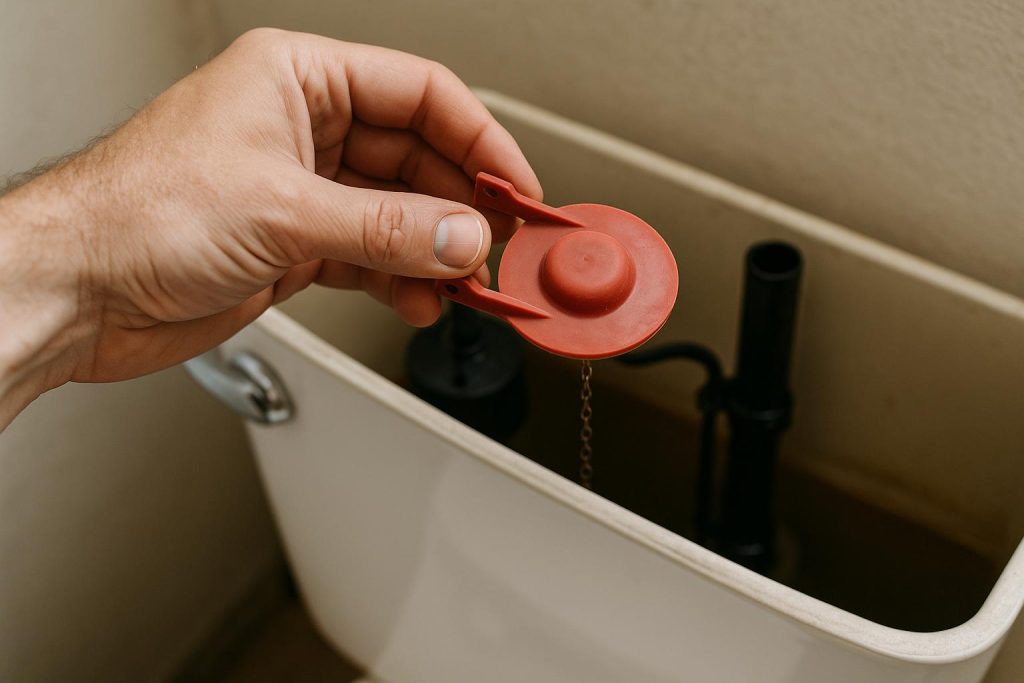
A toilet flapper is the rubber or silicone seal that covers the flush valve at the bottom of the tank; when it wears out the toilet runs, phantom-flushes, and needs a handle jiggle.
Key Takeaways
- The flapper seals the flush valve to hold tank water; the the toilet fill valve is a separate part that refills the tank, so name the failing part before you buy.
- A running toilet, usually from a bad flapper, can waste up to 200 gallons of water per day, per the EPA WaterSense program.
- Household leaks waste nearly 1 trillion gallons nationwide each year, and a worn flapper is one of the most common culprits, per the EPA.
- Flush valves come in 2-inch (older, pre-2005 standard) and 3-inch (many newer 1.6 gallon-per-flush toilets), so match the flapper to the opening.
- A standard rubber flapper lasts about 4 to 5 years; chlorine-resistant EPDM lasts longer, especially with in-tank bleach tablets.
- The part runs about $5 to $15 and the swap takes 10 to 15 minutes with no tools; a plumber service call usually starts around $100.
What is a toilet flapper?
A toilet flapper is the hinged rubber or silicone seal that sits over the flush valve, the large opening at the bottom center of the tank. It holds water in the tank between flushes. When you press the handle, a lift chain pulls the flapper up, tank water pours through the flush valve into the bowl, and the flapper drops back down to reseal so the tank can refill.
The flapper is one small piece in the flush-and-fill cycle. The handle and chain lift it, the flush valve is the seat it seals against, and the overflow tube stands next to it. For the full sequence of parts and how they work together, see our guide to how a toilet works.
Flapper vs fill valve: what is the difference?
The flapper and the fill valve are two different parts that people constantly confuse. The flapper seals the flush valve to hold water in the tank. The fill valve refills the tank after each flush and shuts off at a set level. A bad flapper leaks water from the tank into the bowl. A bad fill valve fails to shut off or fills too slowly. Both can cause a running toilet, so figure out which one is failing first.
| Part | Job | Where it sits | How it fails |
|---|---|---|---|
| Flapper (flush valve seal) | Seals the flush valve to hold water in the tank | Rubber or silicone flap at the bottom center | Leaks tank water into the bowl, causing running and phantom flushes |
| Fill valve | Refills the tank and bowl after a flush | Tall column on the left side of the tank | Runs, fills slowly, hisses, or will not shut off |
The dye test settles it fast. If color bleeds from the tank into the bowl, the flapper is leaking. If the tank keeps trickling and spills into the overflow tube instead, the fill valve or its water level is the problem. Our guide to fixing a running toilet walks the full flapper-versus-valve diagnosis.
What are the types of toilet flappers?
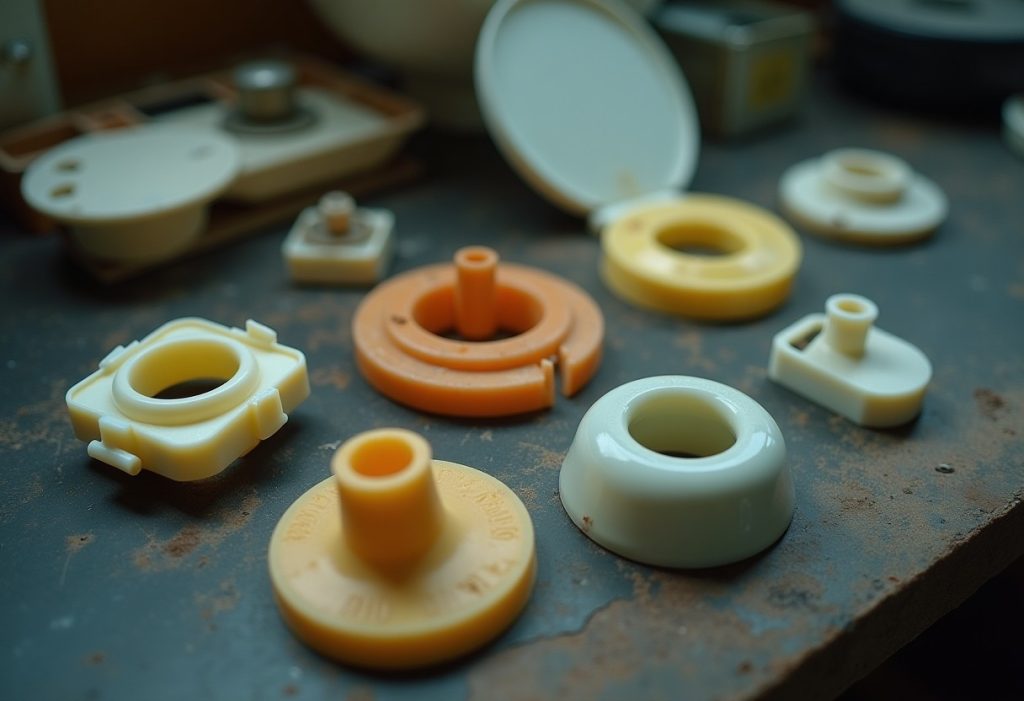
Flappers differ by the flush valve size they fit, the rubber compound they use, and their shape. The main categories are standard rubber, chlorine-resistant, 3-inch, adjustable, and the seat-disc or tower style found on some newer toilets. A universal flapper covers most common tanks, but the right pick depends on your flush valve size and whether you drop bleach tablets in the tank.
| Flapper type | Fits which toilets | Adjustability | Lifespan | Best for |
|---|---|---|---|---|
| Standard rubber | 2-inch flush valves, most pre-2005 toilets | Usually fixed; some have a dial or foam float | About 4 to 5 years | Basic replacement on older tanks |
| Chlorine-resistant (EPDM) | 2-inch or 3-inch, brand-specific | Often adjustable dial | 5 years or more | Homes with bleach tablets or chlorinated water |
| 3-inch | 3-inch flush valves on many newer 1.6 GPF toilets | Usually fixed to match the larger valve | 4 to 5 years, longer if EPDM | Newer high-efficiency toilets |
| Adjustable | Universal; fits 2-inch valves | Dial or float sets flush volume | 4 to 5 years | Dialing in flush strength and water use |
| Seat-disc (tower) | Canister or tower-style flush valves | Adjustable float on many models | 5 years or more | Newer toilets with a canister flush tower |
Take the old flapper to the store, or note your toilet’s brand and model from inside the tank. Some tower-style and canister flush systems use a proprietary seal rather than a hinged flapper, so a generic part will not fit those.
How do you know a toilet flapper is bad?
Three signs point straight at a worn flapper: a toilet that keeps running, phantom flushes where the tank refills on its own every few minutes, and having to jiggle the handle to stop the water. A flapper that is warped, stiff, slimy, or covered in mineral scale no longer seals flat against the flush valve, so water trickles into the bowl. This is the leak the dye test confirms.
A bad flapper is not just an annoyance. It is one of the most common causes of a high water bill, and the waste adds up quietly because a slow tank-to-bowl leak makes little noise.
How do you run the toilet dye test?
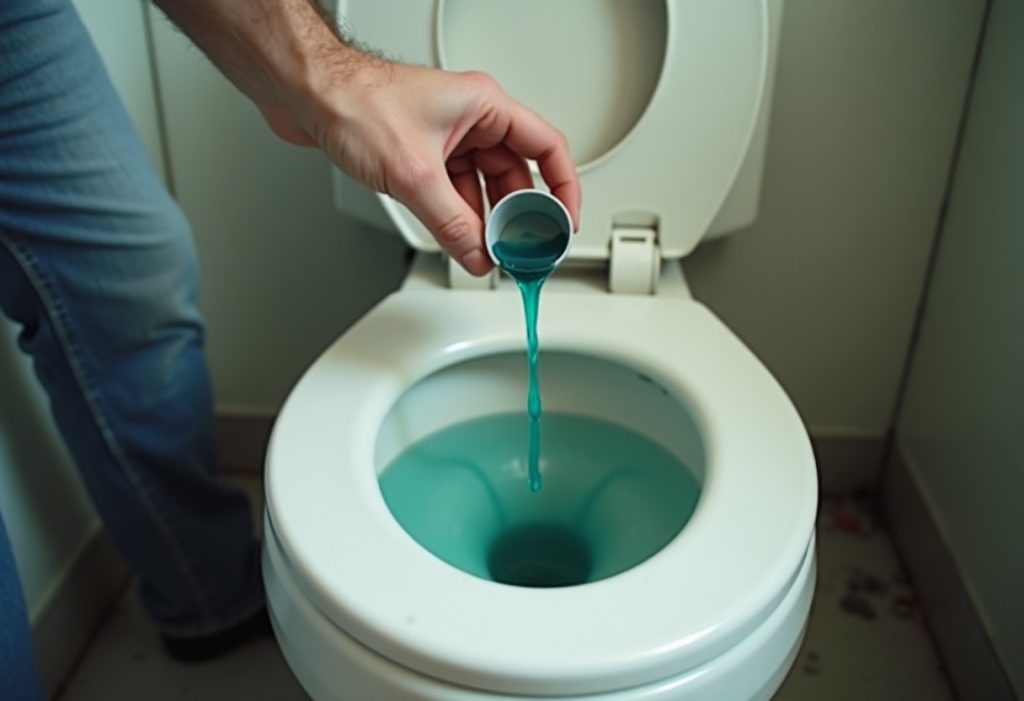
The dye test is the EPA’s recommended way to catch a leaking flapper, and it takes about 15 minutes with no tools. Drop food coloring or a dye tablet into the tank, wait without flushing, then check the bowl. Color in the bowl means tank water is leaking past the flapper. It is the cheapest diagnostic in plumbing and it removes the guesswork before you buy a part. Once you’ve confirmed the flapper is sound, a toilet that still won’t flush right or keeps clogging usually points to a no-flush symptom checklist or recurring clog causes.
- Take the tank lid off and set it somewhere safe.
- Put a few drops of dark food coloring, or a dye tablet, into the tank water.
- Wait about 10 to 15 minutes and do not flush during the test.
- Look in the bowl. If colored water has appeared, the flapper is leaking and should be replaced.
- If the bowl stays clear but the tank keeps trickling into the overflow tube, the fill valve or water-level setting is the issue instead.
Flush afterward to clear the dye so it does not stain the tank or bowl.
What size flapper do you need, 2-inch or 3-inch?
Match the flapper to the flush valve opening at the bottom of the tank. A 2-inch flapper, about the size of a golf ball, is the older standard and fits most toilets made before 2005. A 3-inch flapper, closer to a baseball, is common on newer high-efficiency toilets rated 1.6 gallons per flush or less. Putting a 2-inch flapper on a 3-inch valve, or the reverse, will not seal.
To size yours, shut off the water, flush to empty the tank, and look at the flush valve seat the flapper rests on. Measure the opening or compare it to a golf ball versus a baseball. The surest method is to pull the old flapper and take it to the store, or read your toilet’s brand and model stamped inside the tank and buy the matching part.
How long does a toilet flapper last?
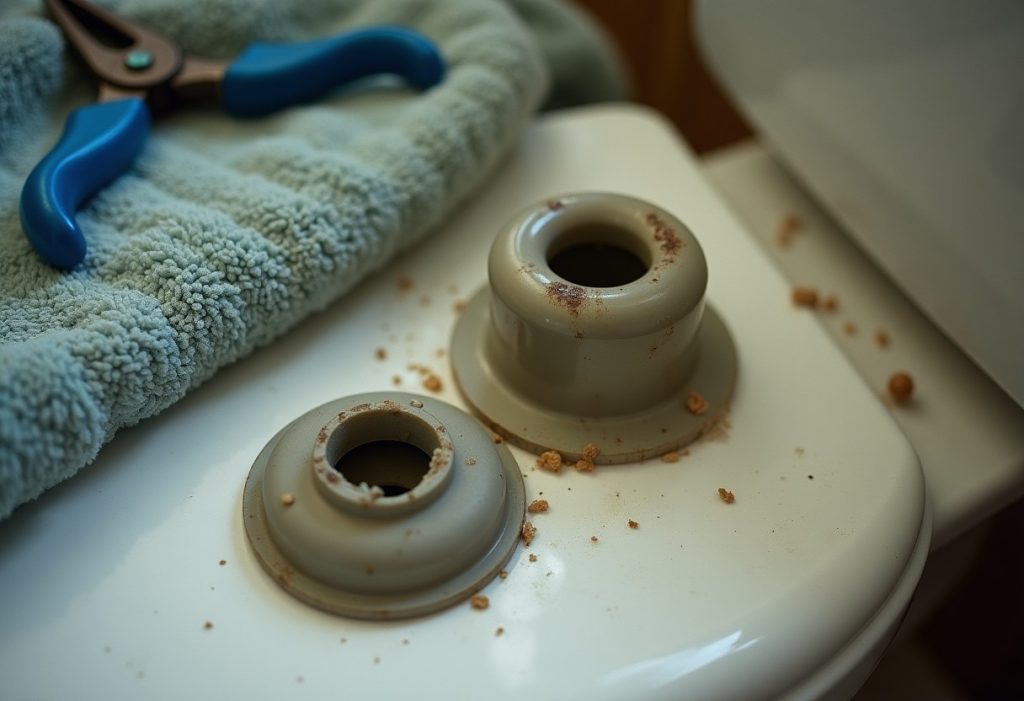
A standard rubber flapper lasts about 4 to 5 years before it warps, stiffens, or develops a slimy film that keeps it from sealing. Chlorine-resistant flappers made from EPDM or proprietary compounds hold up longer, often 5 years or more. The fastest way to kill a flapper is in-tank bleach or chlorine tablets, which attack ordinary rubber, so a chlorine-resistant seal pays off in those homes.
Because the part is cheap and the job is quick, replacing a flapper the moment it starts leaking is smarter than living with the waste. If the toilet still runs after a new flapper, the next suspect is the fill valve.
How do you replace a toilet flapper?
Replacing a flapper is one of the easiest plumbing jobs, about 10 to 15 minutes with no tools beyond your hands. The part costs roughly $5 to $15. The main trick is buying the right size and matching the chain length so the flapper seats fully but still lifts on a normal flush. A universal flapper works on many toilets, but a size or brand match is safest.
- Shut off the water at the stop valve under the toilet, then flush and hold the handle to drain the tank.
- Sponge or towel out the last bit of water so you can see the flush valve.
- Unhook the lift chain from the flush handle arm.
- Slide the old flapper’s ears off the pegs on the sides of the overflow tube, or unclip the ring style, and lift it out.
- Snap the new flapper onto the same pegs or over the overflow tube, matching 2-inch or 3-inch to your valve.
- Reconnect the chain with a little slack, about half an inch, so it does not hold the flapper open or keep it from lifting.
- Turn the water back on, let the tank refill, flush a few times, and run a dye test to confirm the leak is gone.
If you are already pulling the toilet for other work, or setting a new fixture, our guide to how to install a toilet covers the wax ring and closet bolts. If the toilet still runs after a fresh flapper and a correct chain length, move on to the fill valve or its water-level setting.
How we sourced this
Water-waste figures come from the EPA WaterSense program: the up-to-200-gallons-per-day running-toilet figure and the Fix a Leak Week household statistics (nearly 1 trillion gallons wasted nationwide per year). The dye test procedure follows EPA WaterSense and municipal water-utility leak guidance. Flush valve sizing (2-inch as the older pre-2005 standard, 3-inch on many newer 1.6 gallon-per-flush toilets, golf-ball versus baseball comparison) and the chlorine-resistant EPDM lifespan reflect manufacturer documentation from Korky and Fluidmaster. Lifespan ranges in the chart use documented material behavior: chlorine-resistant EPDM at 5 to 10 years, standard rubber at 4 to 5 years, and ordinary rubber shortened to 1 to 2 years under heavy in-tank chlorine. Part prices ($5 to $15) and the plumber service-call minimum ($100 or more) are general US market ranges and vary by region, brand, and shop minimums.
Frequently asked questions
What is a toilet flapper?
A toilet flapper is the rubber or silicone seal that covers the flush valve opening at the bottom of the tank. It holds water in the tank between flushes. When you push the handle, a chain lifts the flapper so tank water dumps into the bowl, then the flapper drops back to seal and let the tank refill. A worn flapper lets water leak into the bowl.
What is the difference between a toilet flapper and a fill valve?
The flapper seals the flush valve to hold water in the tank, and the fill valve refills the tank after each flush. They are two separate parts. A bad flapper leaks water from the tank into the bowl, causing running and phantom flushes. A bad fill valve fails to shut off or fills too slowly. Both can cause a running toilet, so tell them apart before you buy a part.
How do I know if my toilet flapper is bad?
The clearest signs are a toilet that keeps running, phantom flushes where the tank refills on its own, and having to jiggle the handle to stop the water. Water trickling into the bowl or a warped, slimy, or stiff flapper all point to a worn seal. A dye test confirms it: color in the bowl without a flush means the flapper is leaking.
How do I do the dye test on a toilet?
Put a few drops of food coloring or a dye tablet in the tank, then wait about 10 to 15 minutes without flushing. If colored water shows up in the bowl, the flapper is leaking and needs replacing. If the tank instead trickles and spills into the overflow tube, the fill valve or its water level is the problem, not the flapper.
What size toilet flapper do I need, 2-inch or 3-inch?
Measure the flush valve opening at the bottom of the tank. A 2-inch flapper (about golf-ball size) is the older standard on most toilets made before 2005. A 3-inch flapper (about baseball size) is common on newer high-efficiency toilets rated 1.6 gallons per flush or less. Match the flapper to the flush valve, and take the old flapper to the store.
How long does a toilet flapper last?
A standard rubber flapper often lasts about 4 to 5 years before it warps, stiffens, or gets slimy and stops sealing. Chlorine-resistant flappers made from EPDM or proprietary compounds can last 5 years or more. In-tank bleach tablets and chlorinated water speed up the decay, so a chlorine-resistant seal is the smarter choice in those homes.
How much does it cost to replace a toilet flapper?
The flapper itself usually costs about $5 to $15 at a hardware store, and a universal flapper fits many toilets. The DIY swap takes about 10 to 15 minutes and needs no tools beyond your hands. A plumber will often replace one, but a service call usually starts around $100 or more, so the part is far cheaper than the visit.


