Average Home Water Usage by Fixture
The average American home uses about 300 gallons of water a day, and roughly 70% of that is used indoors, led by toilets at 24% of the total.
Key Takeaways
- The average US household uses more than 300 gallons of water per day, about 70% of it indoors (EPA WaterSense).
- Toilets are the single largest indoor use at 24%, followed by showers 20%, faucets 19%, and clothes washers 17% (EPA and AWWA Residential End Uses of Water).
- The typical American uses 80 to 100 gallons of water per person per day (USGS Water Science School).
- Leaks waste about 12% of indoor water, roughly 10,000 gallons per household per year (EPA WaterSense).
- Federal law caps toilets at 1.6 gallons per flush, showerheads at 2.5 gallons per minute, and bathroom faucets at 2.2 gallons per minute; WaterSense models go lower (EPA WaterSense).
- Replacing one showerhead with a WaterSense model saves the average family about 2,900 gallons a year (EPA WaterSense).
How much water does the average home use per day?
The average American home uses more than 300 gallons of water a day, according to EPA WaterSense. About 70% of that is used indoors and 30% outdoors. Per person, the USGS Water Science School puts typical use at 80 to 100 gallons a day. Breaking that per-person figure down by fixture gets clearer with closer looks at shower water use and toilet flush volume.
Those figures are averages across the country. Outdoor irrigation pushes households in hot, dry regions well above 300 gallons, while a small apartment with efficient fixtures can use a fraction of it. Household size matters too: per-person use falls as more people share the same fixtures and leaks.
How is home water usage split by fixture?
Indoor home water usage splits into six main buckets. Toilets lead at 24%, then showers at 20%, faucets at 19%, and clothes washers at 17%. Leaks take another 12%, and everything else (baths, dishwashers, and other uses) makes up the last 8%. These shares come from EPA and the AWWA Residential End Uses of Water study. Since that 8% bucket covers dishwashers alongside other fixtures, check out dishwasher vs hand washing water use for a closer look at that category.
The pattern surprises people who assume showers dominate. Toilets win because every flush moves gallons at once, several times a day, in every occupied home. That is also why fixture age matters so much: a single old toilet can outweigh a whole household’s efficient habits elsewhere.
How much water does each fixture use?
Each fixture has a flow rate measured in gallons per flush (gpf) for toilets or gallons per minute (gpm) for showers and faucets. Federal law sets a ceiling, and EPA WaterSense sets a stricter voluntary target. The table below pairs the flow rate with each fixture’s share of indoor use.
| Fixture | Typical flow | WaterSense target | Share of indoor use |
|---|---|---|---|
| Toilet | 1.6 gpf (pre-1994 units: 3.5 to 7 gpf) | 1.28 gpf or less | 24% |
| Showerhead | 2.5 gpm (federal maximum) | 2.0 gpm or less | 20% |
| Faucets (bath and kitchen) | 2.2 gpm (federal maximum) | 1.5 gpm or less (bath) | 19% |
| Clothes washer | 20 to 40 gallons per load (older) | ENERGY STAR: about 14 gallons per load | 17% |
| Leaks | Varies (running toilet: 200+ gallons per day) | Fix to reclaim about 12% | 12% |
Flow rate and share are two different things. A faucet moves less water per minute than a shower, but faucets get opened dozens of times a day for hands, dishes, and teeth, so their total nearly matches showers. When you compare efficient plumbing fixtures, look at both the rated flow and how often you use each one.
Where does home water usage go to waste?
Leaks are the biggest hidden waste, taking about 12% of indoor water, or roughly 10,000 gallons per household per year, per EPA WaterSense. Nationwide, household leaks waste close to 1 trillion gallons annually. Ten percent of homes leak 90 gallons or more a day, usually from a part that costs a few dollars.
A running toilet flapper is the most common offender and can waste 200 gallons a day on its own. Dripping faucets, worn washing machine hoses, and irrigation lines add up fast. If your usage climbs without a clear reason, watch for the signs of a hidden water leak before the next bill lands.
Not every problem is a leak. If flow at a fixture has dropped off, the cause may be a clogged aerator or a pressure issue rather than waste. Our guide to low water pressure walks through how to tell the difference.
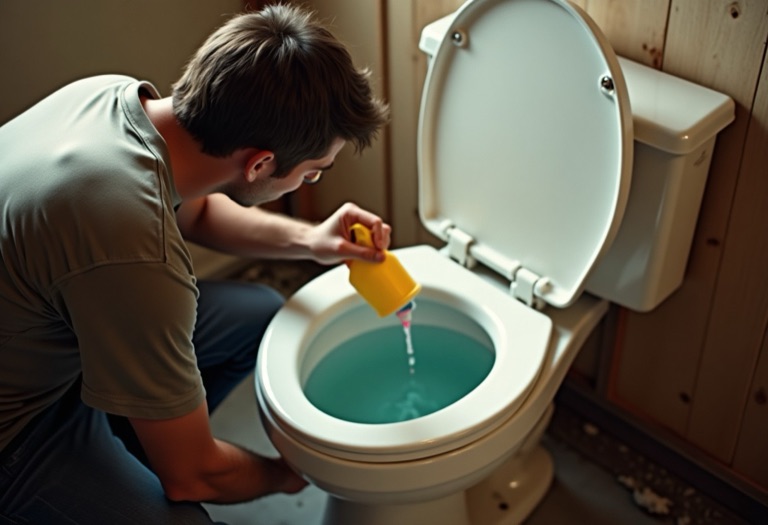
How can you cut your home water usage?
You can cut a typical household’s indoor use by 20% or more by fixing leaks and upgrading a few fixtures. The steps below are ordered by payback, biggest saving first, so you tackle toilets and leaks before smaller wins.
- Find and fix leaks. Drop food coloring in the toilet tank; if color reaches the bowl in 10 minutes without a flush, the flapper is leaking.
- Replace any pre-1994 toilet with a 1.28 gpf WaterSense model, since toilets are 24% of indoor use.
- Install WaterSense showerheads rated 2.0 gpm or less and faucet aerators rated 1.5 gpm.
- Run the clothes washer and dishwasher only with full loads, and pick ENERGY STAR units when replacing them.
- Turn off the tap while brushing or scrubbing, and keep a chilled pitcher instead of running the faucet cold.
Build these checks into a routine rather than a one-time push. A quick look at supply lines, the water heater, and outdoor spigots each season keeps small drips from becoming big bills; our seasonal plumbing maintenance checklist covers the full walk-through.
Do WaterSense fixtures really lower water usage?
Yes. WaterSense is an EPA program that certifies fixtures using at least 20% less water than the federal standard while meeting performance tests, so you save water without a weak flush or trickle. EPA estimates a WaterSense showerhead alone saves the average family about 2,900 gallons a year.
The savings compound because the certified categories map onto the biggest uses: toilets, showers, and faucets are 63% of indoor water combined. A home that upgrades all three and fixes its leaks reaches the low end of the USGS 80 to 100 gallon per person range, and sometimes below it.
How we sourced this
Figures come from EPA WaterSense (average household use, indoor share, leak waste, and fixture savings), the AWWA and Water Research Foundation Residential End Uses of Water study (the fixture share breakdown), and the USGS Water Science School (per-person daily use). Flow-rate maximums reflect current US federal standards and WaterSense specifications. We used national averages published 2016 through 2026; regional utility data and older studies were reviewed but not cited to avoid mixing methodologies. Shares are rounded to whole percents and sum to 100.
Frequently asked questions
How many gallons of water does the average home use per day?
The average American household uses more than 300 gallons of water per day at home, according to EPA WaterSense. About 70% of that is used indoors and 30% outdoors on lawns and gardens. Outdoor use runs higher in hot, dry climates, so a family in the arid Southwest can top the national average by a wide margin.
What uses the most water in a house?
Toilets use the most water indoors, about 24% of the total, per EPA and the AWWA Residential End Uses of Water study. Showers follow at roughly 20%, faucets at 19%, and clothes washers at 17%. Leaks account for another 12%, which is often more than a home spends on baths and dishwashers combined.
How much water does a toilet use per flush?
A toilet made before 1994 uses 3.5 to 7 gallons per flush. Federal law has capped new toilets at 1.6 gallons per flush since 1994, and EPA WaterSense labeled models use 1.28 gallons or less. Because toilets are the largest single indoor use, swapping an old one is usually the fastest way to cut a water bill.
How much water does a 10-minute shower use?
A standard showerhead flows at the federal maximum of 2.5 gallons per minute, so a 10-minute shower uses about 25 gallons. A WaterSense showerhead capped at 2.0 gallons per minute drops that to roughly 20 gallons. EPA estimates replacing one showerhead with a WaterSense model saves the average family about 2,900 gallons a year.
How much water do household leaks waste?
Household leaks waste roughly 10,000 gallons of water per year on average, and they make up about 12% of indoor use, per EPA WaterSense. Nationwide, leaks waste nearly 1 trillion gallons annually. A running toilet or a dripping faucet is often the culprit, and most fixes are cheap parts a homeowner can install.
How many gallons of water does one person use per day?
The average American uses 80 to 100 gallons of water per day, according to the USGS Water Science School. Actual use depends on household size, fixture age, and habits. Homes with WaterSense fixtures and no leaks can run well below that range, while older homes with running toilets can use far more.
How can I lower my home water usage?
Fix leaks first, since they waste about 12% of indoor water. Then replace pre-1994 toilets with 1.28 gallon WaterSense models, add 2.0 gallon per minute showerheads and 1.5 gallon per minute faucet aerators, and run full loads in the washer and dishwasher. Together these steps can cut a typical household’s indoor use by 20% or more.
Does a bigger household always use more water per person?
No. Per-person use usually drops as household size rises because fixed uses like leaks, dishwasher cycles, and a load of laundry get shared across more people. A single-person home often uses more gallons per capita than a family of four in the same house with the same fixtures.


