Gas vs Electric Water Heater: Cost, Efficiency, Recovery
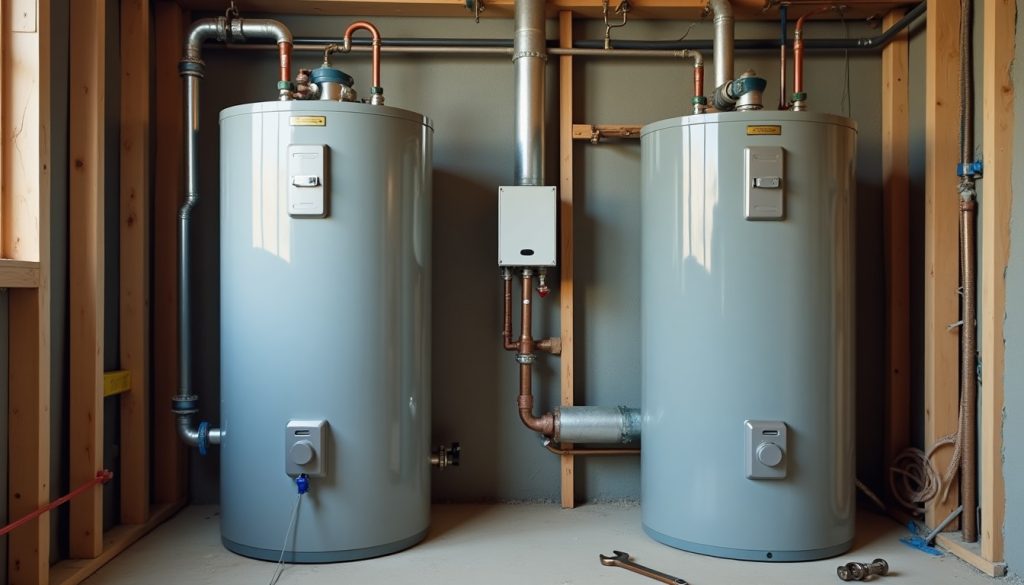
Gas vs electric water heater choice hinges on fuel cost: gas usually runs cheaper per year, electric installs simpler, and a heat pump electric model cuts energy use about 70%, per ENERGY STAR.
Key Takeaways
- A gas water heater usually costs less to operate where natural gas is available, often around $200 to $400 a year versus about $400 to $600 for standard electric in typical U.S. homes (typical market ranges).
- A standard gas storage tank rates roughly 0.60 to 0.70 UEF, while an electric resistance tank reaches about 0.90 to 0.95 (ENERGY STAR).
- Gas recovers faster: a 40-gallon gas tank can reach a first-hour rating near 70 to 80 gallons versus about 55 gallons for a comparable electric tank (U.S. Department of Energy).
- A heat pump (hybrid) electric water heater uses about 70% less energy than standard electric and can save a family of four roughly $550 a year (ENERGY STAR).
- Gas units need venting and a gas line; electric units need only a dedicated 240-volt circuit, so an electric swap is often the simpler install.
- Both standard tank types last about 10 to 15 years, so fuel cost and install needs, not lifespan, usually decide the call (U.S. DOE).
What is the difference between a gas vs electric water heater?
A gas water heater heats water with a burner and needs venting for combustion gases; an electric water heater uses resistance elements inside the tank and needs no vent. That one difference drives the trade-offs below: operating cost, recovery speed, efficiency rating, install work, and where each fits. Both store 40 to 80 gallons and last a similar number of years. Since gas models rely on combustion, pairing one with a dedicated gas leak detector adds a layer of safety many households overlook. Choosing a fuel type also shapes water heater recovery times, worth weighing alongside any safety gear you install.
The decision is rarely about which is “better” in the abstract. It turns on your local gas and electricity rates, whether the home already has a gas line, and how much simultaneous hot water you draw. If you are only pricing a like-for-like swap, our water heater replacement cost guide covers that route.
Which is cheaper to operate, gas or electric?
A gas water heater is usually cheaper to run where natural gas is available, because gas typically costs less per unit of heat than electricity. In typical U.S. homes a standard gas tank often runs around $200 to $400 a year, while a standard electric resistance tank runs closer to $400 to $600. Your actual bill depends on local rates.
Efficiency does not decide operating cost on its own. A gas tank converts less of its fuel to hot water yet can still cost less per year because the fuel is cheaper. The exception is the heat pump electric model, which uses about 70% less energy than standard electric and can undercut gas on running cost, per ENERGY STAR.
The heat pump bar is derived from the ENERGY STAR figure that a certified unit uses about 70% less energy than standard electric resistance. Treat all three as representative typical-home estimates, not fixed quotes, since electricity and gas prices vary widely by state and utility.
Which heats water faster: gas or electric recovery and first-hour rating?
Gas recovers faster. A burner delivers more heat per hour than an electric element, so a gas tank refills with hot water quicker after a heavy draw. The U.S. Department of Energy notes this shows up in the first-hour rating (FHR): a 40-gallon gas tank can reach an FHR near 70 to 80 gallons, while a comparable electric tank lands closer to 55 gallons.
That recovery gap matters for back-to-back demand, like two showers followed by a load of laundry. The U.S. Department of Energy advises choosing a storage heater by its first-hour rating rather than tank size alone, because a smaller tank with a strong burner can out-supply a larger, slower one. If your tank keeps running short, our no hot water troubleshooting walks the gas and electric checks.
How efficient is a gas vs electric water heater by UEF?
On the Uniform Energy Factor scale, electric wins. A standard gas storage tank commonly rates about 0.60 to 0.70 UEF, while an electric resistance tank reaches roughly 0.90 to 0.95, per ENERGY STAR criteria. UEF measures how much energy the unit turns into usable hot water at the appliance.
The catch is that UEF says nothing about fuel price. Electric is more efficient at the unit but usually costs more per delivered BTU, which is why gas often still wins on the yearly bill. High-efficiency condensing gas tanks push above 0.80 UEF, and heat pump electric units effectively exceed 1.0 because they move heat rather than generate it, per ENERGY STAR. Before weighing heat pump savings against installation costs, it helps to understand how a water heater gets installed, and homeowners comparing whole-house efficiency upgrades might also check radiant floor heating cost.
Gas vs electric water heater: how do the specs compare head-to-head?
Across the specs that matter, gas wins on operating cost and recovery speed, while electric wins on install simplicity, UEF efficiency, and no venting. The table lays each factor side by side. Figures marked as sourced come from the U.S. Department of Energy and ENERGY STAR; cost ranges are typical U.S. market bands that vary by region.
| Factor | Gas water heater | Electric water heater |
|---|---|---|
| Unit + install (typical, installed) | Often $600-$1,800 | Often $500-$1,500 (heat pump higher) |
| Operating cost per year (typical) | Around $200-$400 | Around $400-$600; heat pump much lower |
| Recovery / first-hour rating | Faster; 40-gal near 70-80 gal FHR (U.S. DOE) | Slower; 40-gal near 55 gal FHR (U.S. DOE) |
| Efficiency (UEF) | 0.60-0.70 standard (ENERGY STAR) | 0.90-0.95 resistance (ENERGY STAR) |
| Venting | Required: flue, power, or direct vent + combustion air | None needed |
| Install needs | Gas line, venting, combustion air | Dedicated 240V circuit; heat pump adds space + condensate drain |
| Lifespan (storage tank) | About 10-15 years (U.S. DOE) | About 10-15 years (U.S. DOE) |
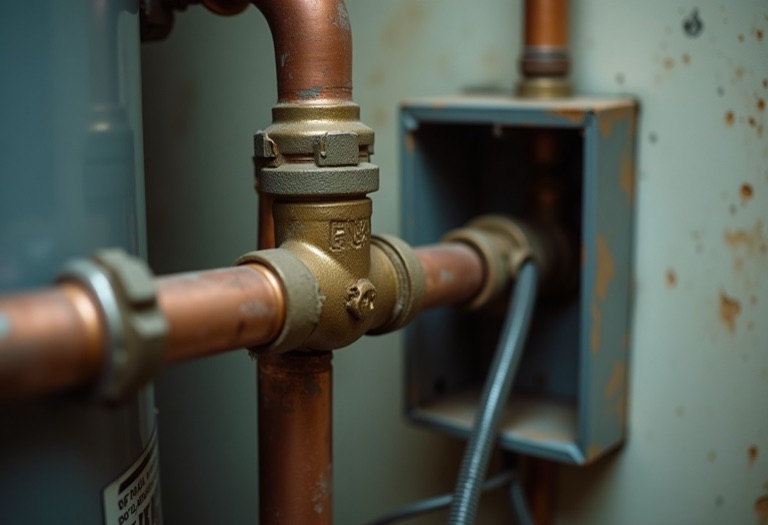
What does each need to install: venting, gas line, or circuits?
A gas water heater needs a gas supply line, a vent to carry combustion gases outside, and enough combustion air; an electric unit needs only a dedicated 240-volt circuit with adequate panel capacity. That is why switching a gas tank for another gas tank, or an electric for an electric, is usually the cleanest job.
Fuel switching adds cost. Going gas-to-electric means abandoning the vent and gas line and running a new circuit; going electric-to-gas means adding a gas line and venting. A heat pump electric unit needs roughly 1,000 cubic feet of surrounding air and a condensate drain, so a tight closet may not qualify. When a unit fails mid-life, weigh those upgrades against a repair an existing water heater call on the current fuel type first.
Should you consider a heat pump (hybrid electric) water heater?
A heat pump water heater is an electric unit that moves heat from surrounding air rather than generating it with elements, so it runs far cheaper than standard electric. ENERGY STAR reports a certified model uses about 70% less energy than standard electric and can save a family of four roughly $550 a year and more than $5,600 over its lifetime.
The trade-offs are upfront price, space, and climate. Heat pump units cost more to buy, need the air volume and condensate drain noted above, and work best in moderate temperatures because they pull heat from the room. Where they fit, they often beat gas on running cost, which reshapes the whole gas vs electric water heater decision.
When should you choose gas, and when electric?
Choose gas if the home already has a gas line, you want the cheaper yearly bill in most markets, and you need fast recovery for heavy simultaneous demand. Choose standard electric if you lack gas service, want the simplest install with no venting, or are on a tight upfront budget. Choose heat pump electric if you have the space and want the lowest operating cost.
If endless hot water rather than fuel type is the real question, that is a different comparison; our tankless vs tank water heater guide covers the on-demand versus storage layer, which stacks on top of the gas or electric choice you make here.
How we sourced this
Efficiency (UEF) ranges, the heat pump 70% energy figure, the roughly $550 yearly and $5,600 lifetime savings, and the first-hour rating examples come from the U.S. Department of Energy Energy Saver guidance and ENERGY STAR product criteria and heat pump water heater resources. Yearly operating-cost dollar ranges and installed-cost ranges are typical U.S. market bands that vary by state, utility rates, and fuel type; we present them as ranges, not fixed quotes. The chart’s heat pump figure is derived from the ENERGY STAR 70%-less-energy comparison applied to a representative standard-electric cost. Retailer and contractor blog estimates were read for context but not cited as primary figures.
Frequently asked questions
Is a gas or electric water heater cheaper to run?
A gas water heater is usually cheaper to operate where natural gas is available, often running roughly $200 to $400 a year versus about $400 to $600 for a standard electric resistance tank in typical U.S. homes. The gap depends on your local gas and electricity rates. A heat pump electric model flips the math by using about 70% less energy than standard electric, per ENERGY STAR.
Which recovers hot water faster, gas or electric?
Gas recovers faster because a burner puts out more heat per hour than an electric element. The U.S. Department of Energy notes a 40-gallon gas tank can reach a first-hour rating near 70 to 80 gallons, while a comparable electric tank lands closer to 55 gallons. That is why a busy household often leans gas for back-to-back demand.
Are electric water heaters more efficient than gas?
On the UEF scale, yes. A standard gas storage tank often rates about 0.60 to 0.70, while an electric resistance tank reaches roughly 0.90 to 0.95, per ENERGY STAR and DOE figures. But UEF measures energy converted at the unit, not fuel cost. Cheaper gas can still cost less per year even at lower efficiency.
Should I switch from gas to electric when replacing a water heater?
It depends on your panel, space, and fuel rates. Switching to electric resistance removes venting and gas-line needs but often costs more to run. A heat pump electric model can save a family of four about $550 a year versus standard electric, per ENERGY STAR, if you have roughly 1,000 cubic feet of air space and a condensate drain.
Does a gas water heater need special venting?
Yes. A gas water heater burns fuel, so it needs a flue or power or direct vent to carry combustion gases outside, plus adequate combustion air. An electric or heat pump unit needs no venting because it produces no exhaust. Venting and gas-line work are the main install steps a gas swap adds over an electric one.
What size electrical circuit does an electric water heater need?
A standard whole-house electric resistance tank typically needs a dedicated 240-volt circuit, often 30 amps, with adequate panel capacity. A heat pump water heater draws less but still needs a dedicated circuit plus space and a condensate drain. If your panel is full, add the cost of a circuit or panel upgrade to the install estimate.
Is a heat pump water heater worth it over gas or electric?
Often, if you have the space and a moderate climate. ENERGY STAR reports a certified heat pump water heater uses about 70% less energy than standard electric and can save a family of four roughly $550 a year and more than $5,600 over its lifetime. Upfront cost is higher, so payback depends on your electric rates and any rebates.


