Drain Field Replacement Cost: 2026 Prices, Options and Signs of Failure
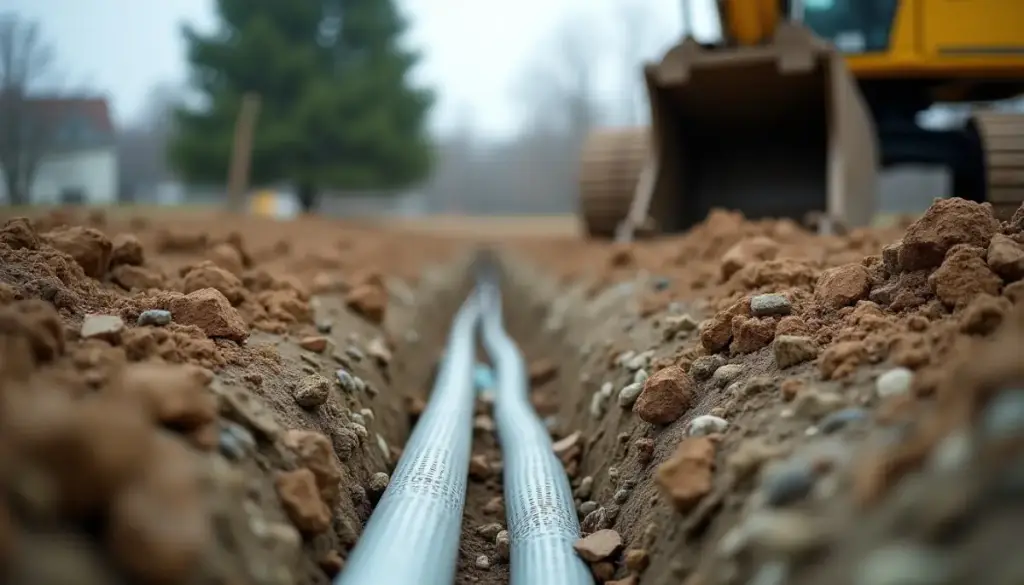
Drain field replacement cost runs about $2,000 to $20,000, per Fixr, with HomeAdvisor putting a typical 2026 replacement near $7,000 and mound fields at up to $20,000.
Key Takeaways
- Fixr’s January 2025 guide prices a full leach field replacement at $2,000 to $20,000, and HomeAdvisor’s June 2026 guide says a drain field replacement can cost around $7,000.
- HomeAdvisor lists mound systems at $10,000 to $20,000 and drip systems at $8,000 to $18,000 installed, the top of the price range.
- Fixr prices leach field rejuvenation at $1,000 to $5,000, but West Virginia University’s Pipeline newsletter calls jetting temporary relief and air fracturing “mixed results.”
- The EPA’s SepticSmart guide names three failure signs: drain backups, strong odor over the tank and field, and bright green, spongy grass in dry weather.
- A well-built, maintained system has a minimum life expectancy of 20 to 30 years, per WVU’s Pipeline, and Fixr says fields can reach 50.
- The EPA puts maintenance at about $250 to $500 every three to five years, against $3,000 to $7,000 to repair or replace a malfunctioning system (2012 figures).
How much does drain field replacement cost?
Drain field replacement cost falls between $2,000 and $20,000 in Fixr’s January 2025 guide, and HomeAdvisor’s June 2026 guide says replacing a drain field can cost around $7,000. The spread comes from field type. A gravity trench field on decent soil sits near the bottom, while a mound or drip field on a tight lot sits near the top, before permits and a new soil test.
HomeAdvisor prices a new leach field installation at $5,000 to $12,000 in the same septic installation cost guide. That band covers the most common replacement, a new set of trenches dug into fresh soil beside the old field.
If the tank is also failing, you are pricing a whole system. Our full septic system installation cost breakdown covers HomeAdvisor’s $3,590 to $12,463 range for a complete install.
What does each leach field replacement option cost?
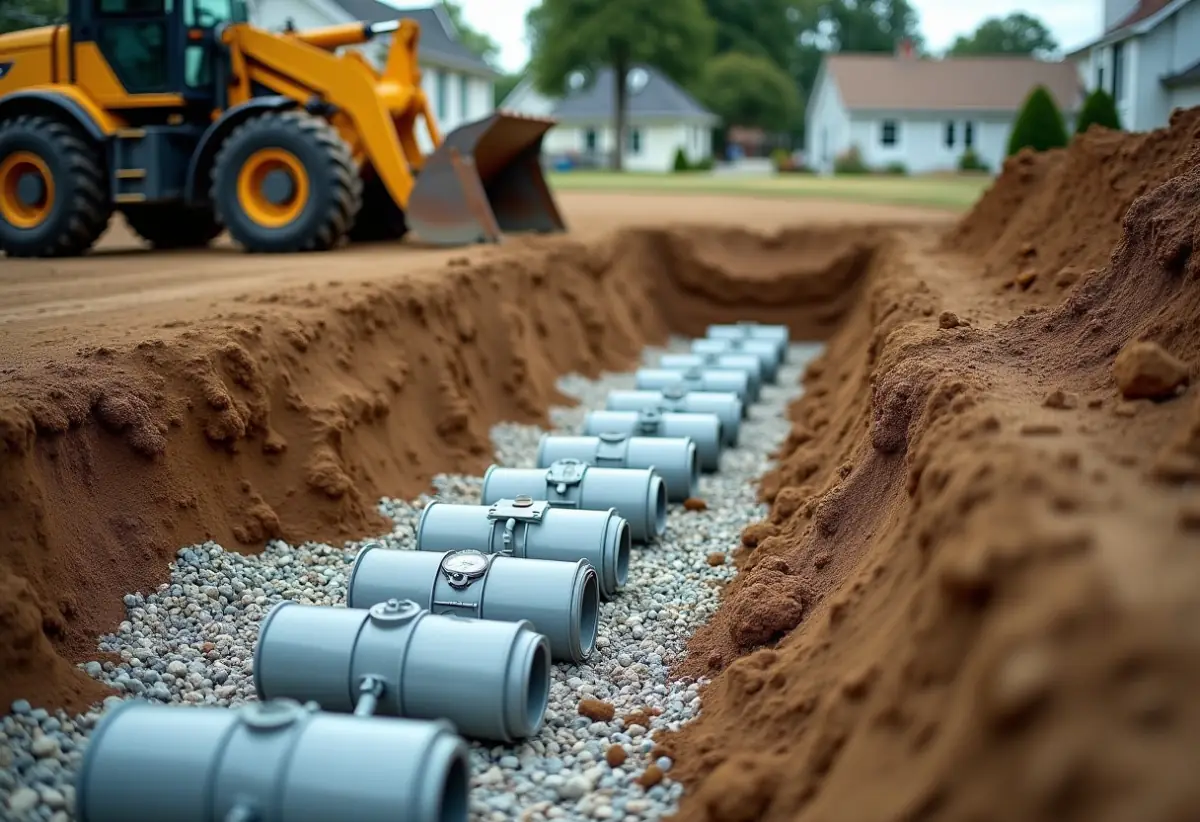
Leach field replacement cost depends mostly on which type of field your soil allows. Rejuvenation and partial repairs run $1,000 to $5,000, a conventional or chamber field runs $5,000 to $12,000, and engineered drip or mound fields run $8,000 to $20,000, based on Fixr and HomeAdvisor figures. Note that HomeAdvisor’s system-type prices are full installs, so a field-only job may come in lower.
| Option | Typical cost | When it fits |
|---|---|---|
| Rejuvenation (pumping, jetting, bacteria, air fracturing) | $1,000 to $5,000 (Fixr, 2025) | Field is slow or soggy but not sealed; buying time before sewer or replacement |
| Septic field repair | $1,000 to $5,000 (Fixr, 2025) | Localized damage, such as a crushed section or a root intrusion |
| Lateral line replacement | $1,250 to $4,250 (Fixr, 2025) | One or two broken or clogged lines while the soil still drains |
| Distribution box replacement | $500 to $1,500 (HomeAdvisor, 2026) | Tilted or cracked D-box sending all effluent down one trench |
| Conventional trench field | $5,000 to $12,000; about $7,000 typical (HomeAdvisor, 2026) | Deep, permeable soil with room for new trenches |
| Chamber system | $5,000 to $12,000 (HomeAdvisor, 2026) | Sites where gravel is scarce or costly; keep vehicles off, since chambers can crush |
| Drip distribution | $8,000 to $18,000 (HomeAdvisor, 2026) | Shallow soil; needs a dose tank, pump and timer |
| Mound system | $10,000 to $20,000 (HomeAdvisor, 2026) | High water table, shallow bedrock or very shallow soil |
Bars show the top of each sourced range. HA is HomeAdvisor’s June 2026 guide; Fixr figures are from January 2025.
What drives the cost of a new drain field?
Five things set the price of a new drain field. Field size follows bedrooms and soil absorption rate, soil type decides whether a cheap trench field is even legal, site access controls excavation hours, and permits plus engineered design add a fixed layer. HomeAdvisor says labor makes up 50 to 70 percent of a septic install, so digging conditions matter more than materials.
- Bedrooms. Codes size fields by bedroom count, not by how many people live there. University of Nebraska-Lincoln Extension’s NebGuide G1475 uses a design flow of 450 gallons per day for a three-bedroom home.
- Perc rate. Slow soil needs more square footage. In the same NebGuide, a three-bedroom home on soil percolating at 20 minutes per inch needs a mound about 45 by 70 feet, and UNL notes the mound could be smaller on faster soil.
- Soil and water table. Shallow bedrock or high groundwater rules out standard trenches and pushes you to a mound or drip field, the two priciest options in HomeAdvisor’s guide.
- Access and restoration. HomeAdvisor lists excavation contractors at $1,500 to $6,300. Tight lots, fences, slopes and lawn or driveway repair raise that.
- Permits and design. HomeAdvisor puts building permits at $450 to $2,300. Many counties also require a new soil evaluation and an engineered plan before a replacement permit is issued.
Because the replacement field usually has to go in undisturbed soil, a small lot with no reserve area can force an engineered system even when the original was a simple trench field.
Can a failing drain field be repaired instead of replaced?
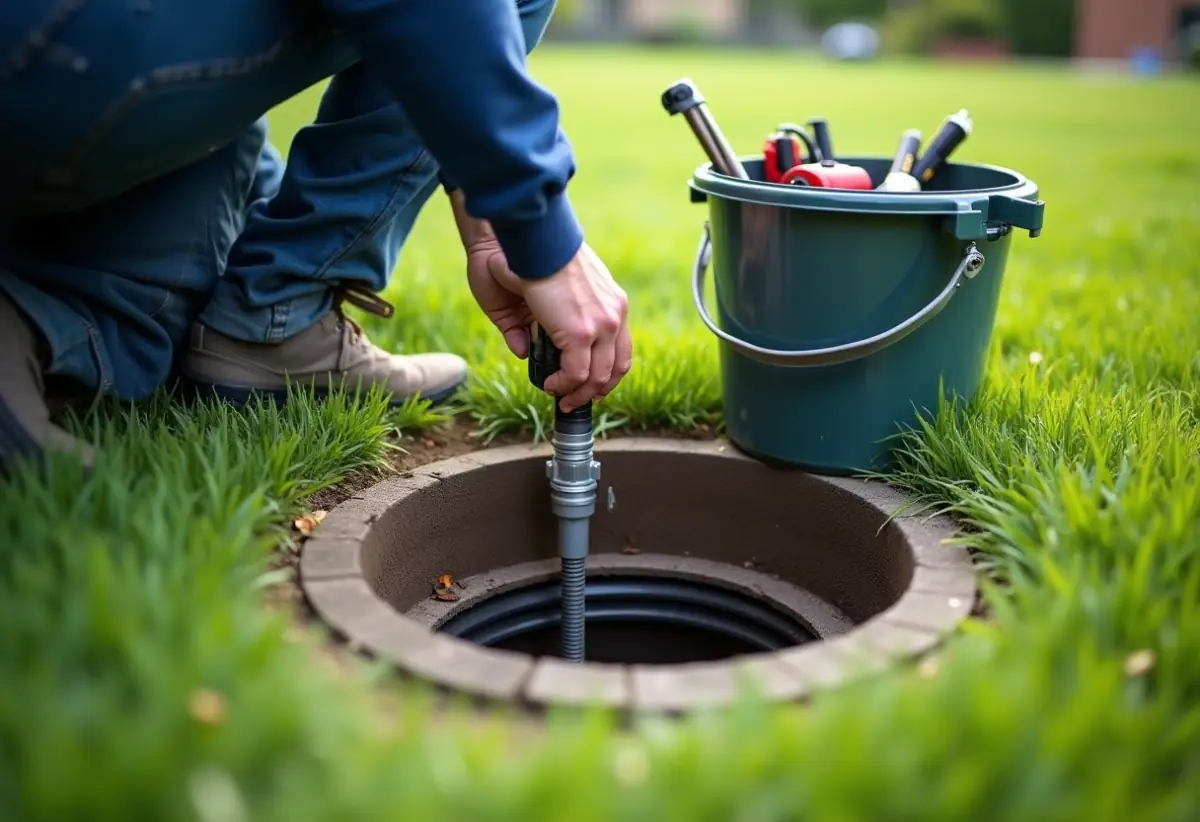
A failing drain field can sometimes be repaired, but only when the soil still accepts water. Fixr prices field repair and rejuvenation at $1,000 to $5,000 each. Independent evidence on rejuvenation is limited, and West Virginia University’s Pipeline newsletter, republished by Water and Wastes Digest in 2022, describes most methods as temporary relief rather than a cure.
Here is what each method is and what the sources say about it.
- Jetting. Pumps push high-pressure water through the laterals to break up silt and solids while vacuum lines pull them out. WVU’s Pipeline groups it with technologies that “may provide temporary relief.”
- Air soil fracturing (the Terralift-style method). Probes driven 3 to 6 feet deep blast air into compacted soil, then polystyrene pellets hold the cracks open. Pipeline says this “has produced mixed results and is only approved by certain states.”
- Resting the field. Cutting water use can let an overloaded field recover, but Pipeline says it usually takes about a 30 percent reduction in water use.
- Alternating fields. A second field is built and a diversion valve switches flow between the two. Pipeline says the resting field takes about two years to recover, after which you switch annually.
- Bacteria and additives. Texas A&M AgriLife Extension warns that many septic additives “have not been proven to be beneficial” and can stir up settled solids that harm the drainfield.
Mechanical faults are the better bet for a repair bill. A crushed lateral, a tilted distribution box or a cracked outlet baffle can mimic field failure. Our septic system repair cost guide prices those parts job by job.
What are the signs of drain field failure?
The signs of drain field failure, according to the EPA’s SepticSmart guide, are wastewater backing up into household drains, a strong odor around the septic tank and drainfield, and bright green, spongy grass over the field even during dry weather. Texas A&M AgriLife Extension adds standing water or damp spots, slow drains and gurgling pipes.
- Lush, spongy grass in stripes that match the trench lines, especially in a dry month.
- Standing water or soggy ground over the field when it has not rained.
- A sewage odor outdoors. Our guide to septic smell in the yard separates vent, lid and field sources.
- Slow drains and gurgling throughout the house, not just at one fixture.
- Sewage backing up into the lowest drains, often a basement floor drain or shower.
The EPA SepticSmart brochure says to call a licensed septic contractor immediately at any of these signs. A pump-out plus a camera or probe check of the field tells you whether the tank or the soil is the real problem.
How long does a drain field last?
A drain field typically lasts 20 to 30 years at minimum when it is properly designed and maintained, according to West Virginia University’s Pipeline newsletter. Fixr says leach fields can last as long as 50 years. Real life depends on soil, household water use and whether the tank gets pumped before sludge escapes into the trenches.
Over time a layer of bacteria and organic matter called the biomat forms where effluent meets the soil. A thin biomat helps treatment. The EPA says solids pushed into the field clog the pipes and increase “the thickness of the biomat,” which is how a field ages from slow to sealed. Our explainer on how a septic drain field works walks through the trench layout and soil treatment in detail.
Why do drain fields fail early?
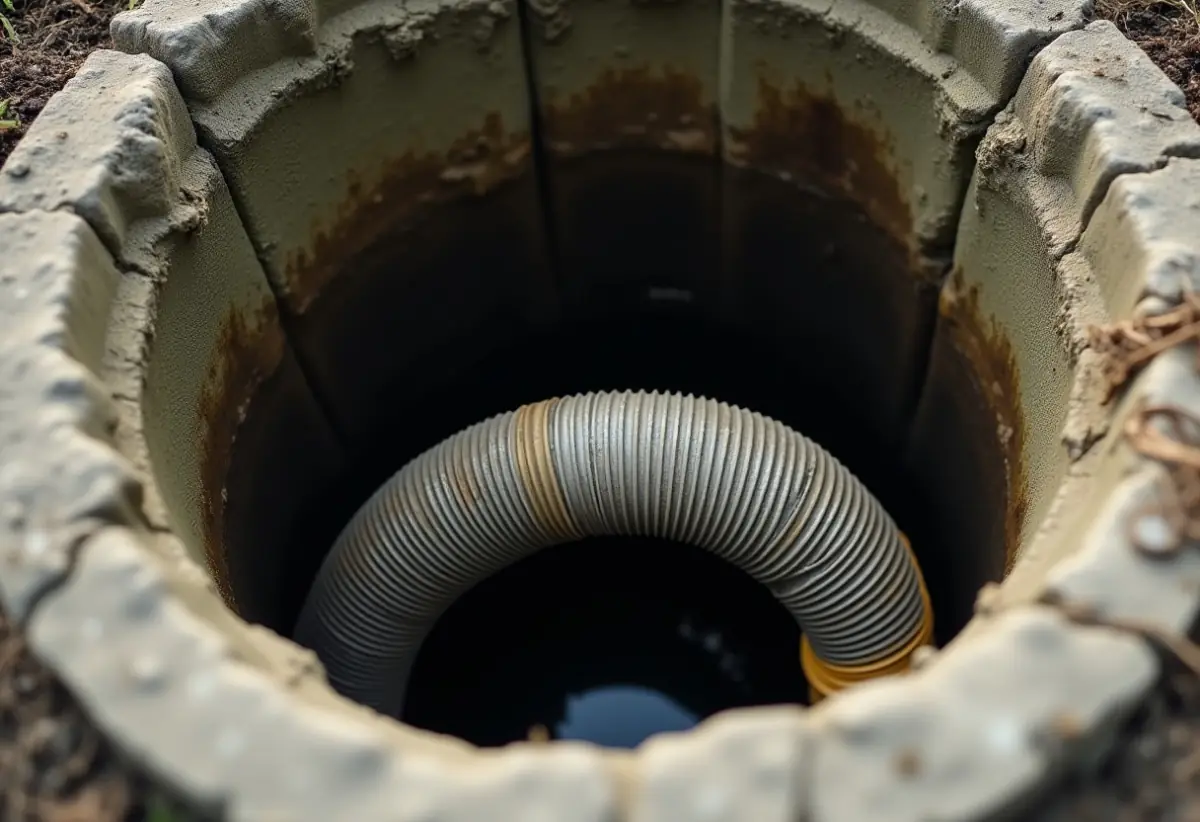
Drain fields fail early for four main reasons. Solids carry over from a tank that was not pumped, the household sends more water than the soil can absorb, tree roots grow into the laterals, and vehicles or construction compact the soil. Fixr ties most leach field failures to improper tank maintenance, and the EPA’s care guidance targets all four causes.
- Skipped pumping. The EPA says household tanks are typically pumped every three to five years and should be pumped when sludge is within 12 inches of the outlet. Past that point solids wash into the field.
- Hydraulic overload. The EPA says indoor use can reach 70 gallons per person per day, and one leaky toilet can add 200 gallons a day. Texas A&M flags multiple laundry loads a day as a cause of overloading.
- Roots. The EPA tells owners to plant trees an appropriate distance from the field so roots stay out of the pipes.
- Compaction and surface water. Driving or parking on the field crushes soil pores, and roof drains or sump pumps aimed at it add water the field was never sized for.
How do you protect a new drain field so it lasts?
You protect a new drain field by pumping and inspecting the tank on schedule, spreading out water use, and keeping weight and runoff off the field. The EPA’s septic care guide calls for an inspection at least every three years and pumping every three to five years. Systems with pumps or float switches should be checked about once a year.
- Book an inspection every three years and pump when the inspector says, usually every three to five years.
- Fix running toilets and leaks right away, since one toilet can waste 200 gallons a day, per the EPA.
- Spread laundry across the week instead of doing several loads in one day.
- Skip the garbage disposal or use it lightly. Texas A&M says disposal use means pumping 1 to 2 years sooner.
- Keep cars, sheds, patios and pools off the field, and route gutters and sump discharge away from it.
- Do not flush wipes, grease or chemicals, and skip septic additives.
The math favors upkeep. The EPA’s SepticSmart brochure puts maintenance at about $250 to $500 every three to five years, against $3,000 to $7,000 to repair or replace a malfunctioning system. Those are 2012 figures, and current replacement quotes run well above them.
How we sourced this
We consulted 11 sources and cited 7. Cost figures come from HomeAdvisor’s septic installation guide (updated June 20, 2026) and Fixr’s septic repair guide (updated January 31, 2025). Failure signs and care rules come from the EPA’s septic care page and SepticSmart brochure (EPA-832-B-12-003, 2012) and Texas A&M AgriLife Extension flyer EM-125 (2019). Sizing comes from UNL NebGuide G1475 (revised 2014), and rejuvenation evidence from WVU’s Pipeline as republished by Water and Wastes Digest (2022). We excluded several unattributed cost pages whose figures contradicted each other. HomeAdvisor’s system-type prices are full installs, not field-only quotes.
Frequently asked questions
How much does it cost to replace a drain field?
Fixr puts leach field replacement at $2,000 to $20,000, and HomeAdvisor’s June 2026 guide says replacing a drain field can cost around $7,000. A conventional gravel or chamber field on good soil lands near the low end. A mound or drip field on poor soil sits near the top, and permits plus a new soil test are often billed on top.
How do I know if my drain field is failing?
The EPA SepticSmart guide lists three warning signs. Wastewater backs up into household drains, a strong odor hangs around the tank and drainfield, and bright green, spongy grass grows over the field even in dry weather. Texas A&M AgriLife adds standing water or damp spots, slow drains and gurgling pipes. Call a licensed septic contractor when you see any of them.
How long does a drain field last?
A properly designed and maintained septic system has a minimum life expectancy of 20 to 30 years, according to West Virginia University’s Pipeline newsletter. Fixr says leach fields can last as long as 50 years. Skipped pumping, heavy water use, roots and vehicle traffic can cut that life short, because solids and excess water clog the soil under the trenches.
Can a failed drain field be repaired?
Sometimes. Fixr prices septic field repair and rejuvenation at $1,000 to $5,000 each, and a broken lateral line at $1,250 to $4,250. Repairs work when the problem is a crushed pipe, a bad distribution box or a field that is overloaded but not sealed. A field with a fully clogged biomat or saturated soil usually needs replacement.
Is leach field rejuvenation worth it?
It can buy time, but the evidence is thin. West Virginia University’s Pipeline calls jetting a possible source of temporary relief and says air soil fracturing has produced mixed results and is approved only in certain states. Rejuvenation at $1,000 to $5,000 per Fixr makes most sense when a sewer hookup or full replacement is already planned.
Do I need a permit to replace a drain field?
In most areas, yes. Drain fields are regulated by state and county health departments, and a replacement usually needs a design, a soil evaluation and an inspection before backfill. HomeAdvisor lists building permits for septic work at $450 to $2,300 in its June 2026 guide. Check with your local health department before any digging starts.
What is the cheapest drain field option?
A conventional gravity trench field on deep, well-drained soil is usually the cheapest replacement. HomeAdvisor prices a leach field install at $5,000 to $12,000 and a typical replacement near $7,000. Chamber systems fall in the same $5,000 to $12,000 band. Mound and drip fields cost more because they need pumps, controls and imported sand or tubing.
How much does it cost to install a new Drainfield?
Fixr prices a full leach field replacement at $2,000 to $20,000, and HomeAdvisor's June 2026 guide puts a typical replacement near $7,000. HomeAdvisor lists a new leach field installation at $5,000 to $12,000, mound systems at $10,000 to $20,000, and drip systems at $8,000 to $18,000 installed, depending on field type and soil conditions.
What is the life expectancy of a septic drainfield?
A well-built, properly maintained drain field has a minimum life expectancy of 20 to 30 years, according to West Virginia University's Pipeline newsletter. Fixr says leach fields can last as long as 50 years. Actual lifespan depends on soil, household water use, and whether the tank gets pumped before sludge escapes into the trenches.