Shower Valve Replacement Cost: 2026 Prices for Repair, Replacement and Anti-Scald Upgrades
Shower valve replacement cost runs $200 to $650 for most homes, per Fixr, while a cartridge-only repair costs $100 to $300 and a valve job that needs wall or tile work can reach $700 to $1,200.
Key Takeaways
- Fixr (updated January 2025) prices a full shower valve replacement at $200 to $650 and a cartridge replacement at $100 to $300.
- Fixr lists a pressure-balance valve upgrade at $350 to $650, the usual job when an old two-handle valve without scald protection comes out.
- This Old House (updated March 2026) puts installing or upgrading a shower valve at $700 to $1,200, the range that reflects heavier wall work.
- Delta lists its MultiChoice Universal rough-in valve body (R10000-PFT-PX) at $116.50, with trim sold as a separate kit.
- Delta’s R10000 body accepts both its pressure-balance and TempAssure 17T thermostatic cartridges, so some upgrades need no wall opening at all.
- The 2021 International Plumbing Code (section 412.3) caps shower water at 120 degrees F and requires the valve to be rated for the installed showerhead’s flow.
How much does shower valve replacement cost in 2026?
Shower valve replacement cost usually falls between $200 and $650 when a plumber swaps the valve body, according to Fixr’s shower repair data. Simpler repairs cost less: a cartridge replacement runs $100 to $300 and a washer or gasket fix $50 to $80. Jobs that involve opening tile, rerouting pipe or upgrading valve type can climb to $700 to $1,200, per This Old House.
The spread comes down to what failed, how the plumber reaches it, and whether you are changing valve type. A worn cartridge is a small part; a cracked valve body sits inside the wall.
Labor drives most of the bill. Fixr lists plumber rates of $50 to $200 per hour, plus a $50 to $100 call-out or minimum fee. For a full breakdown of hourly and flat rates by region, see our guide to what a plumber costs per hour.
Do you need a new cartridge or a full shower valve replacement?
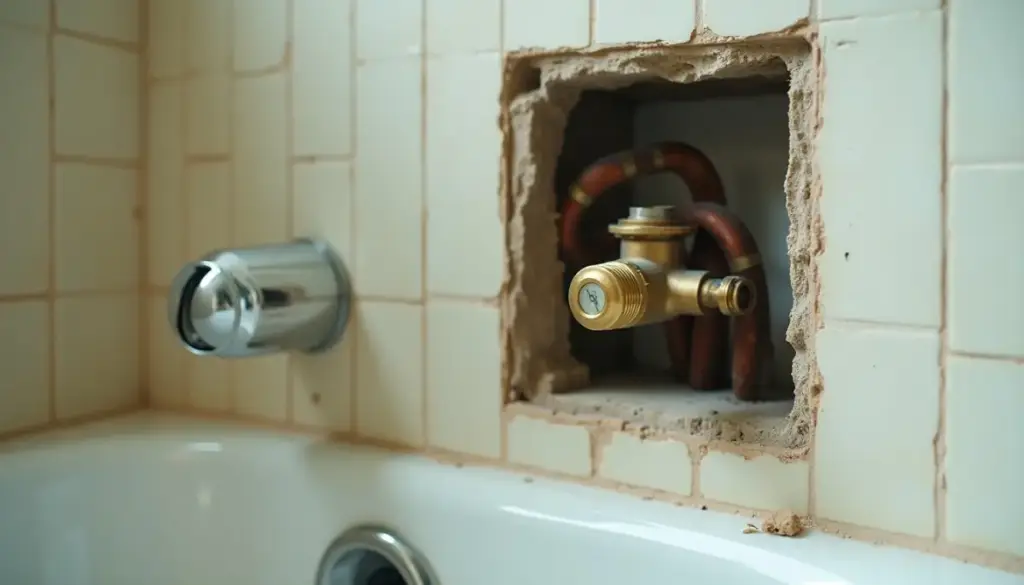
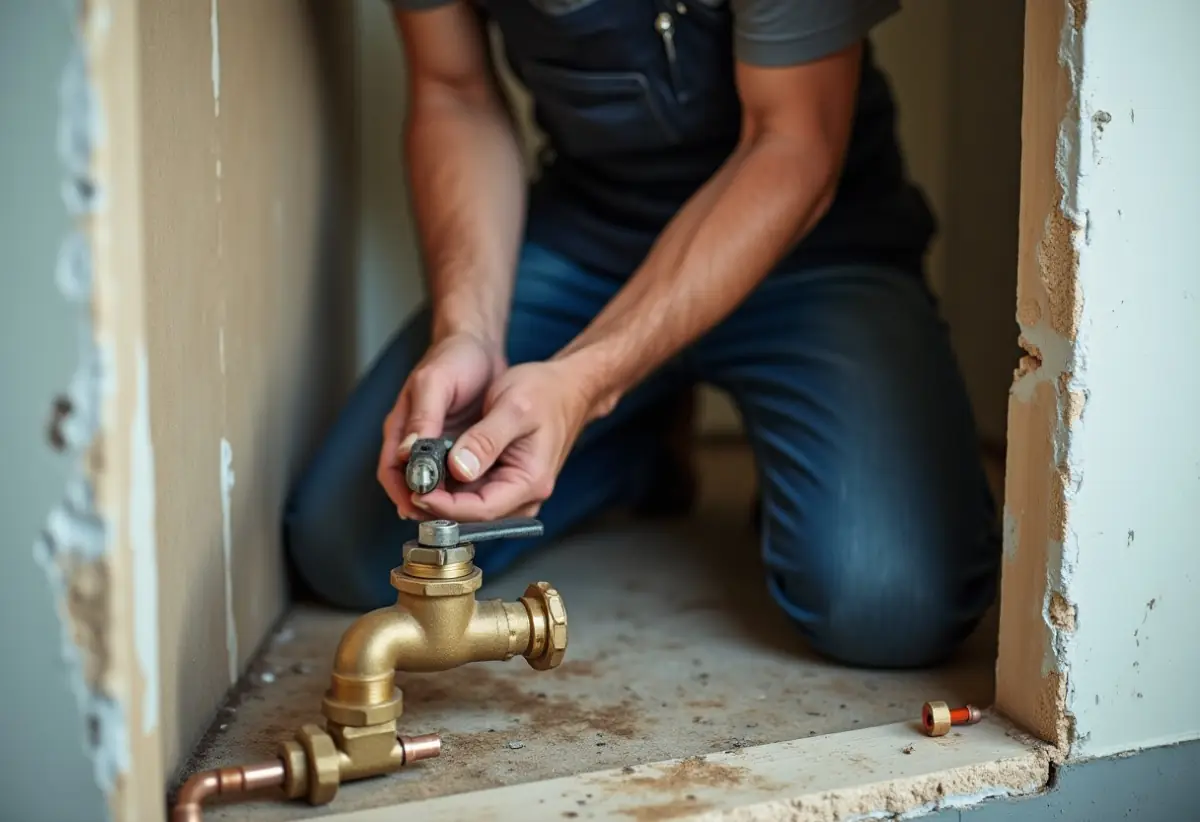
Most dripping, temperature-drifting or stiff single-handle showers need a new cartridge, not a new valve. The valve body is the brass housing soldered, crimped or threaded to the supply pipes, and it rarely wears out on its own. Replace the body when it is cracked, corroded, leaking at its pipe joints, discontinued with no parts, or when you want a different valve type.
The table below lines up each job with its sourced price and the symptom that usually calls for it. If you are not sure which valve you have, our guide to the types of shower valves shows how to tell a compression, pressure-balance and thermostatic valve apart.
| Job type | Typical cost | When you need it |
|---|---|---|
| Washer or gasket replacement | $50-$80 (Fixr) | Older two- or three-handle compression valve drips from the spout |
| Valve repair (stems, seats, stops) | $75-$250 (Fixr) | Worn seats or stems on a two-handle valve, or a stuck stop |
| Cartridge replacement | $100-$300 (Fixr); $200-$400, $300 average (This Old House) | Single-handle drip, temperature swings, handle hard to turn |
| Trim kit swap, same brand | Delta Monitor 14 Series trim T14259 lists at $271.30, plus labor | Cosmetic update or worn handle on a sound valve body |
| Full valve body replacement | $200-$650 (Fixr) | Cracked or corroded body, leaking joints, no parts available |
| Upgrade to pressure-balance | $350-$650 (Fixr) | Replacing a two-handle valve with no scald protection |
| Valve install or upgrade with heavier wall work | $700-$1,200 (This Old House) | Valve moved, pipes rerouted, or tile opened and repaired |
Before you approve a valve replacement, ask the plumber to show you why the cartridge alone will not fix it. Our walkthrough on replacing the shower cartridge covers how to identify the part and what the swap involves.
What is the cost to replace a shower valve without removing tile?
The cost to replace a shower valve without removing tile depends on which side of the wall the plumber works from. The cheapest route is from the back, through drywall in a closet or hallway, closed afterward with an access panel. From the tile side, a plumber can cut a hole just past the old valve and cover it with an oversized trim plate. Full retiling is the expensive fallback.
Option 1: access from the back of the wall
If the shower’s wet wall backs onto a closet, bedroom or hallway, the plumber opens drywall on that side, swaps the valve, and closes the hole with a removable access panel or a drywall patch. This avoids tile entirely. Fixr prices water-damaged drywall repair at $200 to $600 if the opening also reveals a leak that soaked the framing.
Option 2: cut the tile and use an oversized cover plate
Most valve swaps from the shower side need a hole only slightly bigger than the existing escutcheon. Plumbing suppliers sell oversized cover plates (sometimes called remodel or retrofit plates) designed to hide that cut. The plate has to fit the new trim, so confirm the size before anyone starts cutting.
Option 3: replace damaged tile or retile
If tiles crack during removal, Fixr lists shower tile repair at $50 to $200 and tile replacement at $75 to $300. Matching discontinued tile is the real risk. Keep spare tiles from the original install, and if there are none, ask the plumber to pull one from a hidden spot such as behind a toilet or inside a vanity cabinet before committing.
How much does a shower mixing valve upgrade to pressure-balance or thermostatic cost?
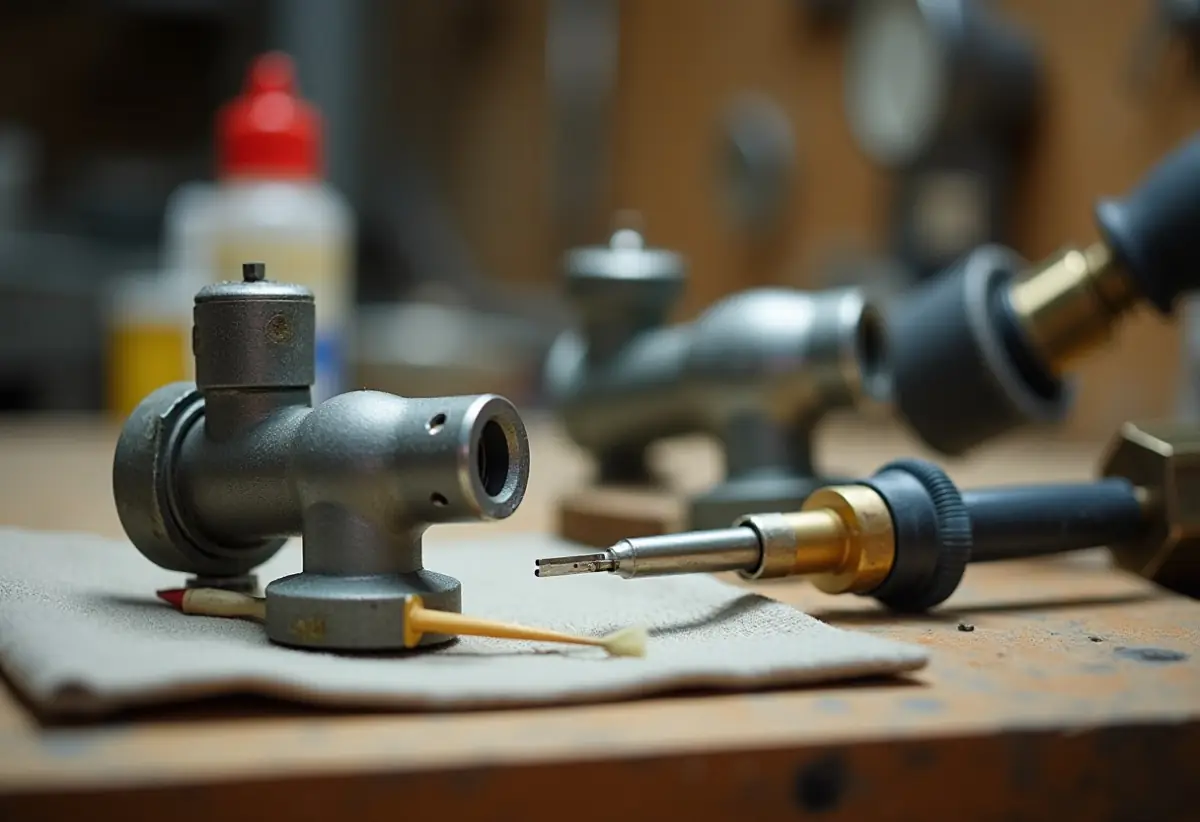
A shower mixing valve upgrade to pressure-balance costs $350 to $650 per Fixr, usually because an old two-handle valve gets replaced with a single-handle, code-compliant body. A thermostatic upgrade costs more in parts. Delta’s product page shows its TempAssure 17T Series valve-only trim (T17T051) at $399, though the page also marks that trim as discontinued, so expect a current replacement model to price differently.45, compared with $271.30 for its Monitor 14 Series pressure-balance trim.
A pressure-balance valve reacts to pressure changes in the hot or cold supply, so a flushed toilet does not scald or chill the bather. A thermostatic valve senses outlet temperature and holds the setting, and it usually separates temperature from volume control. Thermostatic models cost more at the trim and cartridge level.
Here is the gap most cost guides miss. Delta’s MultiChoice Universal rough-in valve (R10000) accepts single, dual or thermostatic cartridges, and Delta says its 14, 17 and 17T series trims fit that body. If your shower already has an R10000, moving to thermostatic can be a trim and cartridge change from the front, with no wall opening and no valve body replacement.
Bars show the midpoint of each range ($65, $162.50, $200, $425, $500 and $950). The first five rows come from Fixr’s shower repair cost guide; the last row comes from This Old House’s 2026 tub-to-shower cost guide.
Does the new trim have to match the shower valve brand?
Yes, in almost every case. The handle, escutcheon and cartridge are engineered for one maker’s valve body, so a Delta trim will not bolt onto another brand’s valve. Delta states that its Monitor 14 Series trim is a kit only and that the MultiChoice Universal valve must be ordered separately. Switching brands therefore means a new valve body, which means opening the wall.
Compatibility can be narrow even inside one brand. Delta’s R10000 product page says diverter trim kits will not work on that body and need its R11000 or R22000 rough-in valves instead. If you want a built-in diverter for a handheld, that changes the valve, not just the trim.
The practical rule: identify the valve before you shop for trim. Buying trim first and hoping it fits is how a $271 trim purchase turns into a $650 valve job.
What does the plumbing code require when you replace a shower valve?
Under the 2021 International Plumbing Code, section 412.3, individual shower and tub-shower valves must be pressure-balance, thermostatic or combination valves conforming to ASSE 1016/ASME A112.1016/CSA B125.16 or ASME A112.18.1/CSA B125.1. The valve needs a limit stop field-adjusted so water does not exceed 120 degrees F. Older IPC editions carried similar rules as section 424.3.
The 2021 edition added a rule many homeowners never hear about: shower control valves must be rated for the flow rate of the installed showerhead. The ICC’s summary of the change explains that low-flow heads may not give some valves enough flow to correct a sudden temperature swing. If you pair a new valve with a 1.5 or 1.8 gpm head, check the valve’s rated minimum flow.
Permits vary. Replacing a valve body inside the wall is often permitted plumbing work, while a cartridge or trim swap usually is not. This Old House notes that fees vary by location and may include inspection costs, so call your local building department and ask the plumber whether the quote includes the permit.
When can you avoid replacing the shower valve?
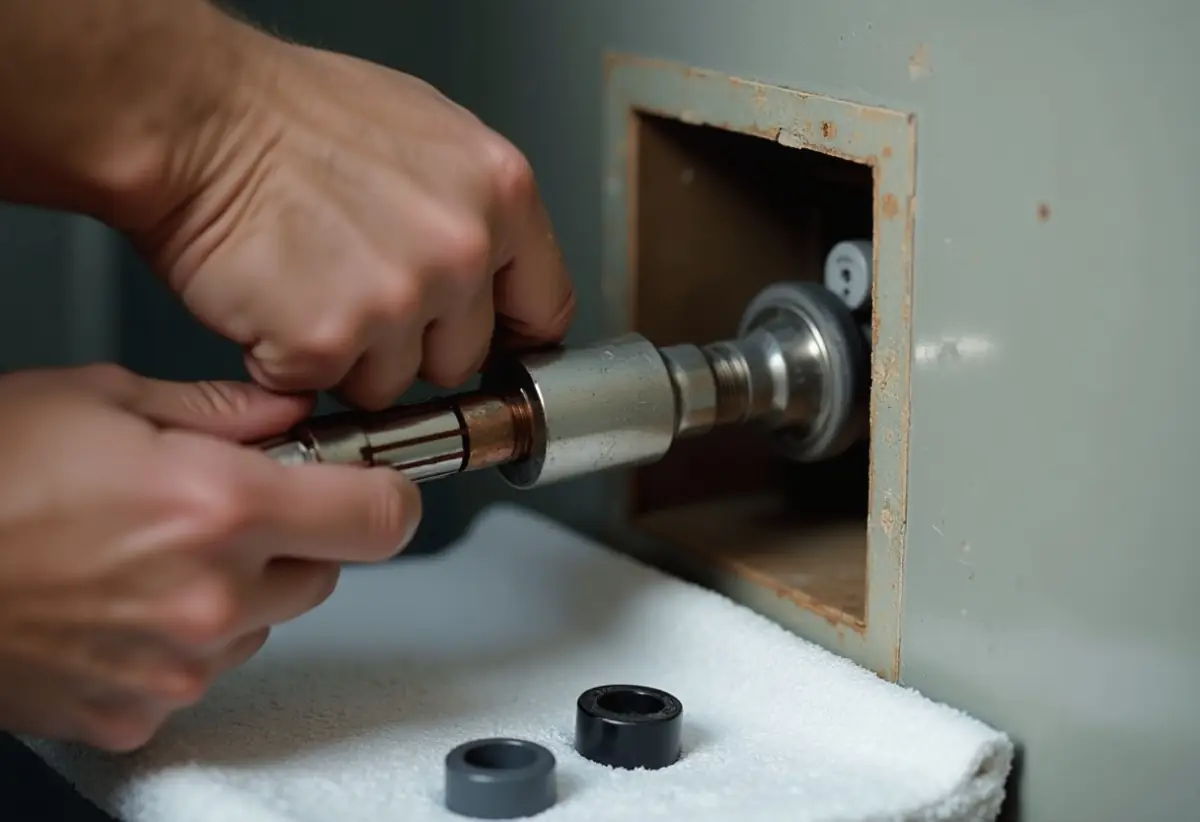
You can often skip a full shower valve replacement when the brass body is sound and parts are still sold. Cartridges, stems, seats, washers, stops and limit stops are all replaceable from the front of the wall. Fixr lists valve repairs at $75 to $250 and washer or gasket fixes at $50 to $80, a fraction of the $200 to $650 valve swap.
- Cartridge: fixes most single-handle drips and temperature drift. Reset the limit stop after the swap so the shower still tops out at 120 degrees F.
- Seats and washers: fix drips on older two- and three-handle compression valves. A seat wrench and a few dollars of rubber parts handle most of these.
- Integral stops: many pressure-balance valves have built-in stops that shut off water at the valve. A stuck stop can be serviced without touching the body.
- Trim only: a worn handle or pitted escutcheon is a trim swap from the same maker, not a valve job.
If the drip comes back within weeks of a new cartridge, or water stains appear on the ceiling or wall below, the body or its joints may be the problem. Our guide to fix a leaky shower faucet walks through how to trace where the water is coming from before you pay for a new valve.
Should you DIY or hire a plumber for shower valve replacement?
A handy homeowner can usually replace a cartridge, washer or trim kit, since those jobs happen from the front with the water shut off. Replacing the valve body is different. It means cutting into the wall, soldering, crimping or threading connections in a tight cavity, and pressure-testing before the wall closes. A hidden leak there can rot framing for months before anyone sees it.
This Old House prices DIY tools for a cartridge job at about $10 to $20 each for items such as hex keys, pliers and a cartridge puller. For a body swap, hiring out also gets you a plumber who can pull the permit where required and set the anti-scald limit stop correctly.
To keep the bill down, get two or three quotes that list the valve model, the access method, and who repairs the wall.
How we sourced this
We reviewed 14 pages in October 2026, including cost guides, manufacturer product pages and the ICC code summary, and cited six: Fixr’s shower repair cost guide (updated January 31, 2025), This Old House’s cartridge cost guide (updated December 15, 2025) and tub-to-shower cost guide (updated March 4, 2026), Delta Faucet product pages for the R10000-PFT-PX, T14259 and T17T051 (list prices as displayed in October 2026), and the ICC’s Significant Changes to the 2021 IPC. We excluded aggregator pages whose totals contradicted themselves, and we did not cite Angi or HomeGuide because their pages blocked our access during research. Prices are national ranges and vary by region.
Frequently asked questions
How much does it cost to replace a shower valve?
Fixr puts a shower valve replacement at $200 to $650, with a national average of about $350 across shower repairs. This Old House lists $700 to $1,200 to install or upgrade a shower valve, a figure that reflects bigger jobs with more wall work. Where your job lands depends on wall access, the valve type and local labor rates.
Can a shower valve be replaced without removing tile?
Often, yes. If the wet wall backs onto a closet or hallway, a plumber can cut drywall on that side and close it with an access panel. From the shower side, a plumber can cut a hole in the tile slightly larger than the old valve and hide it under an oversized cover plate. Full retiling is usually the last resort.
How much does a plumber charge to replace a shower mixing valve?
Fixr lists plumber labor at $50 to $200 per hour, plus a $50 to $100 call-out or minimum fee and a $100 to $200 emergency surcharge for after-hours work. This Old House puts plumber rates at $25 to $200 per hour. A full mixing valve swap usually takes longer than a cartridge job, so labor makes up a large share of the bill.
Is it cheaper to replace the cartridge or the whole shower valve?
The cartridge is cheaper. Fixr prices a plumber’s cartridge replacement at $100 to $300, against $200 to $650 for a full valve replacement. This Old House puts a typical cartridge job at $200 to $400 with a $300 average. If the valve body is sound and parts are still sold, start with the cartridge before opening the wall.
Do I need a permit to replace a shower valve?
It depends on where you live. Many jurisdictions treat replacing a valve body inside the wall as plumbing work that needs a permit, while a cartridge or trim swap usually does not. This Old House notes that permit fees vary by location and may include inspection costs. Call your local building department before the wall is opened.
Can you use a different brand of trim on an existing shower valve?
Usually not. Trim kits are built around a specific valve body and cartridge, so the trim normally has to come from the same maker and product family. Delta, for example, sells its Monitor 14 Series trim as a kit that requires the MultiChoice Universal valve, ordered separately. A cross-brand swap almost always means replacing the valve body.
Do I have to upgrade to an anti-scald valve when I replace mine?
In most places a new valve body must be anti-scald. The 2021 International Plumbing Code, section 412.3, requires pressure-balance, thermostatic or combination valves meeting ASSE 1016 or ASME A112.18.1, with a limit stop set so water does not exceed 120 degrees F. Older two-handle valves that lack this protection are replaced with compliant ones.