Why Is My Water Bill So High?
Why is my water bill so high? Usually a silent leak, most often a running toilet, or a rate increase, and a one-hour meter test tells you which one you are paying for.
Key Takeaways
- EPA WaterSense estimates the average household’s leaks waste more than 9,300 gallons a year, and 9 percent of homes have leaks wasting 50 gallons or more every day.
- An average leaking toilet can waste about 200 gallons a day, per EPA figures cited by Denver Water, which puts the cost at $270 to $470 a year for its customers.
- Bluefield Research found the typical combined water and sewer bill rose 5.1 percent from 2024 to 2025 across 50 U.S. cities, and 24.2 percent over five years.
- Compare gallons, not dollars. One CCF (also written HCF) equals 748 gallons, and EPA flags more than 12,000 gallons a month for a family of four as a sign of serious leaks.
- Many utilities credit part of a leak bill after the repair. NYC DEP’s Leak Forgiveness Program halves a qualifying bill, no more than once every two years.
- Fixing easily corrected household leaks can save about 10 percent on a water bill, according to EPA WaterSense.
Why is my water bill so high all of a sudden?
A sudden jump almost always comes from one of three places. You used more water, the utility charged more per gallon, or the bill itself is wrong. Separate them before you hunt for leaks: put this bill next to the same month last year and compare the usage line in gallons or CCF, not the dollar total.
Most utilities bill in thousands of gallons or in CCF (hundred cubic feet, sometimes printed as HCF). One CCF is 748 gallons, so a bill that went from 6 CCF to 14 CCF means roughly 6,000 extra gallons passed through the meter. That is real water, and it went somewhere.
If usage stayed flat and the total still climbed, the cause is price: a rate increase, a new fixed charge, a higher usage tier, or a recalculated sewer charge. Check the service dates too, since a 35-day period after a 28-day one adds a week of water. Our guide to reading a water bill for signs of a hidden leak walks through each line item.
Rule out house guests, a filled pool, new sod, or a heat wave. For scale, EPA WaterSense says each American uses about 82 gallons a day at home. A family of four at that rate uses roughly 9,800 gallons in a 30-day month before any lawn watering.
How do I check for a water leak using my meter?
Turn off every fixture and water-using appliance, then watch the meter. If the small leak indicator spins, or the reading changes over an hour with nothing running, water is escaping somewhere past the meter. The test needs no tools and costs nothing, and it tells you in one sitting whether you have a leak or a billing problem.
- Shut off every tap, appliance, and irrigation controller. Put a water softener in bypass.
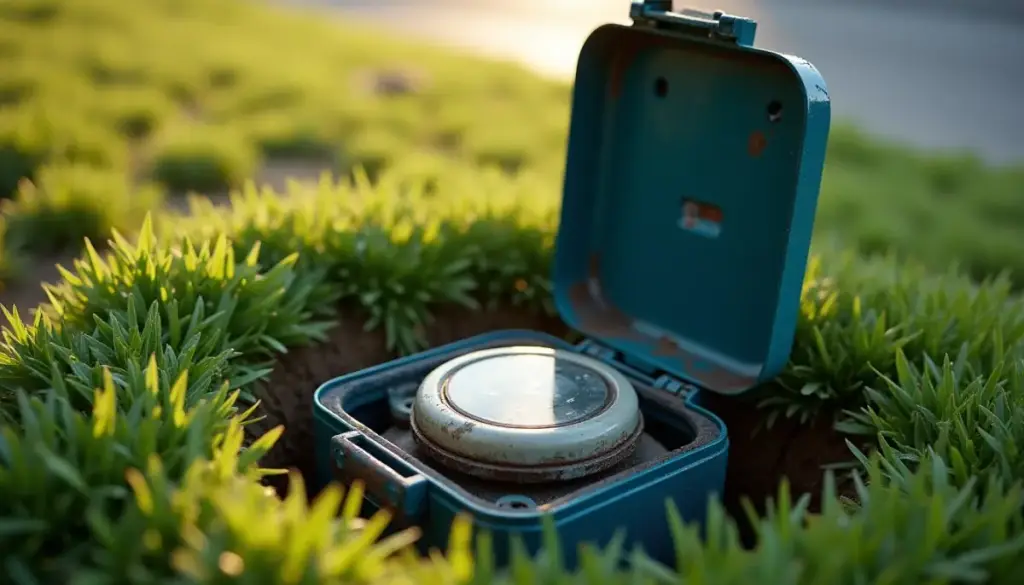
- Find the meter, usually in a curbside box in warm climates or the basement in cold ones. Our walkthrough on how to read a water meter covers dial, digital, and smart meters.
- Watch the leak indicator (a small triangle, star, or gear on the dial) for two minutes. Any movement means flow.
- Photograph the reading, use no water for at least an hour, then read it again. Overnight catches slower leaks.
- If it moved, close the house’s main shutoff and repeat. Still moving means a service line leak between meter and house; stopped means the leak is inside.
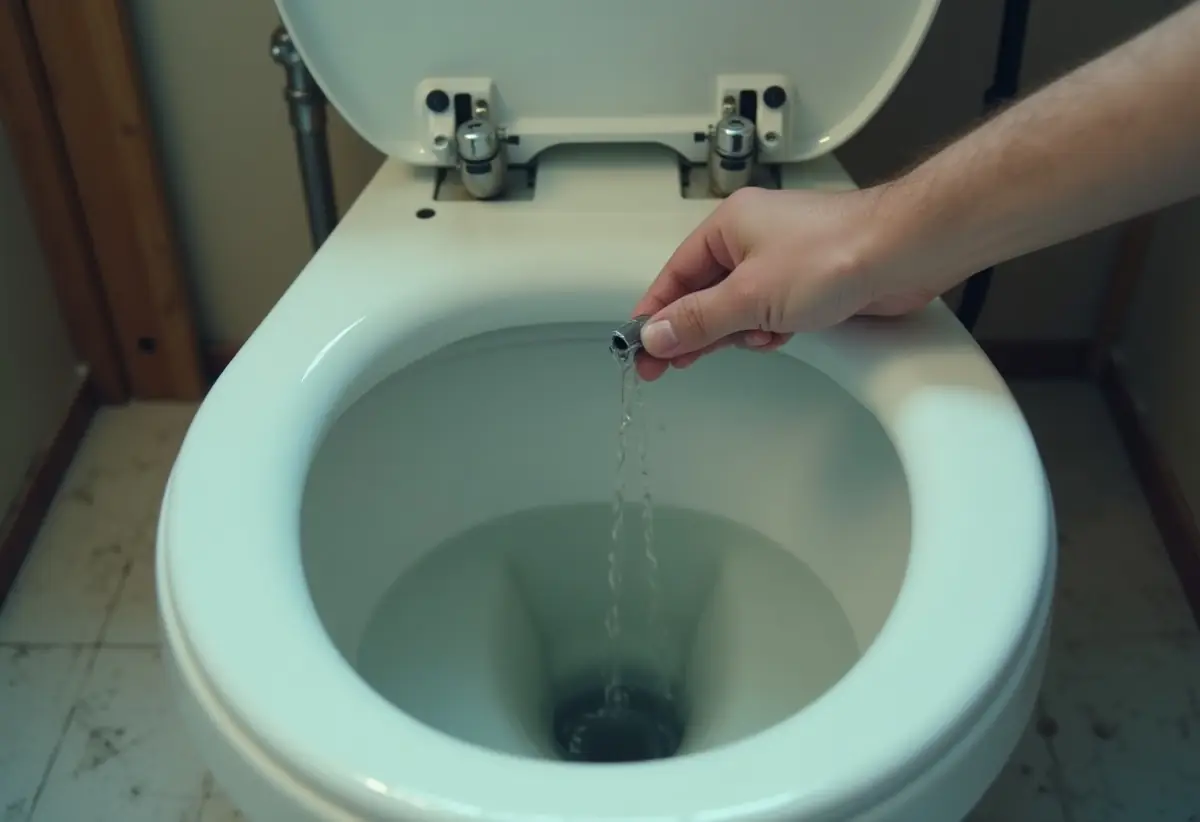
Next, put food coloring in each toilet tank and wait 15 minutes without flushing. Color in the bowl means a leaking flapper. If your utility has smart meters, check its portal for continuous-flow alerts; NYC DEP even waives the plumber’s receipt for leak forgiveness when an account has a working AMR device.
What are the most common causes of a high water bill?
Toilets lead the list, followed by irrigation leaks, dripping faucets and showerheads, appliances that dump water to the drain, and hidden pipe leaks. EPA WaterSense estimates the average household’s leaks waste more than 9,300 gallons a year, and the costly ones run around the clock without leaving a puddle you would notice.
Running toilet
A worn flapper or a fill valve set too high lets water slip into the bowl or the overflow tube all day. EPA puts an average leaking toilet at about 200 gallons a day, and Denver Water estimates a leak that size could add $270 to $470 a year to a customer’s bill.
Listen for the tank refilling on its own between flushes. The repair is usually a new flapper or fill valve, and our guide on how to fix a running toilet shows how to tell which part has failed.
Irrigation leaks and timers
EPA WaterSense says an irrigation leak 1/32 of an inch across, about the thickness of a dime, can waste about 6,300 gallons a month. Broken heads, cracked lines, a stuck zone valve, or a controller that reset after a power outage are the usual suspects.
Dripping faucets and showerheads
A faucet dripping once per second can waste more than 3,000 gallons a year, and a showerhead leaking 10 drips per minute wastes more than 500 gallons a year, per EPA. Neither doubles a bill alone, but several drips add up.
Water softener stuck in regeneration
A softener valve stuck in backwash, or a timer set to regenerate too often, sends water straight down the drain. Steady flow from the drain hose while the unit should be idle means the valve needs service.
Leaking water heater relief valve
A water heater’s temperature and pressure relief valve can run when house pressure is high, thermal expansion has nowhere to go, or the valve is worn. Its discharge pipe often ends at a floor drain or outside, so the flow stays hidden. A warm pipe means water is passing.
Hidden slab and service line leaks
A warm spot on the floor, running sounds with everything off, a soggy patch of yard, or a meter moving with the house valve closed all point to a buried leak. Our guide to plumbing leak detection methods compares the acoustic, thermal, and tracer-gas tools pros use to find them.
| Clue | Likely cause | How to confirm | Fix |
|---|---|---|---|
| Tank refills on its own, faint hiss | Toilet flapper or fill valve | Food-coloring dye test, 15 minutes | Replace flapper or fill valve, adjust float |
| Usage spikes in summer only | Irrigation leak or controller schedule | Run each zone and walk it; meter test with controller off | Repair heads or valves, reprogram controller |
| Steady trickle at the softener drain | Softener stuck in regeneration | Put softener in bypass and rerun meter test | Service control valve, reset timer |
| Warm water heater discharge pipe | Relief valve leaking | Feel the pipe, check for drips at its end | Check pressure, add expansion tank, replace valve |
| Meter moves with house valve closed | Service line leak | Leak indicator spins with main shutoff off | Locate and repair or replace the line |
| Warm floor, running sound, no visible water | Slab leak | Professional acoustic or thermal leak detection | Spot repair, reroute, or repipe |
| Low bills, then one huge bill | Estimated reads, then a catch-up | Look for an E or “estimated” beside the reading | Ask the utility to spread or verify the charge |
| Usage flat, total higher | Rate increase or new fee | Compare rate lines and read the utility notice | Cut usage; review tiers and fixed charges |
Gallons per year. Irrigation and toilet figures are annualized from EPA’s monthly and daily numbers; the rest are EPA’s annual figures.
Could my high water bill be a billing error or an estimated read?
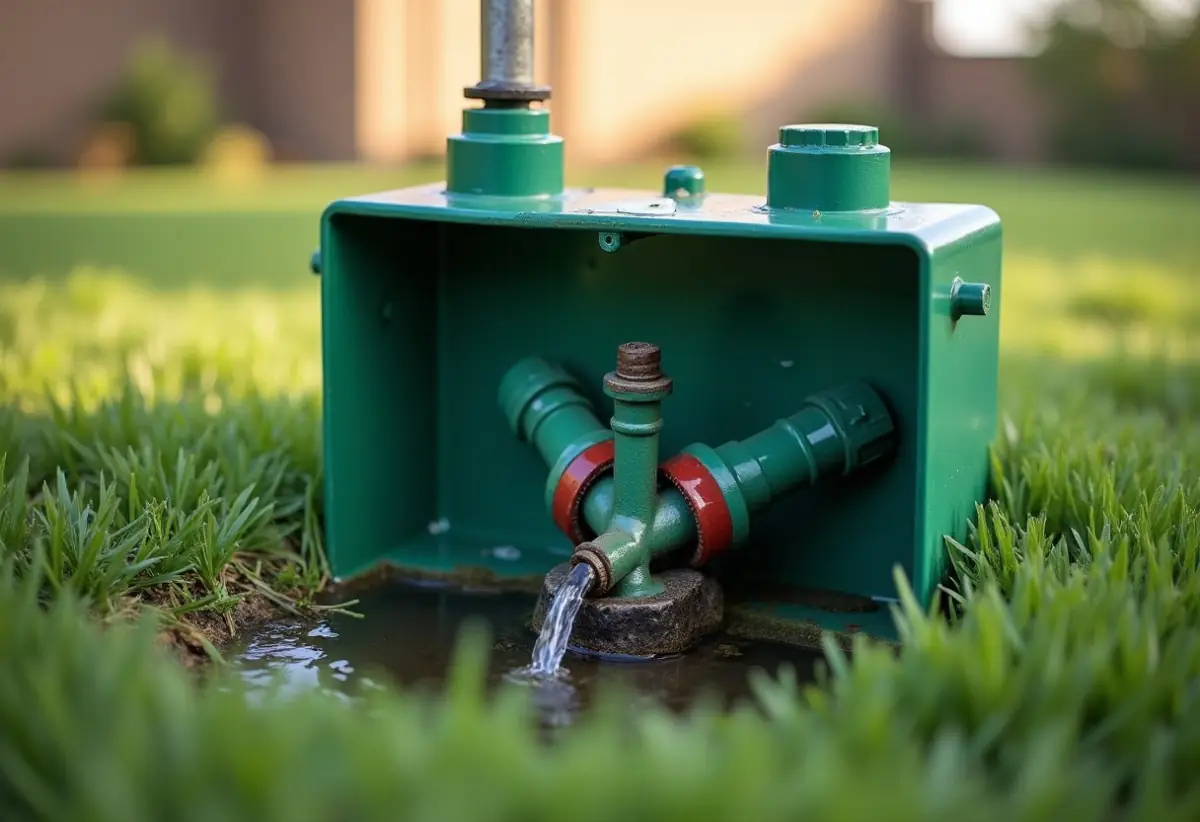
Yes, and it is worth ruling out before you pay a plumber. Utilities sometimes estimate a reading when a meter is buried, blocked, or broken, then send a catch-up bill when a real read finally comes in. Misread digits, a swapped meter, and a longer billing cycle can also inflate a single bill with no change in your water use.
Look for an E or the word “estimated” beside the reading. Low estimated bills followed by one large actual read usually means you paid late for water already used, not that you used more.
Then compare the number on the meter today with the “present reading” printed on the bill. If the meter shows a lower number than the bill says it showed weeks ago, the utility over-read it and owes you a correction. If the reading matches and the leak test is clean, ask for a re-read and a meter accuracy test, and ask about any test fee first.
Why is the sewer charge on my water bill so high?
Sewer charges usually ride on your water meter, so every leaked gallon is billed twice, once as water and again as wastewater. Many utilities also set the residential sewer charge from a winter average, the months when little water goes on lawns. A leak during that window can raise your sewer charge for a full year after the repair.
Rate increases stack on top. Bluefield Research’s rate index of 50 U.S. cities found the combined water and sewer bill rose 5.1 percent from 2024 to 2025, with water rates up 6.0 percent and sewer rates up 4.8 percent. That made a 24.2 percent cumulative five-year increase, and Bluefield says these bills have climbed 207 percent since 2000 against 93 percent for overall inflation.
Tiered rates make the last gallons the most expensive, so a leak or heavy summer watering pushes usage into the top tier and the bill rises faster than the gallons. Drought surcharges and new fixed fees show up the same way.
The Water Research Foundation’s 2016 Residential End Uses of Water study found indoor use in single-family homes fell 22 percent since 1999, from 177 to 138 gallons per household per day. Leaks still ranked fifth among indoor end uses, ahead of baths and dishwashers.
Can I dispute a high water bill or get a leak adjustment?
Usually yes, if you can show the cause. Most utilities have a billing review process, and many offer a one-time leak adjustment once you fix the leak and send proof. The credit rarely erases the whole bill. It typically refunds part of the usage above your normal level, and you can use it only once in a set period.
Two real policies show the range. The NYC DEP Leak Forgiveness Program applies when a leak costs at least 200 percent of a normal bill, the leak is fixed within 120 days of the bill date, and no forgiveness was granted in the past two years. It forgives half the high bill, but the amount owed will not drop below 150 percent of a typical bill.
The City of Seabrook, Texas allows one courtesy adjustment per calendar year. You must apply in writing within 30 days of the bill, repair the leak within 30 days, return to normal usage within two billing cycles, and provide receipts. The city credits usage above your 12-month average and adjusts the sewer charge on the same gallons. It excludes habits such as hot tubs and watering plants in dry weather.
- Fix the leak and keep every receipt, including DIY parts.
- Photograph the meter after the repair to show normal usage.
- File fast. Deadlines can be as short as 30 days.
- Ask whether the sewer charge and winter average get adjusted too.
- Pay the undisputed portion and, if denied, ask for the decision in writing and the next appeal level.
How do I fix a high water bill and keep it from coming back?
Fix the cause, then keep watching the meter. Replace leaking flappers and fill valves, repair irrigation heads and valves, reset the softener and irrigation controller, and call a plumber for any leak you can hear but cannot see. EPA WaterSense says fixing easily corrected household leaks can save about 10 percent on a water bill.
- Read the meter monthly on the same day, so a jump stands out before the bill does.
- Dye-test toilets twice a year. Flappers wear out quietly.
- Reprogram irrigation each season and after power outages.
- Turn on utility leak alerts if your utility offers them.
- Upgrade old toilets. EPA says replacing old, inefficient toilets with WaterSense labeled models can save the average family 13,000 gallons and $130 a year.
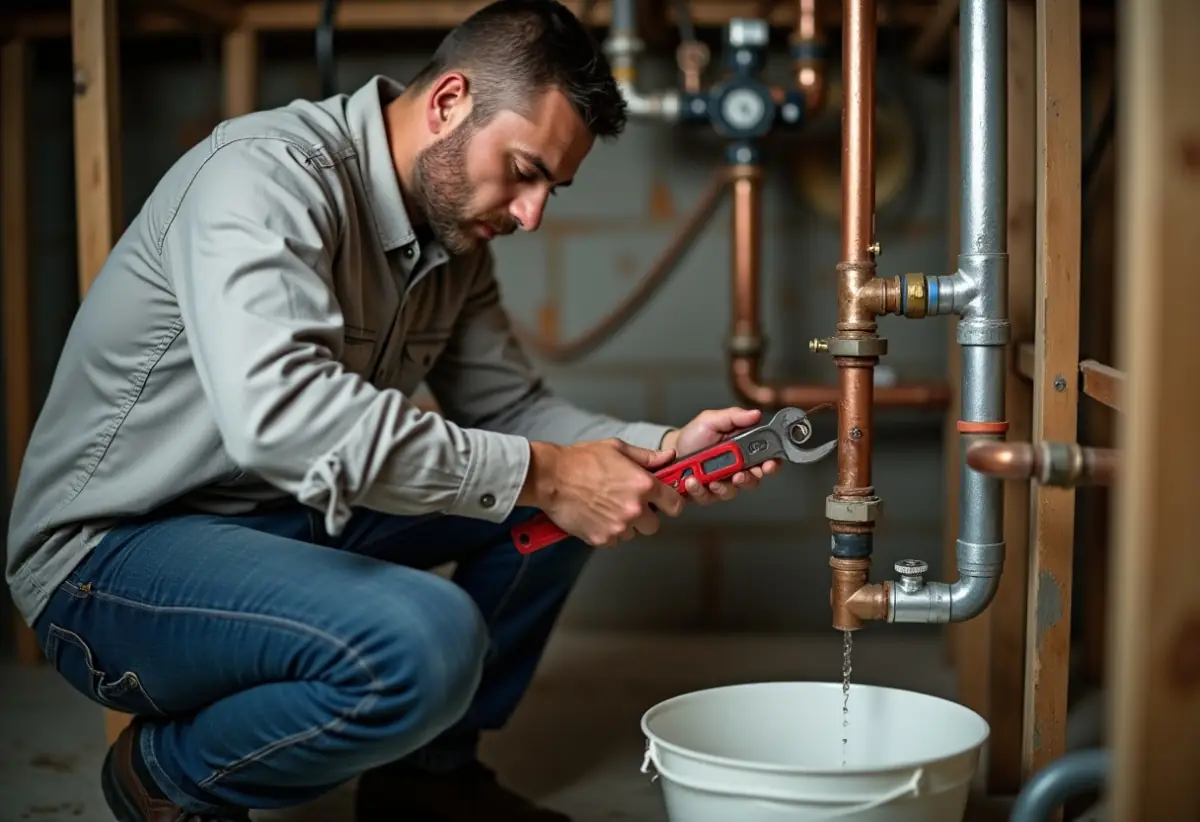
Call a licensed plumber when the meter moves with everything off and you cannot find the cause, a floor feels warm, or part of the yard stays wet. The repair invoice doubles as the proof most utilities want for an adjustment.
How we sourced this
We consulted 11 sources and cited 7: EPA WaterSense (Fix a Leak Week and Statistics and Facts pages), Denver Water, Bluefield Research’s U.S. Municipal Water and Sewer Rate Index (March 2026 release, via Water Online), the Water Research Foundation’s Residential End Uses of Water, Version 2 (2016), the NYC DEP Leak Forgiveness Program page, and the City of Seabrook, Texas, Water Leak Adjustment Policy (2021). The chart annualizes EPA’s monthly irrigation and daily toilet figures; every other number appears as published. We excluded vendor estimates and any figure we could not trace to EPA, a research body, or a utility. Rates and leak policies vary, so check your utility’s. Data reviewed October 2026.
Frequently asked questions
Why did my water bill suddenly double?
A doubled bill usually means a leak that runs around the clock, an estimated reading followed by a catch-up bill, or a longer billing cycle. A running toilet alone can waste about 200 gallons a day, per EPA figures. Compare usage in gallons or CCF to the same month last year, then turn everything off and check whether the meter still moves.
Can a running toilet really raise my water bill?
Yes. EPA estimates an average leaking toilet can waste about 200 gallons a day, and Denver Water says a leak that size could add $270 to $470 a year to its customers’ bills. Drop food coloring in the tank, wait 15 minutes without flushing, and look for color in the bowl. A worn flapper is the usual cause.
How do I know if my water meter is wrong?
First compare the number on the meter to the present reading printed on your bill. If the meter shows less than the bill claims, the utility misread it. If the reading matches and a meter test with everything off shows no movement, ask the utility to re-read and test the meter. Many utilities test meters on request, sometimes for a fee.
Can I dispute a high water bill?
Usually yes. Most utilities have a billing review or dispute process, and many offer a one-time leak adjustment after you fix the problem and send proof such as a plumber’s receipt. NYC DEP, for example, can cut a qualifying leak bill in half once every two years. Pay the undisputed part on time and ask whether late fees pause during the review.
What is a normal water bill for a family of four?
It varies widely by city, but Bluefield Research’s 2026 rate index put the average combined water and sewer bill at about $147 a month in the Northeast and $143 in the West. On usage, EPA says each American uses about 82 gallons a day at home, and a family of four going past 12,000 gallons a month may have serious leaks.
How many gallons is 1 CCF on a water bill?
One CCF, also written HCF, is 100 cubic feet of water, which equals about 748 gallons. To convert your bill, multiply the CCF figure by 748. A bill showing 10 CCF means about 7,480 gallons for the period. Compare that number to past bills rather than the dollar total, since rates and fees change on their own.