Septic System Installation Cost: 2026 Prices by System Type
Septic system installation cost averages $8,016 in 2026, with most new systems landing between $3,590 and $12,463 (HomeAdvisor), while mound and aerobic systems often run $10,000 to $20,000.
Key Takeaways
- HomeAdvisor’s June 2026 guide puts a new septic system at $3,590 to $12,463, with a typical spend of $8,016, and labor making up 50 to 70 percent of the bill.
- Alternative systems cost more: HomeAdvisor lists chambered systems at an $8,500 average, sand filters at $12,500, drip at $13,000 and mound systems at $15,000.
- The perc test decides the system. HomeAdvisor prices soil engineers at $700 to $2,000 and building permits at $450 to $2,300.
- A 3-bedroom mound in University of Nebraska-Lincoln Extension’s worked example needs a footprint of roughly 45 by 70 feet.
- More than one in five U.S. households depend on a septic or small cluster system, according to the EPA.
- The EPA recommends pumping every 3 to 5 years and inspecting at least every 3 years, with yearly checks for systems that have pumps or mechanical parts.
- USDA Section 504 offers rural homeowners repair loans up to $40,000 at 1 percent, and Maryland’s Bay Restoration Fund can cover up to 100 percent of a nitrogen-reducing upgrade.
How much does septic system installation cost in 2026?
Septic system installation cost runs $3,590 to $12,463 for most homes, and the typical homeowner spends about $8,016, according to HomeAdvisor’s cost guide updated June 2026. That figure assumes a standard tank and drain field on soil that passes a perc test. Poor soil, a high water table or shallow bedrock moves you into alternative systems that cost $10,000 to $20,000. Before budgeting, it helps to know what drain field replacement involves down the road and how an aerobic septic system handles tougher soil conditions.
Labor is the bigger half of the bill. HomeAdvisor puts labor at 50 to 70 percent of the total, which is why a $900 to $1,500 tank for a 3- or 4-bedroom home can still cost $1,500 to $4,000 to set and connect.
Fixr, in a guide last updated January 2025, reports a lower national average of $6,100 and a typical range of $4,500 to $9,000. The gap is a reminder that local soil and permit rules matter more than any national number.
How much does each type of septic system cost?
A conventional system costs $3,000 to $8,000 installed, while alternative systems run from about $5,000 for a chamber system to $20,000 for a mound or aerobic unit, based on HomeAdvisor’s 2026 figures. The type is rarely a free choice. Your soil test and county health department decide which designs are allowed on your lot, and the cheapest one that passes is usually the one you build.
If you want the mechanics behind each design, our guide to how a septic system works walks through the tank, the outlet and the soil treatment stage. The table below pairs each type with what it costs and when a county tends to require it.
| System type | Typical installed cost | When it is required or chosen |
|---|---|---|
| Conventional gravity (anaerobic, gravel trench) | $3,000 to $8,000 (HomeAdvisor 2026) | Well-drained soil, enough depth to the water table and a lot that slopes away from the house |
| Chamber (gravelless) | $5,000 to $12,000, avg. $8,500 (HomeAdvisor 2026) | Standard soil where gravel is scarce or costly; the EPA notes it suits seasonal homes and high groundwater |
| Pressure distribution | $5,000 to $7,000 for the system, before full installation (Fixr 2025) | Sites that need effluent spread evenly or pumped uphill, often with a high water table |
| Sand filter (recirculating) | $7,000 to $18,000, avg. $12,500 (HomeAdvisor 2026) | High water table or lots near lakes and streams where extra nutrient treatment is required |
| Drip distribution | $8,000 to $18,000, avg. $13,000 (HomeAdvisor 2026) | Shallow soil, since drip lines sit in the top 6 to 12 inches (EPA); needs a dose tank and power |
| Mound | $10,000 to $20,000, avg. $15,000 (HomeAdvisor 2026) | Shallow soil, high groundwater or shallow bedrock where an in-ground field cannot pass |
| Aerobic treatment unit (ATU) | $10,000 to $20,000 (HomeAdvisor 2026) | Small lots, poor soil, high water tables or sites near sensitive surface water |
| Evapotranspiration | $10,000 to $15,000, avg. $12,500 (HomeAdvisor 2026) | Arid, sunny climates only; the EPA warns heavy rain or snow can cause failure |
Chart values are HomeAdvisor’s June 2026 averages. Aerobic units are left out because HomeAdvisor gives only a range.
What drives the cost of a new septic system?
Soil is the biggest cost driver, followed by tank size, drain field size, site access and local rules. A lot that passes a perc test with a gravity design keeps the job near the low end. A lot with clay, a high water table or rock close to the surface forces a pumped or engineered system, and every added component carries its own price.
Here is how the main line items break down, using HomeAdvisor’s 2026 figures unless noted.
| Line item | Typical cost | What moves it |
|---|---|---|
| Perc test and soil evaluation | $700 to $2,000 (soil engineer) | Number of test holes, county vs private evaluator |
| Building permit | $450 to $2,300 | County fee schedule, design review, inspections |
| Septic tank, 1,000 gallons | $900 to $1,500 (tank only) | Bedroom count, material, delivery distance |
| Excavation | $1,500 to $6,300 | Rock, access for the excavator, tree removal |
| Installer labor | $1,500 to $4,000 | Local rates, system complexity |
| Leach or drain field | $5,000 to $12,000 | Soil absorption rate, house size, trench vs chamber |
| Distribution box | $500 to $1,500 | Number of laterals |
| Tank risers | $300 to $600 | Burial depth, number of lids |
Perc test, design and permits
Nothing gets dug until the soil is tested and a design is approved. The perc test measures how fast water soaks into the ground, and the result sets the size and type of system. In many counties a licensed designer or engineer must stamp the plan, and some health departments run the site evaluation themselves for a fee.
Tank size and material
Tank size is set by bedroom count, not by how many people live in the house. HomeAdvisor prices a 750-gallon tank for 2 bedrooms at $700 to $1,200 and a 1,000-gallon tank for 3 to 4 bedrooms at $900 to $1,500. Your state code may set a higher floor, so check our breakdown of septic tank size by bedroom count before you price tanks. By material, HomeAdvisor lists concrete at $700 to $2,000, plastic at $500 to $2,000 and fiberglass at $1,200 to $2,000.
Drain field size and site conditions
The drain field is usually the most expensive single piece, at $5,000 to $12,000 per HomeAdvisor, because slow soil needs more trench length to absorb the same daily flow. Tight access, steep grades, buried rock and a high water table all add machine time or force a pumped design. Setback rules from wells, property lines and surface water can also push the field to a costlier spot on the lot.
Why does a mound septic system cost so much more?
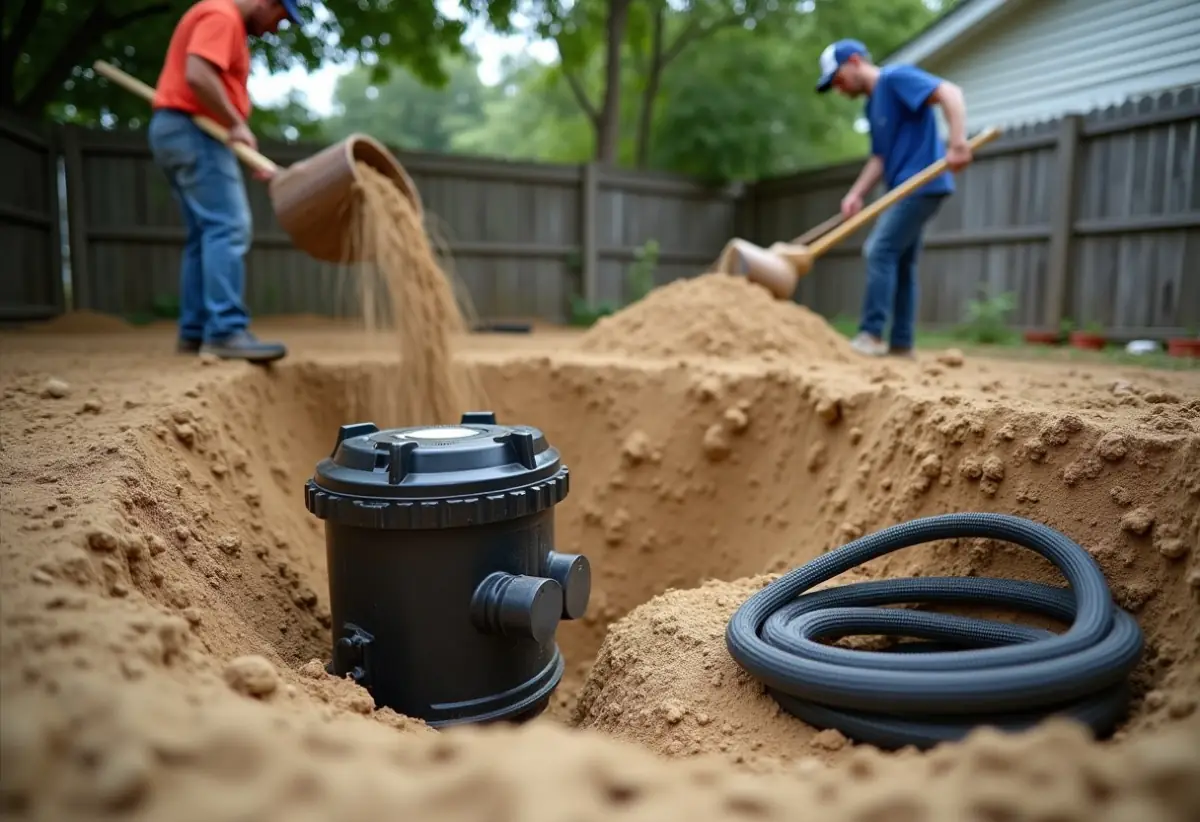
A mound septic system costs more because it builds the treatment layer above ground instead of using native soil. HomeAdvisor’s 2026 average for a mound is $15,000, against $8,016 for a typical new system. The extra money pays for trucked-in sand and gravel, a pump chamber, a dosing pump with controls, and a much larger footprint than a standard trench field.
The size surprises people. In a worked example from University of Nebraska-Lincoln Extension (G1475), a 3-bedroom home with 450 gallons per day of design flow, a soil perc rate of 20 minutes per inch and a 2 percent slope needs a mound roughly 45 feet wide and 70 feet long, side slopes included.
UNL also notes mounds need a more skilled installer, are hard to repair and stop working when the power is out, since the pump moves every dose. The EPA’s guide to septic system types lists the same use cases: shallow soil, high groundwater or shallow bedrock.
Is replacing a septic system cheaper than installing a new one?
Replacing parts of an existing septic system is usually cheaper than new construction, because the design, permit history and much of the digging already exist. HomeAdvisor prices a full tank replacement at $3,000 to $10,000 and a drain field replacement at about $7,000. Smaller fixes, such as sealing a cracked tank, run $200 to $4,000 by the same source.
The exception is a failed system on a site that no longer meets current code. In many areas a full replacement has to follow today’s rules, and if the soil or setbacks no longer qualify, the county may require a mound, sand filter or aerobic unit. That can put a replacement in the same $10,000 to $20,000 band as a new alternative system.
HomeAdvisor cites a common rule of thumb: if a repair costs more than 50 percent of a new system, replacement is often the better buy. For the full menu of fixes, from baffles to pumps, see our guide to septic system repair costs.
New construction carries its own extras. A bare lot needs a full perc test, a new design, the house sewer line and often tree clearing. Fixr also notes that where public sewer is available, connecting costs $1,500 to $8,000, compared with $3,100 to $9,600 for a basic septic system.
How long does septic system installation take?
Paperwork, not digging, usually sets the timeline for a new septic system. The excavation and setting of a conventional system on an open, dry site is often a short job, but soil testing, design and county permit review can stretch the calendar depending on the season and your health department’s backlog. Wet ground can also delay both testing and digging.
The sequence on most jobs looks like this.
- Site evaluation and perc test by a soil engineer or the county health department.
- System design sized to bedroom count and soil results, stamped where your state requires it.
- Permit application and county review of the design.
- Excavation for the tank, pump chamber if needed, and the drain field or mound.
- Tank set, piping, distribution box or dosing controls installed.
- Inspection by the county before backfill, then backfill, grading and seeding.
What does a septic system cost to own after installation?
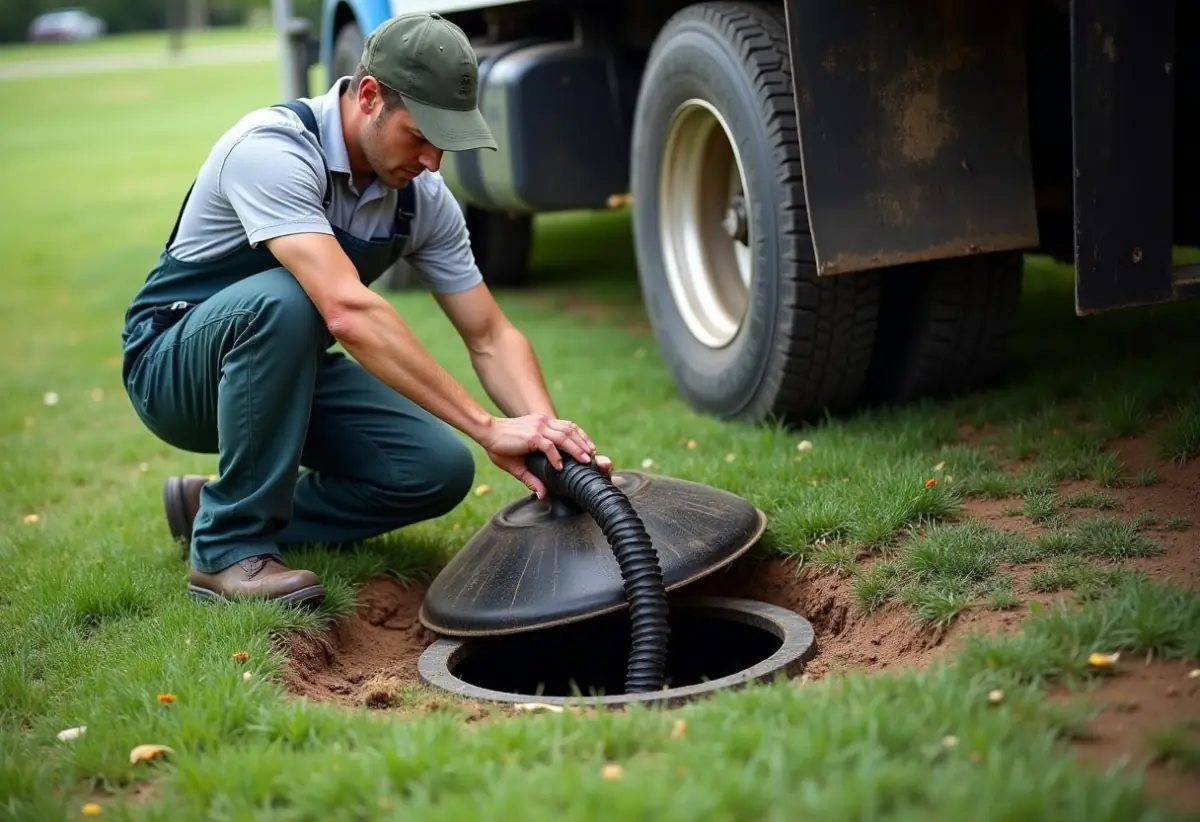
A conventional septic system costs a few hundred dollars every few years to maintain, while systems with pumps, blowers or controls cost more each year. The EPA’s SepticSmart care guide says household tanks are typically pumped every 3 to 5 years and inspected at least every 3 years. HomeAdvisor prices pumping at $300 to $600, depending on tank size.
Alternative systems with float switches, pumps or mechanical parts should be inspected more often, generally once a year, per the EPA. Maryland makes that a rule for its nitrogen-reducing units: COMAR 26.04.02.07(E) requires yearly service by a certified provider, according to University of Maryland Extension fact sheet FS-1110. The same fact sheet puts monthly electricity for Maryland-approved units at $3.24 to $18.86.
Lifespan estimates vary. HomeAdvisor gives a septic tank 15 to 20 years, while Fixr puts the average system at 20 to 30 years. Regular pumping keeps solids out of the costly drain field.
Can grants or loans help pay for a new septic system?
Yes, some homeowners qualify for federal or state help, though most programs target low-income, rural or environmentally sensitive households. The most widely available is the USDA Rural Development Section 504 Home Repair program, which offers loans up to $40,000 at 1 percent interest over 20 years. Homeowners 62 and older may qualify for grants up to $10,000 to remove health and safety hazards.
Section 504 requires that you own and occupy the home, live in an eligible rural area and have a household income below the very-low-income limit for your county. USDA describes eligible uses as repairing or improving a home or removing health and safety hazards, which can include a failing septic system.
State programs vary widely. Maryland’s Bay Restoration Fund, created in 2004, dedicates about $15 million a year to septic upgrades and can cover up to 100 percent of the cost of a nitrogen-reducing unit and its installation, with priority for failing systems, per University of Maryland Extension. Other states route federal Clean Water State Revolving Fund money to septic repairs, so ask your county health department what applies where you live.
With more than one in five U.S. households on septic or small cluster systems, per the EPA’s septic overview, many states keep some repair aid on the books.
How we sourced this
We consulted 14 sources and cited 8: HomeAdvisor’s septic installation cost guide (updated June 2026), Fixr’s septic tank installation guide (updated January 2025), three U.S. EPA septic pages (system types, care and maintenance, and the program overview), University of Nebraska-Lincoln Extension G1475 on mound systems, University of Maryland Extension FS-1110 (updated April 2024) and the USDA Rural Development Section 504 fact sheet. Cost figures are national ranges from consumer cost guides and are not quotes. Fixr’s figures for pressure distribution cover the system before full installation labor, and we label them that way. We excluded aggregator pages that cited no data source. Local prices, permit fees and allowed system types vary by state and county.
Frequently asked questions
How much does a new septic system cost?
HomeAdvisor’s June 2026 cost guide puts a new septic system at $3,590 to $12,463, with most homeowners spending about $8,016. That covers a standard tank and drain field on a lot with workable soil. Alternative systems cost more, with mound and aerobic systems often running $10,000 to $20,000. Permits, the soil test and site work can push any quote higher.
What is the cheapest type of septic system to install?
A conventional gravity system is usually the cheapest because it needs no pump, no electricity and no imported sand. HomeAdvisor prices a standard anaerobic system at $3,000 to $8,000 installed, and Fixr lists gravity system components at $1,500 to $4,000 before installation. The catch is that a gravity system only works where the soil drains well and the lot slopes away from the house.
How much does a septic system cost for a 3 bedroom house?
Most 3-bedroom homes need a 1,000-gallon tank, which HomeAdvisor prices at $900 to $1,500 for the tank alone. A full conventional system for that home usually lands near HomeAdvisor’s $8,016 average. If the soil fails a perc test and the county requires a mound, plan on $10,000 to $20,000, since a 3-bedroom mound can cover roughly 45 by 70 feet.
How much does a mound septic system cost?
HomeAdvisor’s 2026 guide prices a mound septic system at $10,000 to $20,000, with an average of $15,000, the highest of the alternative systems it tracks. The cost comes from trucked-in sand and gravel, a dosing pump and chamber, and a large footprint. Mounds are usually required where the water table is high, the soil is shallow or bedrock sits close to the surface.
How much does a perc test cost?
HomeAdvisor’s 2026 guide lists soil engineers who run percolation tests at $700 to $2,000. The test measures how fast water soaks into the soil, and the result decides which system your county will approve. Some health departments run the site evaluation themselves for a fee, so call the county office before hiring a private engineer.
How long does a septic system last?
HomeAdvisor gives a septic tank a 15 to 20 year lifespan, while Fixr puts the average system at 20 to 30 years. The range depends on tank material, soil, household water use and how often the tank is pumped. The EPA recommends an inspection at least every 3 years and pumping every 3 to 5 years to protect the drain field.
Is it cheaper to replace a septic tank than install a whole new system?
Usually, yes. HomeAdvisor prices a tank replacement at $3,000 to $10,000 because the design and much of the digging already exist. Replacing only the drain field runs about $7,000 by the same source. A full replacement can cost as much as new construction if the old site no longer meets current code and the county requires an alternative system.
What is the most expensive part of a septic system?
The drain field is usually the most expensive single piece of a septic system, running $5,000 to $12,000 per HomeAdvisor. Slow soil needs more trench length to absorb the same daily flow, which raises the price. Tight access, steep grades, buried rock and a high water table add machine time, and setback rules can push the field to a costlier spot on the lot.
How often does a 1000 gallon septic tank need to be pumped out?
The EPA's SepticSmart care guide says household tanks are typically pumped every 3 to 5 years and inspected at least every 3 years. HomeAdvisor prices pumping at $300 to $600, depending on tank size. Systems with pumps, blowers or other mechanical parts should be inspected more often, generally once a year, according to the EPA.