Shower Not Getting Hot? Shower-Only Causes, Fixes, and the Limit Stop
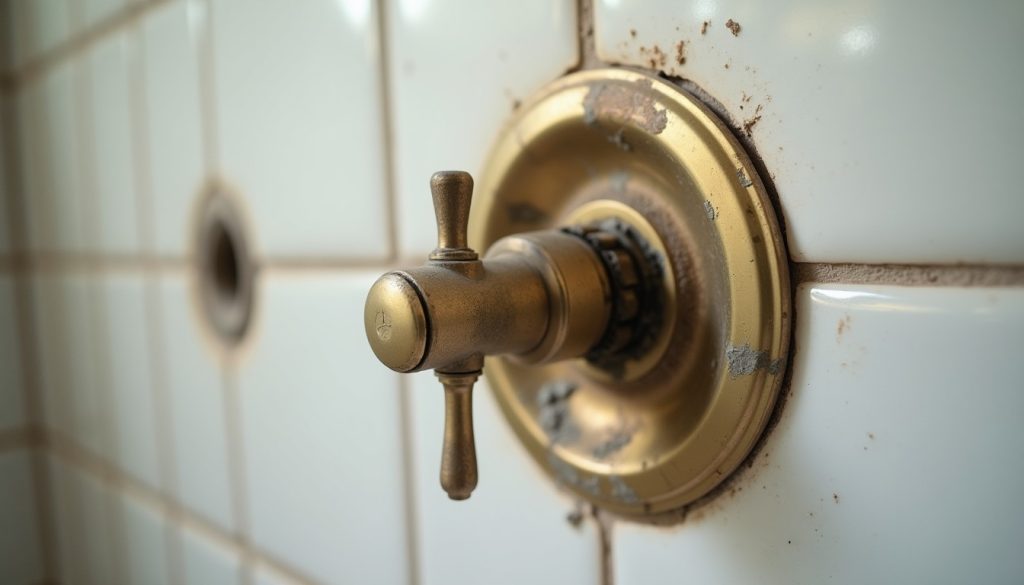
A shower not getting hot while the sink runs hot almost always points to the shower valve: a limit stop set too low, a worn cartridge, or crossed supply lines, not the water heater.
Key Takeaways
- Run the kitchen tap first. If it gets hot, the heater is fine and the fault is inside the shower valve; if nothing in the house gets hot, it is a heater problem.
- The most common shower-only cause is the anti-scald rotational limit stop. Delta says each tick mark can shift the outlet by 0 to 15°F depending on inlet water.
- The International Plumbing Code requires shower valves to be field adjusted so water at the outlet does not exceed 120°F (49°C).
- Moen turns its Posi-Temp limit stop clockwise for hotter water; Delta adds hot by turning its stop counterclockwise. Follow the sheet for your brand.
- CPSC says a 5-minute exposure to 120°F water can cause third-degree burns, and 140°F water can do it in 6 seconds.
- Delta puts a comfortable shower at 90°F to 110°F, so a valve capped at 120°F has plenty of headroom once the stop and cartridge work.
Why is my shower not getting hot when other taps are?
If the kitchen and bathroom sinks run hot but the shower stays lukewarm, the water heater is doing its job and the problem lives inside the shower valve. The water reaches the valve hot. Something in the valve, usually the limit stop, the cartridge, or the way the supplies are piped, is blending in too much cold or blocking the hot port.
Run the closest sink on full hot for a minute, then the shower at full hot, and compare them with a kitchen or meat thermometer, the tool CPSC tells homeowners to use.
- Sink hot, shower lukewarm: a shower-only problem. Keep reading.
- Every tap lukewarm or cold: a heater, gas, power, or capacity problem. Start with our guide to troubleshooting a house with no hot water.
- Shower starts hot, then fades: usually the tank running out under heavy use, covered further down.
A scaled showerhead cuts flow, but it does not cool the water, so a vinegar soak will not fix a temperature problem.
What causes a shower not getting hot?
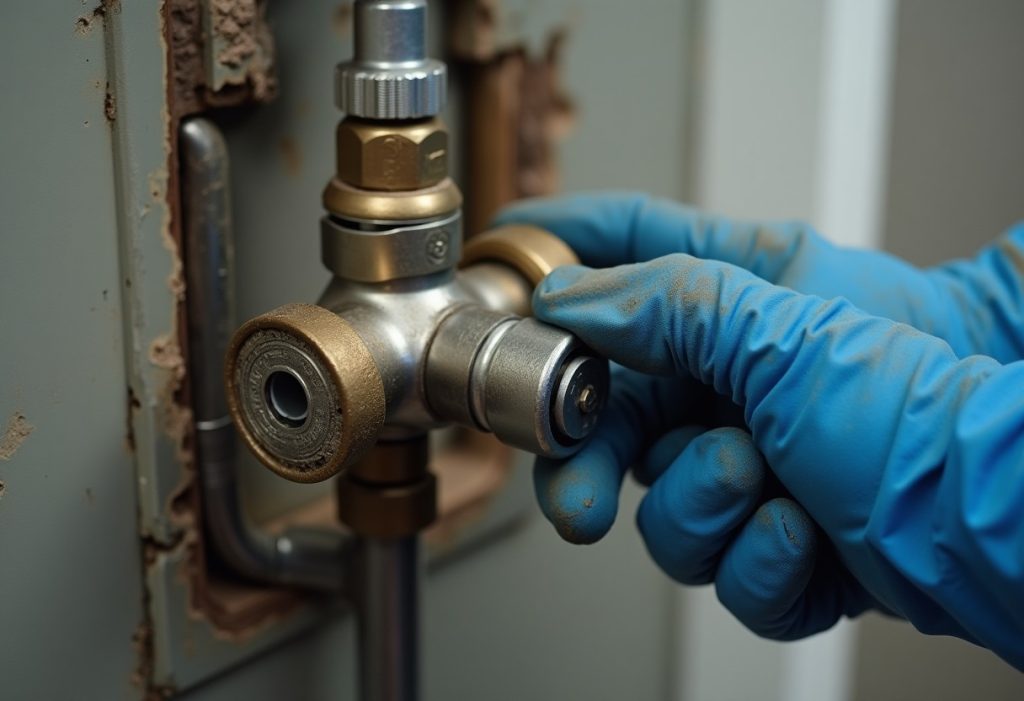
Six faults cover nearly every shower that will not get hot while the rest of the house does. Match what you see at the handle to the table below, then work the fix in order from cheapest to most involved.
| Symptom | Likely cause | Fix |
|---|---|---|
| Handle turns to full hot, water is warm but never hot | Rotational limit stop set too low (anti-scald stop) | Rotate the stop toward hot one notch at a time, test to 120°F max |
| Was fine for years, slowly got cooler, worse in winter | Limit stop set in summer; cold inlet water dropped | Reset the stop seasonally, as Delta advises |
| Stop is at its hottest notch, still lukewarm; handle feels stiff | Worn or scaled pressure-balance cartridge | Clean or replace the cartridge with the exact brand part |
| Temperature drifts or hunts on a thermostatic valve | Sticking thermostatic element or clogged inlet screens | Clean screens and element, recalibrate per the sheet, or replace |
| Handle gives hot on the “cold” side after a remodel | Hot and cold supplies crossed at the valve | Re-pipe the supplies or reverse the cartridge if the maker allows it |
| Shower drops to lukewarm when a tap or washer runs | Pressure-balance spool reacting to pressure change, or tank depletion | Stagger use; check heater capacity and setting |
| Every bathroom fixture on one branch runs cool | Mixing valve at the heater or under a vanity set low | Raise the mixing valve setting, keep the outlet at or below 120°F |
Is the anti-scald limit stop set too low?
In most cases, yes. The rotational limit stop is a toothed plastic ring or tab behind the handle that physically stops the handle from turning past a set point. Delta describes its purpose as limiting the hot water available so a person is not scalded if the handle swings all the way to hot. Set too conservatively, it caps the shower at lukewarm.
Code requires the stop. The International Plumbing Code section on individual shower valves says valves must conform to ASSE 1016/ASME A112.1016/CSA B125.16 or ASME A112.18.1/CSA B125.1 and must carry a means to limit the maximum setting to 120°F, field adjusted in accordance with the manufacturer’s instructions.
Three things push a stop out of adjustment over time:
- Season. Delta’s instructions note the stop may need to be readjusted seasonally because winter cold water is colder than summer cold water, which changes the outlet temperature.
- A new cartridge. Replacement cartridges often seat the stop in a default notch that runs cool.
- A lower heater setting. Turning the heater down lowers what the same stop delivers.
Which stop you have depends on whether the valve is a pressure-balance, thermostatic, or combination valve. Two-handle valves with separate hot and cold knobs usually have no limit stop at all, so a lukewarm two-handle shower points to a stem, cartridge, or supply problem instead.
How do you adjust a shower limit stop step by step?
Shut off the water to the shower, pull the handle, lift the limit stop off its splines, rotate it toward more hot by one notch, refit the handle, and test with a thermometer. Repeat until the outlet reads no more than 120°F. The direction differs by brand, so check the instruction sheet before you turn anything.
| Brand and valve | Where the stop is | Direction for hotter | Maker’s ceiling |
|---|---|---|---|
| Moen Posi-Temp | Temperature limit stop behind the handle, seated in notched openings | Clockwise | 120°F/49°C or less |
| Delta single-handle (rotational limit stop, sheet 112675) | Ring under the handle adapter, held by an O-ring | Counterclockwise adds hot | 120°F or local code maximum |
| Other brands (Kohler, Pfister, American Standard) | Ring, tab, or stop screw on the cartridge stem | Per the model’s instruction sheet | 120°F under code |
- Turn off the water to the shower at the integral stops or the main, then open the valve to drain it. Moen’s procedure starts with the supply shut off.
- Pry off the handle cap, remove the handle screw, and pull the handle. On Delta valves, also remove the handle adapter.
- Photograph the stop’s current position so you can return to it.
- Lift the stop off its splines. On Delta, slide the O-ring back first so the stop can move.
- Rotate the stop one notch toward hot. Per Moen’s PosiTemp instructions, that is clockwise; per Delta, counterclockwise.
- Refit the handle loosely, restore water, and run the shower until both supplies are at their steady temperature.
- Turn the handle to its full-hot stop. Hold a thermometer in a plastic cup in the stream, the method Delta’s limit stop instructions describe.
- If it reads under your target, repeat one notch at a time. Never go past 120°F at the outlet.
- On Delta valves, push the O-ring back into place. Delta warns that skipping it could result in scald injury.
- Reinstall the handle securely and recheck the temperature once more.
Go one notch at a time because Delta says each tick can change the outlet by anywhere from 0 to 15°F depending on inlet water conditions. Two notches at once can jump you past the safe ceiling.
What temperature should a shower not getting hot actually reach?
The target is a maximum of 120°F at the showerhead, not hotter. The International Plumbing Code caps shower valve output at 120°F (49°C), Moen recommends 120°F or less, and CPSC urges households to set water heaters to 120°F. Delta places a comfortable shower at 90°F to 110°F, so a working valve at 120°F has headroom.
The danger rises steeply above 120°F. The chart below plots CPSC’s tap water scald figures on a straight time scale, which is why the bars for 140°F and 150°F barely register.
If you want the whole house hotter, change the heater, not the stop. Our guide to setting the water heater temperature covers the tradeoffs.
Could a worn cartridge be why the shower is not getting hot?
Yes, and it is the next suspect once the limit stop sits at its hottest notch and the shower still runs lukewarm. A pressure-balance cartridge has a sliding spool that evens out hot and cold pressure. Hard-water scale can jam that spool toward the cold side, and a split seal can let cold water leak across into the hot port.
Signs the cartridge, not the stop, is the problem:
- The handle is stiff, gritty, or does not return smoothly.
- Temperature changes in jumps rather than a smooth sweep.
- Flow on the hot side is weaker than on the cold side.
- The shower also drips, a sign the internal seals are worn.
Soaking a scaled cartridge in white vinegar can buy time, but a worn seal does not heal. Cartridges are brand and model specific, so match the old part. When cleaning fails, replace the shower cartridge and reset the limit stop afterward, because the new part rarely lands in the same notch.
Can a thermostatic valve, crossed lines, or a mixing valve cause a lukewarm shower?
All three can. A thermostatic valve holds a set temperature with a wax or bimetal element that can stick; crossed hot and cold supplies flip the handle’s logic; and a mixing valve at the heater or under a vanity can blend water down before it ever reaches the shower. Each has a quick tell that separates it from a limit stop problem.
Sticking thermostatic valve
When a thermostatic valve’s element scales up or the inlet check screens clog, the valve may hunt, drift cooler over a shower, or refuse to reach the set point. Clean the screens and element per the maker’s sheet, and recalibrate the temperature dial if your model allows it. A dead element means a new cartridge.
Hot and cold lines crossed after a remodel
If the shower runs hotter at the “cold” end of the handle and cooler at the “hot” end, the supplies were likely connected backward during a valve swap or remodel. Delta’s own check procedure starts by confirming cold water flows first as the handle turns, which catches this. With crossed lines, the limit stop works against you, capping the hot side. Some single-handle valves let you rotate the cartridge 180 degrees to correct reversed supplies, but only if your model’s instructions say so. Otherwise the lines need to be re-piped at the valve.
Mixing valve at the water heater
Some homes have a thermostatic mixing valve at the heater outlet or under a bathroom vanity that blends hot water down before distribution. If it is set too low, or its element sticks, every fixture it feeds runs cool. A heater-mounted valve rarely explains a shower-only problem; one serving only the bathroom branch can.
Why does the shower turn lukewarm when someone else uses water?
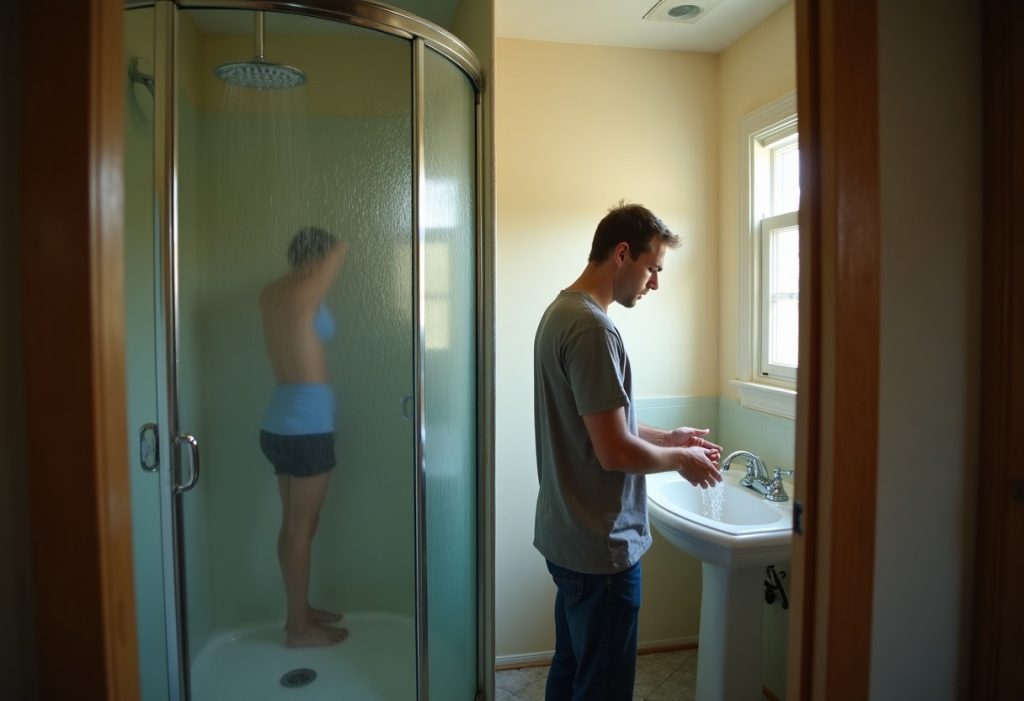
Two different things cause this. A pressure-balance valve reacts to a sudden pressure drop on one side by throttling the other, so the shower briefly shifts when a toilet flushes or a sink opens. If the shower stays lukewarm for the rest of a long run of use, the tank is being drawn down faster than it can reheat.
That brief wobble is the anti-scald feature working; a permanent drop is not.
Back-to-back showers, a dishwasher, and a warm laundry load can all pull from one tank. If the shower fades only during heavy use, stagger the loads, check the heater’s setting, and look at tank size and sediment before touching the shower valve.
When should you call a plumber about a shower not getting hot?
Call a licensed plumber if the cartridge will not come out, the valve body is corroded, the supplies are crossed inside the wall, or you cannot hold the outlet at or below 120°F. Those jobs may mean opening the wall or replacing the valve, which may need a permit depending on local code.
A homeowner can usually handle the limit stop and, on common brands, a cartridge swap. Call a pro if water leaks behind the trim after reassembly, the valve is a discontinued model, or someone very young or elderly lives in the home and you cannot confirm the outlet temperature.
How we sourced this
We reviewed the top-ranking pages and People Also Ask questions for “shower not getting hot” and “why is my shower water not getting hot” in October 2026, then went to primary sources for every figure. Cited: CPSC Publication 5098 (Avoiding Tap Water Scalds) for burn times and the 120°F recommendation; the International Plumbing Code section on individual shower valves via UpCodes for the 120°F limit and ASSE 1016 reference; Moen’s PosiTemp limit stop article for direction and its 120°F/49°C recommendation; and Delta instruction sheet 112675 Rev. A for the comfortable range, per-tick change, seasonal readjustment, and O-ring warning. We excluded repair cost figures because we found no primary, dated source for them.
Frequently asked questions
Why is my shower not hot but my sink is?
Hot water at the sink proves the water heater is working, so the fault sits inside the shower valve. The usual causes are an anti-scald limit stop set too low, a worn or scaled pressure-balance cartridge, a sticking thermostatic element, or hot and cold lines crossed during a remodel. Start with the limit stop, since it costs nothing to check.
How do I make my shower water hotter?
Pull the handle and find the plastic limit stop ring or tab behind it. Shut off the water, lift the stop, and rotate it toward more hot, which is clockwise on a Moen Posi-Temp and counterclockwise on a Delta valve. Test with a thermometer and stop at 120°F or below, the ceiling set by plumbing code and by both makers.
Where is the anti-scald valve in a shower?
On a single-handle shower the anti-scald parts sit inside the valve body behind the handle. The pressure-balance spool or thermostatic element is part of the cartridge, and the adjustable limit stop is a toothed plastic ring or tab on the cartridge stem. You reach both by removing the handle screw, the handle, and sometimes a trim sleeve.
Can a bad shower cartridge cause no hot water?
Yes. A pressure-balance cartridge has a spool that slides to match hot and cold pressure, and mineral scale can jam it toward the cold side. A cracked seal can also let cold water bleed into the hot port. If the limit stop is already at its hottest notch and the shower stays lukewarm, the cartridge is the next suspect.
Why does my shower go cold after a few minutes?
If the shower starts hot and fades, the tank is usually running out, not the valve failing. Back-to-back showers, a running dishwasher, or a laundry load can drain a tank faster than it recovers. Sediment in the tank and a failed dip tube also shorten hot water time. Those are water heater problems, so troubleshoot the heater rather than the shower.
Why is my new shower valve not getting hot enough?
New valves and new cartridges often ship with the limit stop in a conservative default position, and installers are told to set it on site. Delta notes each tick mark can move the outlet temperature by 0 to 15°F depending on inlet water. Reset the stop with a thermometer. If the handle runs hot on the cold side, the supplies may be reversed.
Is it safe to set the shower limit stop above 120°F?
No. The International Plumbing Code requires shower valves to be field adjusted so the outlet does not exceed 120°F, and Moen and Delta both use the same ceiling. CPSC warns that a 30-second exposure to 130°F water can cause third-degree burns. If 120°F at the head still feels cool, look for a cartridge or supply problem instead.


