Trap Primer: Types, Code Rules and Why Floor Drains Need One (With 2026 List Prices)
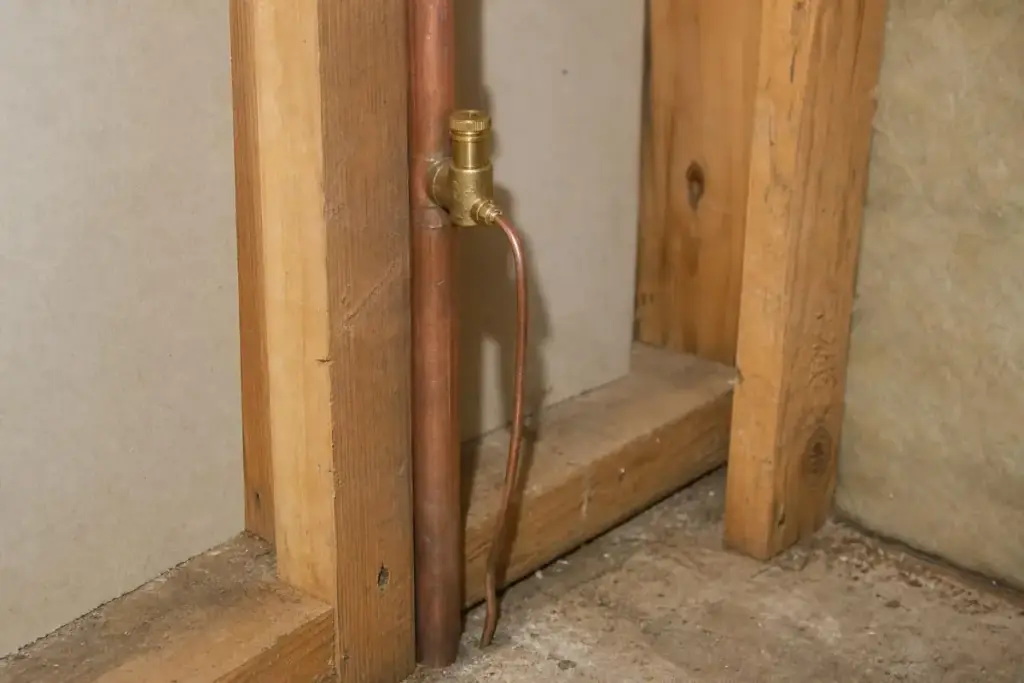
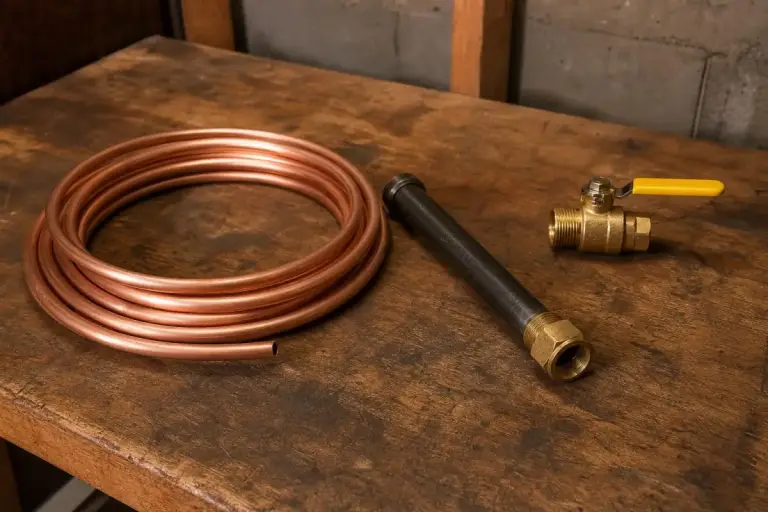
A trap primer is a valve or device that adds water to a floor drain trap so the seal never dries out and lets sewer gas in. Four types exist: pressure-drop (ASSE 1018), electronic and drainage-type (ASSE 1044), and the barrier insert alternative (ASSE 1072).
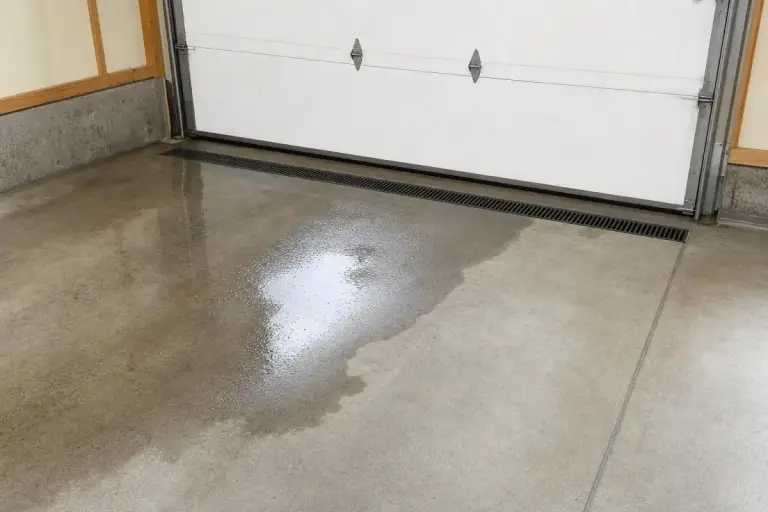
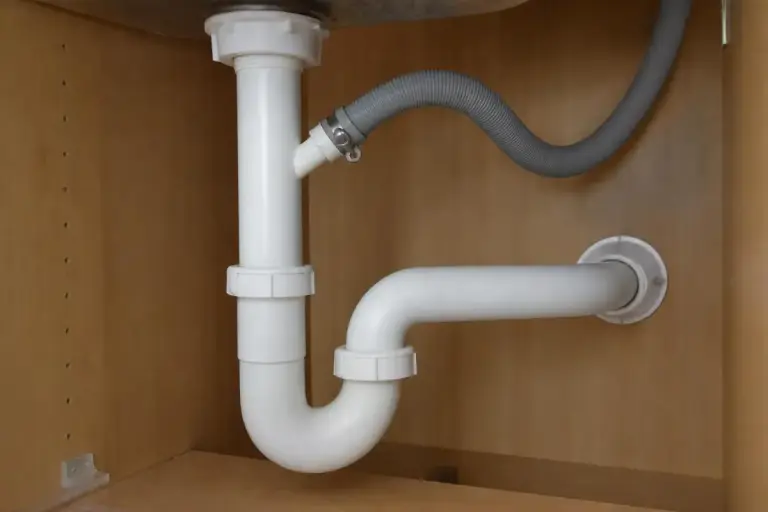
The problem it solves is plain physics. The water seal a P-trap holds is 2 to 4 inches deep under IPC Section 1002.4, and a floor drain that never receives water loses that seal to evaporation. Once the trap is dry, sewer gas has an open path into the room.
Which trap primer type fits which floor drain?
Pick by power and water source: a pressure-drop valve where a busy cold line runs within 20 feet, an electronic timer manifold where many drains sit far from any fixture, a drainage-type primer where a lavatory or flush valve sits beside the drain, and a barrier insert where there is no water at all.
| Type | Example parts | What triggers it | Water per event | Standard and code path | Maker list price (Oct 2026) |
|---|---|---|---|---|---|
| Pressure-drop valve on a cold line | Precision Plumbing Products P1-500, P2-500; Sioux Chief 695-01 PrimePerfect; MIFAB M-500 | A drop in line pressure when a nearby fixture opens: 10 psig for the P1-500 and 695-01, 3 PSI for the M-500 | P1-500 discharges at least 71.25 ml per minute at 20 psig while open | ASSE 1018; IPC 1002.4.1.1, UPC 1007.2 | P1-500 $121.38; DU-U distribution unit $60.29 |
| Electronic timer and manifold | PPP Prime-Time PT-4 to PT-2130; PPP Solo-Prime SP-500 | A timer opens a normally closed solenoid; factory set 6 seconds every 24 hours | Set by the owner on the timer | ASSE 1044; IPC 1002.4.1.3, UPC 1007.2 | PT-4 $1,942.07; PT-2130 $2,896.57; SP-500-24V $425.27 |
| Drainage-type: tailpiece or flush valve | PPP LTP-1500 tail piece primer; Moen 104517 flush valve primer | Waste water from a lavatory, or part of a 1.6 to 3.5 gpf flush, diverted to the drain | Moen 104517: 3 oz per flush; no added potable water | ASSE 1044; IPC 1002.4.1.3 | LTP-1500 $220.56 |
| Barrier insert (no water) | PPP Pro-Drain PDS-2000, 3000, 4000; Sioux Chief 835 TrapShield; RectorSeal SureSeal SS2009V | A silicone flapper or diaphragm that opens under flow and closes when dry | None | ASSE 1072; IPC 1002.4.1.4; Oregon OPSC 1007.7 bars it as a substitute | PDS-2000 $94.48 to PDS-4000 $117.40 |
Prices are list prices from the Precision Plumbing Products 2026 list price schedule effective October 1, 2026; contractors normally buy below list. The gap that matters: a P1-500 plus a DU-U costs $181.67 at list for up to 4 drains, while the smallest Prime-Time manifold costs $1,942.07 and needs a 120V, 220V or 24V power feed. Electronic units earn that premium only in buildings such as arenas or garages where 13 to 30 drains sit far from any fixture.
How a pressure-drop primer like the P1-500 feeds a floor drain
A pressure-drop primer sits on a cold water branch that serves a frequently used fixture, senses the 10 psig dip when that fixture opens, and releases a metered shot down a sloped make-up line into the drain body above the trap seal.
The P1-500 and P2-500 submittal sets the limits: install on a 1/2 to 1-1/2 inch cold line feeding a frequently used flush valve or faucet, keep the make-up line at least 12 inches above the finished floor before its first 90 degree elbow, run no more than 20 feet to the drain, and keep a continuous slope. The installation sheet adds 1 foot of fall per 20 feet of run, a 20 to 80 psig operating range, a 125 psi ceiling, and a ban on water heater lines because they give too small a pressure drop.
Sioux Chief writes looser numbers for its 695 Series PrimePerfect spec sheet: 6 inches minimum above the drain grid, activation on a 10 psig drop anywhere from 30 to 150 PSIG, and a 30 to 250 PSIG working range. Mounted too far upstream from the fixture, Sioux Chief warns, the valve never sees a full 10 PSI dip.
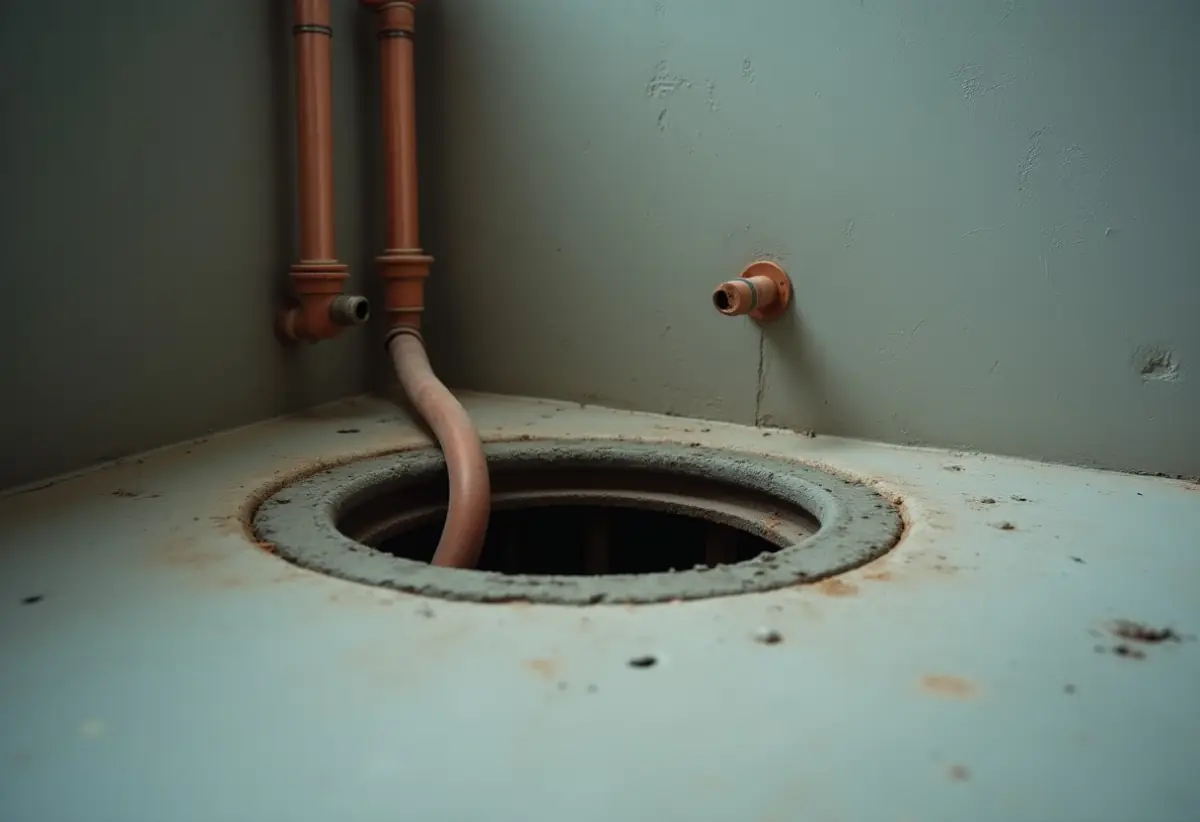
Where does code require a trap primer on a floor drain?
Code requires trap seal protection on emergency floor drains and on any trap subject to evaporation under the IPC, and on floor drains subject to infrequent use under the UPC, with the inspector able to waive it. A floor drain that gets regular flow from a fixture or appliance is the usual exception.
Under IPC Section 1002.4.1, those traps take one of five methods: a potable water primer valve to ASSE 1018 (1002.4.1.1), a reclaimed or gray water primer valve also to ASSE 1018 (1002.4.1.2), a wastewater-supplied primer to ASSE 1044 (1002.4.1.3), a barrier device to ASSE 1072 (1002.4.1.4), or a fixture drain connection (1002.4.1.5). The IRC repeats the first four in Section P3201.2.1. The fifth arrived in 2021, and the ICC’s significant changes summary for IPC 1002.4.1.5 quotes it: the full drain from a lavatory or hand sink may protect an emergency floor drain, trench drain or floor sink in the same room, and a drinking fountain drain may serve one in the same or an adjacent room, connected below the flood level rim and above the trap inlet, never routed on or above the floor.
The UPC handles it in Section 1007: floor drains and similar traps directly connected to the drainage system and subject to infrequent use get a trap seal primer, the primer must be accessible for maintenance, and Section 1007.2 lists ASSE 1018 for potable water valves and ASSE 1044 or IAPMO PS 76 for drainage-type and electronic devices. States amend these sections. Oregon’s plumbing specialty code, shown in the 2017 OPSC Section 1007 amendment, demands an approved automatic means on floor drain traps, primer valves 12 inches above the flood rim, 3/8 inch minimum ID supply piping and inverted manifolds for 3 or more traps. Ohio adds an exception in Ohio Admin. Code 4101:3-10-01: no trap seal protection in garage floor drains of one, two and three family dwellings.
For a house, that means a basement floor drain that backs up or smells is a judgment call for the local inspector under IRC P3201.2.1, not an automatic primer requirement.
Can a SureSeal or other ASSE 1072 insert replace a trap primer?
Under the IPC and IRC, yes: an ASSE 1072 barrier device is one of the listed methods. Under Oregon’s amended code, and by the word of some makers, no. Check the adopted code text before swapping a failed primer for a $95 insert.
RectorSeal’s SureSeal SS2009V sheet claims protection “equivalent to water based trap primers” and a floor rating of ASSE 1072 AF GW. Sioux Chief’s 835 Series TrapShield spec sheet says the device “shall not be used in lieu of a trap primer where a trap primer is required by code.” Precision Plumbing Products recommends its ASSE 1072 listed Pro-Drain (IAPMO file 7479) alongside a mechanical primer and alone only where no potable water reaches the drain. Oregon Section 1007.7 settles it in that state: a barrier device may be added, but never in place of the automatic means required by 1007.1.
Barrier inserts also carry a service rule. Sioux Chief says to fill the trap by pouring water through a new TrapShield, inspect it periodically, and pull it out before any drain-cleaning chemical or machine goes down the line.
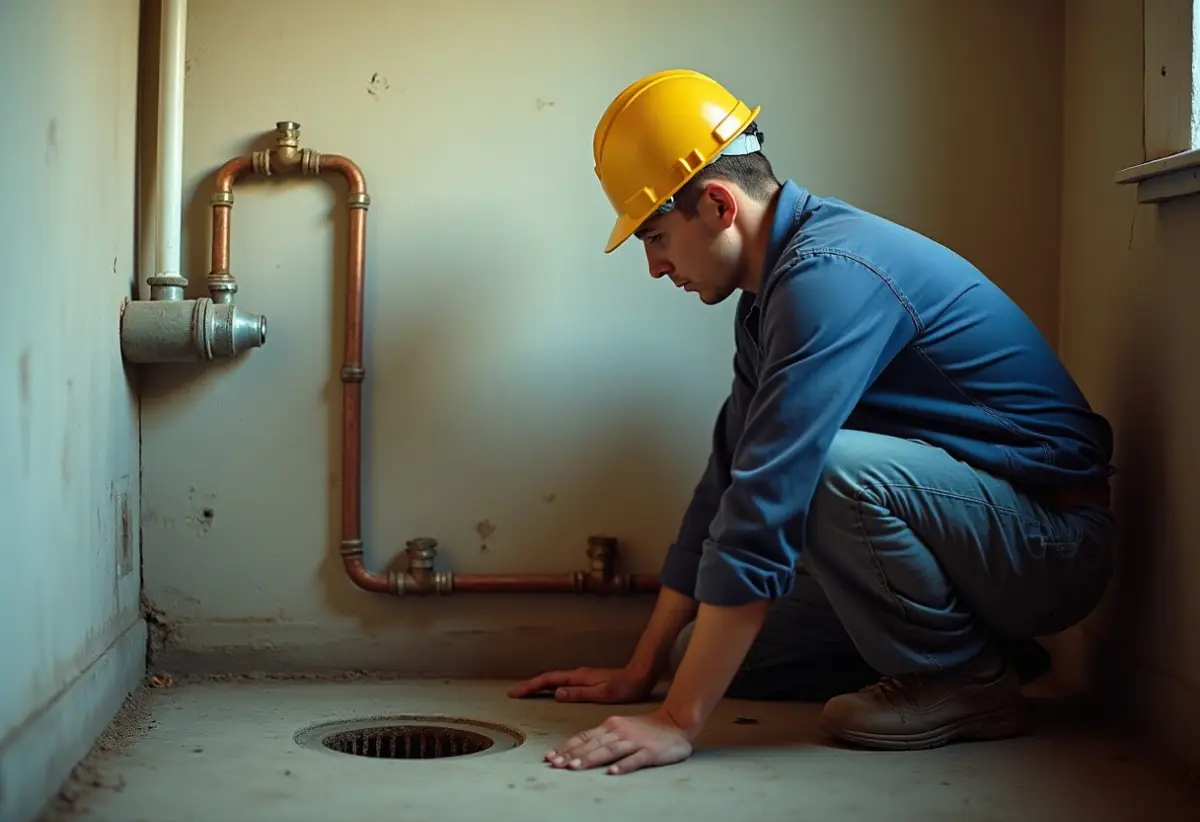
How many floor drains can one trap primer serve?
A single P1-500 serves 1 to 4 floor drains, but only with Precision Plumbing Products’ DU-U or DU-4 distribution unit; the P2-500 tops out at 2. Without a distribution unit, plan one primer per drain.
Other makers rate differently. MIFAB builds its M-500 series to serve 3, 6 or 10 drains without adjustment and its MI-100 electronic unit for 1 to 30, according to MIFAB’s trap seal primer selection page. Sioux Chief gives no fixed count for the 695-01 and says the number is a function of activation frequency and evaporation rate, set by the design engineer. Oregon Section 1007.2 caps non-pressure-activated primers and toilet flush primer connections at 2 traps unless the building official approves more. The DU-4 lists at $85.04 in copper and the DU-U at $60.29 in PVC.
Backflow protection on the primer supply
Every potable water primer needs a backflow device between the supply and the drain, because the make-up line ends inside a sewer-connected fitting. ASSE 1018 requires a potable water primer valve to include a means of preventing backsiphonage, and the units below carry it inside the device.
The Sioux Chief 695-01 carries an integral vacuum breaker (part 11 on its spec sheet). The P1-500 discharges through a vacuum breaker port, and its instructions warn that a clogged make-up line pushes water out of that port. The Prime-Time manifold uses an atmospheric vacuum breaker and must sit above every drain it serves, 12 inches over the flood level, since back pressure trips the breaker and dumps water inside the cabinet. Oregon Section 1007.3 states the general rule: supply piping to priming devices must be protected against cross-connection. Our guide to the types of backflow preventer covers where an atmospheric vacuum breaker is and is not allowed.
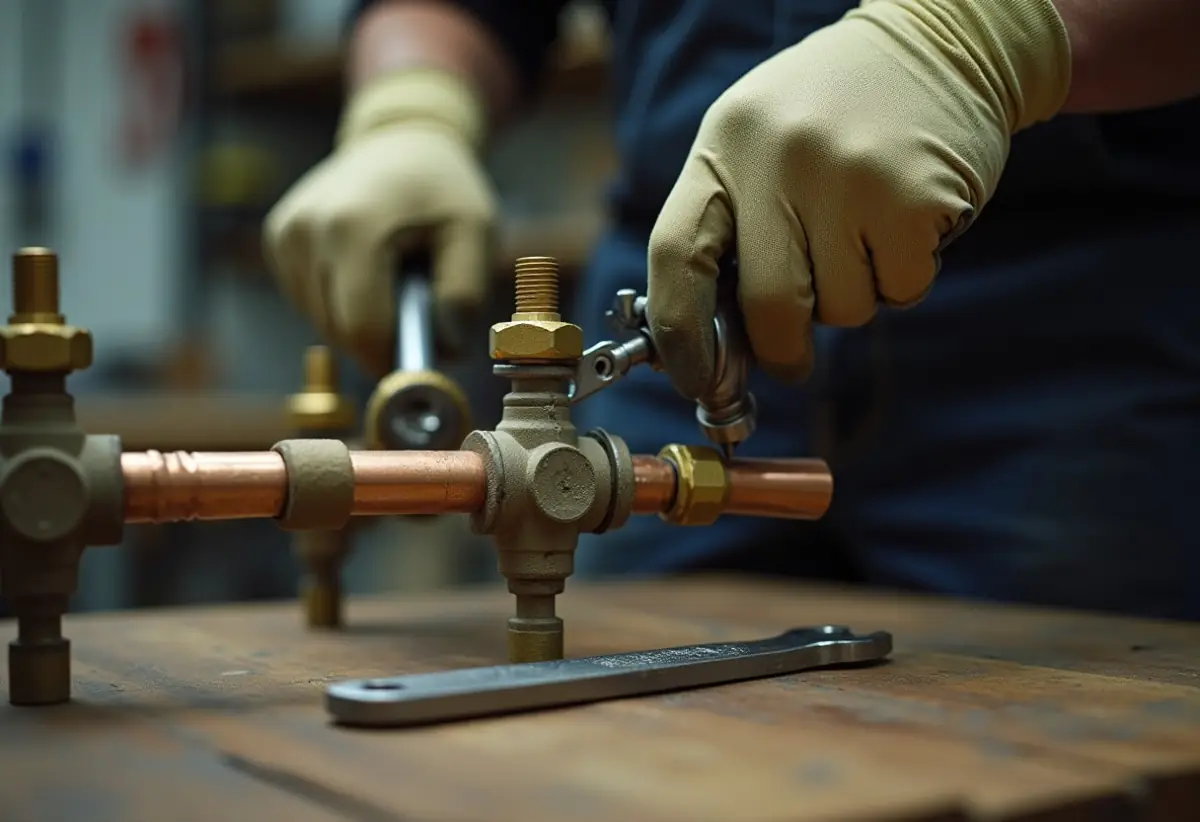
Setting, testing and servicing a trap primer per the maker’s sheet
Follow the sheet for the installed model; the steps differ by maker.
- PPP P1-500: flush the line first, seal threads with ribbon tape only, and do not exceed 55 ft-lbs or wrench on the hex. Turn the adjusting screw counterclockwise until a steady flow appears, then clockwise until dripping just stops. Cycle the primer at least 5 times. Keep the valve out of the rough-in pressure test.
- Sioux Chief 695-01: factory set; adjust only above 100 PSI static. Loosen the nipple locknut, turn the nipple counterclockwise until it drips, turn it clockwise 1/4 turn, and retighten. Use PTFE tape, no pipe dope, and never solder to the valve.
- PPP Prime-Time: on first power-up the primer fires for 6 seconds. Hold the Test override to check every outlet for flow and every compression joint for leaks, and de-energize before opening the timer box. The Prime-Time installation and maintenance instructions list 3/8 or 1/2 inch ID copper make-up lines.
If a primed drain still smells after these checks, the fault is usually a blocked make-up line or a primer mounted too far from its fixture. Ask a plumber to verify flow at the drain with the fixture running; a replacement P1-500 lists at $121.38.
How we sourced this
We read the Precision Plumbing Products P1-500/P2-500 installation sheet (MI-TPV-02) and submittal, the Prime-Time installation instructions (II-PT-01 Rev. 09/26), the LTP-1500 and Pro-Drain submittals and the 2026 list price schedule; Sioux Chief’s 695 Series and 835 Series spec sheets; RectorSeal’s SureSeal SS2009V sheet; Moen’s 104517 product page; MIFAB’s selection page; the ICC 2021 significant changes summary for IPC 1002.4.1.5; Oregon’s 2017 OPSC Section 1007 amendment; and Ohio Admin. Code 4101:3-10-01. IPC 1002.4.1.1 to 1002.4.1.4 and UPC 1007 are described from code summaries and state adoptions rather than the paywalled ICC and IAPMO viewers, so the wording is paraphrased. No source gave a measured evaporation rate for a floor drain trap, so the page states none. Prices are maker list prices, not street prices or labor.
Trap primer questions owners and installers ask
Does a basement floor drain in a house need a trap primer?
Only where the adopted code or the inspector calls the trap subject to evaporation. IRC Section P3201.2.1 protects emergency floor drains and evaporating traps, and Ohio exempts garage floor drains in one, two and three family dwellings. A drain that sees a laundry tub or water heater discharge every week often passes without one.
How can I tell if a trap primer is working?
Open the nearest fixture on the same cold line and watch the primer outlet or the drain. A P1-500 set correctly drips, then stops, after a 10 psig drop. Precision Plumbing Products says to cycle it at least 5 times. Water leaving the vacuum breaker port means the make-up line downstream is blocked.
Can I just pour water down the floor drain instead?
Yes, as a stopgap. Pouring a bucket of water into the drain refills a dry trap and ends the sewer odor until the seal evaporates again. Code still wants an automatic method where it requires protection, so a manual refill will not pass an inspection on new work in IPC or UPC jurisdictions.
Why does my trap primer drip or leak constantly?
A pressure drop valve that drips nonstop is set below the static line pressure. The P1-500 adjusts by turning the screw clockwise until dripping just stops. Sioux Chief says its factory set 695-01 needs a quarter turn adjustment only when static pressure tops 100 PSI.
How much water does an electronic trap primer use?
Very little. The Prime-Time manifold ships set to open for 6 seconds once every 24 hours, which Precision Plumbing Products rates as enough for 30 floor drains. Owners can lengthen or shorten the cycle on the timer in dry or humid rooms.