Shower vs Bathtub: Cost, Water Use, Resale, and Which to Choose
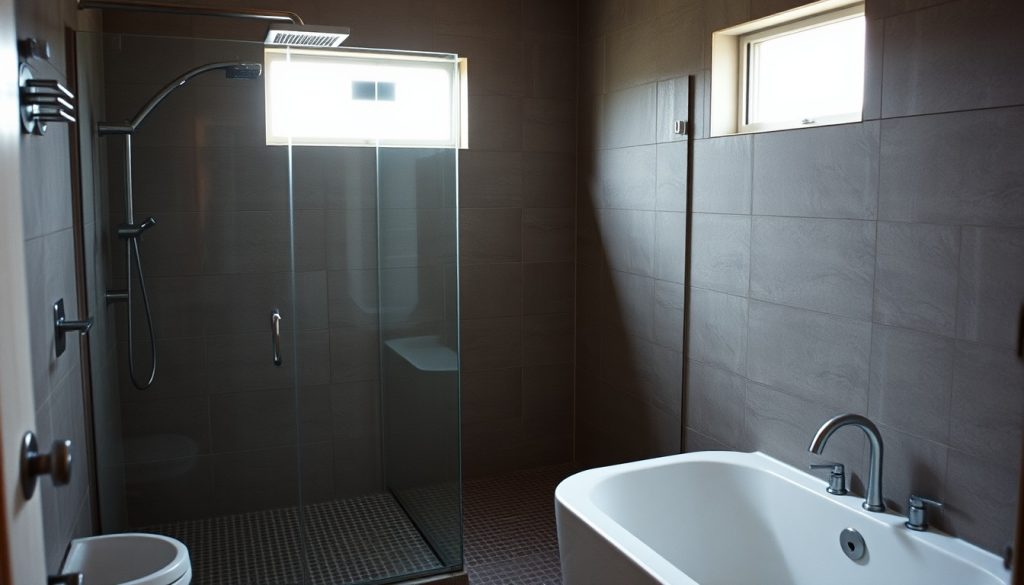
Shower vs bathtub comes down to your household: a shower costs less to run and saves water, while keeping at least one bathtub protects resale, especially with families.
Key Takeaways
- A typical 8-minute shower uses about 16 to 20 gallons, versus 35 to 50 gallons to fill a bath, per EPA WaterSense figures.
- A WaterSense showerhead is capped at 2.0 gpm against a standard 2.5 gpm head, saving roughly 4 gallons per shower and about 2,700 gallons per household per year, per EPA.
- Showering is one of the largest indoor water uses, at nearly 17 percent of a home’s indoor total, per EPA WaterSense.
- Keep at least one bathtub: agents advise it because many families with young kids will not buy a home with no tub, and tub-less homes can draw offers $5,000 to $10,000 lower in tight markets.
- A walk-in shower typically installs for $3,000 to $15,000; a standard alcove tub with a surround runs $400 to $8,000, so the tub is usually cheaper.
- A tub-to-shower conversion runs $2,000 to $12,000, about $6,500 for a mid-range job in 2026, with accessibility features adding $500 to $1,500.
- A mid-range bathroom remodel returns roughly 60 to 70 percent of its cost at resale, in line with the National Association of Realtors Remodeling Impact Report range.
Shower vs bathtub: which should you pick?
Pick a shower if you want lower water use, a smaller footprint, and easier step-in access, and a bathtub if you soak, have young kids, or own the home’s only full bath. The safest play in most homes is to keep at least one tub and put the walk-in shower in a second or primary bath. Before swapping either bathroom, check tub to shower conversion costs to see how pricing shifts by tier, drain type, and project timeline.
This is rarely an either-or for a whole house. The real decision is per bathroom: which fixture earns the space, the budget, and the resale protection. The table below lines up the seven factors that actually move the answer, and if you are relocating a drain or valve, see what a bathroom remodel involves when you move fixtures.
| Factor | Shower | Bathtub |
|---|---|---|
| Install cost (typical) | $3,000 to $15,000 (walk-in) | $400 to $8,000 (alcove tub + surround) |
| Water use per use | 16 to 25 gal (8 to 10 min) | 35 to 50 gal (full bath) |
| Space / footprint | As small as 30 by 30 in (code min) | ~60 by 30 in (5 ft alcove) |
| Resale value | Neutral to plus if a tub remains | Protects value; families want one |
| Accessibility | Low or zero threshold, easy step-in | High wall, harder step-over |
| Cleaning | Glass shows spots; less standing water | Fewer joints but bulkier to scrub |
| Best for | Small baths, quick washing, aging in place | Families, soaking, single-bath homes |
How much does a shower vs bathtub cost to install?
A bathtub is usually the cheaper install. A standard alcove tub with a surround often runs $400 to $8,000 installed, while a walk-in shower typically runs $3,000 to $15,000 once you add waterproofing, a pan or tile, and glass. A basic prefab tub-shower unit narrows the gap, and a tiled or curbless shower widens it.
Most of a shower’s extra cost is the waterproofing and finish work, not the plumbing. Both fixtures use a similar supply and drain rough-in, so relocating either one is where the plumbing bill grows. See bathroom rough-in dimensions and pipe sizes before you plan a move.
Does a shower or bathtub use more water?
A typical shower uses less water than a bath. The average 8-minute shower runs about 16 to 20 gallons depending on the head, while a full bath commonly takes 35 to 50 gallons, per EPA WaterSense. A WaterSense showerhead capped at 2.0 gpm saves about 4 gallons per shower over a standard 2.5 gpm head.
Length is the variable that flips this. A long 15 to 20 minute shower can match or beat a full bath, so the fixture alone does not settle it. The chart below shows the per-use gap at typical shower lengths.
Which adds more resale value, a shower or a bathtub?
Keep at least one bathtub in the home for resale. Agents widely advise it, because many families with young children will not buy a house with no tub, and in competitive markets a tub-less home can draw offers $5,000 to $10,000 lower. Beyond that one tub, a well-built walk-in shower can be a net plus in a primary or secondary bath.
The math changes with your bathroom count. If you have only one full bath, keep it as a tub or tub-shower combo. With two or more full baths, converting the secondary one to a shower is low risk. A mid-range bathroom remodel returns roughly 60 to 70 percent at resale, in line with the National Association of Realtors range.
Is a shower or bathtub better for accessibility and aging in place?
A low-threshold or curbless shower is safer for aging in place. Stepping over a high tub wall on a slick surface is a leading fall risk for older adults and anyone with limited mobility, so a walk-in shower with a low or zero threshold reduces that risk. Grab bars, a fold-down bench, and a comfort-height setup add roughly $500 to $1,500. Once you’ve settled on an accessible layout, choosing fixtures matters too, from shower head options that suit a seated or standing user to bathtub styles and materials if you’re weighing a walk-in tub instead.
A zero-threshold roll-in shower with a linear drain, seat, and grab bars is the strongest accessibility option, though it costs more and needs the drain reworked into the floor. Basic accessibility features often add only a few hundred dollars to a remodel already underway.
Which is easier to clean and maintain?
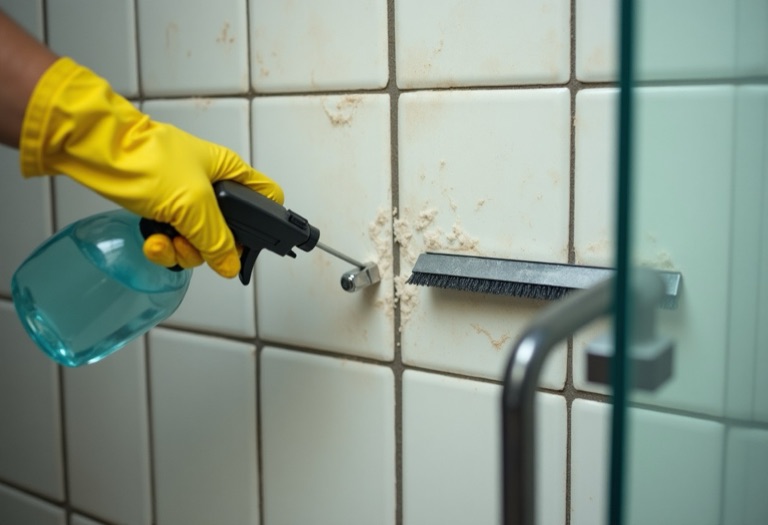
Both take work, in different ways. A glass shower shows water spots and needs the door and tile wiped to keep soap scum and grout mildew down, while a tub holds less standing water day to day but is bulkier to lean into and scrub. Grout lines are the maintenance weak point in a tiled shower.
The easiest to keep clean is a curbless shower with large-format tile and minimal grout, or a solid-surface acrylic pan and walls. A slow tub drain is a common tub headache; here is how to clear a slow bathtub drain before it backs up.
How much does a tub-to-shower conversion cost?
Most tub-to-shower conversions run $2,000 to $12,000, with a mid-range job around $6,500 in 2026. A prefab acrylic kit runs about $2,000 to $6,000, a tiled walk-in $6,000 to $12,000, and a curbless roll-in shower $8,000 to $15,000. Reusing the existing drain and valve keeps the plumbing bill down.
The conversion gets more expensive when the drain has to move, since a tub drain sits in a different spot than a shower drain and a curbless pan needs the floor reframed to slope. To see how the valve and drain lay out, review how a shower valve and drain rough-in works.
Who should choose a shower, and who should keep a bathtub?
Choose a shower if you rarely soak, want lower water use, have a tight footprint, or are planning for aging in place, provided the home still has a tub somewhere. Keep or add a bathtub if you bathe young children, like to soak, or own the home’s only full bath, where the resale tub rule applies most strongly.
In single-bathroom homes, the tub-shower combo is still the smartest default: it fits both fixtures in a 5-foot alcove and protects resale. Reserve the standalone walk-in shower or separate soaking tub for homes with the bathroom count and floor space to spare.
How we sourced this
We compared showers and bathtubs on 2026 US install cost, per-use water consumption, footprint, resale impact, accessibility, and cleaning. Water figures come from EPA WaterSense (2.0 gpm showerhead standard, per-shower and per-bath gallons, share of indoor use). Resale guidance reflects the National Association of Realtors Remodeling Impact Report range and current agent practice on the one-tub rule. Cost ranges come from multiple 2026 US remodeling and tub-to-shower conversion cost datasets. Minimum shower size reflects common model plumbing code (900 square inches). Prices, water rates, and local code adoption vary by region, so we cite ranges rather than single numbers. We excluded commercial and spa installations.
Frequently asked questions
Is a shower or bathtub cheaper to install?
A bathtub is usually cheaper. A standard alcove tub with a surround often runs $400 to $8,000 installed, while a walk-in shower typically runs $3,000 to $15,000 once you add waterproofing, tile or a pan, and glass. The gap widens with a tiled or curbless shower, and narrows if you drop in a basic prefab tub-shower unit.
Does a shower or a bath use more water?
A typical shower uses less. The average 8-minute shower runs about 16 to 20 gallons depending on the showerhead, while a full bath commonly takes 35 to 50 gallons, per EPA WaterSense figures. A WaterSense showerhead capped at 2.0 gpm cuts that further. Very long showers can close the gap, so length matters as much as the fixture.
Do I need a bathtub to sell my house?
Keep at least one. Real estate agents widely advise keeping one bathtub in the home, because many families with young children will not buy a house with no tub. In competitive markets, homes with no tub can draw offers $5,000 to $10,000 lower. If you have two or more full baths, converting the secondary one to a shower is lower risk.
How much does a tub-to-shower conversion cost?
Most tub-to-shower conversions run $2,000 to $12,000, with a mid-range job around $6,500 in 2026. A prefab kit runs about $2,000 to $6,000, a tiled walk-in $6,000 to $12,000, and a curbless roll-in shower $8,000 to $15,000. Moving the drain or altering the wet wall adds plumbing labor on top.
Is a shower or bathtub better for aging in place?
A low-threshold or curbless shower is safer for aging in place. Stepping over a high tub wall on a wet surface is a common fall risk for older adults and anyone with limited mobility. Grab bars, a fold-down bench, and a comfort-height setup add roughly $500 to $1,500 and sharply cut injury risk over time.
Which is easier to clean, a shower or a tub?
Both take work, in different ways. A glass shower shows water spots and needs the door and tile wiped to fight soap scum and mildew in the grout. A tub holds less standing water day to day but is bulkier to reach into and scrub. A curbless shower with large-format tile and minimal grout lines is the easiest of the group to keep clean.
Can I have both a shower and a bathtub in a small bathroom?
Often yes, as a tub-shower combo. A standard 60 by 30 inch alcove tub with a showerhead above it gives you both in the footprint of the tub alone, which is why it is the default in most single-bathroom homes. A separate stall shower plus a freestanding tub needs far more floor space and a bigger budget.
What is the smallest a shower can be?
Many model plumbing codes require a shower to enclose at least 900 square inches of floor area, roughly a 30 by 30 inch minimum, though 32 by 32 inches or larger is more comfortable. A standard alcove bathtub occupies about 60 by 30 inches, so a shower can fit a tighter footprint, which helps in small or half-bath conversions.


