Pink Mold in Toilet: What It Is and How to Get Rid of It
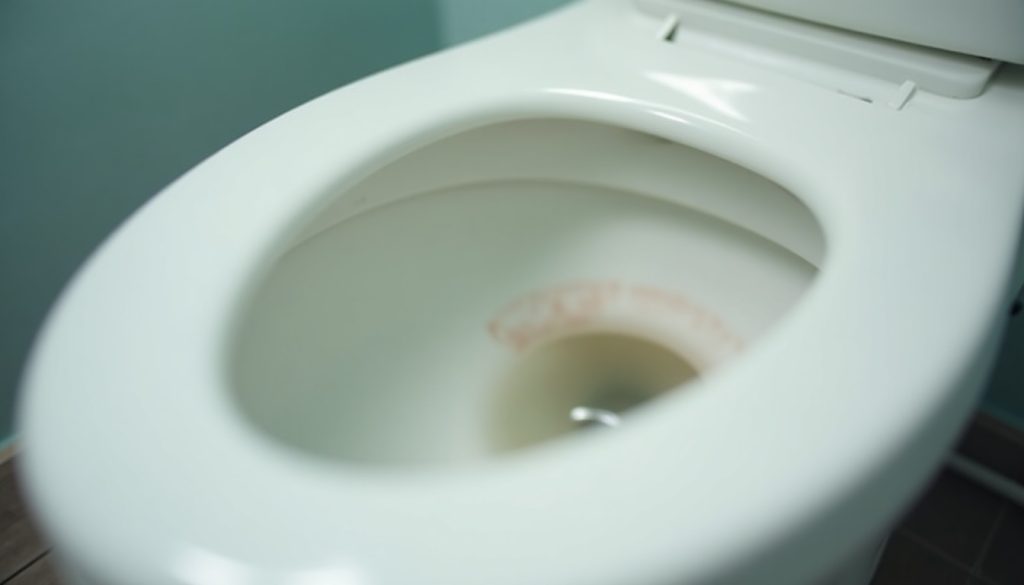
Pink mold in toilet bowls is usually not mold at all but Serratia marcescens, an airborne bacterium that feeds on soap and waste film; scrub it, disinfect with bleach, and keep the bowl and tank clean.
Key Takeaways
- The pink ring is almost always Serratia marcescens bacteria, which grows where phosphorus or fatty residue builds up, according to North Dakota State University Extension.
- Gwinnett County Water Resources recommends a strong chlorine bleach solution left on the surface for 10 to 20 minutes.
- For the tank, NDSU Extension suggests 1/4 cup of bleach for 15 to 20 minutes, then several flushes, and warns that bleach left sitting damages rubber valves and seals.
- Activated carbon filters strip chlorine and may support the bacteria, per NDSU Extension, which is why the ring often appears after a filter install or on well water.
- In CDC NHSN data for 2018 to 2021, Serratia species made up 2.0% of central line bloodstream infection pathogens on adult hospital wards, a real but minor hospital germ.
- Kohler warns that in-tank cleaners with calcium hypochlorite can seriously damage tank fittings and cause leaks.
- Orange, black, white, and blue-green rings have different causes; EPA nuisance limits are 0.3 mg/L for iron, 0.05 mg/L for manganese, and 1.0 mg/L for copper.
What is the pink mold in my toilet?
The pink mold in your toilet is a bacterium, not a fungus. It is usually Serratia marcescens, a common organism that makes a red to pink pigment as it grows. North Dakota State University Extension and several US water utilities identify it as the source of the pink or salmon film that shows up at toilet waterlines, in shower corners, and around sink drains.
The film is slimy, not fuzzy. Real mold grows as raised, spotty patches; Serratia forms a smooth, wet biofilm that smears when wiped and returns in the same spots.
Gwinnett County Water Resources lists human and animal feces, dust, soil, and surface waters as normal homes for it. It drifted in on air and dust and found a wet place to eat.
A 2011 review in Clinical Microbiology Reviews notes that Serratia was long thought harmless, so the US military released it over large areas to track particle spread. It was established as a human pathogen by the mid-1960s.
Why does a pink ring form in the toilet bowl?
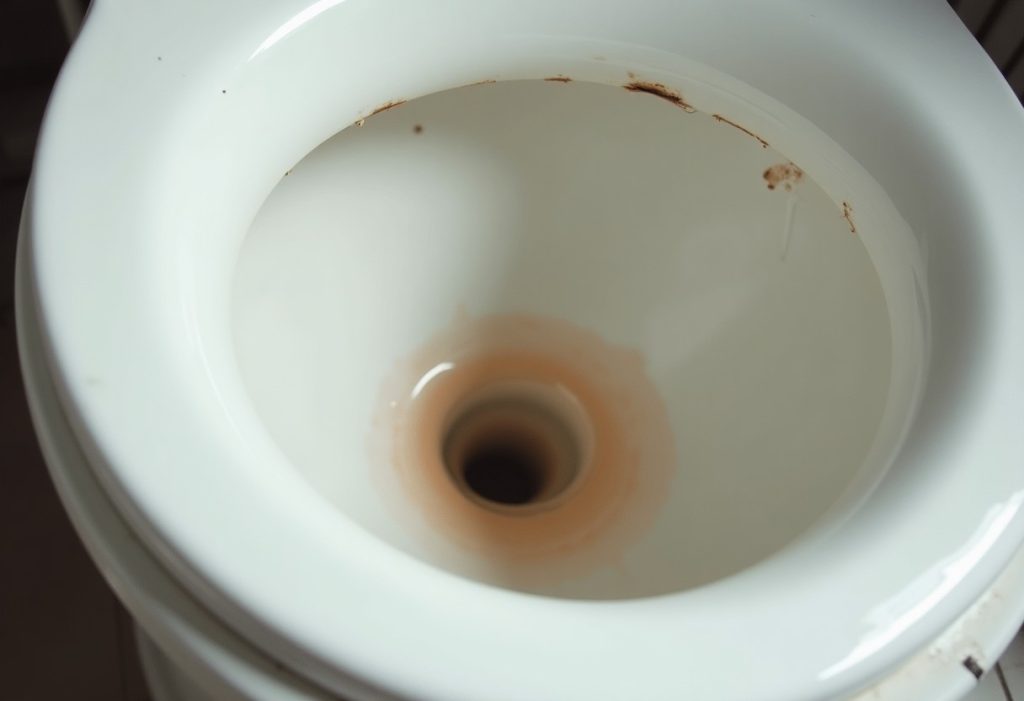
A pink ring forms because a toilet bowl gives Serratia three things it needs: standing water, a film of food, and long stretches of quiet. Urine, feces residue, and soap from hand washing leave phosphorus and fatty compounds behind. NDSU Extension says the bacteria grow wherever those materials collect in a moist spot, and the waterline is exactly that spot.
Each driver plays a separate role:
- Moisture. The waterline never dries, and a humid bathroom keeps the bowl rim, seat hinges, and tank lid damp too.
- Food film. Phosphate and fatty residue from soap, shampoo, body wash, and waste coat the porcelain right where the water meets air.
- Airborne arrival. The bacteria ride in on dust, so a clean bowl can be recolonized without anyone touching it.
- Fading chlorine. City water carries a small disinfectant residual that fades as water sits in the tank and bowl, which is why idle guest toilets grow the thickest rings.
The same conditions explain pink slime in the shower, where grout and caulk hold soapy water for hours. If you see pink buildup on the nozzle face too, it helps to clean a shower head in the same session, since the shower head and the bowl often share the same source.
Why does pink slime appear after switching to a carbon filter or well water?
Pink slime often appears after a water change because the new water carries little or no chlorine. Chlorine in city water slows Serratia. An activated carbon filter removes that chlorine, and NDSU Extension’s Roxanne Johnson put it directly: a carbon filter on the water line may be supporting the growth of the bacteria. A private well usually has no disinfectant in it at all.
Gwinnett County says the same, noting that home water filtration has grown in popularity and that Serratia shows up more often in homes that filter out chlorine. The filter is not bad; the fixtures just lose the background disinfectant that did part of your cleaning.
Under federal rules, public water systems can carry up to 4 mg/L of chlorine, the EPA maximum residual disinfectant level. Private wells have no disinfectant requirement. The USGS estimates that roughly 43 million Americans rely on private domestic wells, so this is a common situation.
If pink, orange, or black rings show up together on a well, a lab panel during routine well water testing can confirm iron, manganese, bacteria, and hardness levels before you buy treatment you might not need.
Is pink mold in the toilet dangerous?
Pink mold in the toilet is generally low risk for healthy people. NDSU Extension says Serratia is not typically a waterborne disease. The concern is narrower: Serratia is an opportunistic pathogen that has caused pneumonia, wound infections, and urinary tract infections in hospital settings, where patients have catheters, IV lines, open wounds, or weak immune systems.
In the CDC National Healthcare Safety Network’s adult report for 2018 to 2021, Serratia species ranked 12th among central line bloodstream infection pathogens on hospital wards at 2.0%, and 1.4% of all surgical site infection pathogens. A real hospital germ, but far behind Staphylococcus aureus.
Source: CDC NHSN Table 4, adult hospital wards, 38,499 pathogens reported 2018 to 2021. Bars drawn to scale.
For a normal household, treat the pink ring as a hygiene issue. Clean it promptly and with more care if anyone in the home is immunocompromised, recovering from surgery, on dialysis, using a urinary catheter, or caring for a newborn. Keep toothbrushes and contact lens cases off wet counters, and wash pet water bowls often, since NDSU lists pet dishes among the places Serratia grows.
How do you get rid of pink mold in a toilet?
To get rid of pink mold in a toilet, scrub the film off first, then disinfect with a chlorine bleach cleaner used per its label, and treat the tank in the same session. Utilities including Gwinnett County recommend spraying bleach into the bowl and under the rim and leaving it 10 to 20 minutes. Skipping the tank is the most common reason the ring returns.
Bowl and rim
- Put on gloves and run the exhaust fan.
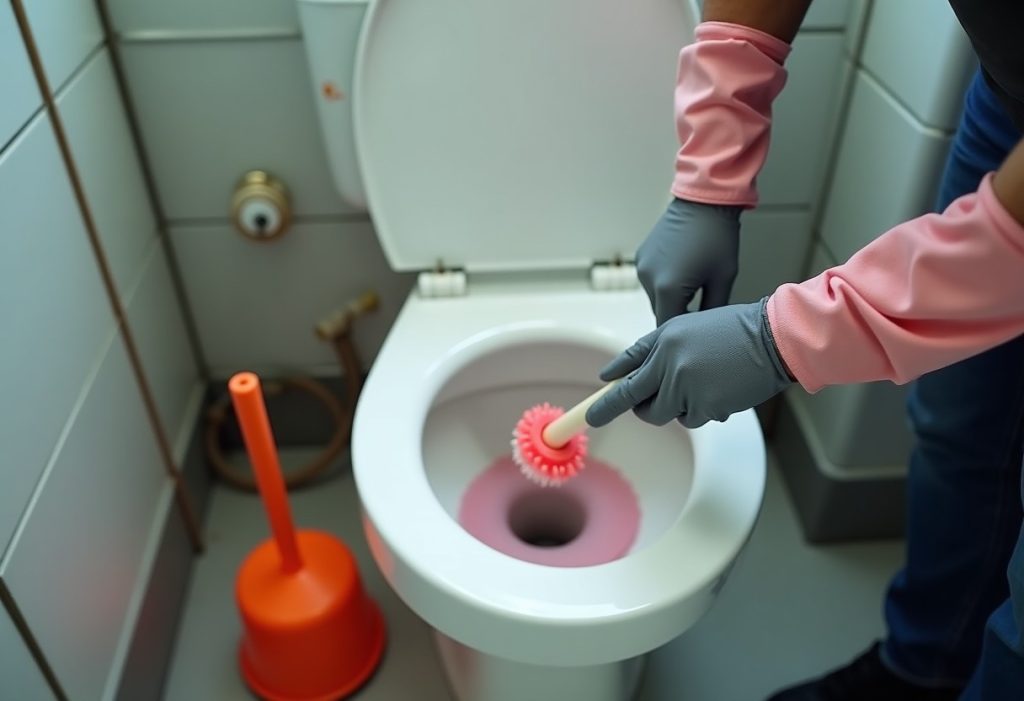
- Flush, then scrub the waterline, the rim underside, and the rim jets with a toilet brush to break up the slime.
- Apply a bleach-based toilet cleaner or a diluted household bleach solution, following the product label for strength.
- Spray or brush it into the rim holes and above the waterline, then leave it for 10 to 20 minutes.
- Scrub again and flush. Wipe the seat hinges and base.
Tank
- Lift the lid and look for pink or slimy film on the walls, the float, and the flapper.
- Pour in 1/4 cup of household bleach, as NDSU Extension suggests, and wait 15 to 20 minutes.
- Flush several times to clear the bleach from the tank and the rim channel.
- Wipe the inside of the lid.
Never mix bleach with ammonia, vinegar, or acid toilet bowl cleaners. Bleach plus ammonia releases chloramine gas, and bleach plus acid releases chlorine gas; product labels warn against both. Bleach that sits in the tank too long attacks rubber parts, and a flapper that warps or hardens can cause a toilet tank that keeps leaking or running.
How do you keep pink mold from coming back in the toilet?
You keep pink mold from coming back by removing its food and water faster than it can grow. That means a weekly bowl clean with a disinfecting cleaner, flushing rarely used toilets every few days, running the exhaust fan during and after showers, and wiping wet surfaces dry. Because the bacteria are airborne, the goal is control, not permanent removal.
- Clean weekly. Thin film comes off far more easily than a thick ring.
- Ventilate. The EPA’s mold guidance recommends keeping indoor humidity below 60%, ideally 30% to 50%. Run the fan during showers and until the mirror clears afterward.
- Dry what stays wet. Squeegee shower walls and wipe the toilet base and sink rim.
- Flush idle toilets. Flush guest and basement toilets every few days so fresh water replaces stale water.
- Rinse soap away. Soap scum is food, so do not leave bars of soap sitting in water.
Should you use chlorine tablets in the tank?
Use in-tank chlorine tablets only if your toilet maker allows them. Kohler’s installation guides carry a direct warning: do not use in-tank cleaners, because products containing chlorine (calcium hypochlorite) can seriously damage fittings in the tank and cause leakage and property damage.
A safer routine is a clip-on cleaner that sits in the bowl, plus a brief bleach treatment of the tank every few months, flushed out after 15 to 20 minutes. Check your manual before buying anything that dissolves in the tank.
How is a pink ring different from black, orange, or white toilet rings?
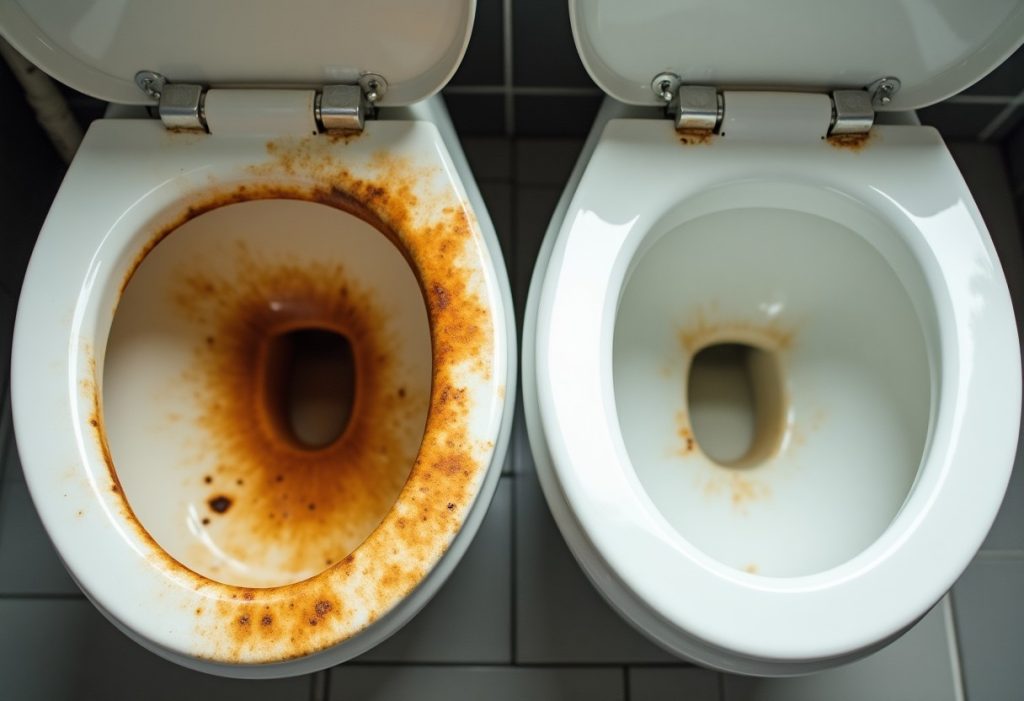
A pink ring is biological and slimy; most other toilet rings come from minerals in the water or from mold. Orange and rust rings usually mean iron, black or dark brown deposits often mean manganese, white crust means hard water, and blue-green stains point to copper. The EPA sets nuisance staining limits for iron at 0.3 mg/L, manganese at 0.05 mg/L, and copper at 1.0 mg/L.
| Ring color | Likely cause | How to tell | Fix |
|---|---|---|---|
| Pink, salmon, or light red | Serratia marcescens bacteria | Slimy, wipes off, returns within days or weeks at the waterline and in shower corners | Scrub, bleach clean 10 to 20 min, treat tank, ventilate |
| Orange or rust brown | Iron in the water, or iron bacteria (common on wells) | Hard stain that does not smear; orange stains in sinks and laundry too | Iron or rust remover made for porcelain; test water; iron filter if above 0.3 mg/L |
| Black or dark brown flecks | Manganese, or manganese-oxidizing bacteria | Black specks or a dark band, often under the rim, with black staining elsewhere | Acid cleaner on its own (never with bleach); test water; treatment if above 0.05 mg/L |
| Gray, green, or black fuzzy spots | Mold or mildew | Raised, spotty patches on the seat, caulk, or above the waterline in a damp room | Scrub, disinfect per label, fix humidity and leaks |
| White or chalky crust | Calcium and magnesium from hard water | Rough scale at the waterline and in rim jets; does not wipe off | Acid descaler or pumice stone; softener for whole-house scale |
| Blue-green | Copper from corroding pipes | Blue-green stain under faucets and at the waterline | Test water; plumber to check pipe corrosion if above 1.0 mg/L |
The EPA’s secondary drinking water standards list reddish or orange staining for iron, black staining for manganese, and blue-green staining for copper. These are staining limits, not health limits. A white crust is a separate issue, and our guide to hard water covers how hardness is measured and when a softener pays off.
Rings can stack: well water can leave an orange iron band with pink film on top. Bleach the film first, flush and rinse, then use an acid mineral remover so the two products never meet.
When should you call a plumber or test your water?
Call a plumber or test your water when the ring is not pink and slimy, when stains show up in several fixtures at once, or when the toilet starts running after a cleaning session. Pink film on its own is a cleaning job. Hard orange, black, or blue-green stains point to the water or the pipes, and a lab test settles it.
- Orange, black, or blue-green stains everywhere. Test for iron, manganese, and copper before buying a filter.
- Pink film that returns within days. Check whether a carbon filter or well supply removed the chlorine, and add a tank treatment to the routine.
- A running toilet after bleach use. The flapper or fill valve seal may be damaged.
How we sourced this
We reviewed the top-ranking pages for “pink mold in toilet,” “pink ring in toilet,” and “is pink mold dangerous” in October 2026, then checked each claim against primary sources. Cited: North Dakota State University Extension (Roxanne Johnson), Gwinnett County Water Resources, CDC National Healthcare Safety Network adult pathogen tables for 2018 to 2021 (Tables 4 and 8), Mahlen’s 2011 review in Clinical Microbiology Reviews, a Kohler installation guide (1346513-2), and EPA secondary and disinfectant standards. Hospital percentages describe hospital infections, not household risk. We excluded unsourced claims about pink mold causing illness in healthy people.
Frequently asked questions
Is pink mold in a toilet dangerous?
For most healthy people it is a cleaning problem, not a health emergency. The pink film is usually Serratia marcescens, a bacterium that North Dakota State University Extension says is not typically a waterborne disease. It can cause pneumonia, wound infections, and urinary tract infections in hospital patients, so households with someone who is immunocompromised, recovering from surgery, or using a catheter should clean it promptly.
What causes a pink ring in the toilet?
A pink ring at the waterline is almost always a colony of Serratia marcescens bacteria. The bacteria drift in on dust and air, then settle where water sits still and where soap, urine, and waste leave phosphate and fatty residue to feed on. Toilets that are used rarely, or that get water with little chlorine left in it, grow the ring fastest.
Why does pink mold keep coming back in my toilet?
Serratia is airborne, so cleaning removes the colony but not the source. It returns when the bowl or tank holds low chlorine water, when the room stays humid, or when the tank itself was never disinfected. Cleaning the bowl, the rim jets, and the tank in the same session, then keeping up a weekly bleach clean, usually breaks the cycle.
Does bleach kill pink mold in the toilet?
Yes. Chlorine bleach is the disinfectant most water utilities recommend for Serratia. Gwinnett County Water Resources advises leaving a strong bleach solution on the surface for 10 to 20 minutes before rinsing. Scrub first to break up the slimy film, because bleach works far better on a clean surface than through a thick biofilm. Never mix bleach with ammonia or acid cleaners.
Why did pink mold show up after I installed a water filter?
Activated carbon filters remove chlorine, and chlorine is what keeps Serratia in check in city water. North Dakota State University Extension notes that a carbon filter on the water line may support the growth of the bacteria. Whole-house carbon filters and private wells both deliver water with no disinfectant residual, so bowls, tanks, and shower walls need more frequent cleaning.
Can pink mold in the toilet come from my water supply?
Usually not. Utilities such as Gwinnett County describe Serratia as an airborne organism found in dust, soil, and feces, and say it is not known to cause waterborne disease in public supplies. The water matters because it controls how much chlorine is left to slow the bacteria, not because it delivers them. A well with no disinfection gives the bacteria an easier start.
Is it safe to put bleach in the toilet tank?
Briefly, yes. North Dakota State University Extension suggests 1/4 cup of bleach in the tank for 15 to 20 minutes, followed by several flushes. Do not leave bleach in the tank, and do not use chlorine drop-in tablets unless your toilet maker allows them. Kohler warns that calcium hypochlorite products can seriously damage tank fittings and cause leaks.
How to get rid of Serratia marcescens in toilet bowl?
Scrub the waterline, rim underside, and rim jets to break up the slime, then apply a bleach based cleaner into the rim holes and above the waterline and leave it 10 to 20 minutes before scrubbing again and flushing. Treat the tank the same session with 1/4 cup bleach for 15 to 20 minutes, then flush several times. Never mix bleach with ammonia or acid cleaners.
What happens if I touch Serratia marcescens?
For most healthy people it is generally low risk and treated as a hygiene issue rather than a health emergency. NDSU Extension says it is not typically a waterborne disease. It is an opportunistic pathogen that has caused pneumonia, wound infections, and urinary tract infections in hospital patients with catheters, IV lines, open wounds, or weak immune systems, so those households should clean it promptly.


