Low-Flow Toilet: Do They Work, and What You Save
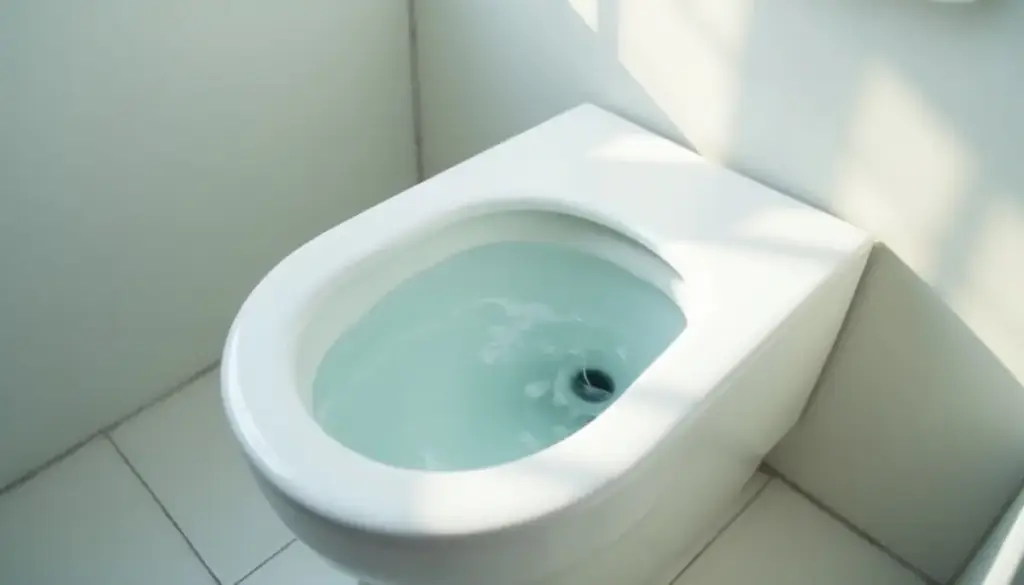
A low flow toilet works as well as an old 3.5 gallon model if it carries a MaP score of 600 grams or more, and a 1.28 gpf unit saves a family of four about 16,200 gallons a year.
Key Takeaways
- Federal rules cap new toilets at 1.6 gallons per flush (gpf) since 1994, and EPA WaterSense labels only models at 1.28 gpf or less, 20 percent below that cap.
- The 1990s clogging reputation was real. A 1999 NAHB Research Center survey drew more than 1,000 responses reporting double flushing, clogs and overflows on early 1.6 gpf toilets.
- MaP Testing rates a MaP PREMIUM toilet at 1.1 gpf or less with a score of at least 600 grams, against a 350 gram pass/fail bar in WaterSense and the ASME/CSA standard.
- EPA says swapping old toilets for WaterSense models saves a typical home nearly 13,000 gallons and more than $170 a year in water costs.
- In the 2012 PERC drainline study, 5 of 16 test runs at 0.8 gpf packed waste into plugs in a 135 foot, 4 inch drain, while 1.28 and 1.6 gpf runs moved in an orderly way.
- Tucson Water pays $100 per MaP PREMIUM toilet rated 1.1 gpf or less, up to 2 per home built before 2011.
What counts as a low flow toilet today?
A low flow toilet is any toilet that uses 1.6 gallons per flush or less, the federal maximum for toilets made since January 1, 1994. Inside that group, a high-efficiency toilet (HET) uses 1.28 gpf or less and can earn the WaterSense label. Ultra high-efficiency models run 1.1, 1.0, 0.9 or 0.8 gpf, and MaP PREMIUM models sit at 1.1 or below.
The 1.6 gpf ceiling came from the Energy Policy Act of 1992 and lives today in 10 CFR 430.32. EPA calls 1.28 gpf a 20 percent cut from that federal standard, and says older toilets used as much as 6 gallons per flush.
The gpf rating is cast or printed on the bowl behind the seat hinge on most post-1994 toilets, often with a liter figure beside it. A 1.28 gpf toilet reads 4.8 Lpf, a 1.1 gpf toilet reads about 4.0 Lpf, and a 0.8 gpf toilet reads 3.0 Lpf.
Are low flow toilets bad, or did early models just clog?
Early low flow toilets earned their bad name, and modern ones mostly have not. When the 1992 law forced 1.6 gpf by 1994, MaP Testing says some makers simply modified 3.5 gallon designs, which led to weak flushes and complaints. Testing at the time was pass/fail, so a buyer could not tell a strong 1.6 gpf bowl from a weak one.
The field data backs that up. A 1999 NAHB Research Center survey drew more than 1,000 responses in its first month from builders, property managers and homeowners, who reported that low flow toilets clogged easily, overflowed often and needed multiple flushes. The same work found most of six tested gravity toilets needed flush-volume calibration, with many running below their rated volume straight out of the carton.
The fix was a better test. In 2002, 22 US and Canadian organizations funded Maximum Performance (MaP) testing, which flushes soybean paste and toilet paper and raises the load until the toilet fails, up to 1,000 grams. The MaP score is the largest mass the toilet clears in one flush.
Which low flow toilet type works best: gravity, pressure-assisted or dual flush?
For most homes a gravity low flow toilet with a high MaP score is the best fit, since it runs on an ordinary flapper and fill valve with no pressure vessel. Pressure-assisted models suit heavy-use bathrooms. Dual flush saves the most only if people actually press the small button. Vacuum-assist and electric models fill out the 0.8 to 1.0 gpf end of the market.
The MaP PREMIUM list shows where the efficient models are. Of the 478 entries we tallied on the June 19, 2026 list, 327 are gravity, 71 pressure-assist, 49 vacuum-assist and 31 electric, and 169 are dual flush. Our guide to every toilet type, from gravity to wall hung covers bowl shape and mounting choices.
| Type | Rated gpf | MaP range | Best for |
|---|---|---|---|
| Gravity, federal standard | 1.6 | 350 g pass/fail (ASME/CSA); MaP tests to 1,000 g | Like-for-like swaps where no rebate applies |
| Gravity, WaterSense HET | 1.28 or less | 350 g minimum; up to 1,000 g | Most homes; check the MaP score before buying |
| Gravity, MaP PREMIUM (TOTO Drake II 1G CST454CUFG, 1.1; Gerber Viper GLF21528, 0.8) | 0.8 to 1.1 | 600 to 1,000 g | Rebate shoppers; quiet bathrooms |
| Pressure-assist (Kohler Highline Pressure Lite K-3519 with Sloan Flushmate, 1.0; American Standard Cadet Pressure-Assist 2462.100, 1.1) | 0.8 to 1.1 on the PREMIUM list | 600 to 1,000 g | Busy family baths, rentals, light commercial |
| Dual flush (Kohler Veil K-1381, 1.0) | Full flush 1.28 or less for PREMIUM | 600 to 1,000 g | Households that will use the reduced button |
| Vacuum-assist (Niagara Stealth N7717 bowl with N7714 tank, 0.8) | 0.7 to 1.1; 40 of 49 listed are 0.8 | 600 to 1,000 g | Buyers targeting 0.8 gpf in a two-piece tank toilet |
Dual flush has a catch. WaterSense rates it by effective volume, one full flush plus two reduced flushes divided by three, which must be 1.28 gpf or less. A household that always hits the full button gets the full volume every time.
How much water and money does a low flow toilet save?
A family of four flushes about 7,300 times a year, so a low flow toilet saves its gpf difference times 7,300. Replacing a 3.5 gpf toilet with a 1.28 gpf model saves 16,206 gallons a year. Moving from 1.6 to 1.28 gpf saves only 2,336 gallons, which is why the payback on a working 1990s toilet is slow.
The flush count comes from the Water Research Foundation’s REU2016 study, summarized by Pumper, which logged five flushes per person per day and an average real-world flush of 2.6 gallons. Four people times 5 flushes is 20 a day, and 20 times 365 is 7,300. Our breakdown of how much water a toilet uses per flush runs the same math for older eras.
Each bar is gpf times 7,300 flushes. Bar lengths scale against the 25,550 gallon top value.
To turn gallons into dollars, we divided EPA’s two figures, $170 saved per 13,000 gallons, which implies about $13.08 per 1,000 gallons of combined water cost. Your own bill may run higher or lower, so swap in your utility’s water plus sewer rate per 1,000 gallons.
| Swap (family of 4) | Gallons saved a year | Dollars a year at $13.08 per 1,000 gal |
|---|---|---|
| 3.5 gpf to 1.28 gpf | 16,206 | $212 |
| 3.5 gpf to 1.1 gpf | 17,520 | $229 |
| 1.6 gpf to 1.28 gpf | 2,336 | $31 |
| 1.6 gpf to 1.1 gpf | 3,650 | $48 |
| 1.6 gpf to 0.8 gpf | 5,840 | $76 |
Can old cast iron drain lines handle a low flow toilet?
A 1.28 gpf toilet is generally fine in an older home’s drains, while 0.8 gpf deserves more caution where the toilet sits at the end of a long horizontal run. That is the practical reading of the Plumbing Efficiency Research Coalition’s drainline study, the main lab test of how far low flushes carry waste down a building drain.
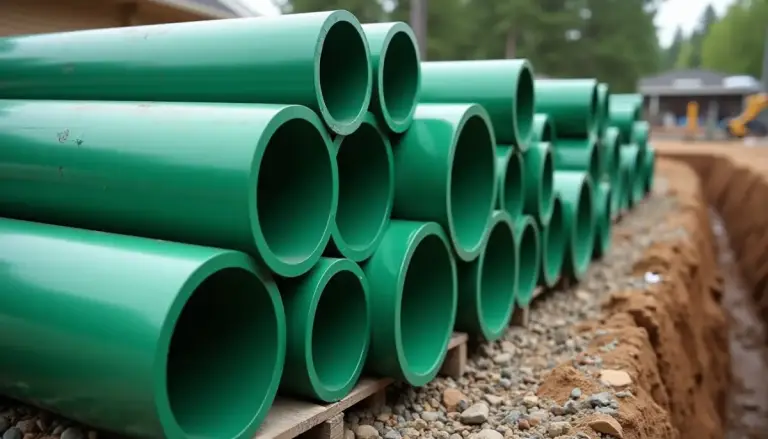
PERC built a 135 foot run of 4 inch clear PVC at 1 and 2 percent slopes and fired 100-flush sequences through it. Its November 2012 Phase One report found that slope, toilet paper and flush volume all mattered. At 0.8 gpf, 5 of 16 runs packed waste into full-pipe plugs, which later cleared on their own. The 1.28 and 1.6 gpf runs moved in an orderly, predictable way.
The study used smooth plastic, not cast iron. PERC itself noted that cast iron grows rougher with age from oxides, biofilm and congealed grease, and listed that as untested. For retrofits it advised inspecting the drainline first for defects, root intrusion and sags. MaP Testing’s PREMIUM list adds its own caution that these toilets suit homes where washers, showers and sinks add water to the same drain near the toilet.
- Find where the toilet’s drain joins the main. A toilet on a short branch next to a tub or washer has plenty of follow-up flow.
- If the toilet sits at the far end of a long horizontal run with nothing upstream, lean toward 1.1 to 1.28 gpf instead of 0.8.
- In a cast iron house with past backups, have the line camera-inspected for sags, roots and scale before buying a 0.8 gpf model.
Why does my low flow toilet keep clogging?
Low flow toilet clogging usually traces to one of four causes: a low MaP score, a tank that delivers less than its rated volume, heavy toilet paper, or a partial blockage downstream. The first two are toilet problems and the last two are paper or drain problems, so check them in that order before you blame the gpf rating.
- Low MaP score. A bowl that just clears the 350 gram pass/fail bar has far less margin than one rated 600 to 1,000 grams.
- Short flush. The NAHB Research Center found many gravity toilets ran below rated volume out of the carton. Set the tank water to the fill line molded inside the tank.
- Toilet paper. PERC found toilet paper was a significant drainline variable, with higher wet strength paper traveling shorter distances in its tests.
- Drain line. If the toilet plunges clear but clogs again within days, the problem is often past the trap.
Our step-by-step guide on why a toilet keeps clogging walks through the trapway, vent and main line checks.
How do you choose a low flow toilet by MaP score?
Choose a low flow toilet with a MaP score of at least 600 grams, the MaP PREMIUM floor, and treat anything near the 350 gram WaterSense minimum as a budget compromise. Then match gpf to your drain layout, and confirm the rough-in. Every model on MaP’s PREMIUM list already meets WaterSense, 600 grams and 1.1 gpf or less.
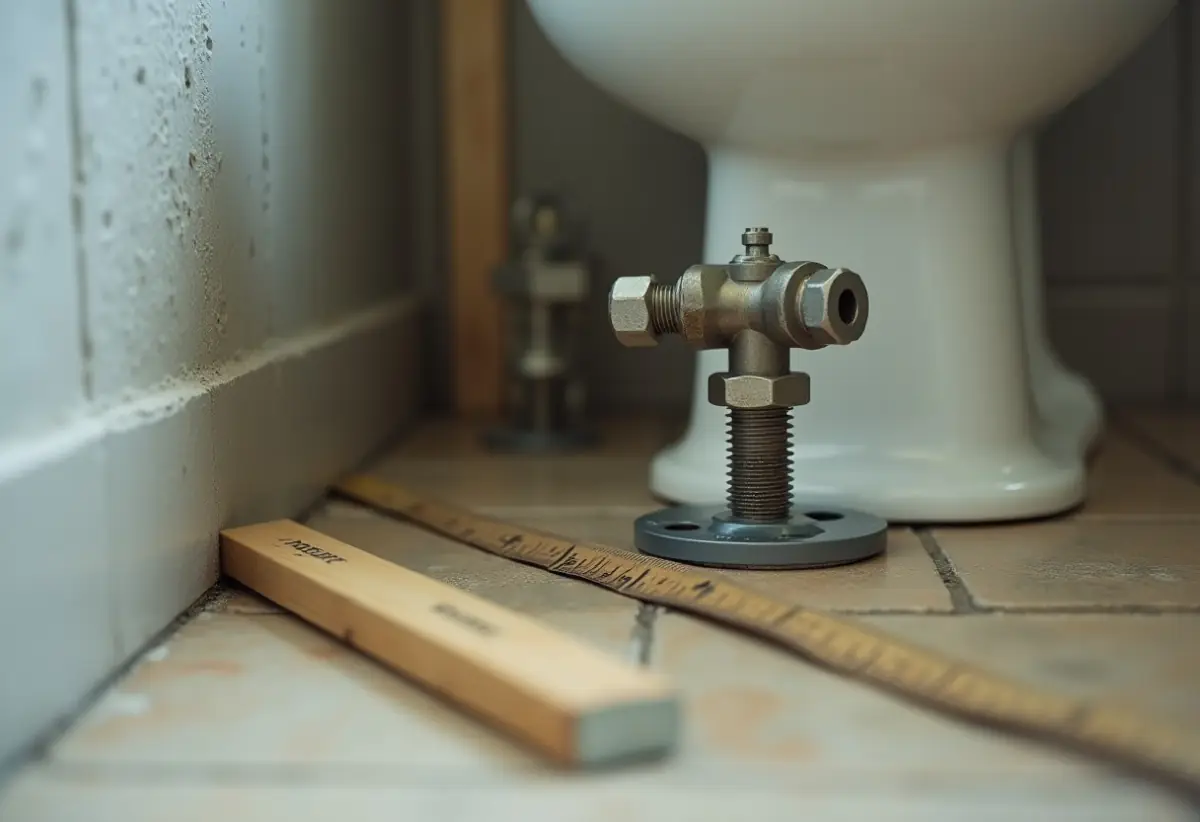
- Measure the rough-in from the finished wall to the center of the closet bolts. Most PREMIUM entries are 12 inch; some are 10 inch, such as the Gerber Viper GLF-20-500 (1.0 gpf) and Niagara Stealth N772614R (0.8 gpf).
- Download the current list from MaP Testing and filter by bowl shape, height and gravity or pressure-assist.
- Check your utility’s rebate rules before you buy, since some require a specific gpf or the PREMIUM list.
Are there rebates for low flow toilets?
Yes, many water utilities pay rebates, and most now require a WaterSense or MaP PREMIUM model rather than any low flow toilet. Amounts, caps and deadlines vary by utility, so check your own provider. Tucson Water is a typical example with clear rules.
Tucson Water’s rebate pays $100 per MaP PREMIUM toilet rated 1.1 gpf or less (dual flush up to 1.28), for single-family homes built before 2011. The old toilet must use more than 1.1 gpf, the limit is 2 per property, and the application is due within 1 year of purchase. Factor the rebate into the full cost to install a toilet, including labor and parts.
How we sourced this
We consulted 14 sources and cited 9: the EPA WaterSense residential toilets page, 10 CFR 430.32, MaP Testing’s background and PREMIUM pages, the June 19, 2026 MaP PREMIUM list (our own tally of 478 parsed rows by type and gpf), the PERC Phase One drainline report (November 2012), a 1999 NAHB Research Center survey report, a Pumper summary of REU2016, and Tucson Water’s rebate page. Dollar savings use a rate implied by EPA’s own figures, not a measured bill. We excluded retailer reviews and unverified MaP scores for individual models.
Frequently asked questions
Do low flow toilets clog more?
Early 1.6 gpf models did, and a 1999 NAHB Research Center survey with more than 1,000 responses recorded frequent clogs and double flushing. Modern models tested by MaP Testing clear far more. A MaP PREMIUM toilet must remove at least 600 grams in one flush at 1.1 gpf or less, well above the 350 gram pass/fail bar that WaterSense uses.
Is 1.28 gpf better than 1.6 gpf?
For most homes, yes. A 1.28 gpf WaterSense toilet uses 20 percent less water than the 1.6 gpf federal standard, about 2,336 gallons a year less for a family of four. In the PERC drainline study, 1.28 and 1.6 gpf flushes both moved waste in an orderly way, so the lower volume did not hurt drain carry.
What is a good MaP score for a toilet?
Aim for 600 grams or higher, the MaP PREMIUM minimum. MaP Testing tests toilets to failure up to 1,000 grams, using soybean paste and toilet paper. WaterSense and the ASME/CSA standard only check that a toilet passes at 350 grams, so a score near that bar leaves little margin for heavy use.
How much money does a low flow toilet save per year?
EPA says the average family saves more than $170 a year in water costs and nearly 13,000 gallons by replacing old toilets with WaterSense models. Swapping a 3.5 gpf toilet for a 1.28 gpf model saves a family of four about 16,206 gallons, roughly $212 a year at the rate implied by EPA figures.
Are 0.8 gpf toilets a good idea in an old house?
They can be, if the toilet drains into a short branch with showers, sinks or a washer nearby. In PERC’s 2012 lab study, 5 of 16 runs at 0.8 gpf formed plugs in a 135 foot drain. In an old cast iron house with past backups, a camera inspection first and a 1.1 to 1.28 gpf model are the safer path.
Are low flow toilets required by law?
Yes. Federal rules in 10 CFR 430.32 cap toilets made after January 1, 1994 at 1.6 gallons per flush, under the Energy Policy Act of 1992. Some states set tighter rules, and California keeps its own Energy Commission list of approved models, so check your state code before buying online.
Do pressure-assisted toilets clog less?
They often flush harder, and the 1999 NAHB Research Center tests found the most efficient toilet tested to that date was a pressure-assisted model. Today 71 of the 478 entries we tallied on the MaP PREMIUM list are pressure-assist, such as the Kohler Highline Pressure Lite K-3519, which runs at 1.0 gpf with a Sloan Flushmate inside.