How to Unclog a Bathroom Sink (7 Fixes, Easiest First)
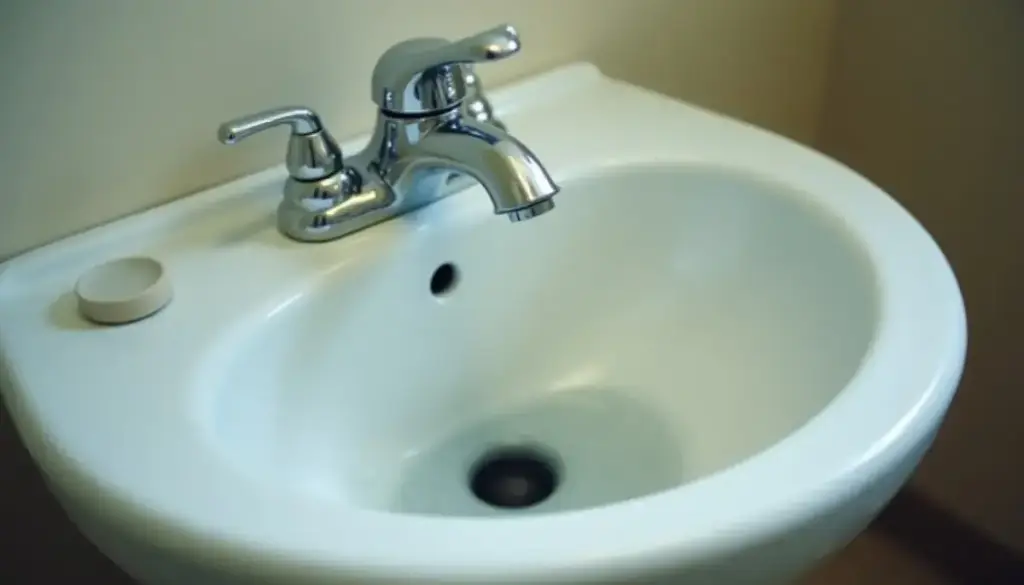
How to unclog a bathroom sink: pull and clean the pop-up stopper first, because most clogs are hair, soap scum, and toothpaste matted within a few inches of the drain opening.
Key Takeaways
- Work from the top down (stopper, barbed strip, overflow, plunger, P-trap, hand auger) and leave chemicals for last, given the skin and eye burns MedlinePlus links to drain openers.
- A plumber charges $100 to $275 to clear a basic sink clog, according to HomeGuide, while Angi puts DIY supplies at $25 or less.
- The Zip-It barbed strip is 20 inches long with 18 inches of barbs, and its maker says a slow sink takes 10 minutes or less to fix with it.
- Bathroom sinks drain through a 1-1/4 inch trap, the minimum the International Plumbing Code (IPC) sets for a lavatory in Table 709.1.
- Seal the overflow hole with a wet rag before plunging, or the plunger just pushes air out the overflow instead of pressure into the clog.
- MedlinePlus warns that drain openers containing lye, sulfuric acid, or hydrochloric acid can burn skin and eyes; flush any splash with water for at least 15 minutes and call Poison Help at 1-800-222-1222.
Why is my bathroom sink draining slowly?
A bathroom sink drains slowly because hair catches on the pop-up stopper and the pivot rod, then soap scum, toothpaste, and shaving cream glue it into a mat. That mat usually sits within the first six inches of the drain. Unlike a kitchen sink, grease and food are rarely the cause, so the fix is mostly mechanical removal, not dissolving.
How do you unclog a bathroom sink, in order of effort?
To unclog a bathroom sink, start with the stopper and stop as soon as water runs free. Each step below costs a little more time or mess than the one before it, and the first two go straight at the hair mat near the opening. Skip chemicals until the mechanical steps fail, because a basin of caustic water makes every later step riskier.
- Pull and clean the stopper.
- Run a plastic barbed strip.
- Clear the overflow hole.
- Plunge with the overflow sealed.
- Remove and clean the P-trap.
- Auger the trap arm.
- Call a plumber for a shared branch or main line.
Match the symptom to the likely spot before you start. The table below is our field guide; the times are our estimates for a homeowner with basic tools.
| Symptom | Likely clog location | Fix | Typical time |
|---|---|---|---|
| Slow drain, hair visible at the opening | Pop-up stopper and pivot rod | Pull and clean the stopper | 5 to 10 min |
| Slow drain, stopper already clean | Tailpiece, first 6 to 12 inches | Zip-It or similar barbed strip | 10 min (maker’s claim) |
| Sour smell from the overflow hole | Overflow channel | Bottle brush plus hot water flush | 10 min |
| Standing water, stopper and strip did nothing | Tailpiece or trap | Plunge with the overflow sealed | 10 to 15 min |
| Plunging moves water but it comes back | P-trap (1-1/4 inch) | Remove, empty, and rinse the trap | 20 to 30 min |
| Trap is clean, sink still slow | Trap arm inside the wall | Hand auger through the trap arm | 30 to 45 min |
| Both vanity sinks slow, or tub gurgles | Shared branch or vent | Plumber with a drum machine | Pro visit |
This guide covers the bathroom lavatory only. For kitchen sinks, tubs, and floor drains, see our broader guide on how to unclog a drain by fixture type.
How do you clean the stopper and use a Zip-It tool?
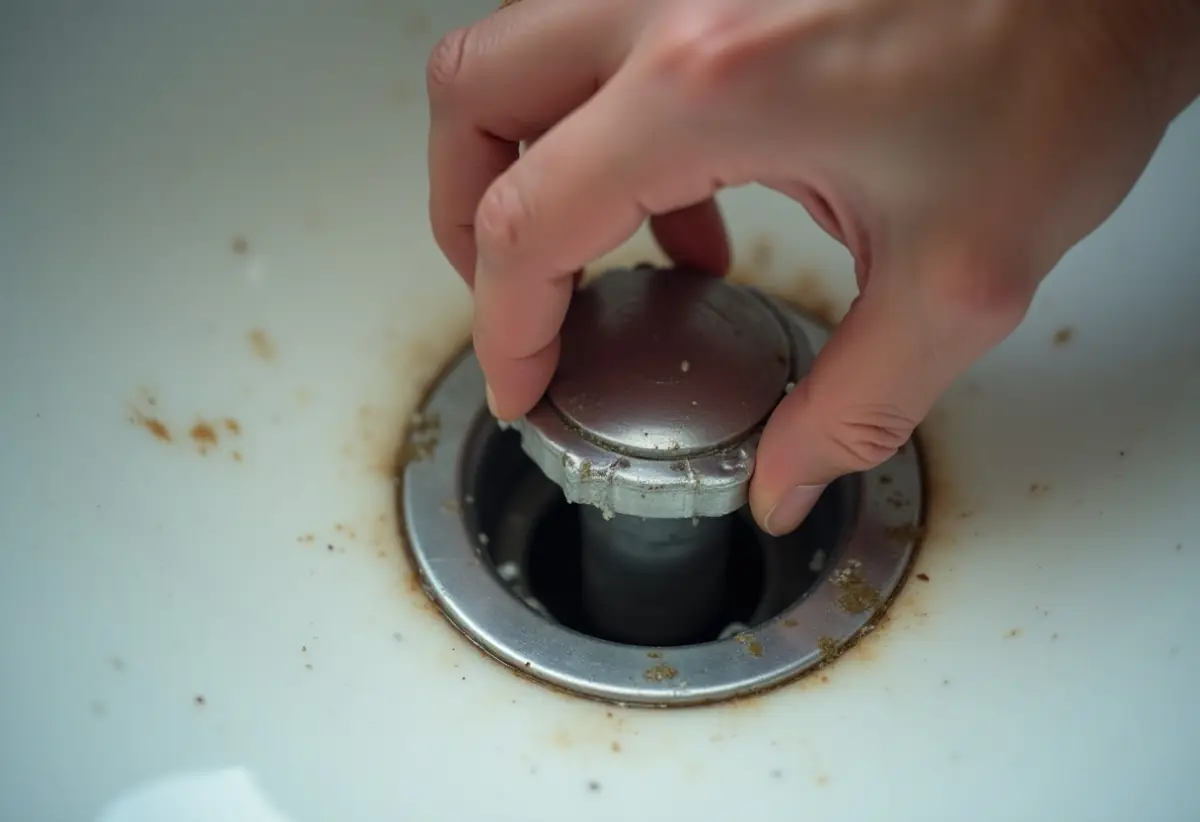
Lift the stopper straight up, or loosen the pivot nut behind the drain under the sink and slide the rod back so the stopper comes free. Wipe off the hair, scrub the slime with an old toothbrush, and reinstall. If yours will not budge, our step-by-step on how to remove a sink stopper of every type covers pop-up, push-button, and lift-and-turn styles.
When the stopper is clean and the sink is still slow, use a plastic barbed strip. The Zip-It, invented by Gene Luoma of Duluth, Minnesota, is 20 inches long with 18 inches of barbed length, and its maker says a slow sink takes 10 minutes or less to fix with it.
- Remove the stopper, or open it all the way if it is the fixed type.
- Run the tap slowly so you can see when the water starts to move.
- Push the strip down as far as it goes, twist it a half turn, and pull it up slowly.
- Wipe the hair off with a paper towel and repeat until the strip comes up clean.
How do you unclog a bathroom sink with standing water?
To unclog a bathroom sink with standing water, bail the basin down to about an inch, clear the stopper, then plunge with the overflow sealed. Leave enough water to cover the plunger lip. If plunging fails after three or four rounds, the clog is in the trap or deeper.
Use a flat cup plunger, not the flanged toilet type, because the flange will not seal on a shallow basin. The overflow matters more than most people think. Most bathroom sinks have an overflow hole that joins the drain just below the stopper, and an open overflow vents every push of the plunger straight back into the basin.
- Remove the stopper so it cannot block the stroke.
- Stuff a wet rag tightly into the overflow hole and hold it there.
- Seat the plunger over the drain and work it 15 to 20 firm strokes, pulling up as hard as you push down.
- Lift off and watch the water. Repeat two or three times before moving to the trap.
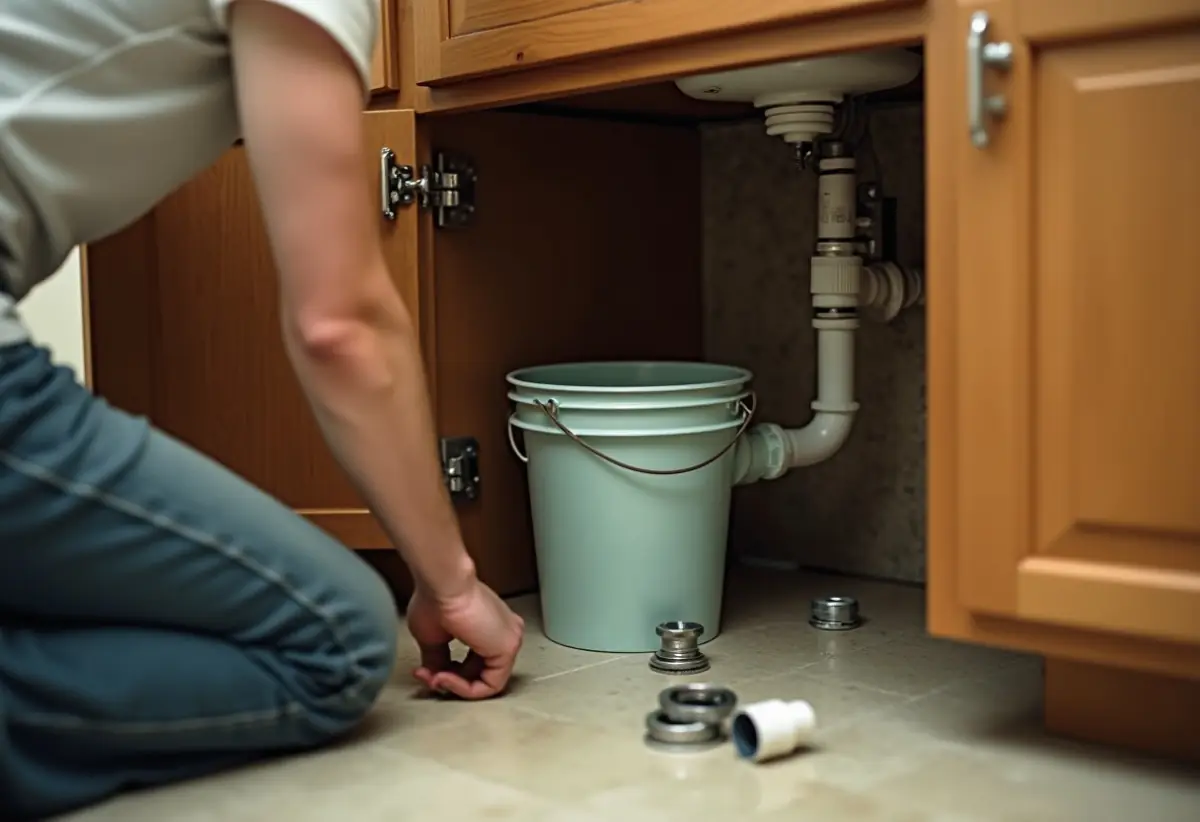
How do you remove and clean the P-trap?
Put a bucket under the sink, loosen the two slip nuts that hold the curved trap, and pull it down. A bathroom sink uses a 1-1/4 inch trap, the minimum lavatory size in IPC Table 709.1, and most are plastic with hand-tight nuts. Empty it, rinse it in another sink, and look into both open pipe ends.
The trap holds a plug of water that keeps sewer gas out of the room; IPC Section 1002.4 requires that seal to be between 2 and 4 inches deep. Our explainer on the P-trap and how it seals covers sizes, S-traps, and why a dry trap smells.
- Clear the cabinet and set a bucket under the trap.
- Loosen the slip nut on the tailpiece side, then the one at the trap arm, by hand or with slip-joint pliers.
- Drop the trap, dump it, and push a bottle brush through it.
- Check the tailpiece and trap arm openings with a flashlight and pull out any hair.
- Reinstall with the beveled side of each washer facing the joint, hand tighten, then add a quarter turn.
- Run the tap and check both nuts for drips.
When do you need an auger, and when is the clog in the wall?
Reach for a hand auger when the trap comes out clean but the sink stays slow, which puts the clog in the trap arm or the pipe inside the wall. Feed a 1/4 inch cable into the trap arm, not down through the drain opening, because the stopper and tailpiece fight the cable. Crank clockwise until it breaks through, then pull back slowly.
IPC Table 909.1 limits a 1-1/4 inch trap arm to 5 feet from the vent, so the cable usually reaches the sanitary tee within a few feet. Feel for the tee, keep cranking through it, and run 10 to 15 feet past it before you pull back.
Some clogs are not in your sink at all. These signs point past the wall:
- Both sinks in a double vanity drain slowly. They usually share a branch, so the clog is downstream of where they join.
- The tub gurgles or backs up when the sink drains. The sink and tub may share a branch, or the vent may be blocked.
- Several fixtures on different floors are slow. That points to the main line, which is a job for a pro with a drum machine.
Is chemical drain cleaner safe for a bathroom sink?
Chemical drain cleaner works on some bathroom sink clogs, but it carries real burn risk and often fails on dense hair mats. MedlinePlus, the National Library of Medicine’s health site, lists lye, potassium hydroxide, sulfuric acid, and hydrochloric acid as the poisonous ingredients in drain openers, and warns of burns to skin and eyes.
If you use one, follow the label to the letter. Drano’s bathroom directions call for 16 oz of Max Gel (32 oz for stubborn clogs), a 15 to 30 minute wait, and a hot-water flush. Wear gloves and eye protection, never mix products, and never plunge or open the trap with a cleaner still in the line.
- Splash on skin or in eyes. MedlinePlus says to flush with plenty of water for at least 15 minutes.
- Swallowed or inhaled. Call 911 or Poison Help at 1-800-222-1222, which reaches your local poison center from anywhere in the US.
- Tell the plumber exactly what you poured before anyone opens the trap.
A gentler option for a mild slowdown is the fizzing kitchen-cupboard method; our test of baking soda and vinegar for drains explains where it helps and why it rarely breaks up a true hair clog.
How do you keep a bathroom sink from clogging again?
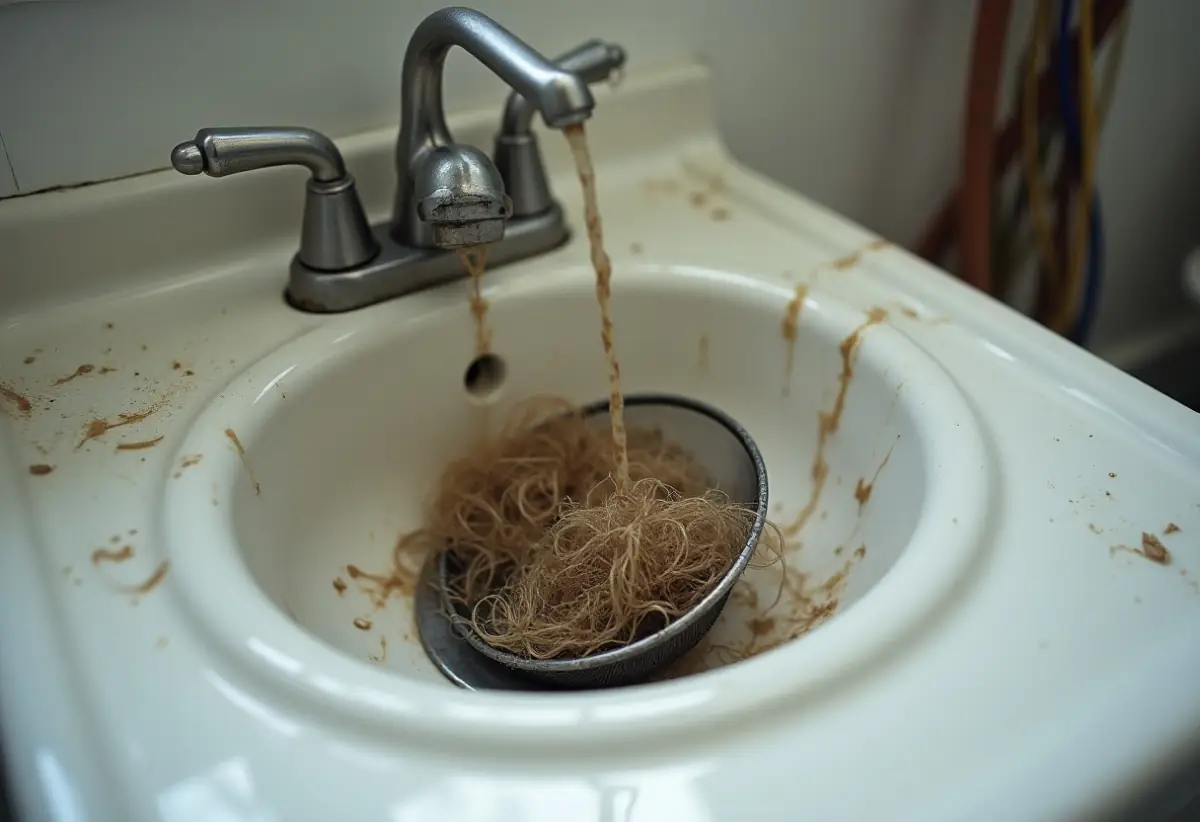
Keep a bathroom sink from clogging again by catching hair before it goes down and flushing the drain on a schedule. A hair catcher that sits over or replaces the pop-up stopper costs a few dollars and stops most of the problem. A monthly flush with hot tap water keeps soap scum from hardening on the tailpiece walls.
- Fit a hair catcher and empty it every few days in a sink where people brush or shave.
- Pull the stopper every few months and wipe it off, even before the sink slows.
- Run hot tap water for a minute once a month after the sink has been used for shaving or toothpaste. Avoid boiling water on plastic pipe and porcelain basins.
- Wipe out toothpaste and shaving cream rather than rinsing globs down; both bind hair into a mat.
When should you call a plumber, and what does it cost?
Call a plumber when the hand auger cannot clear the line, when both vanity sinks or the tub are slow together, or when water backs up into another fixture. HomeGuide prices a basic sink, tub, or toilet clog at $100 to $275, and Angi puts a bathroom sink call at about $250 on average.
Costs rise when the clog is in a shared branch or the main line; HomeGuide lists $175 to $600 when multiple fixtures or the main line need cleaning. Renting a drum machine yourself runs $30 to $80 a day, per HomeGuide, but a sink branch rarely needs that much machine. Angi reports a national drain cleaning average of $246, with most jobs between $147 and $352.
How we sourced this
We reviewed the top-ranking how-to pages and People Also Ask questions for “how to unclog a bathroom sink” and its standing-water and no-chemical variants in October 2026. Costs come from HomeGuide and Angi cost guides; trap size, trap seal depth, and trap arm length come from the 2021 International Plumbing Code; safety guidance comes from MedlinePlus (National Library of Medicine); product directions come from Drano and the Zip-It maker. Task times in the table are our editorial estimates, not sourced figures. Costs are national ranges and vary by region. Forum posts were excluded as cost sources.
Frequently asked questions
What is the easiest way to unclog a bathroom sink?
Pull the pop-up stopper and wipe off the hair and slime wrapped around its tail. That single step clears a large share of slow bathroom sinks because the clog sits right at the opening. If water still drains slowly, run a plastic barbed strip like a Zip-It down the drain and pull it up slowly. Both steps cost a few dollars and take about ten minutes.
Why is my bathroom sink draining slowly but not clogged?
A sink that drains slowly without fully stopping usually has a partial mat of hair and soap scum on the stopper or in the tailpiece, which narrows the opening without sealing it. A stopper set too low on the lift rod does the same thing. If both sinks in a double vanity are slow, or the tub gurgles, the problem is likely in the shared branch or the vent.
How do you unclog a bathroom sink with standing water?
Bail the basin down to an inch or two with a cup, then lift out or free the stopper and clear the hair you can reach. If water still sits, plug the overflow hole with a wet rag and plunge with a flat cup plunger. Still stuck after a few tries, put a bucket under the P-trap and remove it to clean it out.
Can I pour Drano in a sink with standing water?
It is a poor idea. Standing water dilutes the product, and if it fails you are left with a basin of caustic water you should not plunge or open the trap under. MedlinePlus lists burns to the skin and eyes among the injuries drain openers cause. Bail the water out and try the stopper, a barbed strip, and the plunger before any chemical.
Does Dawn dish soap unclog drains?
Dish soap helps with grease, which is mostly a kitchen problem. A bathroom sink clog is mostly hair bound together with soap scum and toothpaste, and detergent does little to a hair mat. A squirt of soap followed by hot tap water can loosen a light film, but pulling the stopper or using a barbed strip removes the hair that actually holds the clog together.
What do plumbers use instead of Drano?
Plumbers clear bathroom sinks mechanically. They pull the stopper, remove the 1-1/4 inch trap, and run a hand auger or small drum machine through the trap arm into the wall. Mechanical cleaning removes the hair instead of partly dissolving it, and it avoids the burn risk that MedlinePlus describes for lye and acid drain openers. Many techs also prefer to work on drains free of chemicals.
How much does a plumber charge to unclog a bathroom sink?
HomeGuide puts a basic sink, tub, or toilet clog at $100 to $275, and Angi pegs a bathroom sink call at around $250 on average. Expect more for after-hours service or when the clog sits past the trap in a shared branch. HomeGuide lists $175 to $600 when multiple fixtures or the main line need cleaning, so describe every slow drain when you call.