Hot Water Recirculation Pump: How It Works, Systems, and Cost
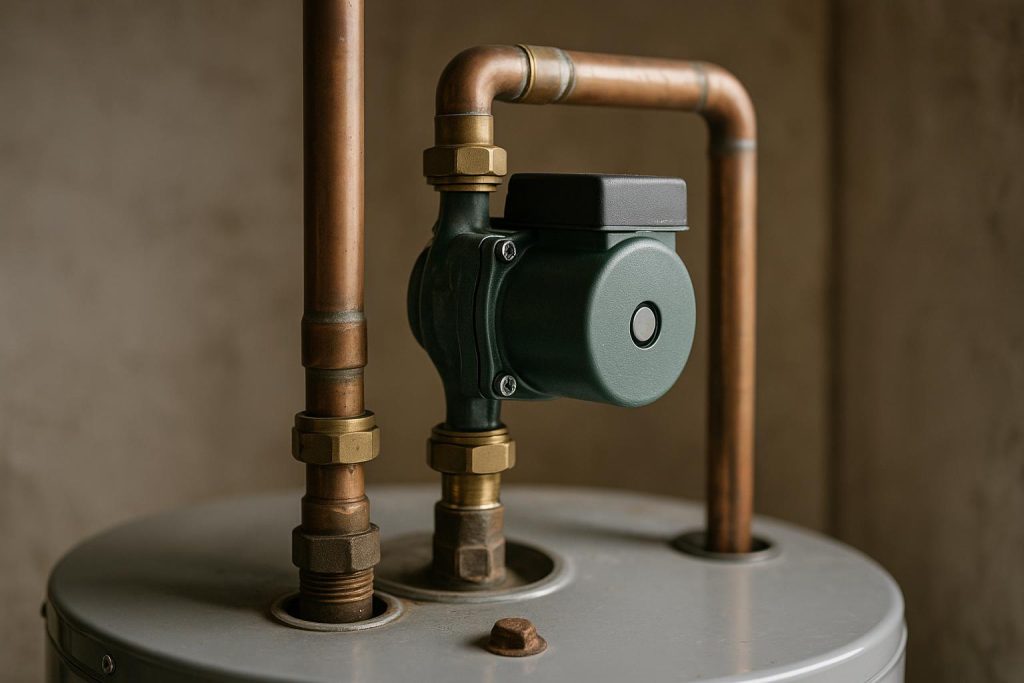
A hot water recirculation pump delivers near-instant hot water by keeping it moving in a loop, which cuts the wait at the tap and the water you pour down the drain while it warms up.
Key Takeaways
- A recirculation pump circulates hot water so it is ready at the fixture, cutting the wait from a minute or more to a few seconds.
- The EPA WaterSense program estimates the average home wastes more than 3,650 gallons a year waiting for hot water (EPA WaterSense).
- Two systems dominate: a dedicated return line (best, needs its own pipe) and a comfort or crossover valve retrofit that reuses the cold line.
- A pump running around the clock reheats the loop and adds standby loss; DOE research ties continuous recirculation to hundreds of kWh a year (ORNL for DOE).
- Controls fix the energy trade-off: on-demand buttons use the least energy, timers are a strong middle ground, continuous is the costliest (PNNL / EPA).
- Pumps commonly cost $150 to $400, plus install; modern comfort pumps draw as little as 7 to 25 watts when running (Grundfos).
- Pairing one with a tankless heater needs a compatible unit; a basic pump can short-cycle a standard tankless.
What does a hot water recirculation pump do?
A hot water recirculation pump keeps heated water moving through your pipes so it is already hot, or close to it, the moment you open a tap. Normally the water sitting in the hot line cools between uses, and you run the faucet until fresh hot water arrives from the heater. The pump circulates that cooled water back to be reheated instead, so the wait nearly disappears.
The benefit is two-sided: less time standing at the sink, and far less clean water sent down the drain unused. It does not change how your heater makes hot water; for that mechanism see our explainer on how a water heater works. The pump only manages delivery, moving existing hot water to where you need it faster.
What are the two main recirculation systems?
Two designs cover almost every install: a dedicated return line and a comfort or crossover valve retrofit. The first runs a separate pipe from the farthest fixture back to the water heater, forming a true closed loop. The second skips that pipe and pushes water through a valve under the far sink into the existing cold water line.
A dedicated loop is the better performer because cooled water never mixes into your cold supply, so the cold tap stays cold. It is the standard in new construction, where running the return pipe is simple. Retrofitting that pipe into a finished home is where cost climbs, which is why the crossover valve exists.
The comfort valve retrofit trades some performance for an easy install. Because it borrows the cold line as its return path, the cold water at that fixture can run lukewarm for a few seconds after the pump runs. For many homes that is a fair trade for avoiding the expense of new piping.
| System type | Needs a return line? | Install effort | Water saved | Energy use | Best for |
|---|---|---|---|---|---|
| Dedicated return line | Yes, a separate pipe | High (easy in new build, hard retrofit) | Highest, cold line stays cold | Low to moderate with a timer or sensor | New construction or a full remodel |
| Comfort (crossover) valve retrofit | No, reuses the cold line | Low, mounts at the heater and far sink | High, but some mixes into the cold line | Moderate, warms the cold line slightly | Existing homes avoiding new piping |
| On-demand (button or sensor) | Works with either layout | Low to moderate, adds a trigger | High, runs only for the draw you want | Lowest, pump runs seconds per use | Savings-focused homeowners |
| Timer-controlled | Works with either layout | Low, set the clock windows | High during active windows | Moderate, idles outside set hours | Predictable morning and evening peaks |
How do the controls work: timer, aquastat, or on-demand?
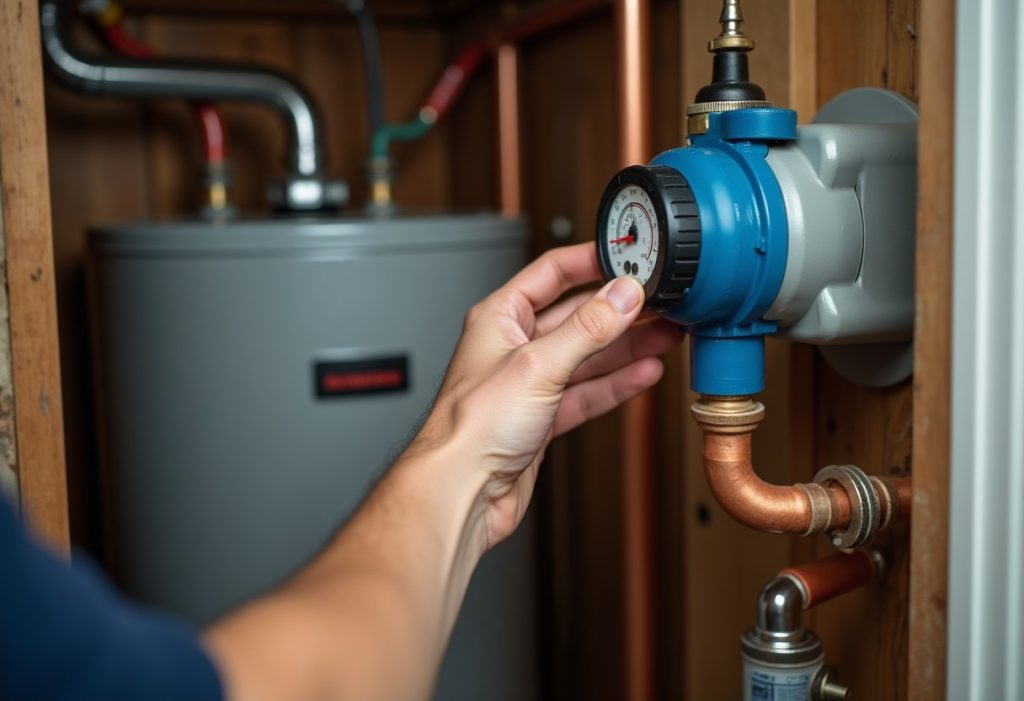
Controls decide when the recirculation pump runs, and they are the single biggest factor in the energy bill. The three common options are a timer, an aquastat, and an on-demand trigger. Each limits how often the pump reheats the loop, which is where a continuously running pump wastes the most.
A timer runs the pump only during set windows, such as mornings and evenings when hot water gets used. An aquastat (temperature sensor) switches the pump off once the loop reaches a target temperature and back on when it cools, so it is not pushing already-hot water. Many pumps combine a timer with an aquastat.
On-demand is the most efficient. You press a button, or a motion sensor detects you entering the bathroom, and the pump runs for a single draw then stops. The EPA WaterSense program favors demand-initiated controls, and its credited systems must be triggered on demand rather than running on a timer or sensor alone (PNNL / EPA). The tradeoff is a short wait while the pump primes the line.
Does a hot water recirculation pump waste energy?
It can, and this is the honest catch. A recirculation pump saves water, but keeping the loop hot costs energy two ways: the pump motor itself, and the heat the pipes shed while circulating, which the water heater has to replace. A pump left running around the clock is the worst case for both.
DOE-affiliated research from Oak Ridge National Laboratory estimates continuous recirculation can add hundreds of kilowatt-hours a year in standby and pumping energy, and separate DOE figures put the energy to treat and pump water later wasted at 800 to 1,600 kWh per household (ORNL for DOE). So the water you save is real, but running a pump nonstop can hand some of that benefit back as higher heating costs.
Controls close most of that gap. Studies of demand-initiated systems find on-demand operation can cut a pump’s electricity use by roughly 90 percent versus continuous running, because the pump runs for seconds instead of hours. Insulating the hot pipes helps too, since less heat lost means less reheating. The takeaway: a timer or on-demand control is what makes a recirculation pump a net win rather than a wash.
Can you use a recirculation pump with a tankless water heater?
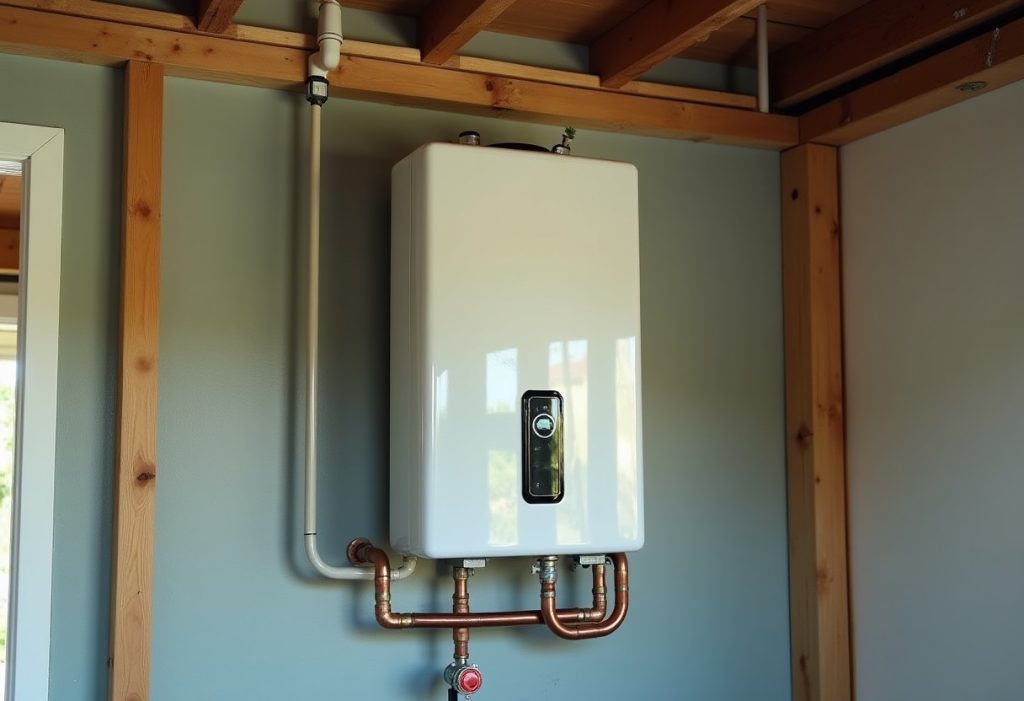
Yes, but only with a compatible setup. A standard tankless heater needs a minimum flow rate to fire, and the trickle a recirculation loop creates can be too small to trigger it, or it can make the unit switch on and off rapidly. That short cycling wears the heater and defeats the point.
The clean solution is a tankless model built for recirculation, which includes a small buffer tank and an internal pump, or an external pump the manufacturer approves for that unit. If you are weighing systems in the first place, our comparison of a tankless vs tank water heater covers where each fits before you add recirculation on top.
If your hot water problem is no heat at all rather than a slow arrival, a pump is not the fix. Work through our guide to no hot water first, since a recirculation pump only moves hot water that the heater is already making.
How much does a hot water recirculation pump cost to buy, install, and run?
Expect three cost layers: the pump, the install, and the ongoing energy. The pump itself commonly runs $150 to $400, with comfort or crossover kits at the lower end and dedicated-loop pumps and smart on-demand models higher. Modern comfort pumps draw as little as 7 to 25 watts while running, which keeps the pump’s own power cost small (Grundfos).
Installation is where the two systems split. A comfort valve retrofit is often a one to two hour job, so professional install may add $200 to $600. A dedicated return line in a finished home means opening walls and running pipe, which can push total cost well past $1,000 depending on the layout and access.
Running cost is almost entirely about the controls, not the pump. On-demand or a tight timer can cost only a few dollars a year, while continuous operation adds both pump power and the heater energy to keep reheating the loop. That is the lever that decides whether the system pays for itself. Checking the pump and crossover valve belongs in your home plumbing maintenance checklist so a stuck valve does not quietly waste energy for years.
How we sourced this
Water-waste figures come from the EPA WaterSense hot water distribution guide (average home over 3,650 gallons a year; the 0.5 gallon stored-water credit threshold) and from DOE-cited studies reporting higher per-household estimates up to roughly 12,000 gallons. Energy figures and the on-demand versus continuous comparison draw on Oak Ridge National Laboratory research performed for DOE and on PNNL Building America guidance referencing the EPA WaterSense demand-initiated requirement. Pump wattage and the crossover-valve mechanism are from Grundfos Comfort product literature. Cost ranges are 2026 US pump pricing and typical installed figures; labor varies widely by region and by whether a dedicated return line must be run. We did not rely on contractor marketing for any energy or water figure, and we present the energy trade-off rather than only the savings. Local codes and water heater compatibility vary, so confirm with a licensed plumber and your manufacturer before buying.
Frequently asked questions
What does a hot water recirculation pump do?
A hot water recirculation pump keeps hot water moving in a loop so it is already at or near the tap when you open it. It pulls water from the heater through the hot pipes and sends the cooled water back to be reheated, instead of letting it sit and go cold. The payoff is almost no wait and far less water poured down the drain while you stand there.
What is the difference between a dedicated loop and a comfort valve system?
A dedicated loop has a separate return pipe running from the farthest fixture back to the water heater, so cooled water never enters the cold line. A comfort or crossover valve system skips that pipe and instead sends water through a valve under the far sink into the existing cold line. The dedicated loop performs better but needs the return pipe installed, which is easy in new construction and costly to retrofit.
Does a hot water recirculation pump waste energy?
It can. A pump that runs around the clock keeps reheating the loop and adds standby heat loss, which DOE research ties to hundreds of kilowatt-hours a year. The fix is control: a timer that runs the pump only during busy hours, or an on-demand button that runs it for one draw. On-demand uses the least energy and still cuts the water wasted at the tap.
Can you use a recirculation pump with a tankless water heater?
Yes, but check compatibility first. Many tankless units will not fire for the tiny flow a recirculation loop creates unless they are built for it, so look for a tankless model with a built-in recirculation pump and buffer tank or an approved external pump. Running a basic crossover pump on a standard tankless heater can cause short cycling and premature wear.
How much does a hot water recirculation pump cost?
The pump itself commonly runs $150 to $400, with comfort or crossover kits at the lower end and dedicated-loop pumps higher. Professional installation often adds $200 to $600 for a simple retrofit, and far more if a dedicated return line has to be run. Operating cost depends on controls, from a few dollars a year on-demand to much more running continuously.
How much water does waiting for hot water waste?
The EPA WaterSense program estimates the average home wastes more than 3,650 gallons a year waiting for hot water to reach the tap. Some DOE-cited studies put per-household waste far higher, up to roughly 12,000 gallons, depending on pipe runs and habits. A recirculation system cuts that near zero because the water in the pipe goes back to the heater instead of down the drain.
Do recirculation pumps need maintenance?
Not much, but they are not zero-maintenance. The pump motor, check valve, and any under-sink crossover valve can wear or stick over several years, and sediment or hard water shortens their life. Listen for a pump that runs loud or hot, and watch for hot water creeping into the cold line, a sign a crossover valve has failed. Fold a quick check into your seasonal plumbing routine.