Drain Cleaning Cost in 2026: By Method and By Drain
Drain cleaning cost runs about $100 to $275 to clear a standard fixture clog in 2026, rising to $150 to $500 for a main line and $350 to $800 for hydro jetting.
Key Takeaways
- A plumber charges about $100 to $275 to snake a standard clogged drain in 2026, with a national average near $246 (Forbes Home, HomeGuide).
- Clearing a main sewer line through the cleanout runs about $150 to $500, depending on length and access (HomeGuide).
- Hydro jetting a residential line runs $350 to $800, and a hard main line can reach $600 to $1,500 (Angi).
- A sewer camera inspection costs about $250 to $500 and pays for itself when a line reclogs or you are buying a home (HomeGuide).
- DIY is cheapest: a plunger or hand auger costs $10 to $30, and a rented drum machine runs $30 to $80 per day (HomeGuide).
- After-hours, weekend, or holiday calls can run two to three times a normal service visit (industry pricing).
- Depth decides price: a branch fixture drain is cheap, but roots, grease, poor access, and hydro jetting all push the bill up.
How much does drain cleaning cost in 2026?
A plumber charges about $100 to $275 to clear a standard clogged fixture drain in 2026, and the national average lands near $246, with most jobs between $147 and $352, per Angi and HomeGuide. That range covers a sink, tub, shower, or toilet reached from an accessible cleanout. A main line or hydro jetting costs more.
The single biggest swing is where the clog sits. A branch drain serving one fixture is the cheap end. Once the blockage moves into the main line that carries the whole house, the plumber needs a larger cable machine or a jetter, and the price climbs into the hundreds.
What does drain cleaning cost by method?
Cost tracks the tool the job needs, from a $10 plunger up to a $1,500 jetter run on a hard main line. The table below lines up each method against its 2026 price and the situation that calls for it, so you can match the spend to your actual clog before a plumber quotes you.
| Service / method | 2026 cost range | When it is needed |
|---|---|---|
| Plunger or hand auger (DIY) | $10-$30 in supplies | First try on a single slow or stopped fixture |
| Chemical or enzyme drain cleaner (retail) | $8-$25 per bottle | Minor soft buildup; risky to repeat, avoid on standing water |
| Drain snake / auger, branch drain (pro) | $100-$275 | Localized hair, grease, or paper clog in one fixture |
| Main-line snake via cleanout (pro) | $150-$500 | Several fixtures backing up; clog in the main line |
| Hydro jetting | $350-$800 (hard main line $600-$1,500) | Grease, sludge, scale, roots, or recurring clogs |
| Camera inspection (add-on or standalone) | $250-$500 | Repeat clogs, home purchase, or locating the cause |
| After-hours / emergency call | $150-$500 base, up to 2-3x rate | Overnight, weekend, or holiday backups that cannot wait |
Snaking clears a localized clog cheaply, while hydro jetting scours the whole pipe wall and lasts longer on a line that keeps clogging. For a side-by-side on which one your line needs, see our breakdown of drain snake vs hydro jetting.
What does drain cleaning cost by drain?
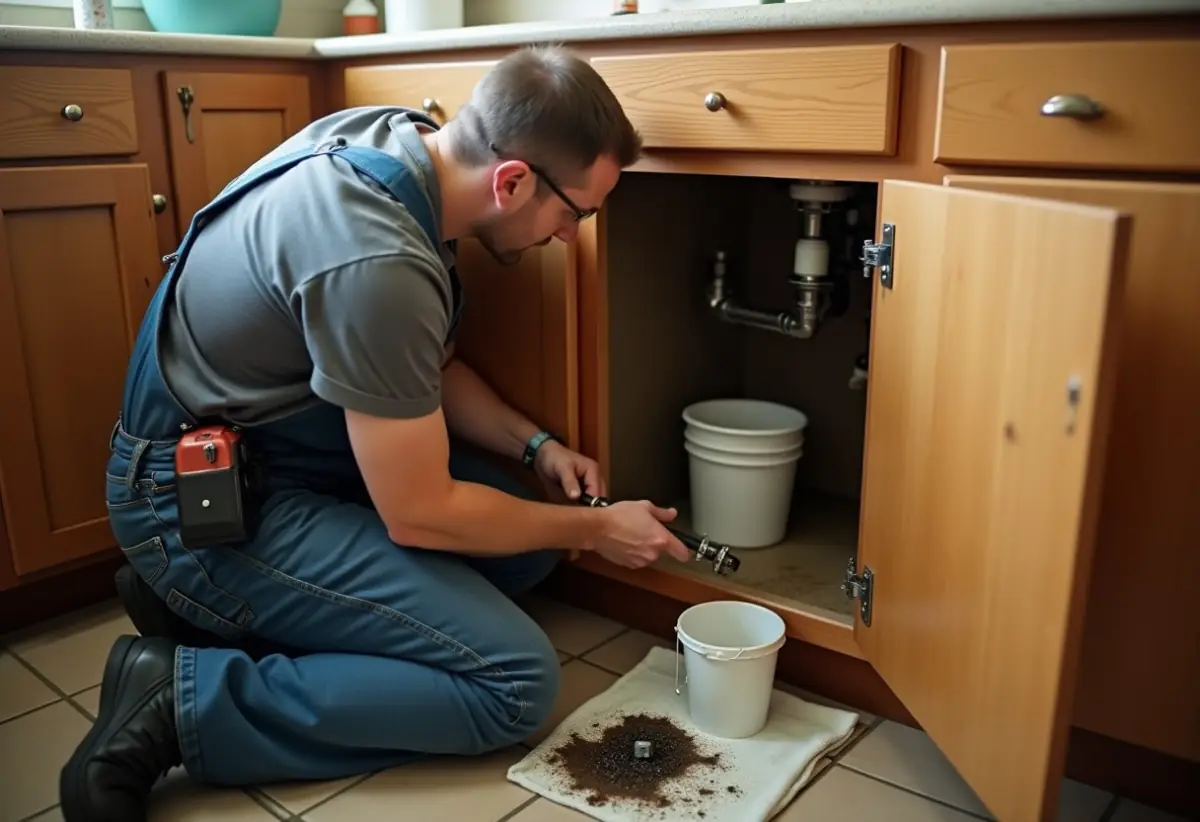
The fixture matters because access and the usual clog differ. A kitchen sink packed with grease costs more to clear than a bathroom sink with a hair clog, and a toilet that needs a closet auger sits in the middle. Here is what plumbers typically charge to clear each in 2026.
- Kitchen sink: $100 to $250, higher with heavy grease or a disposal tie-in (Forbes Home).
- Bathroom sink or tub: $75 to $200 for a straightforward hair and soap clog (HomeGuide).
- Toilet: $100 to $275, with a typical job near $225 when a closet auger is needed (HomeGuide).
- Shower drain: $75 to $200, similar to a tub, mostly hair at the strainer (HomeGuide).
- Main sewer line: $150 to $500 to snake, more if hydro jetting is required (HomeGuide).
A branch drain serves one fixture, so the plumber works close to the clog and the job is quick. A main line carries every fixture in the house, so a backup there is the priciest scenario and the one where a camera earns its keep.
What drives drain cleaning cost up?
Six factors move the final bill: clog location, severity, access, tree roots, timing, and your region. A shallow fixture clog reached from a countertop cleanout is cheap. A root-choked main line 40 feet out, cleared at midnight, is the expensive end. Each factor below adds to the base price.
- Location: a main-line clog costs more than a branch fixture drain because it needs a larger machine and more cable.
- Severity: a fully stopped line packed with grease or sludge takes longer than a slow drain and may force a jetter.
- Access: no cleanout means pulling a toilet or going through the roof vent, which adds labor.
- Tree roots: roots often need cutting plus hydro jetting, and they tend to come back, so expect follow-up.
- After-hours timing: nights, weekends, and holidays can run two to three times the normal rate.
- Region and demand: labor rates and local competition shift the same job by a wide margin.
DIY vs professional drain cleaning: what should you spend?
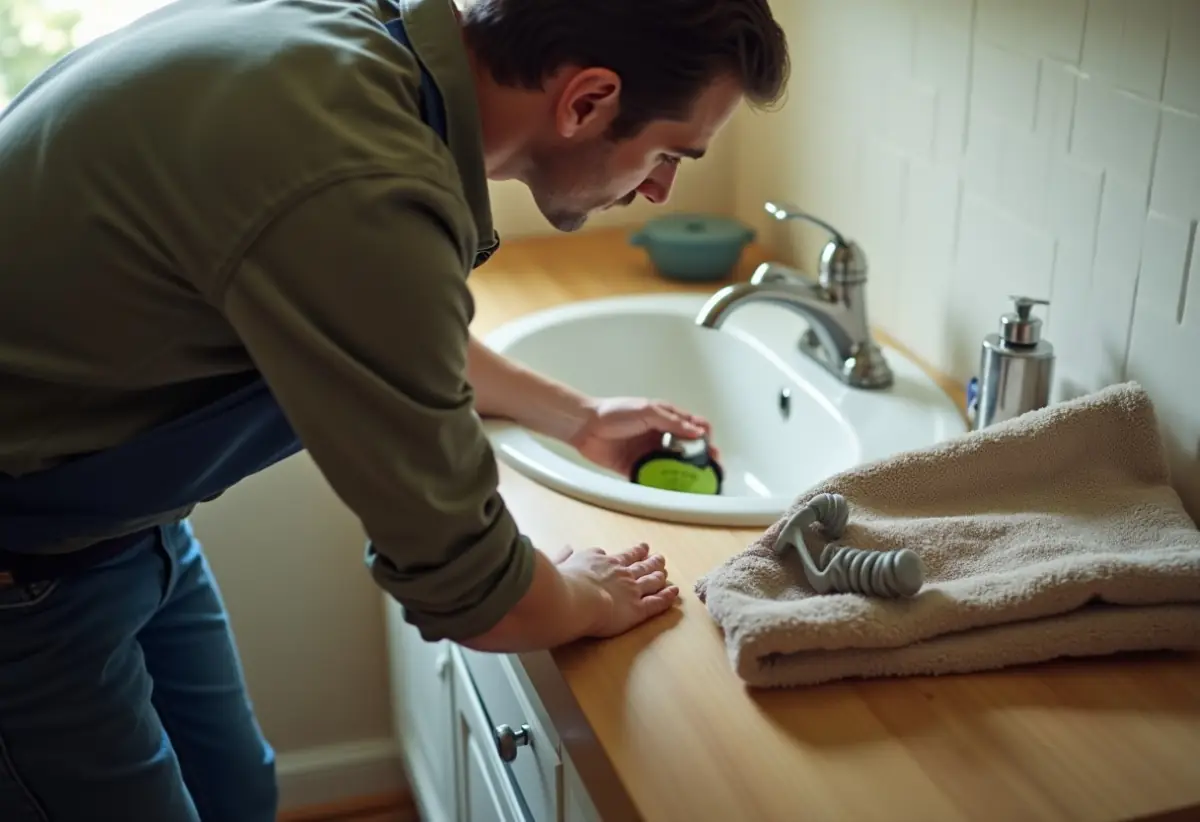
Go DIY for a single slow fixture, and call a pro when several drains back up at once. A plunger or hand auger costs $10 to $30, and a rented drum machine runs $30 to $80 per day, per HomeGuide. That handles a localized hair or grease clog for the price of a coffee run.
When more than one fixture gurgles or backs up together, the clog is in the main line, and that is a pro job with a proper machine or jetter. Our guide on how to unclog a drain yourself covers the safe DIY methods, and if you are weighing a purchase, see the best drain cleaning machines for the powered units that pay off for repeat clogs.
How do you avoid paying for drain cleaning twice?
Stop the buildup the clog rebuilds on, and diagnose a repeat offender instead of snaking it again. Keep grease, coffee grounds, wipes, and hair out of the line, use strainers on every drain, and flush with hot water after heavy sink use. Small habits prevent most fixture clogs.
For a line that clogs every few months, repeat snaking treats the symptom. A snake bores a channel, then the residue on the wall reglues within weeks. Hydro jetting strips that film so the clog has nothing to rebuild on, and a camera inspection catches root intrusion or a pipe belly before it becomes a full backup.
How we sourced this
We compared 2026 residential cost data from Angi, HomeGuide, and Forbes Home across roughly ten cost guides reviewed, and reported the ranges the primary sources agree on. Figures are national US ranges for a single-family home; local labor rates, line length, clog severity, and access shift them. We excluded commercial and municipal work, sewer line repair or replacement (a separate job from cleaning), and CIPP lining. Camera inspection ranges reflect the standalone or add-on service, not a full home inspection. Reviewed September 2026.
Frequently asked questions
How much does it cost to clean a drain in 2026?
A plumber charges about $100 to $275 to clear a standard clogged fixture drain in 2026, with a national average near $246, per Angi and HomeGuide data. A main-line clearing through the cleanout runs $150 to $500, and hydro jetting a stubborn line runs $350 to $800 or more.
Why is drain cleaning so expensive?
Price climbs with how deep the clog sits and how the plumber reaches it. A branch fixture drain is cheap, but a main-line clog, roof-vent access, tree roots, hydro jetting, or an after-hours call all add cost. After-hours and weekend visits can run two to three times a normal service call.
Is it cheaper to snake a drain yourself?
For a single slow fixture, yes. A hand auger or plunger costs $10 to $30, and a rented drum machine runs $30 to $80 per day, per HomeGuide. DIY works for a localized hair or grease clog. If several fixtures back up at once, that points to the main line, and a pro with a camera is the safer spend.
How much does it cost to snake a main sewer line?
Snaking a main sewer line runs about $150 to $500 in 2026, per HomeGuide, depending on line length, access through the cleanout, and clog severity. If the line reclogs within weeks, that pattern points to grease, roots, or wall buildup that a snake cannot remove, and hydro jetting is the more durable fix.
How much does hydro jetting cost compared with snaking?
Hydro jetting a residential line runs about $350 to $800, and a main line with hard access or heavy buildup can reach $600 to $1,500, per Angi and HomeGuide. Snaking runs $100 to $500. Snaking is cheaper per visit, but jetting scours the whole pipe and often lasts 2 to 3 years versus 3 to 6 months for a snaked chronic clog.
Should I add a camera inspection to a drain cleaning?
Add one when a drain reclogs repeatedly, when you are buying a home, or when the plumber cannot find the cause. A sewer camera inspection runs about $250 to $500, per HomeGuide, and it locates roots, bellies, or cracks so you fix the real problem instead of paying to snake the same line again.
What is the cost to unclog a toilet vs a kitchen sink?
A plumber charges roughly $100 to $275 to snake a toilet, with a typical job near $225, and about $100 to $250 for a kitchen sink where grease is the usual culprit, per Forbes Home and HomeGuide. A bathroom sink or tub with a hair clog is often $75 to $200. Access and clog depth move the final price.
How can I avoid paying for drain cleaning again?
Keep grease, wipes, coffee grounds, and hair out of drains, use strainers, and run hot water after heavy sink use. For a line with a history of buildup or roots, ask about hydro jetting instead of repeat snaking, since jetting removes the film the clog rebuilds on. A camera inspection catches root intrusion before it becomes a backup.