Water Heater Pilot Light: Why It Goes Out and How to Relight It
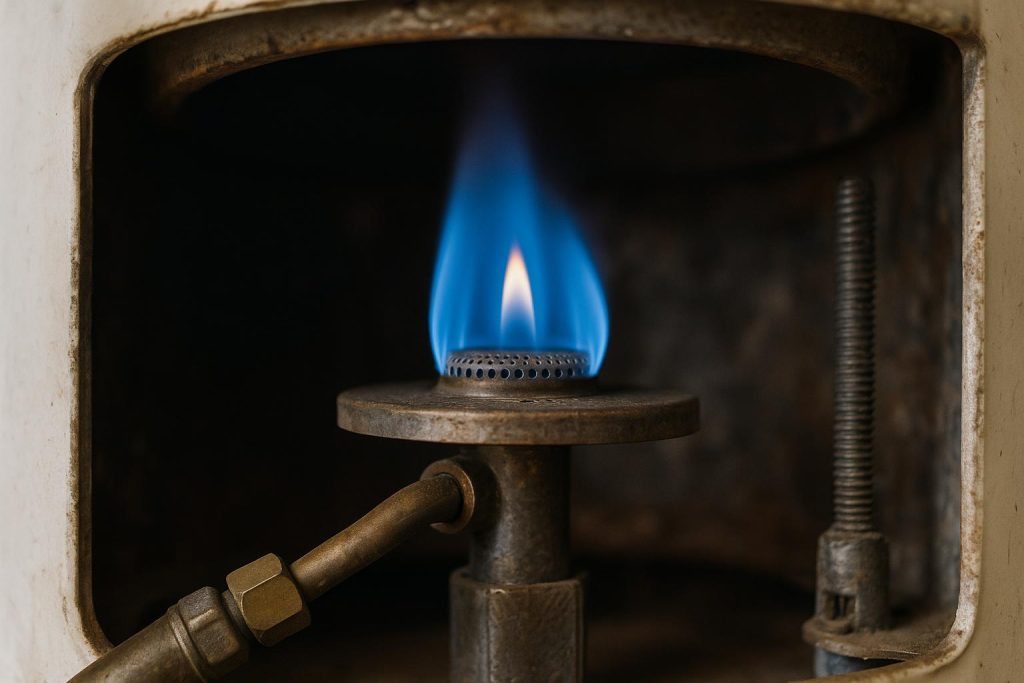
A water heater pilot light that keeps going out is most often a failing thermocouple, the safety probe that shuts off the gas within seconds when it no longer senses the flame.
Key Takeaways
- If you smell gas, do not touch switches or flames: leave the building and call your gas utility from outside. That rule overrides every step on this page.
- The thermocouple senses the pilot flame and holds the gas-control valve open; if it stops sensing heat, the valve closes within seconds as a safety measure, per AO Smith and Rheem service guidance.
- Common reasons the pilot will not stay lit: bad thermocouple, dirty pilot orifice, a draft or venting problem, a failed gas-control valve, or a tripped flammable-vapor (FVIR) sensor.
- To relight, turn the gas off, wait at least 10 minutes for gas to clear, then follow the tank label and hold the pilot button about a minute so the thermocouple heats up.
- A thermocouple part costs about $5 to $20; a pro replacement runs roughly $75 to $200, while a gas-control valve replacement is about $150 to $400, per 2026 Angi and HomeGuide data.
- Many newer heaters use electronic, piezo, or hot-surface ignition instead of a standing pilot, so check the label before assuming yours has an always-on flame.
How does a water heater pilot light and thermocouple work?
A water heater pilot light is a small, always-on gas flame that ignites the main burner when the tank calls for heat. Sitting in that flame is the thermocouple, a metal probe that turns heat into a tiny electric voltage. That voltage tells the gas-control valve the pilot is burning, so it keeps the gas flowing. No flame, no voltage, no gas. A failed thermocouple is one sign worth checking before assuming the problem lies deeper in your home’s gas line plumbing.
This is a safety loop, not just a convenience. When the thermocouple stops sensing the flame, it drops the voltage and the gas-control valve closes within seconds, cutting the gas so raw fuel cannot pour into the room. That is why a dead pilot is usually a safe condition, and it is the same burner logic covered in how a water heater works.
Why does my water heater pilot light keep going out?
A water heater pilot light that will not stay lit almost always points to the thermocouple, but four other causes are common. A dirty pilot orifice starves the flame, a draft or venting fault blows or backdrafts it out, a worn gas-control valve fails to hold, and a tripped flammable-vapor (FVIR) sensor locks the unit down after it detects fumes.
The table below lines up each cause against its symptom, whether it is a reasonable DIY fix, a typical cost, and the best next move. Match your symptom to a row before you spend on parts.
| Cause | Typical symptom | DIY fixable? | Typical fix cost | Best action |
|---|---|---|---|---|
| Bad thermocouple | Pilot lights, then dies the second you release the knob | Yes, for a handy owner | $5-20 part, $75-200 pro | Replace the thermocouple first; it is the likeliest cause |
| Dirty pilot orifice | Weak, yellow, or flickering flame that struggles to stay lit | Sometimes | $0 DIY, $75-150 pro | Clean the orifice and tube; if unsure, have a pro service it |
| Draft or venting | Pilot blows out in wind, or soot and backdraft at the hood | Rarely | Varies with vent work | Call a pro; backdrafting can spill combustion gases |
| Gas-control valve | New thermocouple did not fix it; valve clicks or reads faulty | No | $150-400 installed | Have a pro replace the valve or weigh replacing the heater |
| FVIR sensor tripped | Unit locked out after fumes; status light shows a fault code | No | Service call plus reset kit | Remove the fume source and have a pro reset per the manual |
How do I safely relight a water heater pilot light?
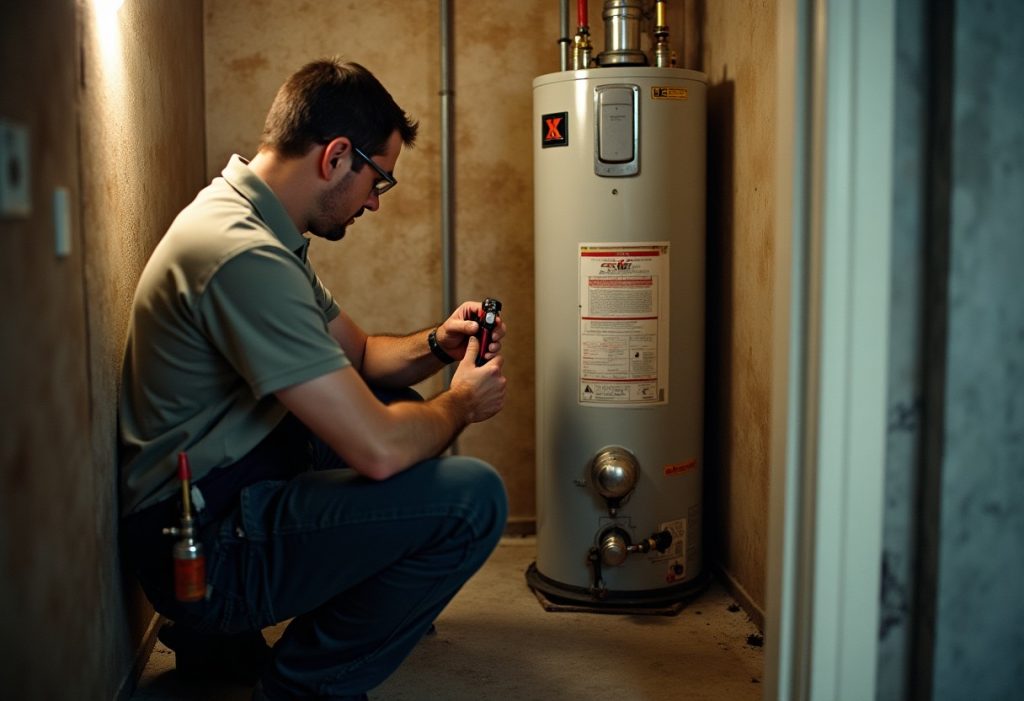
First, the safety rule: if you smell gas, a rotten egg or sulfur odor, stop right there. Do not flip switches or light anything, leave the home, and call your gas utility from outside. Only relight when there is no gas smell. Turn the gas knob to Off, then wait at least 10 minutes so any gas can disperse, per Mr. Rooter and standard industry guidance.
Every tank prints its exact sequence on a label near the gas valve. The general steps below match AO Smith and Rheem instructions, but follow the label on your unit.
- Turn the gas-control knob to Off and wait 10 minutes for gas to clear. If you still smell gas, stop and call the utility.
- Turn the knob to Pilot and locate the pilot burner through the sight glass or opening.
- Press and hold the knob (or the red button) down to send gas to the pilot.
- While holding, press the piezo striker repeatedly, or use a long lighter, until the pilot flame catches.
- Keep holding the button for about one minute so the thermocouple heats up, then release. The flame should stay lit.
- Turn the knob to On and set your temperature. If the pilot dies when you release, move to the next section.
Why won’t the pilot stay lit after I relight it?
If the pilot burns while you hold the button but dies the instant you let go, the thermocouple is the prime suspect. It is either worn out, bent out of the flame, or dirty, so it is not making enough voltage to hold the gas valve open. This single part causes most repeat pilot-outages on standing-pilot heaters, per Angi service data.
Before replacing it, confirm the flame actually wraps the thermocouple tip and the pilot is strong and blue, not weak and yellow. A yellow, lazy flame points to a dirty orifice instead. If a fresh thermocouple still will not hold, the gas-control valve is the next suspect, which is where DIY usually ends. A rumbling burner or sediment issue is a separate problem covered in a rumbling or noisy tank. That rumbling or noisy tank issue can escalate into costlier repairs, detailed in boiler repair costs for budgeting before calling a technician.
Does my water heater even have a pilot light?
Many water heaters built in recent years do not use a standing pilot at all. Instead they use electronic, piezo, or hot-surface ignition that sparks a flame only when heat is needed, which wastes less gas than a flame that burns around the clock. Check the label near the gas valve, or look for a striker button and a small status light rather than an always-on flame.
If yours has electronic ignition, there is no pilot to relight the old way. A blinking status light usually signals a fault code you look up in the manual, and the fix may be a sensor, an igniter, or the control board. Igniter replacement runs about $75 to $350, per 2026 HomeGuide data. When the water simply runs cold, start with troubleshoot no hot water to rule out the simple causes first.
When should you call a pro or replace the gas valve?
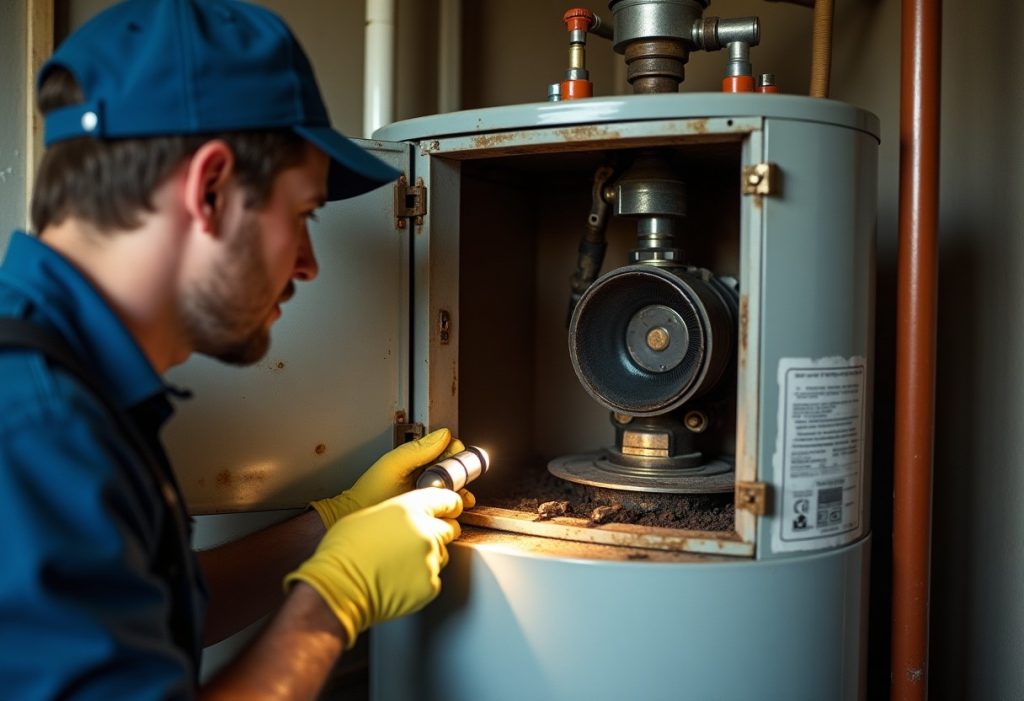
Call a professional or the gas utility right away for any gas smell, soot, a scorched draft hood, or a burner that will not stay lit after a new thermocouple. Replacing a gas-control valve, diagnosing backdraft and venting, or resetting a tripped flammable-vapor sensor is pro-level work with real safety stakes. A DIY relight or thermocouple swap is fine; gas-valve and venting work is not.
Cost drives the repair-versus-replace call. A gas-control valve runs about $150 to $400 installed, and the national average water heater repair is $616, per 2026 Angi data drawn from more than 16,000 projects. On a heater past 10 to 12 years, that spend is often better put toward a new unit. Weigh it against other common water heater repairs before you commit.
How much does a water heater pilot light repair cost?
A water heater pilot light repair ranges from free to a few hundred dollars, depending on the cause. Relighting the pilot yourself costs nothing. A thermocouple is about $5 to $20 for the part and $75 to $200 with a plumber. A gas-control valve is the expensive end at $150 to $400 installed, and an electronic igniter is $75 to $350.
The wide spread is why diagnosis matters more than the invoice. Most stubborn pilot problems end with a cheap thermocouple, so a homeowner who tries a relight and a $10 part first can avoid the biggest bills. When the fix climbs toward the gas valve on an older tank, the smarter money often shifts to replacement.
How we sourced this
We compiled pilot-light and thermocouple mechanics, relight steps, and 2026 US repair costs from manufacturer and industry sources: AO Smith and Rheem relight instructions and thermocouple guidance, Rheem and Plumbing & Mechanical on the FVIR flammable-vapor standard that took effect July 1, 2003, Mr. Rooter on the gas-clearing wait time, and 2026 cost data from Angi (national average repair of $616 across 16,111 projects, thermocouple labor) and HomeGuide (gas-control valve and igniter ranges). Parts and labor vary by brand, region, and tank age, so we cite ranges and defer to the label on your unit and your local gas code. We excluded commercial and tankless units, which do not use a standing pilot the same way.
Frequently asked questions
Why does my water heater pilot light keep going out?
The most common cause is a bad thermocouple, the safety probe that senses the pilot flame. When it fails, it tells the gas valve to shut off within seconds, so the pilot dies. A dirty pilot orifice, a downdraft or venting problem, a failed gas-control valve, or a tripped flammable-vapor (FVIR) sensor can also snuff the flame.
How do I relight a water heater pilot light?
If you smell gas, stop and leave. Otherwise turn the gas knob to Off, wait at least 10 minutes for gas to clear, then follow the label on the tank. Set the knob to Pilot, hold it down, ignite with the piezo button or a long lighter, and keep holding for about a minute so the thermocouple heats up before you release.
How much does a thermocouple cost to replace?
The thermocouple part itself runs about $5 to $20 at any hardware store, and replacing it yourself is a common DIY job. Hiring a plumber typically costs about $75 to $200 including the part and under an hour of labor, per 2026 Angi and HomeGuide data. It is one of the cheapest water heater repairs.
Why won’t my pilot light stay lit even after I relight it?
If the pilot lights but dies the moment you release the knob, the thermocouple is almost always the culprit because it is not sending enough voltage to hold the gas valve open. A dirty pilot orifice, a draft, or a failing gas-control valve can cause the same symptom. If a new thermocouple does not fix it, the gas valve is the next suspect.
Does my water heater have a pilot light or electronic ignition?
Many water heaters built in recent years use electronic, piezo, or hot-surface ignition instead of a standing pilot that burns all the time. Check the label near the gas valve. If there is no small always-on flame and you see a striker button or a status light, it is electronic ignition, and the relight steps differ. Follow the manufacturer instructions.
When should I call a pro instead of relighting it myself?
Call a professional or the gas utility immediately if you smell gas, see soot, or the burner will not stay lit after a new thermocouple. Replacing a gas-control valve, diagnosing venting or backdraft problems, or clearing a tripped flammable-vapor sensor is pro-level work. A gas valve replacement runs about $150 to $400, per 2026 HomeGuide and Angi data.
Is it dangerous if the pilot light goes out?
A pilot that goes out is usually not dangerous by itself, because the thermocouple safety shuts the gas off within seconds when it stops sensing the flame. The danger is a gas smell, which means gas is escaping. If you smell rotten egg or sulfur near the heater, do not touch switches or flames, leave the home, and call your gas utility from outside.


