Backflow Preventer Types: AVB, PVB, Double Check, and RPZ
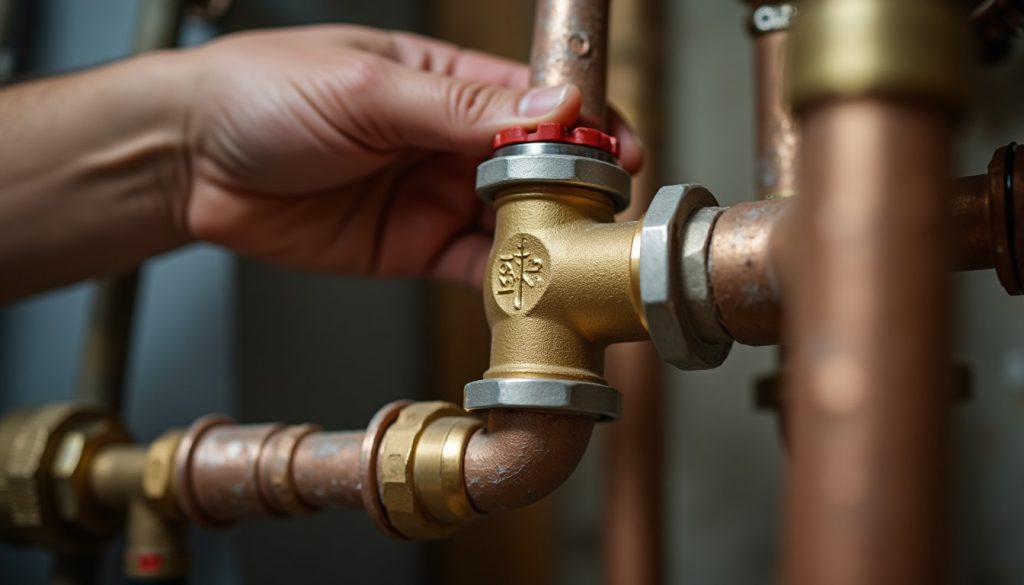
A backflow preventer stops contaminated water from reversing into your clean supply, and the type you need (AVB, PVB, double check, or RPZ) depends on the hazard level and whether the risk is backsiphonage or backpressure.
Key Takeaways
- Backflow happens two ways: backsiphonage (upstream negative pressure) and backpressure (downstream pressure exceeding supply), per the EPA Cross-Connection Control Manual.
- Low-hazard connections may use a double check assembly (ASSE 1015); high-hazard connections require an RPZ (ASSE 1013) or an air gap, per USC FCCCHR criteria.
- AVBs (ASSE 1001) and PVBs (ASSE 1020) stop backsiphonage only; double check and RPZ assemblies stop both backsiphonage and backpressure.
- An air gap must be at least twice the pipe diameter and never less than one inch, and is the only method with no moving parts to fail (EPA).
- Testable assemblies (PVB, DCVA, RPZ) generally need an annual test by a certified tester; a test commonly costs $75 to $250 (plumbinguide.com).
- Which device is required, and how often it is tested, is set by your local AHJ and water purveyor, following AWWA M14 practice.
What is a backflow preventer, and what does it protect against?
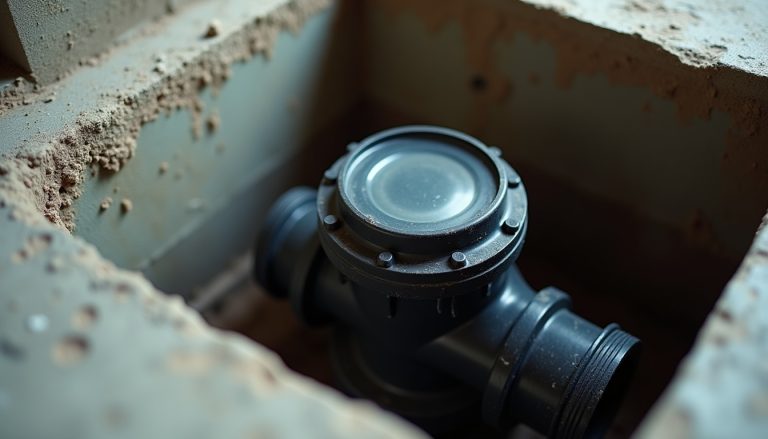
A backflow preventer is a valve assembly that keeps water flowing in one direction, so used or contaminated water cannot reverse into the potable supply through a cross-connection. A cross-connection is any point where drinking water can touch a non-potable source, such as an irrigation line, a boiler, or a hose left in a bucket. Spotting a hose left in a bucket is easy, but sewer backwater valves guard against a different kind of reverse flow, from the drain side.
Backflow occurs in two ways. Backsiphonage is caused by negative pressure upstream, like a water main break or heavy firefighting demand that siphons water backward. Backpressure is caused by downstream pressure that exceeds supply pressure, such as a pump, boiler, or raised tank pushing water back toward the main. The device you need depends on which of these risks is present.
What are the main types of backflow preventers?
There are six common backflow preventer types, ranging from the simple hose-bib vacuum breaker up to the reduced pressure zone (RPZ) assembly and the air gap. They differ by what they stop (backsiphonage only, or both backsiphonage and backpressure), the hazard level they are approved for, and whether they can be tested in the field. The table below lays them out side by side.
| Device (ASSE) | Protects against | Hazard level | Typical use | Testable? |
|---|---|---|---|---|
| Air gap | Backsiphonage and backpressure | High or low | Physical gap over a sink, tank, or receiving vessel | Visual inspection only |
| Atmospheric vacuum breaker, AVB (1001) | Backsiphonage only | High or low | Non-pressurized lines, lab faucets, some fixture supplies | No, visual check |
| Hose-bib vacuum breaker (1011) | Backsiphonage only | High or low | Outdoor spigots, utility sinks, hose connections | No, visual check |
| Pressure vacuum breaker, PVB (1020) | Backsiphonage only | High or low | Lawn irrigation on continuous pressure | Yes, annual |
| Double check assembly, DCVA (1015) | Backsiphonage and backpressure | Low hazard | Fire lines without chemicals, low-hazard supply | Yes, annual |
| Reduced pressure zone, RPZ (1013) | Backsiphonage and backpressure | High hazard | Chemical injection, boilers, medical, commercial irrigation with fertilizer | Yes, annual |
If you want the code and testing side in more depth, see our guide to backflow testing and code rules for 2026. For how these assemblies relate to the shutoffs and check valves in a home, our overview of plumbing valve types covers the broader family.
What is the difference between an RPZ and a double check valve?
The difference is a relief valve. A double check assembly (DCVA) uses two independent check valves in series and nothing else. An RPZ adds a hydraulically operated relief valve in the zone between those two checks, set to open and dump water to atmosphere whenever the pressure in that middle zone climbs too close to supply pressure. That relief action is why the RPZ is trusted for high-hazard connections.
Because both checks in a DCVA can foul without any visible sign, a double check is limited to low-hazard cross-connections, where the substance would be objectionable but not a health risk. An RPZ discharges visibly if it fails, so it is required where backflow could carry toxic material, per USC FCCCHR criteria. An RPZ must be installed above grade with a drain or air-gap fitting because it can dump water during normal operation.
Which backflow preventer does my hazard level require?
Hazard level is the deciding factor, and it is set by your local authority having jurisdiction (AHJ), not by preference. High-hazard connections, where backflow could introduce a health risk, are limited to an RPZ or an air gap under USC FCCCHR and EPA guidance. Low-hazard connections, where the material is a nuisance rather than a danger, may use a double check assembly.
Backsiphonage-only situations that stay pressurized, like a lawn sprinkler zone, commonly use a PVB. AVBs and hose-bib vacuum breakers cover simple, non-continuous-pressure points such as an outdoor spigot or a lab faucet. Because a single site can carry more than one hazard, the AHJ or water purveyor makes the final call on the assembly. Verify with your local AHJ or water purveyor before you buy.
How much does a backflow preventer cost?
Installed cost rises with complexity. A hose-bib vacuum breaker is $10 to $35 at retail and installs by hand. A PVB for irrigation often runs $300 to $600 installed, a double check assembly $400 to $900, and an RPZ $600 to $1,200 because it is larger, must sit above grade, and needs drainage. Annual certified testing adds $75 to $250 on top.
Prices shift by region, pipe size, and whether new supply piping or a code-required enclosure is involved. A permit is often required for the install, and pulling one is worth it because unpermitted work can complicate a later sale. See our notes on plumbing permit requirements for how that varies by area.
Do backflow preventers need annual testing?
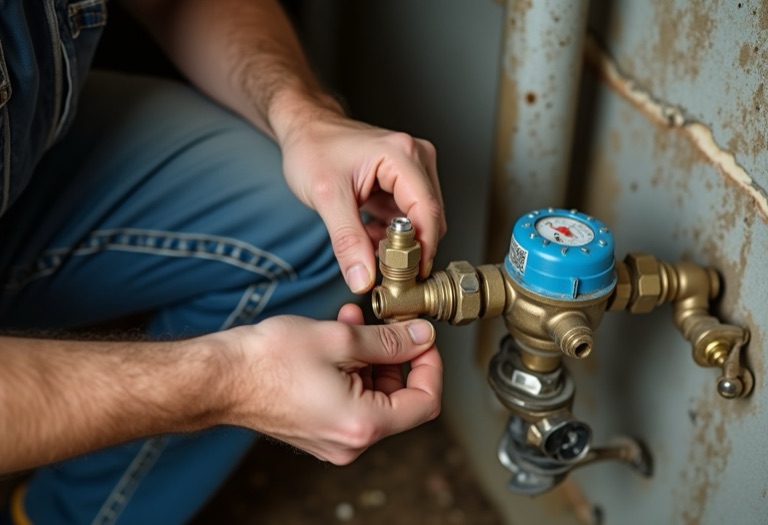
Testable assemblies do. PVBs, double check assemblies, and RPZs contain check valves and relief valves that can wear or foul without warning, so most jurisdictions require an annual test by a certified backflow tester, who attaches gauges and submits a signed report to the water purveyor. A certified test commonly costs $75 to $250.
AVBs, hose-bib vacuum breakers, and air gaps are not gauge-tested in the same way. AVBs and hose-bib breakers are checked for mechanical operation by visual inspection, and an air gap is inspected to confirm the physical separation is intact and not bridged by a hose or extension. Testing frequency and who must submit the report vary, so verify with your local AHJ or water purveyor.
Where does code require a backflow preventer?
Code requires backflow protection at any cross-connection between the potable supply and a possible contaminant, though the specific triggers are set locally. Common required points include lawn irrigation systems, fire sprinkler connections, boilers and hydronic heating, commercial kitchens, medical and dental equipment, and any premises where a private well or auxiliary supply exists alongside city water.
Water purveyors also require premise isolation, a backflow assembly at the meter, for higher-risk properties. The assembly type is matched to the degree of hazard following AWWA M14 recommended practice. A related device, the pressure reducing valve, is sometimes installed in the same area but manages supply pressure and is not a backflow preventer. Because triggers and approved assemblies vary, confirm requirements with your local AHJ or water purveyor.
Which backflow preventer should I choose?
Match the device to the risk. For a garden hose or utility sink, a hose-bib vacuum breaker is enough. For a pressurized irrigation zone with no chemical injection, a PVB is the usual answer. For low-hazard building supply or a fire line without antifreeze or chemicals, a double check assembly fits.
For any high-hazard connection, chemical feed, boiler treatment, medical equipment, or irrigation with fertilizer injection, use an RPZ or an air gap. When in doubt, treat the connection as higher hazard and get the AHJ to confirm, because installing an under-rated assembly can fail inspection and leave the potable supply exposed.
How we sourced this
Device definitions, hazard classification, and the backsiphonage versus backpressure distinction come from the EPA Cross-Connection Control Manual and the USC Foundation for Cross-Connection Control and Hydraulic Research (FCCCHR) criteria, with assembly standards referenced from ASSE International (1001 AVB, 1011 hose connection vacuum breaker, 1013 RPZ, 1015 double check, 1020 PVB, 1024 dual check). Testing frequency reflects AWWA M14 recommended practice as commonly adopted; because adoption is local, we describe requirements as jurisdiction-dependent. Installed and testing cost ranges are 2026 market figures from plumbing cost aggregators and are reported as ranges, not fixed prices, since they vary by region, pipe size, and enclosure requirements. Retailer and contractor blog posts were read for context but not cited for figures. Anything legal, code, or cost specific should be confirmed with your local AHJ or water purveyor.
Frequently asked questions
What are the different types of backflow preventers?
The common types are the atmospheric vacuum breaker (AVB), the hose-bib vacuum breaker, the pressure vacuum breaker (PVB), the double check valve assembly (DCVA), and the reduced pressure zone assembly (RPZ), plus the air gap. They differ by whether they stop backsiphonage only or both backsiphonage and backpressure, and by the hazard level they are approved for.
What is the difference between an RPZ and a double check valve?
An RPZ adds a pressure-differential relief valve between its two check valves, so it dumps water to atmosphere if both checks foul. That extra safeguard makes the RPZ the assembly approved for high-hazard connections, where backflow could carry toxic material. A double check has two checks and no relief valve, so it is limited to low-hazard applications where the substance is objectionable but not a health risk.
Do I need to test my backflow preventer every year?
In most jurisdictions, yes. Testable assemblies (PVB, DCVA, and RPZ) generally require an annual test by a certified tester, who submits a signed report to the water purveyor. A certified test commonly runs $75 to $250. AVBs and air gaps are not field-tested with gauges; they are checked by visual inspection. Verify the exact frequency with your local AHJ or water purveyor.
What is the difference between backsiphonage and backpressure?
Backsiphonage is backflow caused by negative pressure upstream, such as a water main break or heavy firefighting draw that siphons water backward. Backpressure is backflow caused by downstream pressure that exceeds supply pressure, such as a boiler, pump, or raised tank pushing water back. AVBs and PVBs stop backsiphonage only; double check and RPZ assemblies stop both.
Is an air gap a backflow preventer?
Yes, and it is considered the most reliable method because it has no moving parts to fail. An air gap is a physical vertical separation, at least twice the pipe diameter and never less than one inch, between a water outlet and the flood-level rim of a receiving vessel. It protects against both backsiphonage and backpressure but cannot be used where the line must stay pressurized.
How much does a backflow preventer cost?
Installed costs vary by assembly and hazard. A pressure vacuum breaker for irrigation often runs $300 to $600 installed, a double check assembly $400 to $900, and an RPZ $600 to $1,200 because it must sit above grade with drainage. Simple hose-bib vacuum breakers are $10 to $35 at retail. Annual testing typically adds $75 to $250.
Do I need a backflow preventer for my sprinkler system?
In most areas, yes. Lawn irrigation is a common cross-connection because sprinkler heads sit in soil, fertilizer, and pesticide. Many codes require a PVB or, where chemical injection is used, an RPZ. The exact device depends on hazard level and whether the line stays pressurized. Confirm the required assembly and permit with your local AHJ or water purveyor before installing.