Drain Snake vs Hydro Jetting: Which Clears Your Line?
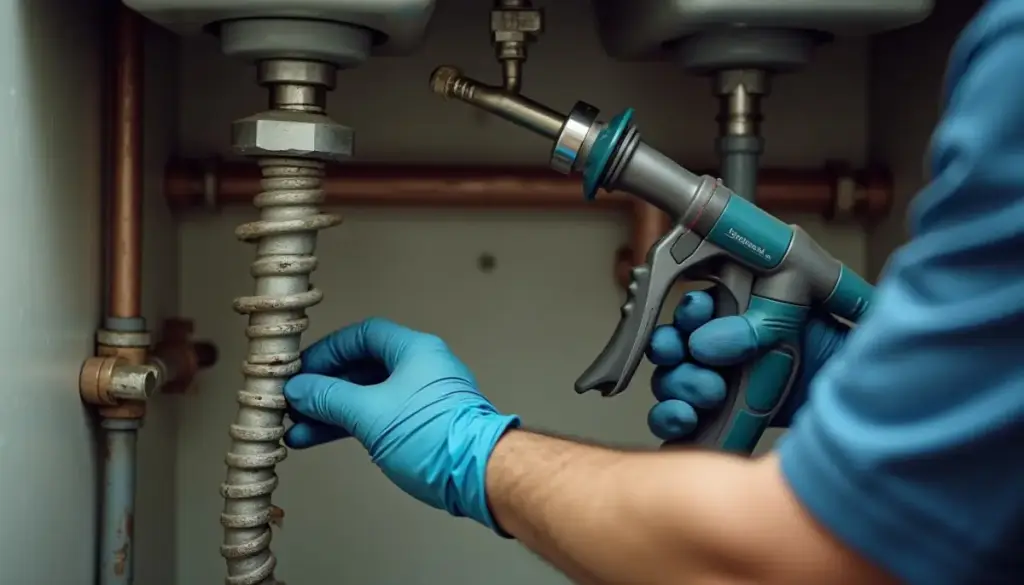
Drain snake vs hydro jetting comes down to depth: a snake bores a hole through a clog for about $200 to $500, while hydro jetting scours the whole pipe for $450 to $950 and lasts far longer.
Key Takeaways
- Snaking a sewer line runs about $200 to $500 in 2026; hydro jetting a sewer line runs about $450 to $950 (Angi, HomeGuide).
- A snake punches a channel through the blockage; hydro jetting blasts the full pipe wall clean with high-pressure water (Sewer Equipment).
- A portable RIDGID KJ-3100 jetter delivers 3,000 psi at 5.5 gallons per minute; trade trailer jetters run higher (RIDGID).
- Trailer hydro jetters push roughly 2,000 to 4,000 PSI at 18 to 35 gallons per minute (Spartan Tool).
- A snaked chronic clog often reopens in 3 to 6 months; a jetted line commonly stays clear 2 to 3 years (Angi, HomeGuide).
- Orangeburg (tar-paper) pipe should never be full-pressure jetted, and corroded cast iron needs a camera check first (industry safety guidance).
- Hydro jetting cuts and flushes tree roots and grease; a snake only reopens flow and leaves buildup behind (Sewer Equipment).
What does a drain snake (auger) do?
A drain snake, also called a cable machine or auger, feeds a long flexible steel cable into the pipe and spins it. A cutting or grabbing head on the tip breaks up or hooks the clog and bores a channel through it so water flows again. It clears the blockage in one spot but leaves most wall buildup in place.
Handheld drum augers handle sink and tub lines; a powered sectional or drum machine drives 50 to 100 feet of cable down a main. If you want the step-by-step, see our guide on how to use a plumbing snake, and our roundup of the best drain cleaning machines for the powered units pros run.
What does hydro jetting do?
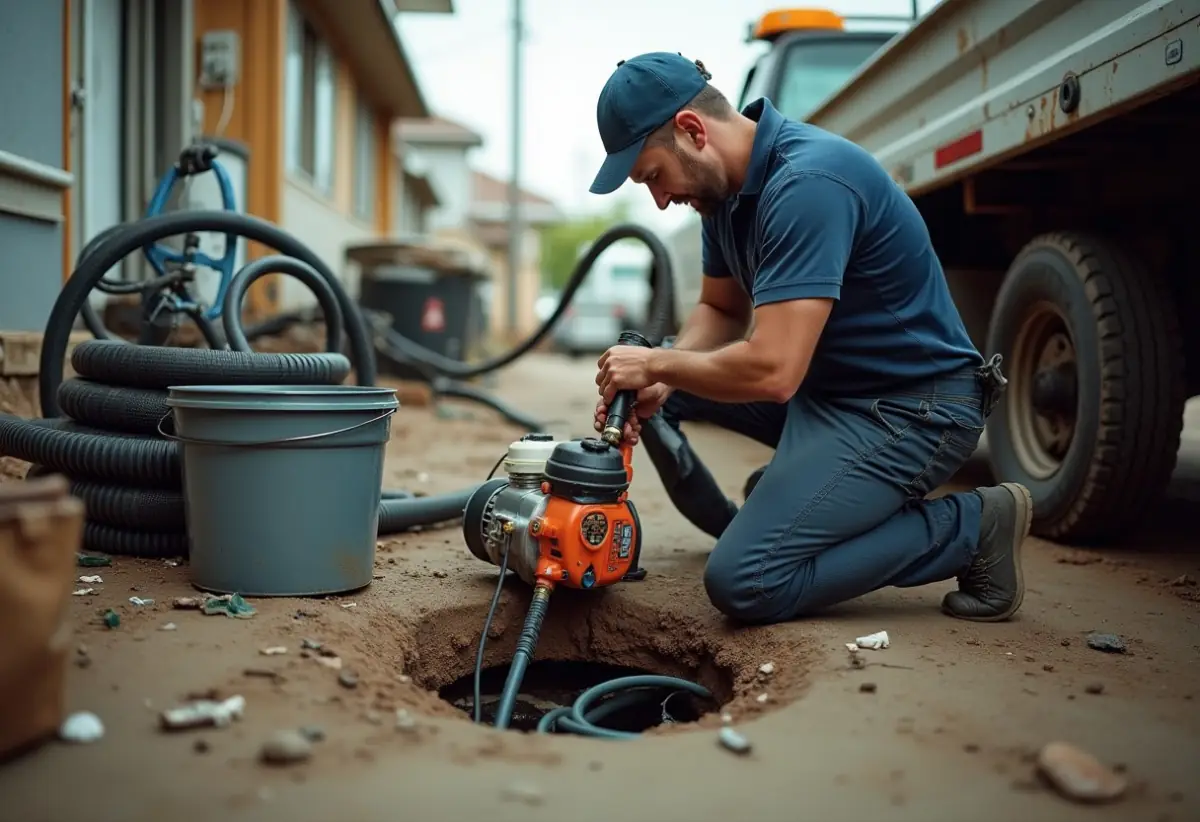
Hydro jetting sends a high-pressure water stream down the line through a specialized nozzle. Forward jets cut the clog while reverse jets pull the hose deeper and scour the pipe wall in every direction, flushing grease, sludge, scale, and root debris out the main. It cleans the full circumference, not just a hole through the middle.
A portable RIDGID KJ-3100 delivers 3,000 psi working pressure at 5.5 gallons per minute, while trailer jetters run 2,000 to 4,000 PSI at 18 to 35 gallons per minute. The pressure and flow, not the cable diameter, do the work. Read our full walkthrough on how hydro jetting works. Before buying a trailer unit, see how a pressure washer sewer jetter kit compares for smaller residential lines.
Drain snake vs hydro jetting: how do they compare?
The core difference is thoroughness versus gentleness. A snake reopens flow cheaply and safely on almost any pipe, while hydro jetting removes the buildup itself and lasts much longer but demands a structurally sound line. This table lines up the two methods on the factors that decide most jobs.
| Factor | Drain snake (auger) | Hydro jetting |
|---|---|---|
| Mechanism | Spinning steel cable with a cutting head bores through the clog | High-pressure water (up to 4,000 PSI) scours the full pipe wall |
| Best clog | Single localized blockage, hair, paper, one solid obstruction | Grease, sludge, scale, recurring clogs, tree roots |
| Thoroughness | Punches a hole through the clog; leaves wall buildup | Cleans the entire pipe interior back to bare wall |
| 2026 cost (sewer line) | About $200 to $500 | About $450 to $950; up to $1,500 on a hard main |
| Risk to old or fragile pipe | Low; gentle enough for most aged lines | Higher; unsafe on Orangeburg, needs a check on cast iron |
| How long it lasts | 3 to 6 months on a chronic clog | 2 to 3 years in a sound line |
| Roots and grease | Reopens flow; leaves fragments behind | Cuts roots and flushes grease fully |
Which clog does each one clear best?
Match the tool to the clog. A snake wins on a single hard obstruction: a wad of wipes, a hair mass in a tub line, or one root ball choking flow. Hydro jetting wins on buildup that coats the pipe: kitchen-line grease, mineral scale, sludge in a low-slope run, and repeat clogs that keep coming back.
If your main sewer line clog returns every few months, that pattern points to wall buildup a snake cannot remove. A snake reopens the channel, water flows, and the residue reglues within weeks. Jetting strips that residue so the clog has nothing to rebuild on.
How much does each cost in 2026?
Snaking is the cheaper first move; jetting costs more but buys durability. Snaking a sewer line runs about $200 to $500, per Angi and HomeGuide 2026 data, while hydro jetting a sewer line runs $450 to $950. A main line with poor access or heavy buildup can reach $1,500. When access or buildup pushes a main line toward that upper range, it helps to compare costs across clearing methods and drain types in a broader drain cleaning cost breakdown.
Over a single visit, snaking clearly wins on price. Over a year, the math can flip: if a snaked line reclogs every few months, two or three repeat visits can pass the cost of one jetting job that lasts years.
Is hydro jetting safe for old or fragile pipes?
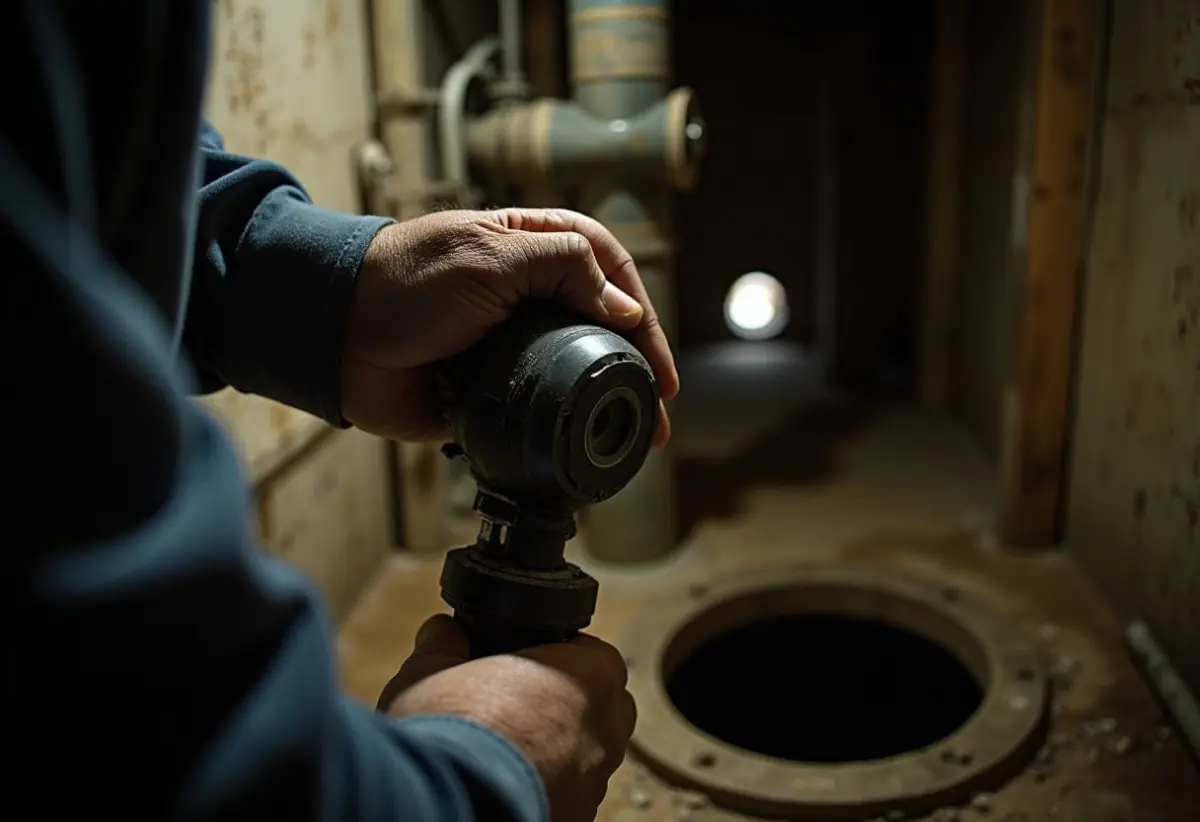
Not always, and this is the deciding factor on aged homes. Hydro jetting is safe for sound PVC, ABS, and good cast iron, but high pressure can tear fragile pipe. Orangeburg (compressed tar-paper) pipe should never be full-pressure jetted, and corroded cast iron needs a camera inspection first because jetting can dislodge scale or expose a soft spot.
Reputable plumbers match pressure to pipe condition: roughly 1,500 to 2,000 PSI on older cast iron in fair shape, higher only on newer mains with documented good structure. Clay pipe should be assessed for cracks before jetting. A snake is the gentler choice when pipe condition is unknown or clearly frail.
Which lasts longer, and which handles roots and grease?
Hydro jetting lasts longer and handles both roots and grease better. Because it scours the wall clean, a jetted line commonly stays clear 2 to 3 years, versus 3 to 6 months for a snaked chronic clog. Jetting cuts tree roots and flushes grease out entirely, while a snake only reopens a channel and leaves fragments and film behind.
For a one-time paper or hair clog, that durability gap does not matter and a snake is plenty. For grease-choked kitchen lines and repeat root intrusion, the buildup returns fast after snaking, so jetting is the fix that actually holds.
When should you choose a drain snake vs hydro jetting?
Choose the snake first for anything simple; reserve jetting for buildup and repeat problems. Use the quick decision list below, and when pipe condition is unknown, have a plumber run a camera before deciding.
- Single localized clog, hair, or paper in a fixture line: snake it.
- Old, corroded, Orangeburg, or clearly fragile pipe: snake it, do not jet.
- Grease, sludge, or scale coating the pipe wall: hydro jet it.
- Tree roots or a drain that reclogs every few months: hydro jet after a camera pass.
- Unknown pipe condition: camera inspection first, then match the method to what you find.
How we sourced this
We compared 2026 cost data from Angi and HomeGuide against manufacturer equipment specs from RIDGID and Spartan Tool, plus industry technical guidance from Sewer Equipment, across roughly nine sources reviewed. Cost figures are national US ranges for residential sewer and drain lines; local pricing, access, line length, and clog severity shift them. We excluded chemical drain cleaners and CIPP lining, which are separate methods, and did not report any pressure figure not tied to a named manufacturer or safety source. Reviewed September 2026.
Frequently asked questions
Is hydro jetting better than snaking a drain?
Hydro jetting is more thorough because it scours the full pipe wall, while a snake bores a hole through the clog. Jetting clears grease, sludge, and roots and often keeps a line open 2 to 3 years, versus 3 to 6 months for a snaked chronic clog. Snaking is cheaper and safer on fragile old pipe.
How much does hydro jetting cost vs a drain snake in 2026?
Snaking a sewer line runs about $200 to $500 in 2026, per Angi and HomeGuide cost data. Hydro jetting a sewer line runs about $450 to $950, and a main line with hard access or heavy buildup can reach $600 to $1,500. Simple fixture snaking often costs less than a full sewer-line job.
Can hydro jetting damage old pipes?
It can if the pipe is weak. Orangeburg (tar-paper) pipe should never be full-pressure jetted, and corroded cast iron needs inspection first because high pressure can dislodge scale or find a soft spot. A camera inspection before jetting lets the plumber match pressure to the pipe, often 1,500 to 2,000 PSI on older cast iron.
Does a drain snake or hydro jetting remove tree roots?
Hydro jetting cuts and flushes tree roots and leaves the pipe wall clean, which slows regrowth. A drain snake with a cutting head can chew through a root mass and reopen flow, but it leaves root fragments and a rough wall that reclog faster. For repeat root intrusion, jetting after a camera inspection is the stronger fix.
How long does each method keep a drain clear?
A snaked chronic clog often reopens in 3 to 6 months because the snake only punches a channel through the blockage. Hydro jetting removes the buildup around the full pipe wall, so a jetted line commonly stays clear 2 to 3 years. Actual results depend on the pipe, the clog cause, and ongoing habits like grease disposal.
When should I choose a drain snake instead of hydro jetting?
Choose a snake for a single localized clog, a hair or paper blockage in a fixture line, or when the pipe is old, corroded, or fragile. A snake is cheaper, gentler, and enough to reopen flow. Save hydro jetting for grease, sludge, recurring clogs, and root intrusion in a structurally sound line.
Do plumbers snake before they hydro jet?
Often, yes. Many plumbers run a snake or a camera first to confirm the clog location and check pipe condition, then jet if buildup is heavy or recurring. Snaking clears a fast path so the jetter nozzle can advance. A camera pass also flags fragile Orangeburg or cracked clay that should not be jetted.
Is hydro jetting worth the extra cost over snaking?
For a one-time simple clog, snaking is usually the smarter spend. For grease-choked kitchen lines, root intrusion, or a drain that clogs every few months, jetting often costs less over a year because it lasts far longer. Over a 12-month window a repeat-snaking cycle can add up past a single jetting visit.