Heat Tape for Pipes: Self-Regulating vs Constant Wattage, Costs, Safety
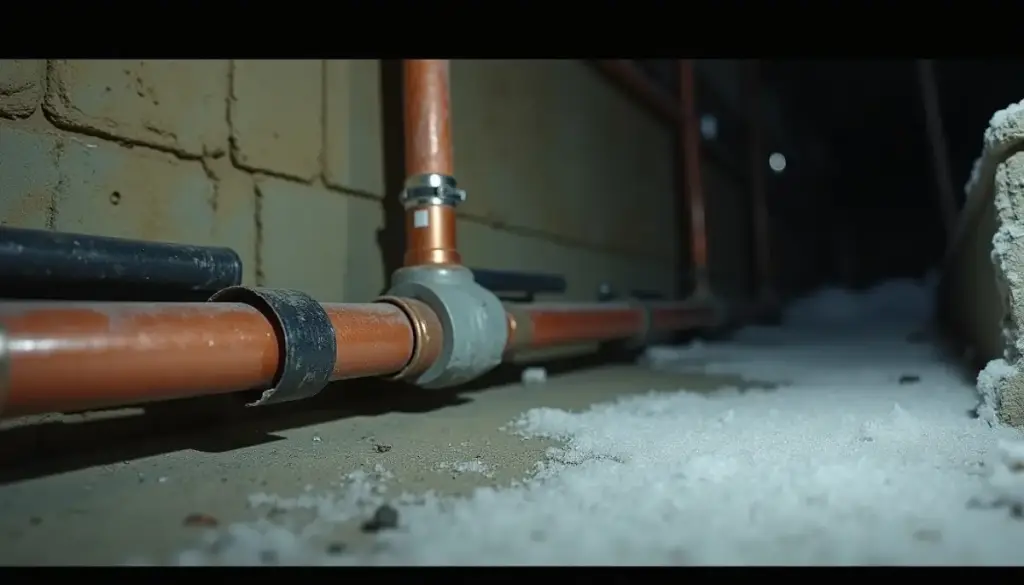
Heat tape for pipes works when it is the right cable type, sized to the pipe, insulated over and plugged into a GFCI outlet; skip any of those four and it either fails or becomes a fire risk.
Key Takeaways
- CPSC estimated about 1,500 fires, 10 deaths and 100 injuries a year from faulty electric heat tapes.
- Raychem FrostGuard is self-regulating at 6 watts per foot at 40°F and comes in 8 lengths from 6 to 100 feet, per the 2025 Chemelex design guide.
- Frost King HC cables are thermostat cables that must run flat along the pipe, never wrapped or spiraled, per the Frost King instruction sheet.
- Chemelex says ground-fault equipment protection must be used on each heating cable branch circuit because a breaker may not stop arcing.
- At the EIA August 2026 residential average of 18.16 cents per kWh, a 126 watt, 18 foot cable costs about 55 cents for 24 straight hours.
- CPSC says to replace uncertified heat tapes older than 3 years and to inspect every heat tape once a year.
Does heat tape for pipes actually work?
Yes. Heat tape for pipes keeps water-filled supply lines above freezing in crawl spaces, garages, attics and mobile home skirting, but only as a system. The cable has to touch the pipe, be the right length, and sit under insulation. Chemelex sizes its FrostGuard kits for 0°F outside air with at least 1/2 inch of fiberglass, and 1 inch for -20°F.
Without insulation over it, the cable’s heat goes straight into the crawl space. Treat it as the last layer, after air sealing and pipe insulation, not the first.
Heat tape is the wrong tool for a pipe that is already frozen solid. If you have no flow now, thaw a frozen pipe safely first, then install cable on the dry, inspected pipe.
What is the difference between self-regulating and constant wattage heat cable for pipes?
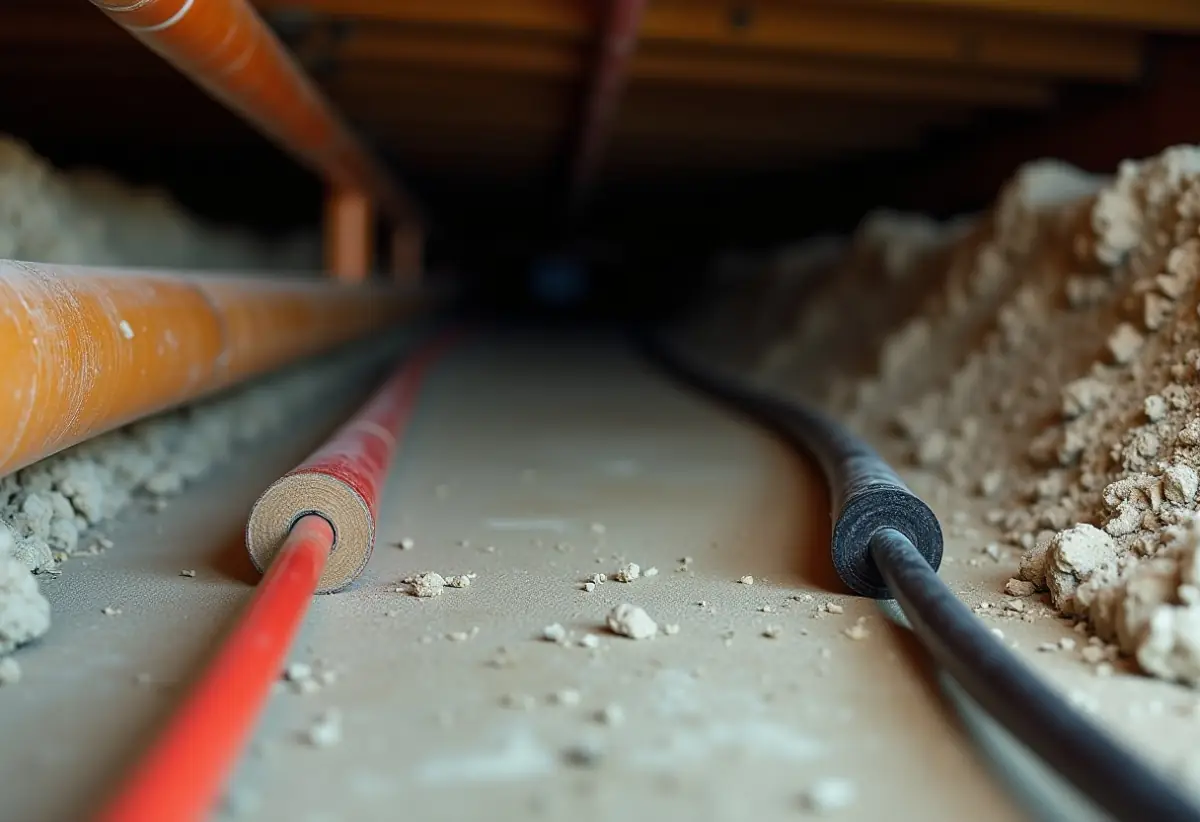
A self-regulating heat cable for pipes has a conductive polymer core between two bus wires that raises output where the pipe is cold and lowers it where the pipe is warm. A constant wattage or thermostat cable puts out the same watts per foot everywhere along its length whenever its thermostat closes, so overlapping it can create a hot spot.
The Chemelex Raychem design guide describes its cables as parallel circuit, which is why you can cut WinterGard from a reel to the exact length and keep the same output per foot. The guide says they “can be straight-traced, spiraled, or overlapped.”
Frost King HC cables are the classic hardware-store kit, a fixed length with a plug, a power light and a built-in thermostat. The Frost King instruction sheet says the cable “must not be wrapped or spiraled” and must lie flat against the pipe. You cannot cut it to length, so you buy the kit that matches the pipe run in the Frost King selection chart and do not oversize it.
| Feature | Self-regulating (Raychem FrostGuard, WinterGard) | Thermostat cable (Frost King HC) |
|---|---|---|
| Output control | Polymer core adjusts output at each point | Built-in thermostat switches whole cable on and off |
| Overlap or spiral | Allowed by Chemelex | Not allowed, flat straight run only |
| Cut to length | WinterGard yes, FrostGuard no (preassembled) | No |
| Pipe sizes in maker chart | FrostGuard up to 2 1/2 in, WinterGard up to 2 in | 3/8 in to 1 1/2 in |
| Draws power when warm | Yes, at reduced output, unless a thermostat is wired in | No, thermostat opens near 45°F |
Which heat tape for pipes fits your run?
Match three things to the manufacturer’s chart: pipe material, pipe diameter and pipe length, then add 1 foot of cable for every valve or spigot, as Chemelex instructs. Short runs under 30 feet on 1 1/2 inch or smaller pipe suit a Frost King kit. Longer runs or bigger pipe call for FrostGuard (to 100 feet) or reel-cut WinterGard.
| Product | Type | Output | Lengths or max circuit | Thermostat | Listed pipe use |
|---|---|---|---|---|---|
| Raychem FrostGuard FG1 (FG1-6P to FG1-100P) | Self-regulating, preassembled, 120 V | 6 W/ft at 40°F | 6, 12, 18, 24, 36, 50, 75, 100 ft kits with 6 ft cord and lighted plug | None built in | Metal or plastic, up to 2 1/2 in, wet or dry |
| Raychem WinterGard H311 | Self-regulating, cut to length, 120 V | 3 W/ft at 40°F | 250 ft max circuit on a 30 A breaker | Optional (AMC-F5 fixed at 40°F) | Metal or plastic, up to 2 in, dry areas only |
| Raychem WinterGard Plus H611 | Self-regulating, cut to length, 120 V | 6 W/ft at 40°F | 200 ft max circuit | Optional | Pipes up to 6 in, dry areas |
| Frost King HC18A | Thermostat cable, fixed length, 120 V | 7 W/ft (126 W) | 18 ft kit | Built in, on near 38°F, off near 45°F | Water-filled metal or plastic supply pipe, 3/8 to 1 1/2 in |
| Frost King HC6A, HC12A, HC30A | Thermostat cable, fixed length, 120 V | See package | 6, 12 and 30 ft kits | Built in | Water-filled metal or plastic supply pipe |
Pipe diameter changes the Frost King answer. On 3/8 to 3/4 inch pipe, one cable covers most lengths. On 1 to 1 1/2 inch pipe, the chart calls for two cables at many lengths (4 to 5 feet, 7 to 8 feet, 10 to 11 feet and others), placed with the overrun zones on opposite sides of the pipe. That two-cable rule is the detail most store-shelf buyers miss.
Breaker size limits long self-regulating runs. Chemelex Table 4 caps 120 V WinterGard at 150 feet per circuit on a 15 amp breaker for a 0°F start-up, and 250 feet for a 40°F start-up, because cold cable draws its highest current at switch-on.
How do you install heat tape on pipes step by step?
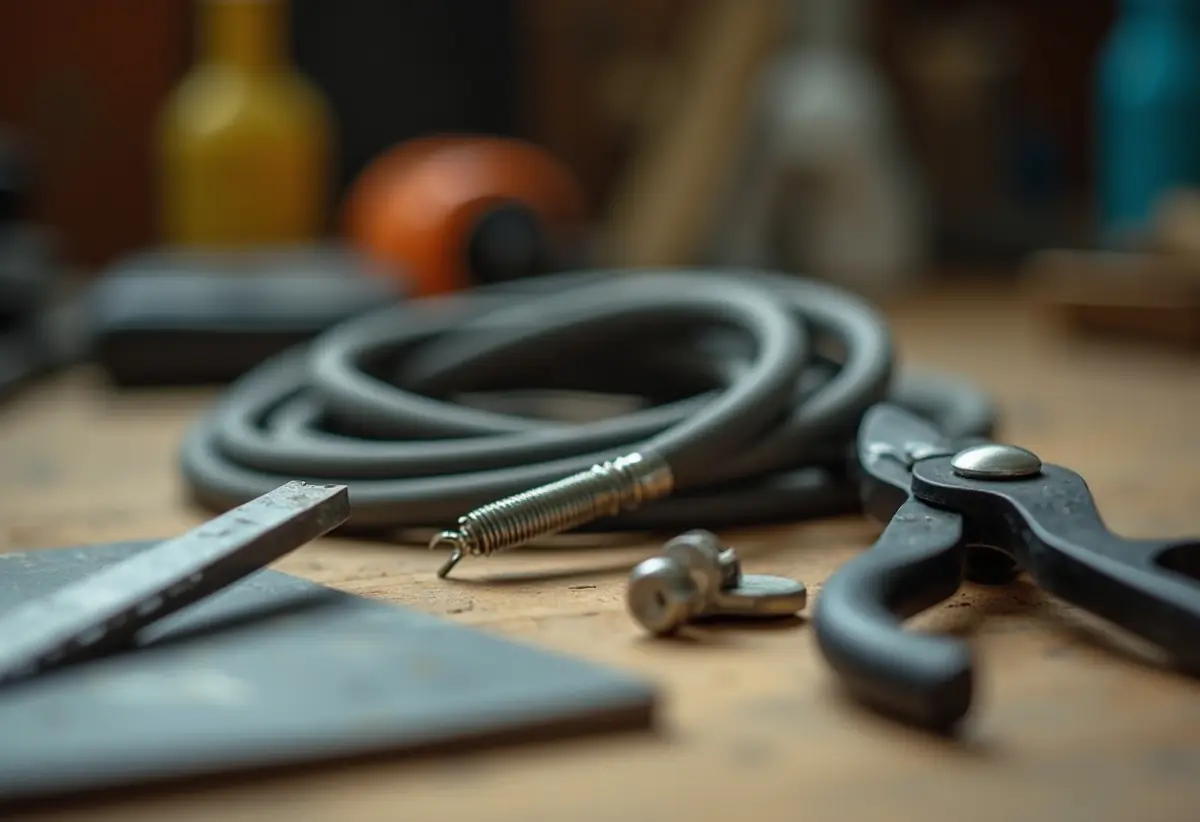
Installing heat tape on pipes takes scissors, a tape measure, a file, a marking pencil and eye protection, the tool list Frost King prints. The sequence below follows the Frost King instruction sheet and the Chemelex design guide. CPSC warns that instructions differ between brands, so read yours too.
- Confirm the pipe is a water-filled supply line, not a drain, fuel line or hose, and that it does not leak.
- Measure the run. Add 1 foot per valve or spigot (Chemelex) and pick the kit from the maker’s chart. Do not oversize a Frost King cable.
- On plastic pipe with a Frost King cable, wrap the pipe in aluminum foil first, per the HC6A specifications, for better heat transfer.
- Lay a Frost King cable flat along the pipe in a straight line, thermostat against the pipe. For a Raychem cable, straight trace or spiral at the ratio in its table, and use two straight traces at the 4 o’clock and 8 o’clock positions if the ratio reads 2.0.
- Fasten with Frost King application tape or electrical tape rated at least 176°F (80°C). Frost King warns that lesser tape can let the cable shift and overheat.
- Cover pipe and cable with 1/2 inch fiberglass or equivalent non-flammable insulation with a vapor seal, or 1 inch for -20°F per Chemelex.
- Keep the end cap sealed and off the ground (CPSC), then plug the 3-prong plug into a GFCI-protected 3-prong outlet.
- Test a Frost King thermostat. Pull the insulation back at the thermostat, hold a bag of ice on it for about 20 minutes, and the cable should feel warm. Reinsulate.
Keep heat cable where you can reach it, because CPSC’s yearly inspection advice assumes you can see the whole tape. If the run sits in an outside wall, rerouting or other ways to prevent frozen pipes make more sense than a cable you cannot see.
Can you use heat tape on PEX or PVC pipe?
Yes, when the product is listed for plastic. Frost King says its HC cables “can be used on water filled plastic or metal supply pipes.” Chemelex says Raychem cables are safe on plastic because the self-regulating core prevents hot spots when overlapped or insulated. Neither maker allows a cable on an empty plastic pipe, since water carries the heat away.
Plastic conducts heat poorly, so it needs more help. Chemelex publishes a separate plastic-pipe selection table, and Frost King suggests foil under the cable. Check the label before buying any no-name tape. If the package does not say plastic pipe, do not put it on PEX, PVC or CPVC.
Raychem lists a maximum exposure temperature of 150°F for FrostGuard and WinterGard, which matters near a hot line.
How much does heat tape for pipes cost to run?
Running cost equals watts times hours divided by 1,000, times your price per kWh. At the EIA August 2026 residential average of 18.16 cents per kWh, a 36 watt FrostGuard FG1-6P costs about 16 cents a day at full output and a 126 watt Frost King HC18A about 55 cents. Real bills run lower because output drops or the thermostat cycles off.
The chart is a ceiling. It assumes rated watts for all 720 hours. Self-regulating output is rated at 40°F, so a colder pipe draws more and a warmer one less. A Frost King cable draws nothing above about 45°F.
To estimate your own bill, swap in your utility’s rate and the hours the pipe space actually sits below 40°F. Our frozen pipe risk by metro data shows how many hard-freeze days your area sees. On a hardwired WinterGard circuit, a 40°F line-sensing thermostat such as the Raychem AMC-F5 cuts the warm-day draw to zero.
Is heat tape a fire hazard?
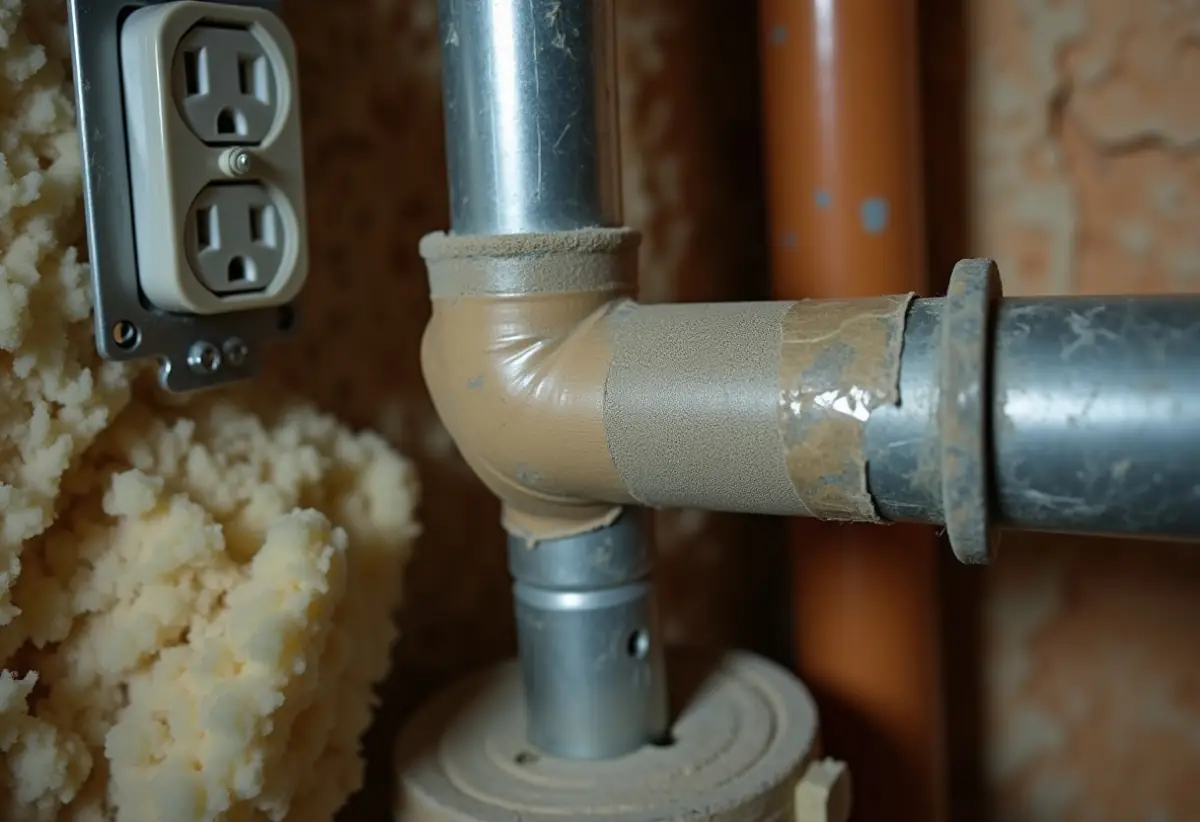
It can be. CPSC estimated about 1,500 fires, 10 deaths and 100 injuries a year from faulty electric heat tapes, and its safety guidance targets overlapping, flammable insulation and old uncertified tapes. The fixes are specific: a certified cable, a GFCI outlet, non-flammable insulation and no overlap unless the maker permits it.
The CPSC guidance reads like a checklist. Plug the 3-prong plug into a 3-prong outlet so the tape is grounded, and use a GFCI-protected outlet. “Do not wrap heat tape over itself unless specifically permitted in the manufacturer’s instructions.” Apply it directly to the pipe, never on top of existing insulation, and never use pipe tape on gutters, driveways or fuel lines.
Chemelex prints a fire-hazard warning in its guide. To limit sustained arcing from a damaged or poorly installed cable, and to meet agency certifications and national electrical codes, “ground-fault equipment protection must be used on each heating cable branch circuit.” Its H908 plug-in power connection kit includes built-in ground-fault equipment protection for that reason. Hardwired circuits should go to a licensed electrician, who will apply the NEC rules your jurisdiction has adopted.
How long does heat tape last and when should you replace it?
Plan on inspecting it every fall and replacing it at the first crack. Frost King warrants HC cables for 12 months. CPSC says to replace uncertified heat tapes more than 3 years old with tapes certified to UL, CSA or FM standards, and to replace any tape at once if it shows deterioration such as cracked insulation or bare wire.
- Check the plug light first. Frost King says no light means no power, and the GFCI may have tripped.
- Run the 20 minute ice-bag test on any thermostat cable before the first hard freeze.
- Look for brittle, discolored or chafed jacket at bends and at tape points.
- Replace insulation that is wet or crushed, since soaked fiberglass insulates poorly.
How we sourced this
We read the Chemelex Raychem residential self-regulating design guide (2025 edition, H53585), the Frost King HC heat cable instruction sheet, Frost King HC product listings and HC6A specifications, the CPSC heat tape guidance release, and EIA Electric Power Monthly Table 5.6.A for August 2026 prices. We consulted 7 sources and cited 5. CPSC’s fire, death and injury figures are estimates from its 1996 release, and we found no newer CPSC figure. Retail prices and EasyHeat specifications were excluded because we could not confirm them from a primary source. Running costs are our arithmetic from listed watts. Code references are described generally.
Frequently asked questions
Does heat tape really work on pipes?
Yes, on water-filled supply pipes that are insulated over the cable. Chemelex sizes its FrostGuard kits for 0°F outside air with at least 1/2 inch of fiberglass insulation, and calls for 1 inch to protect down to -20°F. Bare cable on an uninsulated pipe loses its heat to the air.
Should heat tape be plugged in all the time?
A thermostat cable such as the Frost King HC series can stay plugged in all winter, because its built-in thermostat switches on near 38°F and off near 45°F. A self-regulating FrostGuard cable has no thermostat and draws some power whenever plugged in, so unplug it in spring once freezing nights end.
Can you put insulation over heat tape?
Only the insulation the manufacturer names. Frost King requires 1/2 inch fiberglass or equivalent non-flammable insulation with a vapor seal over the whole installation. CPSC advises using non-flammable insulation such as fiberglass rather than foam or vinyl, and never covering a heat tape with insulation unless the instructions allow it.
Can heat tape be used on PEX or PVC pipe?
Yes, if the product says plastic pipe on the label. Frost King says its HC cables work on water-filled plastic or metal supply pipes, and its HC6A specifications suggest wrapping plastic pipe in aluminum foil first. Chemelex rates FrostGuard and WinterGard for plastic and metal pipe and publishes separate selection tables for plastic.
Do you wrap heat tape around the pipe or run it straight?
It depends on the cable type. Frost King thermostat cable must lie flat in a straight line along the pipe and must not be wrapped or spiraled. Self-regulating Raychem cable can run straight, spiral or overlap, and Chemelex tables give the spiral ratio, such as 1.3 feet of cable per foot of pipe, for colder or larger pipes.
How much does it cost to run heat tape?
Multiply watts by hours, divide by 1,000 and multiply by your power price. An 18 foot Frost King HC18A at 126 watts costs about 2.3 cents an hour at the August 2026 EIA residential average of 18.16 cents per kWh, or about 55 cents for 24 hours of nonstop heating. The thermostat cuts that by cycling off.
How long does heat tape last?
Frost King warrants its HC cables for 12 months. CPSC tells homeowners to replace any uncertified heat tape older than 3 years with one certified to a UL, CSA or FM standard, inspect every heat tape each year, and replace it at once if the jacket is cracked, brittle or shows bare wire.