How to Snake a Main Sewer Line Through the Cleanout
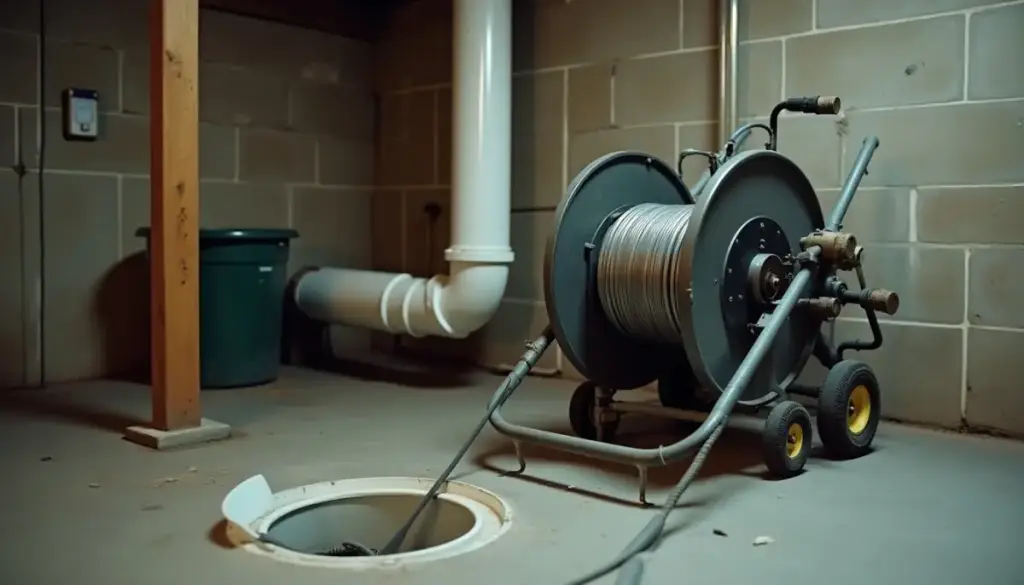
How to snake a main sewer line: rent a 100-foot drum machine with 5/8 or 3/4 inch cable, feed it through the cleanout with the machine within 3 feet of the opening, and retract it running forward.
Key Takeaways
- RIDGID’s K-750 operator’s manual rates the machine for 3 to 6 inch lines up to 150 feet and 4 to 8 inch lines up to 200 feet, with the cable spinning at 200 RPM.
- The same manual says to keep the cable outlet within 3 feet of the drain opening and to have at least 1 foot of cable in the drain before pressing the foot switch.
- RIDGID’s sizing rule caps the largest cutter at the pipe’s inside diameter minus 1 inch, so a 4 inch main takes a 3 inch cutter at most.
- RC Engine Service rents a General Easy Rooter with 100 feet of 5/8 inch cable, rated for 3 to 6 inch lines, for $80 a day; Dutch-Way Hardware rents a 3/4 inch, 100-foot Model R for $99 a day.
- Fixr puts professional sewer snaking at $150 to $375, with a $250 national average for a main line cleaned through an accessible cleanout.
How do you know the clog is in the main sewer line?
A main sewer line clog shows up at several fixtures at once, and the lowest drain in the house backs up first: a basement floor drain, a ground-floor shower, or a first-floor toilet. If only one sink or tub is slow, the clog sits in that branch line, and a small hand auger at that fixture is the right tool instead of a 100-foot machine. Before grabbing that 100-foot machine, check whether a pressure washer jetter kit might clear the branch line just as well.
Fixr lists the classic tells: a toilet gurgles when a sink runs, water rises in the tub when the toilet flushes, or a washing machine drain-out makes sinks and toilets overflow. Each of those means water from one fixture cannot get past a shared pipe downstream.
Test before renting: flush the lowest toilet twice and watch the floor drain or tub. Water rising there puts the blockage past the junction, as our main sewer line clog guide explains.
Where is the sewer cleanout and how do you open it safely?
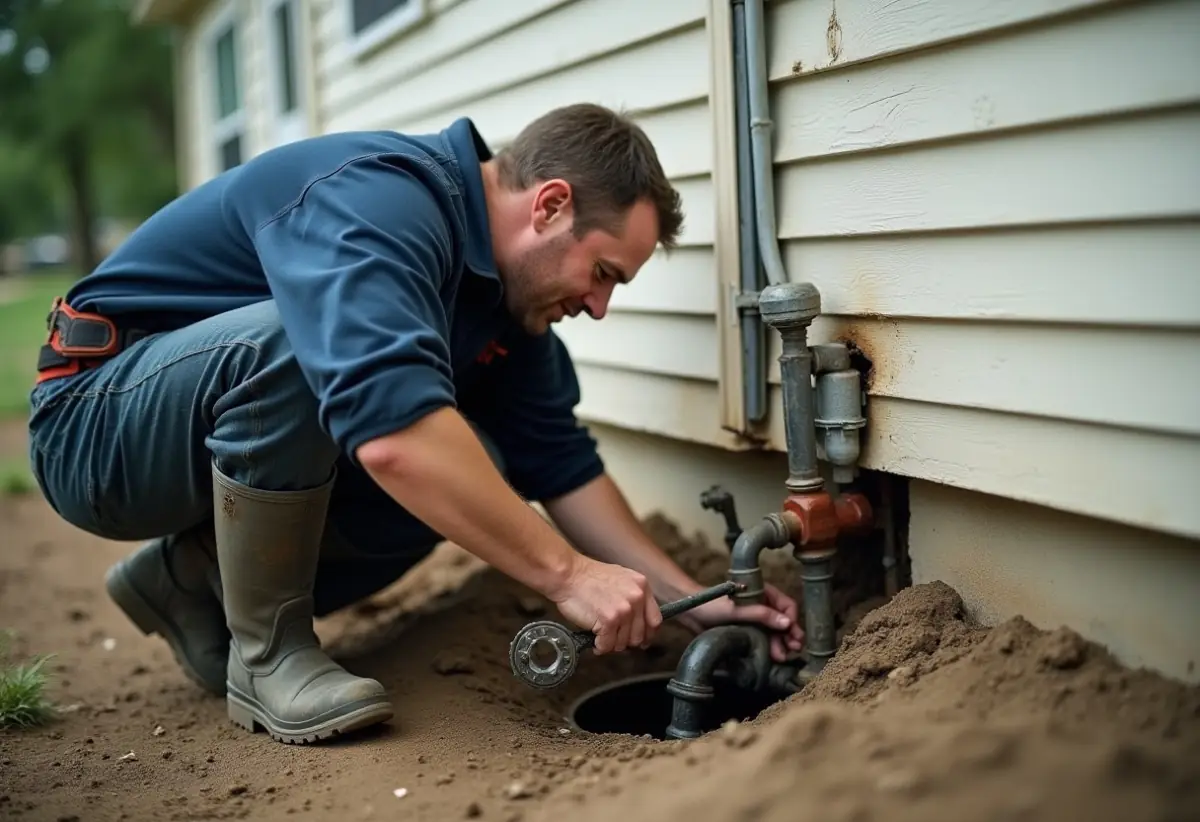
The main cleanout is a capped pipe, usually 3 or 4 inches, found outside near the foundation, in the yard between the house and street, or on the building drain in a basement or crawlspace. Fixr notes many homes have one near the base of the main stack plus one in the yard. Open the cap slowly and stand to one side, because sewage standing in the pipe above it will pour out.
Hunker’s DIY guide puts it plainly: if the pipe above the cleanout is full of sewage, it comes out when the cap comes off, so stand beside the pipe, not in front of it. Loosen the square nut on the plug a little at a time with a wrench or large pliers so backed-up water drains into a bucket instead of a flood.
- Pick the cleanout closest to the street when you have a choice, so the cable runs away from the house.
- If a cast iron plug will not turn, stop before you crack the fitting; replacing a cleanout runs $1,000 to $3,500, per Fixr.
Our sewer line cleanout guide covers cap styles and where to look on older homes.
What size sewer snake do you need for a main line?
A 3 or 4 inch main needs a drum machine carrying 100 feet of 5/8 or 3/4 inch cable. RC Engine Service rates its 5/8 inch Easy Rooter for 3 to 6 inch lines, Dutch-Way’s 3/4 inch Model R is built for 3 to 6 inch lines up to 100 feet, and a 50-foot, 1/2 inch Mini Rooter tops out at 3 inch drains, which makes it a branch-line tool.
| Machine | Cable | Pipe size | Rental cost |
|---|---|---|---|
| General Mini Rooter (RC Engine Service) | 50 ft x 1/2 in | 1 1/4 to 3 in (branch lines only) | $20 for 2 hr, $50 a day |
| General Easy Rooter (RC Engine Service) | 100 ft x 5/8 in Flexicore | 3 to 6 in | $30 for 2 hr, $60 half day, $80 a day, $275 a week |
| Easy Rooter (Nickell Rental) | 100 ft x 3/4 or 5/8 in Flexicore | 3 to 10 in, per listing | $54 for 4 hr, $72 for 24 hr, $284 a week |
| Model R drain cleaner (Dutch-Way Hardware) | 100 ft x 3/4 in | 3 to 6 in, up to 100 ft | $75 for 4 hr, $99 a day, $225 a week |
| RIDGID K-750 (contractor machine) | 5/8 or 3/4 in inner core | 3 to 6 in up to 150 ft; 4 to 8 in up to 200 ft | Not on the rate cards we checked |
Rates checked October 2026; they vary by store and region.
The RIDGID K-750 is the benchmark: 1/2 HP, 200 RPM, 95 pounds, and an optional AUTOFEED that moves cable at up to 20 feet per minute. Rental Easy Rooters are lighter, with RC Engine Service listing 80 pounds and a 1/3 HP motor, and Hunker says you need one strong helper to load and unload a rental snake unless you have a ramp.
Hunker recommends manual feed over auto-feed for a first-timer. Our drain snake rental guide compares every machine class.
Which cutter head should you use for roots, wipes or paper?
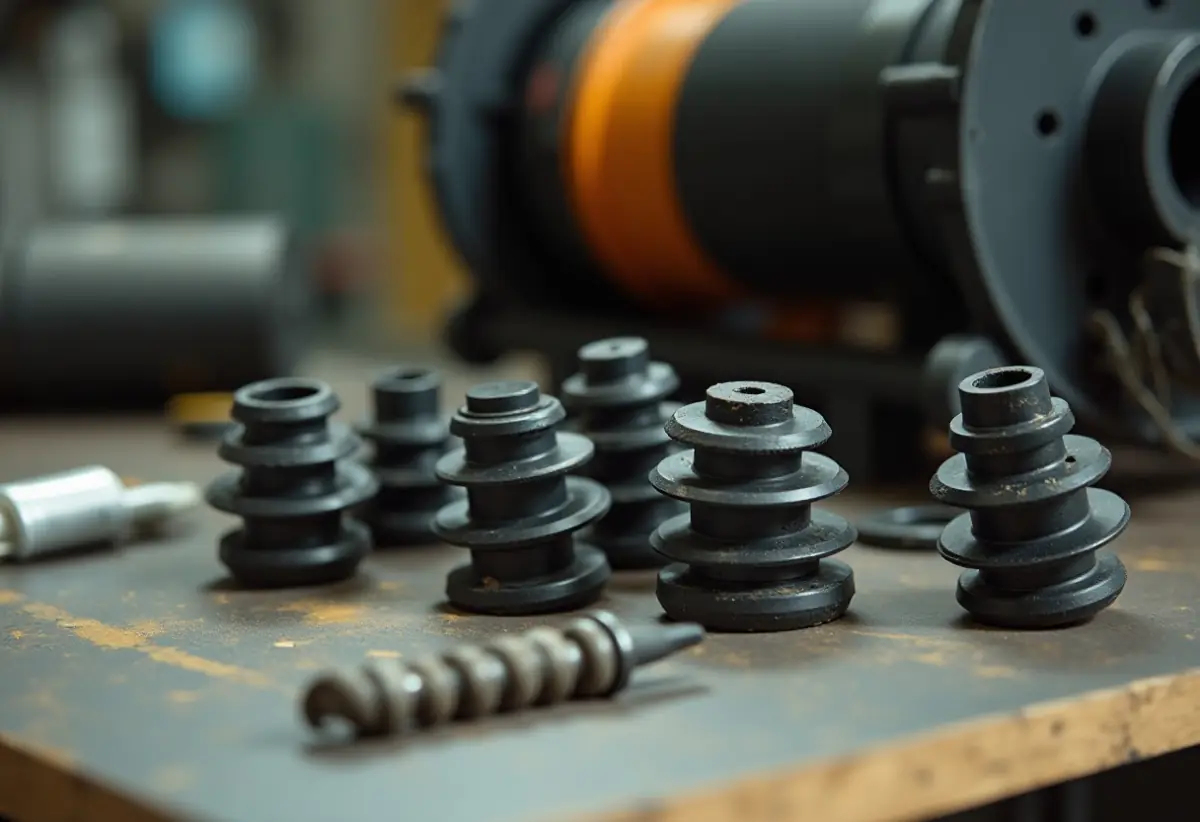
Start with a straight or bulb auger to find the clog and pull back a sample, then size up. RIDGID’s K-750 manual says to begin with the smallest tool that gets water moving and never run a cutter larger than the pipe’s inside diameter minus 1 inch. In a 4 inch main that means a 3 inch cutter at most; in a 3 inch line, 2 inches.
- Wipes, paper, rags: a retriever or bulb head hooks the mass so you can pull it out instead of packing it farther down the line.
- Grease and sludge: a 2 inch U-cutter scrapes the pipe wall; RC Engine Service’s Easy Rooter kit includes a 2 inch U-cutter.
- Fine roots: a 3 inch heavy-duty saw blade or side cutter; the same kit carries both, and Hunker adds that some kits include a spiral saw-type cutter for stubborn roots.
RIDGID’s older K-750 tool set lists the T-411 2 inch, T-413 3 inch and T-414 4 inch cutters. Lock the cutter tight; the manual warns a loose tool can fall off in the line.
How do you snake a main sewer line step by step?
To snake a main sewer line, set the machine within 3 feet of the open cleanout, start with 1 foot of cable already in the pipe, feed 6 to 12 inches at a time with both gloved hands on the cable, and back off the moment the cable winds up. Retrieve with the switch in forward while water runs. These steps follow RIDGID’s K-750 operator’s manual.
- Check the rental cable for kinks and broken wires, test the foot pedal, and press the GFCI TEST button; RIDGID says the indicator light should go out, then come back on with RESET.
- Run power with a grounded cord: RIDGID calls for 16 AWG up to 50 feet and 14 AWG from 50 to 100 feet.
- Set the machine on a dry, level spot with the outlet no more than 3 feet from the cleanout.
- Attach the bulb or straight auger and confirm no more than 6 inches of cable hangs out of the drum before startup.
- Push at least 1 foot of cable into the pipe by hand, aimed downstream toward the street.
- Set the switch to FOR, with the pedal and switch both in reach.
- Pull 6 to 12 inches of cable from the drum, grip it with both gloved hands, press the pedal and push it in. Repeat, counting drum wraps (about 4 feet each).
- When the cable loads up or the tip stops turning, pull back at once, then ease back into the clog without forcing it.
- Once water drops, run a hose or faucet into the line to flush the debris.
- Retrieve the cable with the switch still in FOR, 6 to 12 inches at a time, letting the water rinse it as it comes out.
- Stop with the tip just inside the cleanout, release the pedal, wait for a full stop, then pull the head out.
Hunker’s writer finishes in two to three hours on a roughly $75 rental, then starts the cleanout cap by hand so it does not cross-thread. New to power augers? Read how to use a plumbing snake first.
What safety rules keep a sewer snake from hurting you?
Most sewer snake injuries come from cable that twists, kinks or whips when the cutter stalls while the drum keeps turning. RIDGID’s K-750 manual warns that this can break the cable and cause striking or crushing injuries, so one person must hold the cable and work the foot pedal, ready to release the pedal the instant the tip stops spinning.
- Wear drain cleaning gloves; RIDGID warns latex gloves, loose gloves or rags can wrap around the cable.
- Never let a bow or loop of cable build outside the pipe.
- Use REV only for a few seconds to back a stuck tool out; the manual says reverse damages cable.
- Never stand in water while running the machine.
- Do not feed cable into a larger pipe or septic tank, where RIDGID says it can knot.
If the tool sticks, release the pedal while holding the cable; the drum may spin backward as tension lets go.
When should you stop snaking and call a plumber?
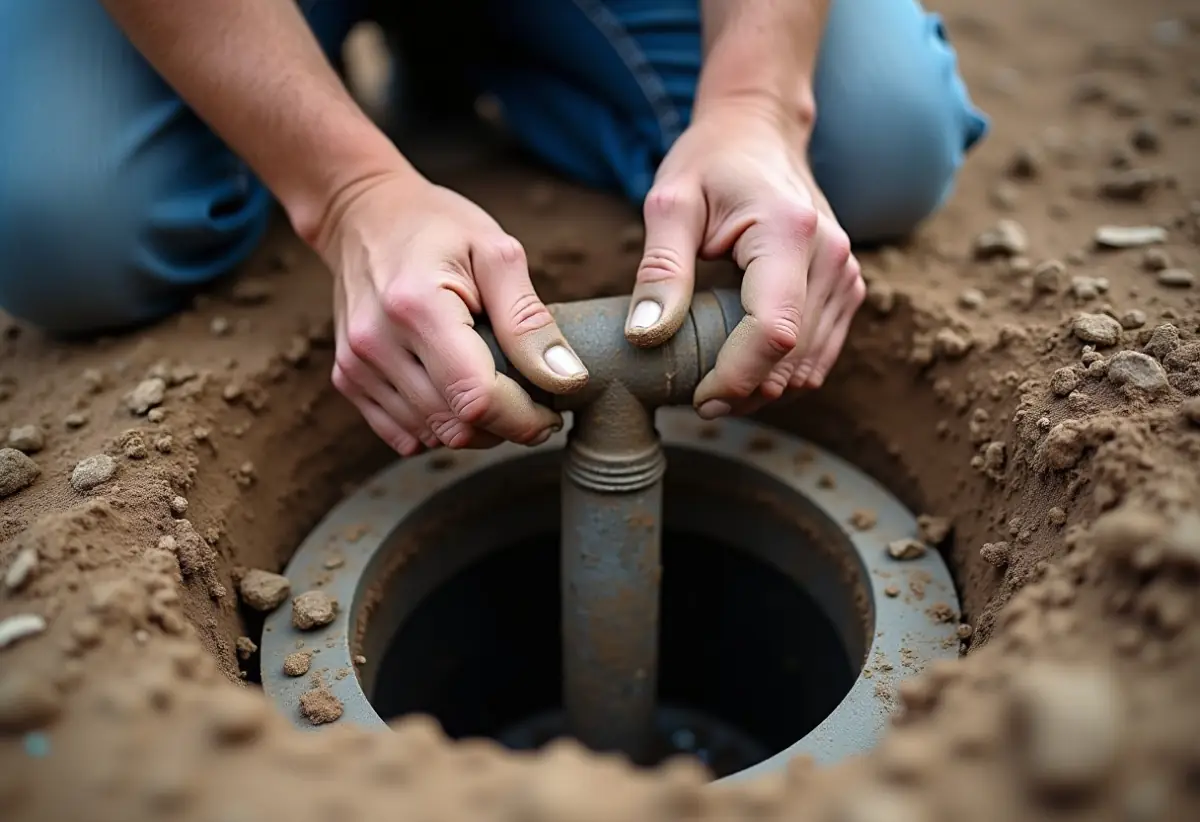
Stop when the cable hits a hard stop it cannot pass after several tries, keeps binding at the same distance, or the clog returns within days. Hunker says repeated binding can mean a large root mass or a broken pipe, and that calls for a camera inspection. Also stop if your home is on a septic system, since snaking can damage the tank.
- Roots that come back: a cutter trims roots but not the joint they entered through.
- Hard stop at the same footage: count the drum wraps and give the plumber that distance, since a collapse, offset joint or belly can only be confirmed on camera.
- No cleanout: Hunker’s fallback is pulling a ground-floor toilet and snaking the drain, but RIDGID says never to feed cable through a fixture, so the toilet must come off first.
Fixr puts a cleaning job with a video inspection at $300 to $600, and hydro jetting at $250 to $1,000, a method Fixr says removes some clogs and full blockages better than a snake.
How much does it cost to snake a main sewer line yourself vs hiring a plumber?
Doing it yourself costs $72 to $99 for a one-day rental of a 100-foot machine at the three counters we checked, plus gloves and an extension cord. Fixr puts professional snaking at $150 to $375, with a $250 national average for a main line through an accessible cleanout, so a successful DIY job saves roughly $150 to $180 against that average.
Fixr estimates a basic main line clog takes a plumber 1 to 2 hours at $75 to $150 an hour. If the cable stalls at a root mass or broken joint, you pay the rental and then the plumber.
How we sourced this
We consulted 12 sources and cited 6: the RIDGID K-750 operator’s manual (document 278-104-411.10 Rev F, read on ManualsLib), rental listings from RC Engine Service, Dutch-Way Hardware and Nickell Rental (checked October 2026), Fixr’s sewer line cleaning cost guide (updated January 31, 2025), and Hunker’s DIY sewer clog guide. We excluded Home Depot, Spartan Tool, HomeGuide and Angi pages we could not load, cost pages with no named methodology, and IPC cleanout text we could not view directly.
Frequently asked questions
Can I snake my main sewer line myself?
Yes, with an accessible cleanout, a helper to load an 80 to 95 pound machine, and a municipal sewer rather than septic. Hunker’s writer finishes in two to three hours on a roughly $75 rental. Call a plumber if the cable keeps binding at the same spot.
How far can a rental sewer snake reach?
Most rental sewer machines carry 100 feet of cable. RIDGID rates its contractor K-750 for 150 feet in 3 to 6 inch lines and 200 feet in 4 to 8 inch lines. Each drum wrap holds about 4 feet, so counting wraps tells you how far the cable has gone.
What size snake do I need for a 4 inch sewer line?
Use a drum machine with 5/8 or 3/4 inch cable. RC Engine Service rates its 5/8 inch Easy Rooter for 3 to 6 inch lines, and Dutch-Way’s 3/4 inch Model R covers the same range. Keep the cutter no larger than the pipe’s inside diameter minus 1 inch, per RIDGID, which means a 3 inch cutter at most in a 4 inch main.
Can you snake a main line without a cleanout?
Sometimes. Hunker describes pulling a ground-floor toilet and snaking through its drain, though it suggests leaving that to a plumber. RIDGID warns against feeding cable through a fixture, so the toilet has to come off first. A plumber can also add a cleanout, which Fixr prices at $1,000 to $3,500 depending on access.
Should I run a sewer snake in reverse?
Only for a few seconds to back a stuck cutter out of a blockage. RIDGID’s K-750 manual warns that running in reverse can damage the cable and tells operators to retrieve the cable with the switch in forward while water flushes the line.
How do I know the main line is clear?
Water standing in the cleanout drops quickly and the lowest drain stops backing up. Run a hose into the cleanout while you retrieve the cable, then cap it and run several fixtures at once. If the clog returns within days, book a camera inspection.
How much does it cost to rent a sewer snake?
A 100-foot sewer machine rented for $72 to $99 a day at the three counters we checked in October 2026, with short-block rates from $30 for two hours to $75 for four hours. Fixr puts a professional snaking job at $150 to $375, so renting saves money only when the clog is soft enough for a cutter head.
Where can I put the snake to unclog a main drain pipe?
Feed the snake through the main cleanout, a capped pipe usually 3 or 4 inches, found outside near the foundation, in the yard between house and street, or on the building drain in a basement or crawlspace. Set the machine within 3 feet of that opening. Without a cleanout, a ground-floor toilet can be pulled and the drain snaked after removal.