Toilet Won’t Flush? Diagnose the Cause by Symptom and Fix It
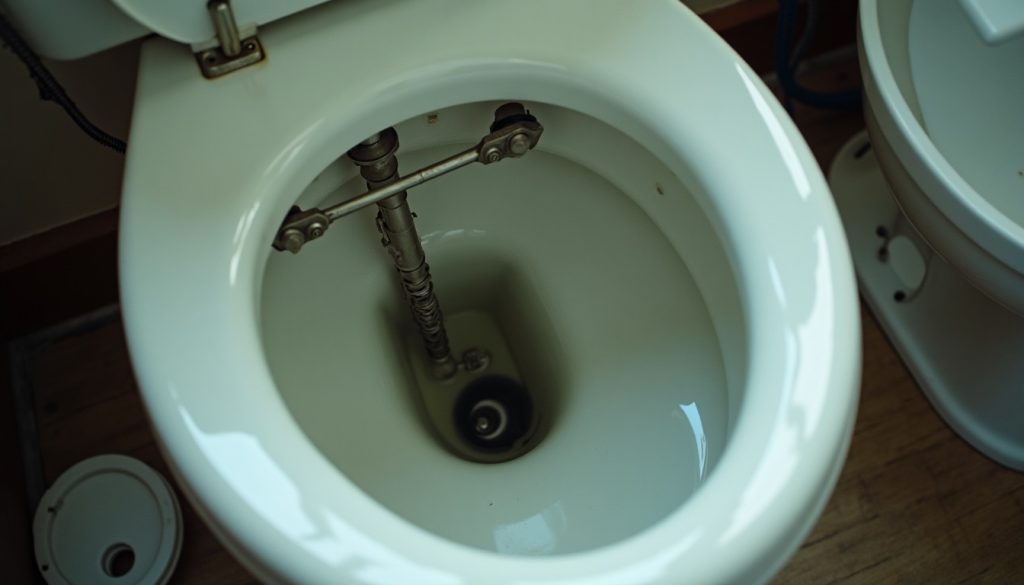
A toilet won’t flush for one of six reasons: a slack or broken lift chain, a bad flapper, low tank water, a trap clog, mineral-blocked rim jets, or a blocked vent, and the symptom tells you which.
Key Takeaways
- Most no-flush problems live in the tank: the lift chain needs about 1/2 inch of slack when the flapper is closed, per Fluidmaster installation instructions.
- Tank water should sit about 1/2 inch below the top of the overflow tube (Fluidmaster) or at the waterline stamped inside the tank; low water gives a weak or failed flush.
- Rising water in the bowl points to a clog, not a tank fault. HomeAdvisor prices professional clog removal at $85 to $600.
- HomeAdvisor puts the average toilet repair at $271, with most homeowners paying $150 to $391.
- Modern toilets flush with 1.6 gallons or less under the federal standard, and WaterSense models use 1.28 gallons or less, per the EPA. Less water means a tank fault shows up faster.
- A flapper that leaks instead of sealing can waste up to 200 gallons a day, per EPA WaterSense, so fix tank faults even if the toilet still sort of flushes.
Why won’t my toilet flush? Match the symptom to the cause
A toilet won’t flush because water never leaves the tank fast enough, or because the bowl cannot drain once it does. Watch what happens when you push the handle. A limp handle points to the chain, a short burst points to the flapper or water level, a rising bowl points to a clog, and a slow gurgling drain points to the rim jets or the vent.
Every flush depends on a fast dump of tank water that fills the trapway and starts a siphon. Our explainer on how a toilet works walks through the full cycle. Use the table below to jump to your fix.
| Symptom | Likely cause | Fix | DIY or pro |
|---|---|---|---|
| Handle moves freely, nothing happens | Lift chain unhooked or broken handle arm | Reclip chain with about 1/2 inch slack; replace handle if the arm snapped | DIY, minutes |
| Handle feels stiff or sticks down | Corroded handle nut or chain caught under flapper | Loosen or replace the handle; free and shorten the chain | DIY |
| Short, partial flush unless you hold the handle | Flapper drops too early (waterlogged, or chain too slack) | Shorten chain or set the flapper’s float; replace a warped flapper | DIY, low-cost part |
| Weak flush, tank looks half empty | Low water level, partly closed shutoff, or failing fill valve | Open shutoff fully; raise float; replace fill valve if it will not adjust | DIY or pro |
| Bowl fills and rises instead of draining | Clog in the trapway or drain line | Stop flushing, plunge with a flange plunger, then a closet auger | DIY first, pro if it returns |
| Weak swirl, water dribbles from under the rim, brown streaks | Mineral scale in rim holes and siphon jet | Clean holes with vinegar and a wire or hex key | DIY |
| Slow flush plus gurgling, slow drains elsewhere, sewer odor | Blocked plumbing vent | Clear the vent from the roof with a snake or hose | Usually pro |
What should you check first?
Work from the cheapest, fastest check to the hardest, with the tank lid off.
- Confirm the shutoff valve behind the toilet is fully open (turn it counterclockwise until it stops).
- Push the handle and watch the chain lift the flapper.
- Check the water level against the waterline mark or the overflow tube.
- Flush and watch the bowl: draining, slow, or rising.
- Check the other drains in the house for slow drainage or gurgling.
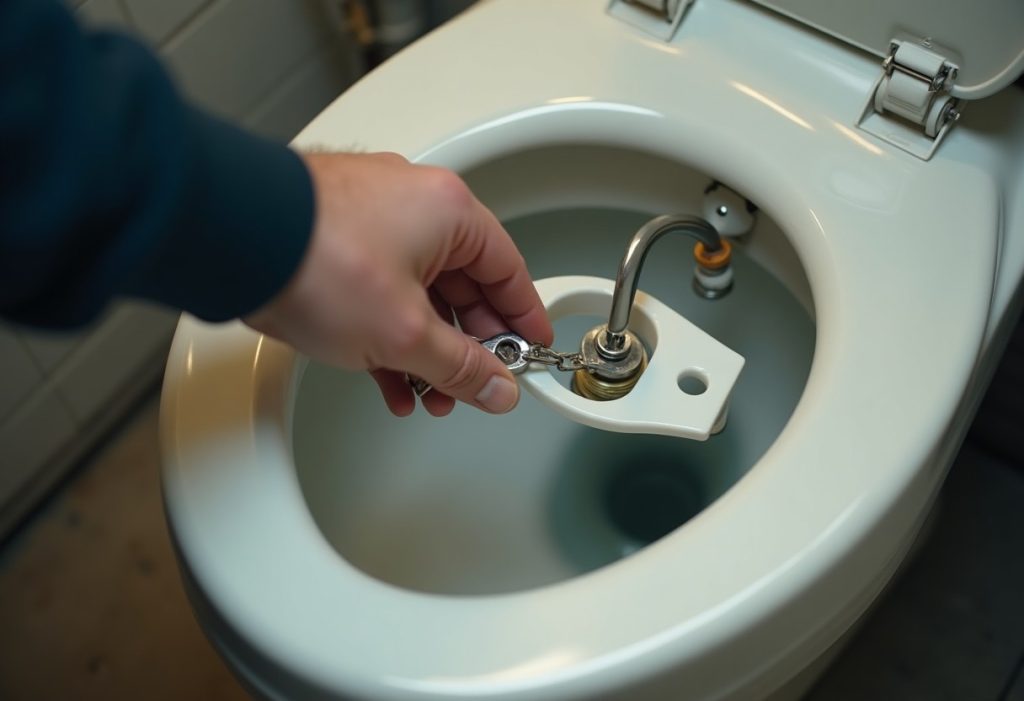
Is the handle or lift chain why your toilet won’t flush?
If the handle moves with no resistance and nothing happens in the tank, the lift chain is off or the handle arm is broken. This is the most common and cheapest no-flush fault. Reattach the chain to the handle arm with about 1/2 inch of slack when the flapper is closed, the setting Fluidmaster gives in its installation instructions.
Chain length matters in both directions. Too much slack and the handle reaches the end of its travel before the flapper lifts high enough to stay open. Too little slack and the chain holds the flapper slightly off its seat, so the tank leaks and runs between flushes.
If the chain is fine but the handle flops, look at the arm and the nut inside the tank wall. Toilet handle nuts are often reverse-threaded, so loosen them clockwise. A universal handle is usually a few dollars at a hardware store, and HomeAdvisor lists a hired handle replacement at $50 to $80.
Could a bad flapper stop the toilet from flushing?
Yes. A flapper that lifts and then drops back almost at once sends only a short pulse of water into the bowl, which may not start the siphon. A warped or waterlogged flapper does this, and so does an adjustable flapper set too low. The fix is to adjust the flapper’s float or replace it, a low-cost part at any hardware store.
The giveaway is a toilet that flushes fully only when you hold the handle down. Holding the handle keeps the flapper open by force, which proves the rest of the system works.
Flappers come in 2-inch and 3-inch sizes to match the flush valve opening, and many high-efficiency toilets use the larger 3-inch size. Our guide to choosing and replacing a toilet flapper covers sizing, the dye test, and chlorine-resistant materials in detail.
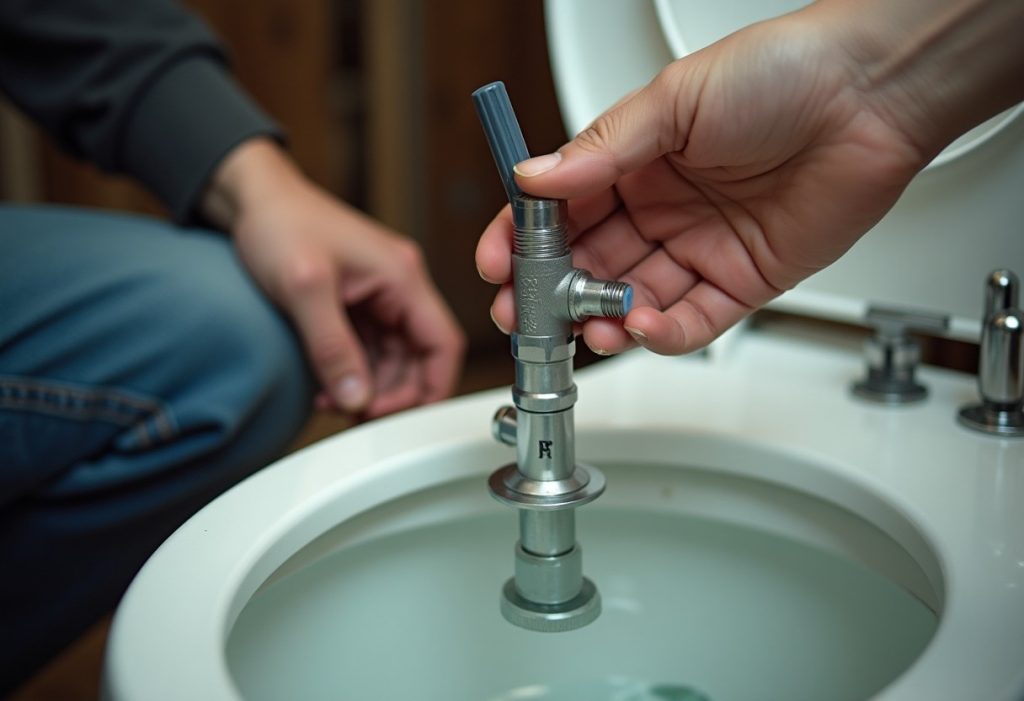
Is low tank water or a bad fill valve weakening the flush?
If the flush starts but stops before the bowl clears, the tank probably holds too little water. Set the level about 1/2 inch below the top of the overflow tube, per Fluidmaster, or at the waterline mark molded inside the tank. A float set too low, a partly closed shutoff valve, or a worn fill valve all cause this.
Start with the shutoff valve. A valve left half closed after an earlier repair refills the tank slowly, so turn it fully counterclockwise.
Next, adjust the float. On a modern float-cup fill valve, turn the adjustment screw or squeeze the clip and slide the cup up. On an older ball float, bend the arm up slightly or turn its adjustment screw.
If the tank still fills slowly or will not hold the set level, replace the fill valve. Check that the refill tube clips to the overflow tube instead of reaching down inside it, because a refill tube pushed too deep can siphon water out of the tank, per Fluidmaster’s troubleshooting notes. HomeAdvisor lists slow-filling repairs at $60 to $200 hired out.
How do you clear a clog in the toilet trap?
When the bowl fills and rises instead of draining, the clog sits in the trapway built into the toilet or in the drain line beyond it. Stop flushing at once, push the flapper closed, and turn off the shutoff valve. Then use a flange plunger, which seals into the drain opening, before you move up to a closet auger. If clogs become a recurring problem, troubleshooting repeat toilet clogs walks through the six most common underlying causes.
Plunge with several firm, steady strokes while keeping the plunger cup under water, then pull it away sharply. If the water drops, flush once with the lid open and your hand near the flapper. Our full guide on how to unclog a toilet covers the auger technique and no-plunger methods.
Skip chemical drain cleaners. They rarely reach a trapway clog, they sit in the bowl, and they can harm anyone who plunges afterward. If the clog comes back within days, or if other fixtures back up when you flush, the blockage is likely deeper in the drain line and a plumber with a longer cable or camera is the right call.
Are clogged rim and siphon-jet holes making your toilet flush weakly?
Yes, in hard-water areas they often are. Toilet bowls release flush water through a row of small holes under the rim and through a larger siphon jet near the bottom of the bowl. Calcium and lime scale narrows those openings over time, so less water enters the bowl at speed and the siphon starts weakly or not at all.
Signs include a lazy swirl, water that dribbles straight down instead of spraying, brown or white streaks below the rim, and a flush that clears liquid but not solids. A small mirror held under the rim shows whether the holes are crusted.
How to clean the rim holes and siphon jet
- Turn off the shutoff valve and flush to drain the tank and lower the bowl.
- Pour white vinegar into the overflow tube so it runs out through the rim holes, and let it soak for several hours.
- Scrape each rim hole with a bent wire hanger or a small hex key, working the scale loose.
- Clean the siphon jet opening at the bottom of the bowl with a toilet brush or a gloved finger.
- Turn the water back on and flush several times to clear the loosened scale.
Many guides stop at the rim holes, but the siphon jet drives the siphon on most gravity toilets. Clear both, or the flush stays weak.
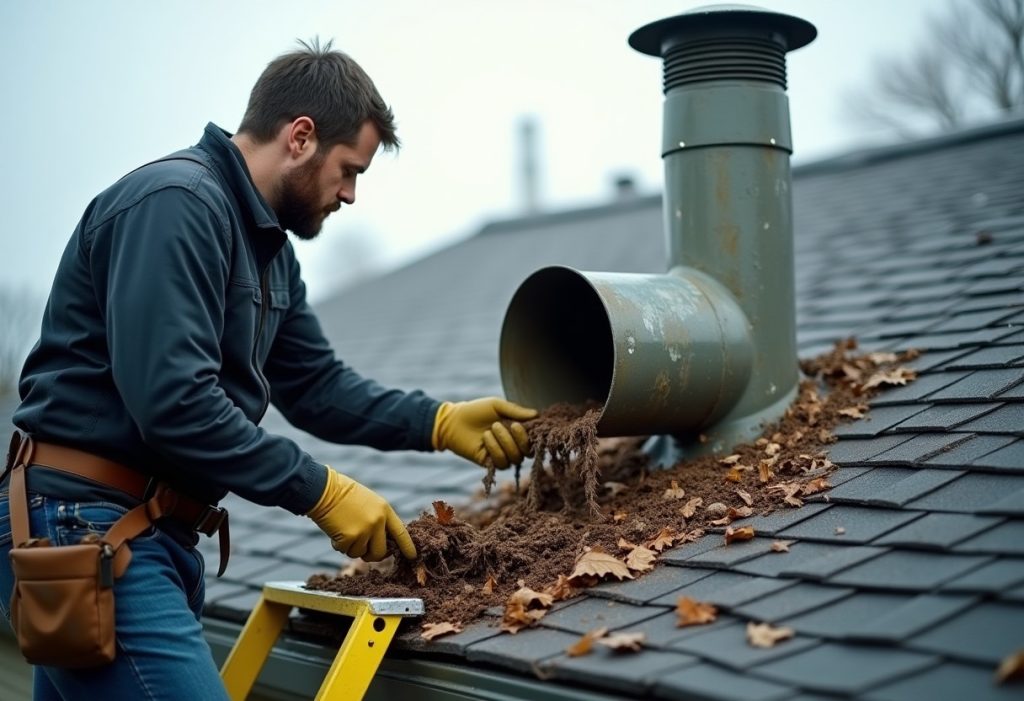
Can a blocked plumbing vent stop a toilet from flushing?
A blocked vent rarely stops a flush outright, but it can make a toilet flush weakly, gurgle, and drain slowly. Every drain needs air entering behind the water through the vent stack on the roof. When leaves, a bird nest, or ice block that opening, the drain pulls against a vacuum and the flush loses force.
A vent problem usually shows up in more than one fixture. Look for a toilet bowl whose water level rises and falls on its own, gurgling from a sink when the toilet flushes, slow drains across a bathroom, and a sewer smell.
To see how the vent pipe connects your toilet to the roof, review a plumbing vent diagram before you climb. Clearing a vent means working on a roof with a snake or garden hose, which is a fall risk. Most homeowners hire this out. HomeAdvisor lists plumber labor at $45 to $200 per hour and pipe repairs at $70 to $700.
How much does it cost to fix a toilet that won’t flush?
Most toilet won’t flush fixes cost only a few dollars in parts when you do them yourself. Hired out, HomeAdvisor puts the average toilet repair at $271, with most homeowners paying $150 to $391. A handle runs $50 to $80, valve work $50 to $150, and clog removal $85 to $600, depending on how far down the blockage sits.
Bars are scaled to the top of each range. Labor drives most of the bill: HomeAdvisor estimates labor at 60% to 75% of a typical toilet repair, and night, weekend, and holiday calls may add $100 to $300. Prices vary by region.
When should you call a plumber?
- The toilet clogs again within days of plunging, or a closet auger cannot clear it.
- Flushing makes water back up in a tub, shower, or floor drain.
- Several fixtures gurgle or drain slowly at the same time, which points to the vent or the main line.
- The fill valve or flush valve needs replacing and the shutoff valve will not close fully.
- You see water on the floor around the base after flushing.
How to flush with a bucket in an emergency
If the water is off or a tank part fails at a bad time, you can still flush by hand. Modern toilets use 1.6 gallons or less per flush under the federal standard, per the EPA WaterSense program, so pour about 1.5 to 2 gallons into the bowl in one quick, steady stream. The sudden volume starts the siphon. Never do this into a bowl that is already rising.
Fix tank faults promptly: a leaking flapper can waste up to 200 gallons a day, per EPA WaterSense.
How we sourced this
We reviewed the top-ranking “toilet won’t flush” guides and their People Also Ask questions in October 2026 to map the subtopics they cover, then added two they skip: siphon-jet cleaning and the bucket flush. Cost figures come from the HomeAdvisor toilet repair cost guide. Chain slack and water-level settings come from Fluidmaster fill valve installation and troubleshooting instructions. Water-use figures come from EPA WaterSense. We consulted several aggregator cost sites but excluded them because they did not show a data method. Costs are national ranges and vary by region.
Frequently asked questions
Why won’t my toilet flush if it is not clogged?
If the bowl drains normally between flushes, the problem is almost always in the tank. Check four things in order. The lift chain may be loose or unhooked, the flapper may not lift or may drop too early, the tank water may sit too low, or the shutoff valve may be partly closed. Mineral-blocked rim holes and a blocked vent are the less common causes.
How do you fix a toilet that won’t flush?
Take the tank lid off and push the handle while you watch. If the flapper does not lift, reconnect or shorten the chain. If it lifts but the flush is weak, raise the tank water to the fill line. If the bowl fills and rises instead of draining, plunge with a flange plunger. Most of these fixes are quick and need no tools.
Why does my toilet handle do nothing when I push it?
A handle that moves freely with no flush usually means the lift chain has come off the handle arm or the flapper, or the arm itself has snapped. Reclip the chain with about 1/2 inch of slack, per Fluidmaster’s instructions. If the arm or the nut holding it to the tank is broken, a replacement handle costs a few dollars and installs in minutes.
How do I make my toilet flush stronger?
Set the tank water about 1/2 inch below the top of the overflow tube or at the waterline mark, open the shutoff valve fully, and shorten a chain that drops the flapper early. Then clean the rim holes and the siphon jet, since mineral scale cuts flow. If a 1.6 gallon toilet still flushes weakly after all that, check for a partial clog or a vent problem.
What should I do if my toilet won’t flush and the water is rising?
Stop flushing. Lift the tank lid and push the flapper down to seal the flush valve, then turn the shutoff valve behind the toilet clockwise to stop more water. Rising water means a clog in the trap or drain line. Let the level settle, then use a flange plunger. If plunging and a closet auger both fail, call a plumber.
Can you flush a toilet by pouring water into the bowl?
Yes. A bucket flush works during a water outage or when the tank parts fail. Pour about 1.5 to 2 gallons from waist height into the bowl in one quick, steady stream. The sudden volume starts the siphon the same way a tank does. It will not clear a real clog, and pouring into a clogged bowl can overflow it.
How much does it cost to fix a toilet that won’t flush?
Most tank fixes cost only a few dollars in parts if you do them yourself. Hired out, HomeAdvisor puts the average toilet repair at $271, with most homeowners paying $150 to $391. Valve work runs $50 to $150, a handle $50 to $80, and clogs $85 to $600 depending on how deep the blockage sits. Night and weekend calls can add $100 to $300.
Can a blocked vent stop a toilet from flushing?
A blocked vent can weaken a flush, though it rarely stops one cold. Without air entering behind the water, the drain line pulls against a vacuum, so the bowl drains slowly, gurgles, and may bubble. If several fixtures drain slowly at once and none has a local clog, suspect the vent. Clearing a roof vent is often a job for a plumber.


