Ice Maker Not Getting Water: Supply-Side Causes and Fixes
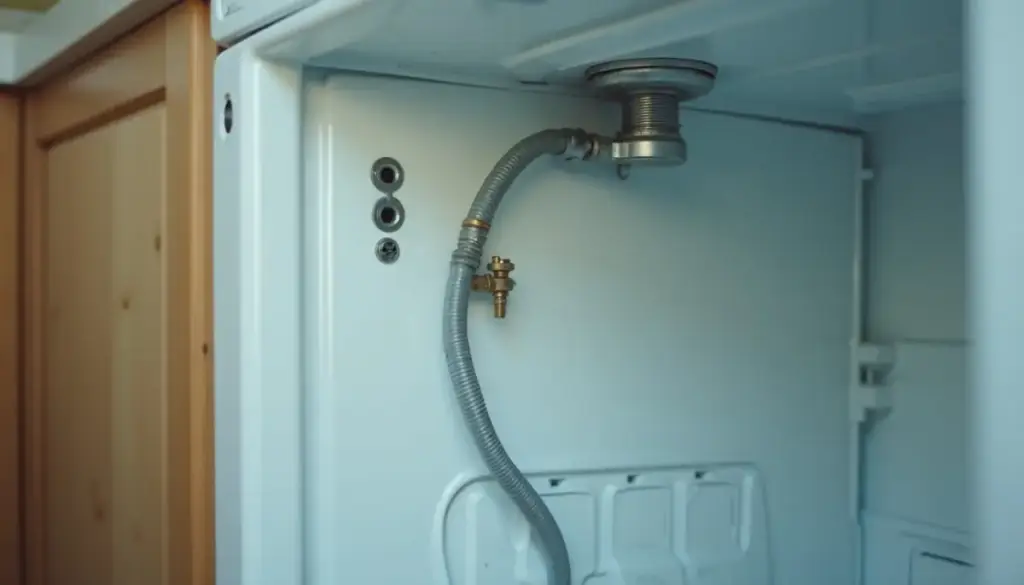
An ice maker not getting water almost always has a supply problem: a closed or clogged valve, a kinked or frozen line, pressure below the maker’s 20 to 40 psi floor, or a clogged filter.
Key Takeaways
- Brand pressure floors differ: Samsung lists 20 to 125 psi, Whirlpool 30 to 120 psi, and LG and GE filter models 40 to 120 psi, per each maker’s support pages and manuals.
- LG’s fill test is the fastest pressure check: an 8 oz cup should fill in 3.5 to 8 seconds, and anything slower points to low pressure.
- Whirlpool says to use 1/4 in. OD copper or PEX and never a piercing-type or 3/16 in. saddle valve, which cut flow and clog more easily.
- A clogged filter can stop the fill. Whirlpool says pulling the filter puts many models in bypass mode, while LG units older than 2017 need a bypass plug.
- Whirlpool wants 40 to 60 psi feeding a reverse osmosis system ahead of the fridge and recommends removing or bypassing the refrigerator filter.
- A working dispenser clears the supply. LG says a test cycle that leaves its 4 to 5 oz tray dry points to the ice maker or valve, not the plumbing.
What should you check first when the ice maker is not getting water?
Work from the wall to the freezer. Check the shutoff valve, then the supply line behind the fridge, then house pressure, then the refrigerator filter, and only then the fill tube and inlet valve. Most supply checks take under 15 minutes and need no parts, and no new ice maker fixes them.
- Confirm the ice maker is on and not in Sabbath mode or control lock (2 minutes).
- Press the water dispenser. If water flows, skip to the fill tube and inlet valve sections.
- Open the shutoff valve fully, counterclockwise until it stops (2 minutes).
- Pull the fridge out and straighten any kink in the line (10 minutes).
- Time an 8 oz cup at the dispenser to check pressure (1 minute).
- Pull the filter and retest flow (5 minutes).
- Inspect the fill tube for ice, then test the inlet valve.
| Symptom | Likely cause | Fix |
|---|---|---|
| No water at dispenser or ice maker | Shutoff closed, clogged saddle valve, kinked line | Open valve fully; replace a 3/16 in. or piercing saddle valve; straighten the line |
| Both slow, cubes small or hollow | Pressure below brand minimum, or clogged filter | Run the 8 oz cup test; pull the filter and retest |
| Dispenser fine, ice tray dry | Frozen fill tube, ice maker off, ice-side valve fault | Thaw the tube; run the ice maker test cycle |
| Fill tube refreezes within days | Slow trickle from low pressure or a dripping valve | Raise pressure; fully open the shutoff; check the valve |
| Flow dropped right after a filter change | Filter not locked or seated | Remove filter; if water flows, reinstall it correctly |
| Weak ice with an RO system | RO tank drained, clogged RO sediment filter, fridge filter in series | Let the tank refill; replace the sediment filter; bypass the fridge filter |
| Ice tray overfills into a slab | Pressure above 120 psi, or too low to close the valve | Add a pressure regulator or correct low pressure |
Does the dispenser work but the ice maker doesn’t?
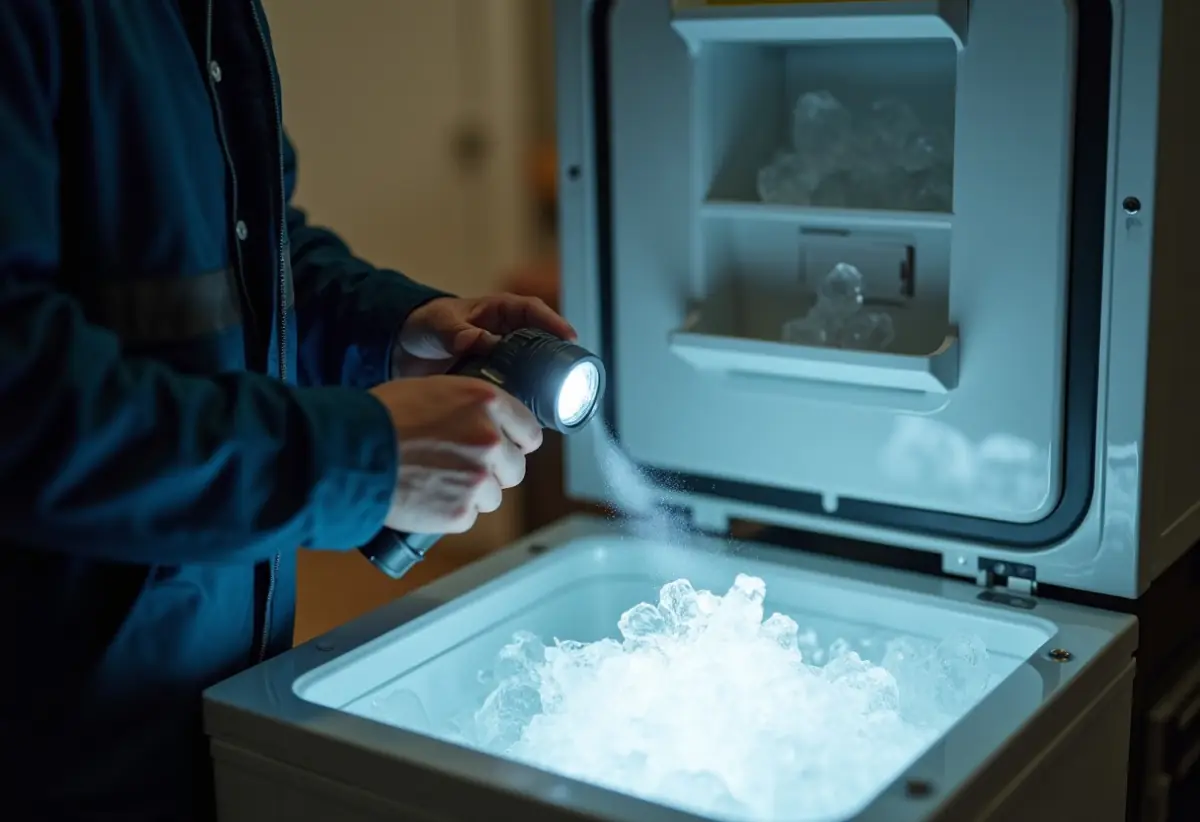
If the door dispenser pours a normal stream, the house valve, supply line and filter are delivering water, so the fault is downstream on the ice side. The usual culprits are a frozen fill tube, an ice maker switched off, or the ice-side coil of the water inlet valve. A test cycle tells you which one in under 5 minutes.
Whirlpool’s not-making-ice guide says to reset the ice maker by unplugging the refrigerator for 1 minute, then wait a couple of hours for ice. It notes an ice maker left on with no water connected can buzz.
On many LG models, you remove the ice bucket, lay a towel down, and hold the test button for about 3 seconds. LG says the tray holds only about 4 or 5 ounces. If the motor turns but no water arrives, and your supply is good, LG says the unit most likely needs service.
Is the supply valve fully open, and is it the right kind?
A valve that is partly closed or the wrong type is the most common plumbing cause. Whirlpool says to open the shutoff fully and to use a 1/4 in. valve that needs a drilled hole. It warns against piercing-type and 3/16 in. saddle valves, which reduce flow and clog more easily, so replace one rather than cranking it open.
Whirlpool’s supply line guide and GE’s owner’s manual 49-60805 both tell owners to confirm a saddle-type valve complies with local plumbing code before buying one. GE adds that the valve should tap the top or side of a vertical pipe, not the bottom, so it does not draw sediment from the pipe.
Before swapping a valve, close the main and open the nearest faucet. Our guide to shutting off the water shows where the main usually sits. A quarter-turn ball valve with a 1/4 in. compression outlet is the usual replacement.
Is the supply line behind the fridge kinked or frozen?
A pinched line starves the ice maker fast, and it usually happens when the fridge is pushed back after cleaning. Whirlpool says to leave a service coil of 1/4 in. OD soft copper or PEX so the unit can roll out, and not to push the refrigerator tight to the wall or cabinet. Straighten the kink, or replace the line if it creased.
Plastic lines are a weak point. GE’s manual says the only plastic tubing it approves is its SmartConnect line, because certain plastics crack or rupture with age while under constant pressure. If you are rerunning the line, our guide on how to install a refrigerator water line covers routing and fittings.
Lines also freeze. Whirlpool rates its refrigerators for rooms between 55 and 110 degrees F and says unheated garages and basements often fall outside that range. A line through a cold crawlspace or exterior wall can freeze the same way.
How much water pressure does an ice maker need?
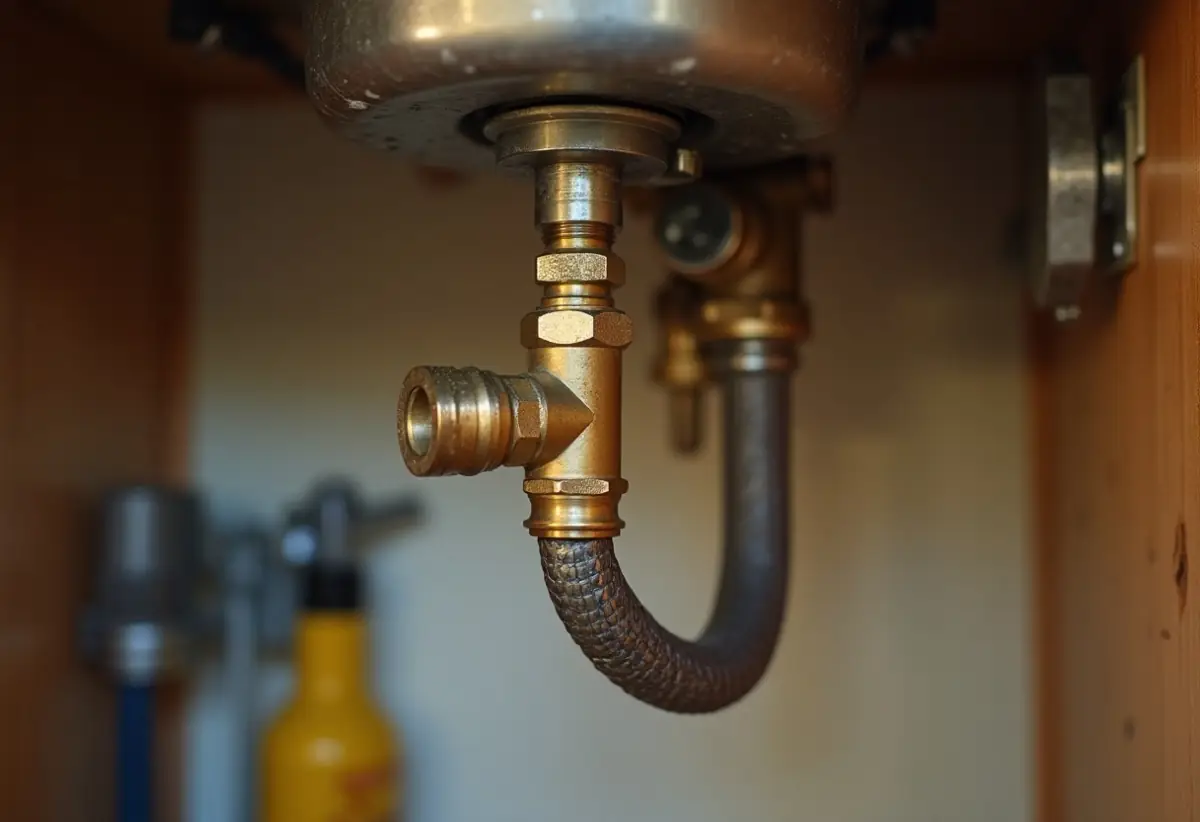
Most makers want at least 20 to 40 psi and no more than 120 to 125 psi at the refrigerator. Samsung lists 20 to 125 psi, Whirlpool lists 30 to 120 psi and calls 40 to 80 psi optimal, and LG and GE filter models need 40 to 120 psi. A filter in the fridge raises the floor because it costs pressure.
You can check pressure without a gauge. LG’s slow-dispensing guide says an 8 oz cup should fill in 3.5 to 8 seconds. Samsung’s support page uses a 170 cc (5.75 oz) cup filled in 10 seconds as normal and suggests a booster pump below 20 psi.
If the whole house is weak, the fridge is a symptom. Our guide to low water pressure covers pressure regulators, well tanks and clogged mains. Too much pressure also causes trouble: LG says supply above 120 psi can overfill the tray into a solid slab and recommends a pressure regulator.
Could a clogged water filter stop the ice maker from filling?
Yes, and it is the easiest supply fault to rule out. Whirlpool says a clogged or poorly seated filter can reduce or stop water flow to the ice maker and dispenser. Pull the filter and dispense. If flow jumps, the filter was clogged or unseated. Whirlpool’s filter guide sets a 6-month change interval.
Bypass rules vary by maker. Whirlpool says leaving the filter out puts the system in bypass mode until a new cartridge arrives. LG says its 2017 and newer units have a built-in bypass, while older units need a bypass plug installed. GE’s manual tells owners to replace the cartridge or remove it and install the plug, and says some models ship without one.
After a new filter goes in, purge the air. Whirlpool says to dispense 5 seconds on and 5 seconds off until 1 to 4 gallons have run, depending on the cartridge. If sediment keeps clogging fridge cartridges early, a whole-house water filter with a sediment stage protects the fridge and every other fixture.
How do you thaw a frozen ice maker fill tube?
Remove the ice bin and look at the fill tube where it enters the back of the freezer above the ice maker. If ice blocks the opening, warm it with a hair dryer on low heat held at a distance until water flows. For a deeper freeze, empty the freezer, switch the unit off, and leave the doors open for 4 to 8 hours.
Those steps come from independent repair firm Paradise Appliance Service, which warns against open flames and high-heat tools that can warp plastic. The maker support pages we reviewed from Whirlpool and LG publish no homeowner thaw procedure, so check your owner’s manual for a model-specific defrost mode before using heat.
A tube that refreezes within days is a supply symptom. Water that trickles slowly can freeze before it reaches the mold, and LG explains that low pressure can keep the inlet valve from snapping shut, so it drips. Confirm pressure with the 8 oz cup test and open the shutoff fully before you replace anything.
Is a reverse osmosis system starving the ice maker?
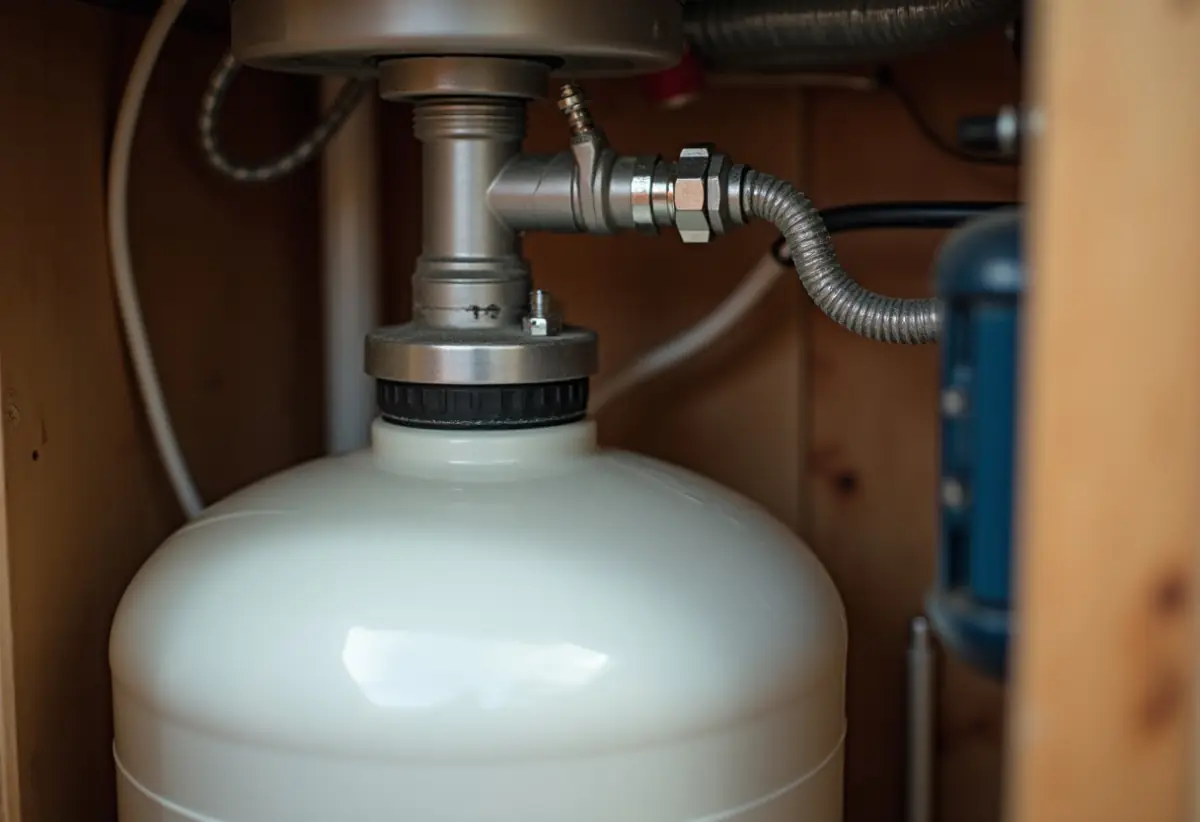
An under-sink RO unit is a common hidden cause of weak fills. Whirlpool spec sheets for models like the WRSF5536R ask for at least 40 to 60 psi feeding the RO system and 30 to 120 psi coming out of it to the fridge inlet valve. A drained storage tank or clogged sediment filter drops the fridge below that.
Whirlpool’s water pressure guide gives three fixes: let the RO tank refill after heavy use, replace a blocked sediment filter, and remove or bypass the refrigerator’s own filter. GE’s manual agrees, telling owners on a GE RO system to use the fridge’s bypass plug because running both filters can cause hollow cubes.
When is the water inlet valve the problem, and who should you call?
Blame the inlet valve only after the supply passes every check: shutoff fully open, line straight and unfrozen, pressure inside the brand range, filter out or new, and the ice maker test cycle still leaves the tray dry. At that point the valve or ice maker has failed, and LG says the unit most likely needs service.
Split the job by where the fault sits. A clogged supply line or shutoff valve is a plumber’s job, and GE’s troubleshooting chart says exactly that. Low house pressure, a saddle-valve swap or water hammer also go to a licensed plumber, since GE says to correct water hammer before connecting the fridge.
A dead inlet valve, a failed ice maker module, or a tube that ices up despite good supply goes to an appliance technician. After any fix, Whirlpool says to allow 24 hours for first ice and 3 days for full production.
How we sourced this
We consulted 14 sources on October 28, 2026, and cited 9. Pressure ranges come from Whirlpool Product Help, Whirlpool and KitchenAid dimension guides (W11753391B for WRSF5536R models; KRFF507E), GE owner’s manual 49-60805 (GBE21D series), LG’s Help Library and Samsung’s support page, which is published for Hong Kong and matches the 20 to 125 psi range in Samsung’s US manuals. Valve, tubing, filter and RO guidance come from the same maker pages. The thaw method comes from Paradise Appliance Service because no maker page we could read published one. We excluded inlet-valve resistance readings, part numbers and repair prices we could not verify against a primary source, and we quote no code text. Samsung’s 20 to 125 psi figure comes from its Hong Kong support page, so confirm the range in your own model’s US installation manual.
Frequently asked questions
Why is my ice maker not getting water but the dispenser works?
A working dispenser proves the house valve, supply line and filter are passing water, so the fault sits on the ice side. The usual suspects are a frozen fill tube, an ice maker switched off or in Sabbath mode, or the ice side of the inlet valve. Run the ice maker test cycle and watch whether water reaches the tray.
How do I unfreeze my ice maker fill tube?
Remove the ice bin, find the fill tube on the back wall above the ice maker, and warm it with a hair dryer on low heat held at a safe distance until water flows. For a full thaw, empty the freezer, switch the unit off and leave the doors open for 4 to 8 hours. Never use an open flame or a heat gun.
What water pressure does a refrigerator ice maker need?
The range varies by brand and by whether the fridge has a filter. Samsung lists 20 to 125 psi. Whirlpool lists 30 to 120 psi and calls 40 to 80 psi optimal. LG and GE filter models list 40 to 120 psi. Your installation instructions, matched to your model number, set the binding range.
Can a clogged water filter stop an ice maker from filling?
Yes. Whirlpool says a clogged or badly seated filter can reduce or stop flow to the ice maker and dispenser. Pull the filter and dispense water. If flow returns, the filter was clogged or installed wrong. Whirlpool recommends a new filter every 6 months, and LG recommends every 3 to 6 months.
Can I run my refrigerator without the water filter?
Often, yes. Whirlpool says leaving the filter out puts the water system in bypass mode, and LG says its 2017 and newer units have a built-in bypass. Older LG units and some GE models need a bypass plug installed in the filter head. Without a filter or plug, those models may not pass water at all.
How do I know if the water inlet valve is bad?
Suspect the valve only after the supply checks out. If the shutoff is fully open, the line is clear, pressure is inside the brand range and the filter is out or new, yet the tray stays dry during a test cycle, the valve or ice maker is the likely fault. LG says that result usually means the refrigerator needs service.
Why does my ice maker fill tube keep freezing?
Water that trickles into the tube freezes before it reaches the mold. Low pressure or a partly closed valve slows the fill, and LG notes low pressure can keep the inlet valve from snapping shut, so it drips. Check pressure with a timed cup test, open the shutoff fully, and confirm the freezer is not set colder than needed.
Why is water not flowing into my ice maker?
An ice maker not getting water almost always has a supply problem. Causes include a closed or clogged valve, a kinked or frozen line, pressure below the maker's 20 to 40 psi floor, or a clogged filter. Work from the wall to the freezer, checking the shutoff valve, supply line, house pressure, refrigerator filter, then the fill tube and inlet valve.