Types of Garbage Disposals: Feed Type and Horsepower
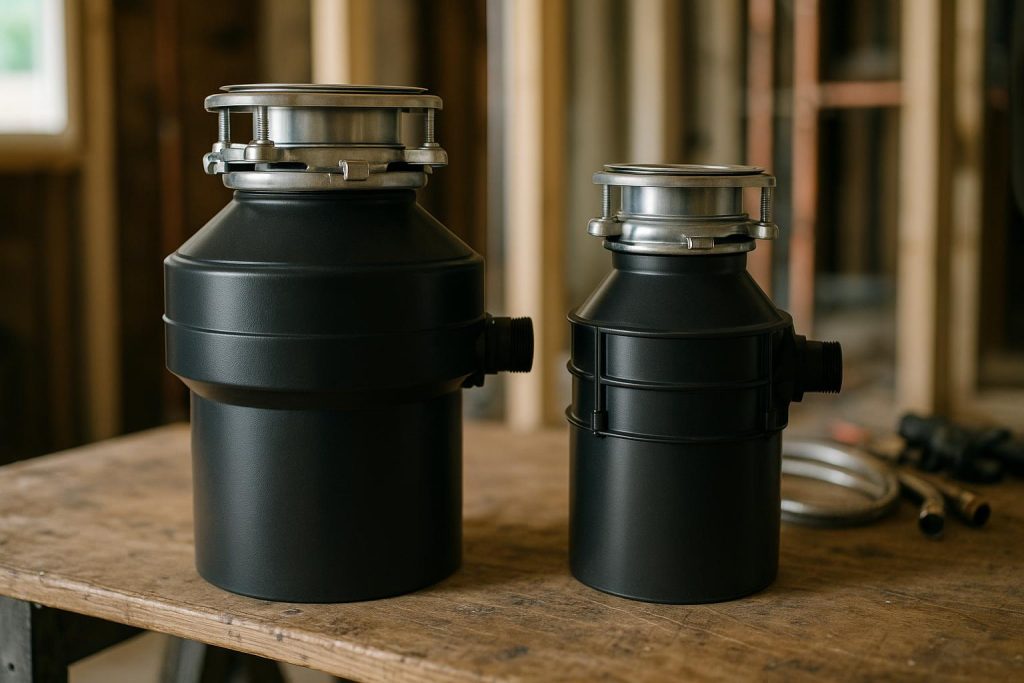
Types of garbage disposals sort along two axes: how you load them (continuous-feed vs batch-feed) and how strong the motor is (1/3, 1/2, 3/4, or 1 HP). Match both to your household and you are done.
Key Takeaways
- Continuous-feed disposals run while you drop scraps in and are the most common, cheapest design; batch-feed models start only after you seat a stopper, so they are safer, less common, and average around $300, per Angi.
- A 1/2 HP disposal fits most typical kitchens; step up to 3/4 or 1 HP for a family of three or more or heavy daily cooking, per Consumer Reports.
- Unit-only prices run about $50 to $115 (1/3 HP), $60 to $180 (1/2 HP), $120 to $350 (3/4 HP), and $150 to $380 (1 HP), per CostHelper.
- Disposers grind in one, two, or three stages; a three-stage unit grinds the finest and handles fibrous waste and rib bones with fewer jams, per InSinkErator.
- Most residential sinks use a standard 3-1/2 inch drain opening, so a disposal swaps onto most sinks without changing the basin.
- Most disposals use a quiet, long-lived induction motor; permanent-magnet motors are smaller and spin up faster for compact units, per InSinkErator.
- Higher horsepower models usually add stainless grind components and more sound insulation, so they jam less and run quieter than budget galvanized units.
What are the main types of garbage disposals?
Two questions define every disposal: how you feed it and how much motor it has. By feed type, a unit is either continuous-feed (it spins while you add scraps under running water) or batch-feed (it runs only after you drop in a magnetic stopper). By power, motors range from 1/3 HP up to 1 HP. Every other spec, grind stages, motor type, sound insulation, follows from those two. Before picking a feed type or motor size, it helps to know what ongoing care each unit demands, covered in routine disposal cleaning and odor fixes.
Continuous-feed is the dominant design because it is faster and cheaper. Batch-feed trades speed for a safety interlock. Below we compare both axes, then walk through grind stages, motor type, insulation, and materials so you can size one to your kitchen.
| Axis | Options | What it decides | Who it suits |
|---|---|---|---|
| Feed type | Continuous vs batch | Loading speed and safety interlock | Continuous for most; batch for homes with kids or safety worries |
| Horsepower | 1/3, 1/2, 3/4, 1 HP | Grind power, jam resistance, price | Sized to household and cooking volume |
| Grind stages | One, two, or three | How fine the waste is cut | More stages for fibrous scraps and bones |
| Motor type | Induction vs permanent magnet | Noise, weight, spin-up speed | Induction for quiet longevity; magnet for compact units |
| Components | Stainless vs galvanized | Corrosion and jam resistance | Stainless for heavy daily use |
Continuous-feed vs batch-feed: which is safer?
Batch-feed is the safer design because it will not run with the drain open. You load scraps into the chamber, seat a magnetic stopper, and only then does the motor start, so nothing can fall onto spinning parts and no hand can reach them. Continuous-feed is faster and cheaper: you flip a wall switch, run water, and feed scraps as it grinds. Most kitchens use continuous-feed.
The trade-off is convenience versus protection. Continuous-feed lets you clear a full sink without stopping, while batch-feed makes you work in loads. Batch-feed units are less common and usually cost more, averaging around $300 per Angi, but they are worth it in a home with young children.
| Feature | Continuous-feed | Batch-feed |
|---|---|---|
| How you load it | Add scraps while it runs under water | Fill the chamber, seat the stopper, then it starts |
| Safety | Open drain while spinning; use tongs, never fingers | Interlock: runs only with the stopper in place |
| Speed | Fast, clears a full sink without stopping | Slower, works one batch at a time |
| Cost and choice | $75 to $450 range, widest selection | Around $300 average, fewer models |
| Best for | Most kitchens, high volume, tight budgets | Homes with kids, safety-first buyers |
What horsepower garbage disposal do I need?
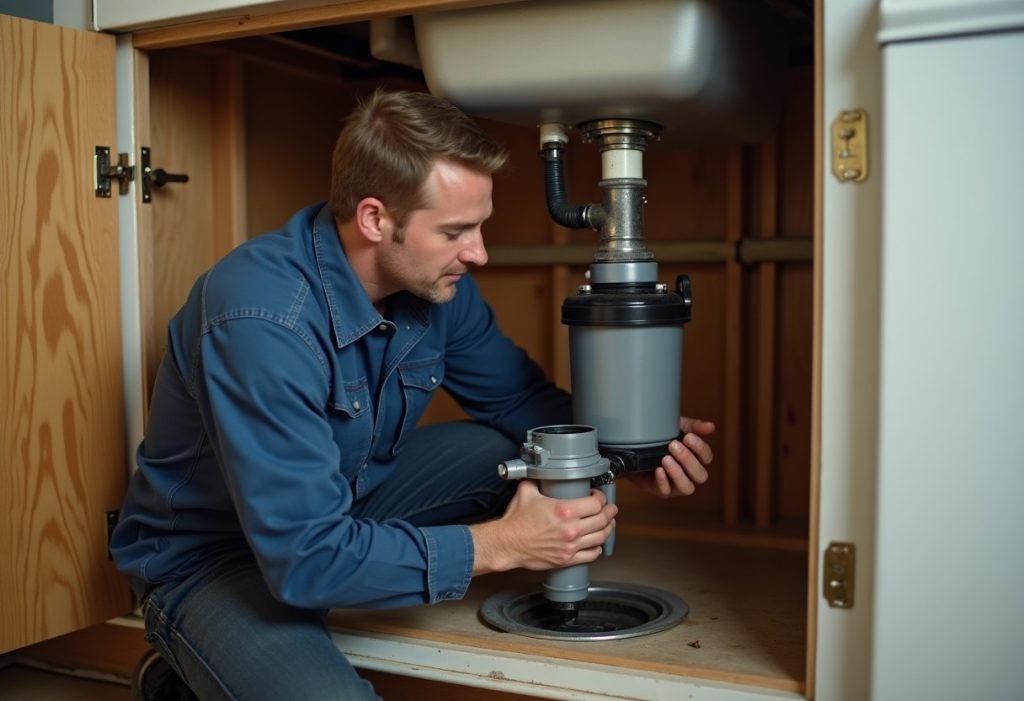
Match horsepower to household size and how much you cook, not to the biggest number on the shelf. A 1/3 HP unit suits one or two people or a vacation home. A 1/2 HP fits most typical kitchens. Choose 3/4 HP for a family of three or more, and 1 HP if you grind tough, fibrous, or bony waste daily, per Consumer Reports. Higher horsepower grinds finer with fewer jams.
Power tracks price closely. As you climb the tiers you also tend to get better sound insulation and more grind stages, so the jump buys quieter, finer, more jam-resistant grinding, not just raw motor size. The chart below shows how unit-only price climbs across the four tiers.
| Motor | Household size | Jam resistance | Price (unit only) | Best for |
|---|---|---|---|---|
| 1/3 HP | 1 to 2 people | Low, jams on tough waste | $50 to $115 | Vacation homes, light use, tight budgets |
| 1/2 HP | 2 to 4 people | Moderate | $60 to $180 | Most typical kitchens |
| 3/4 HP | 3 to 6 people | High, handles fibrous scraps | $120 to $350 | Families that cook regularly |
| 1 HP | 5 or more people | Highest, grinds bones | $150 to $380 | Daily heavy cooking, big households |
How do grind stages and chambers affect performance?
Grind stages are the number of times a disposal cuts waste before it clears the chamber, and more stages mean a finer grind. Disposers offer one, two, or three stages. A single-stage unit is fine for soft scraps, while a three-stage unit grinds the finest and handles fibrous peels, coffee grounds, and even rib bones with far less risk of clogging or jamming, per InSinkErator.
Finer output matters downstream. Smaller particles flow through the trap and branch drain more cleanly, which is why a stronger, multi-stage disposal is easier on your kitchen sink plumbing. Grind stages usually rise with horsepower, so a 3/4 or 1 HP unit is where you find two- and three-stage grinding.
Induction vs permanent-magnet motor: does it matter?
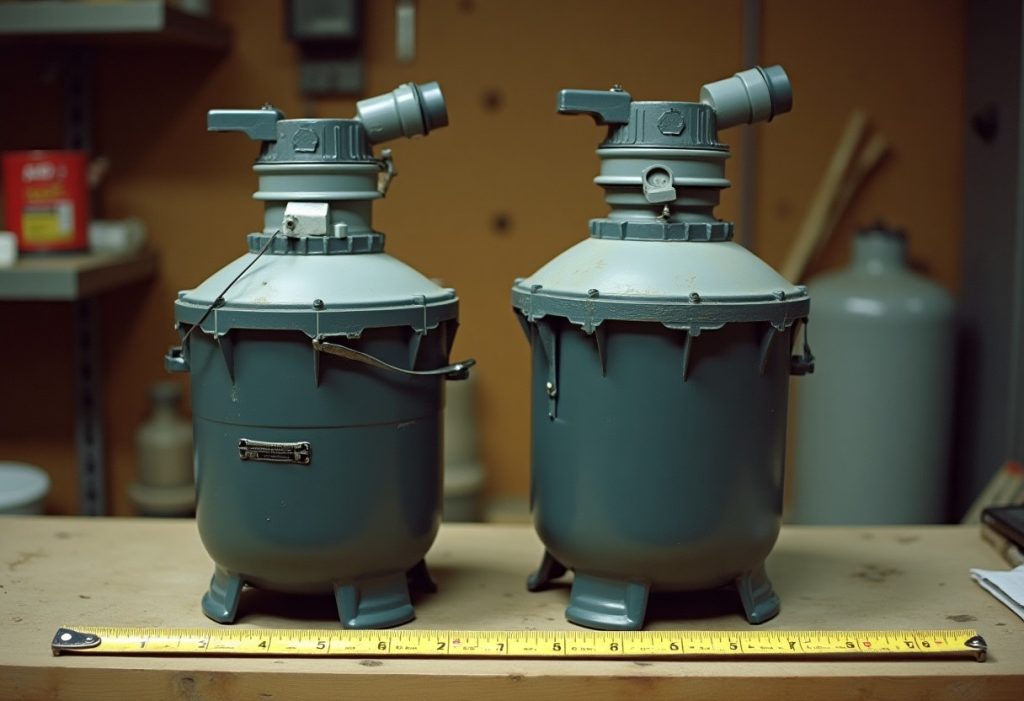
Both motor types grind food, but they behave differently. Most disposers use an induction motor, the same kind found in washers, dryers, and furnaces, which runs quieter and lasts a long time, per InSinkErator. The trade-off is weight and a slower start. A permanent-magnet motor is smaller and lighter and spins up faster, which is why compact and budget units often use one.
For a quiet, long-lived kitchen disposal you plan to keep for years, induction is the common choice, and it dominates the mid and upper tiers. Permanent-magnet motors earn their place under a shallow sink or in a small kitchen where the compact body and quick torque matter more than absolute quiet. If a unit hums but will not spin, that points to a jam or a seized motor, covered in garbage disposal not working.
How much do sound insulation and materials matter?
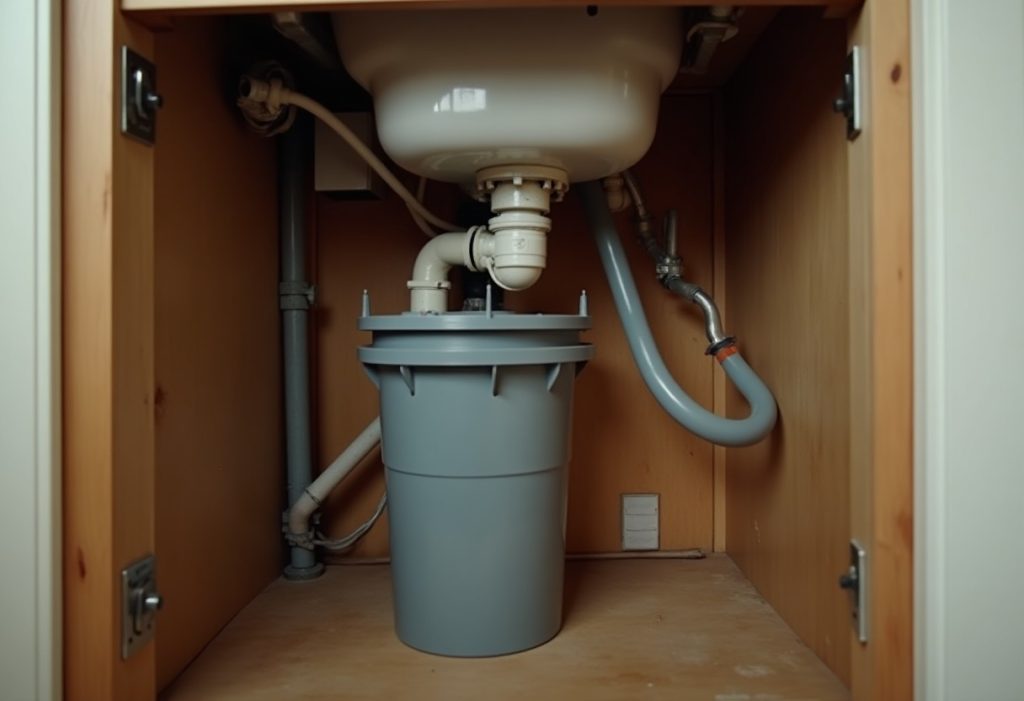
They separate a budget unit from one you barely hear, and they decide how well it holds up. Higher horsepower models usually add sound-insulating jackets and anti-vibration mounts, so a 3/4 or 1 HP unit runs noticeably quieter than a bare-bones 1/3 HP. If your kitchen is open to a living space, insulation is worth the step up as much as the extra grind power is.
Materials decide longevity. Budget 1/3 and 1/2 HP disposals often use galvanized steel grind components, which can corrode and dull over years of daily use. Stainless steel grind rings and impellers, common on 3/4 and 1 HP units, resist corrosion and stay sharp, so they jam less over the long haul. If you run the disposal hard, stainless pays for itself.
How do you choose the right garbage disposal?
Work through five questions in order: household size, safety needs, kitchen noise, drainage, and budget. Size the horsepower to how many people you feed and how much you cook, then decide whether the batch-feed safety interlock is worth the higher price, then weigh insulation and materials for noise and lifespan.
- Size the motor. One or two people, 1/3 to 1/2 HP; a family of three or more, 3/4 to 1 HP; daily heavy cooking with bones, 1 HP.
- Pick the feed type. Continuous-feed for speed and price in most homes; batch-feed if young children or safety drive the choice.
- Weigh noise. An open kitchen favors a higher-HP unit with sound insulation and an induction motor.
- Check the fit and drain. Confirm the mount suits your standard 3-1/2 inch sink opening, and plan the dishwasher tie-in with our dishwasher drain hookup guide.
- Set the budget. Add installation to the unit price; if you go the DIY route, follow how to install a garbage disposal.
How we sourced this
We compared manufacturer product guidance from InSinkErator (grind stages, motor types, model specs) against buyer research from Consumer Reports and cost data from Angi and CostHelper. Horsepower-to-household guidance follows Consumer Reports and manufacturer sizing advice. Prices are stated as US unit-only ranges because they vary by brand, feed type, grind stages, and retailer, and they exclude installation labor, which the linked install guide covers. We consulted roughly a dozen sources and cited the manufacturer and buyer-guide primary figures directly. We excluded single-brand vendor pages that published no specs or prices. Figures current as of September 2026.
Frequently asked questions
What are the two main types of garbage disposals?
Garbage disposals split two ways. By how you load them, they are continuous-feed (you run water and drop scraps in while the motor spins) or batch-feed (you fill the chamber, drop in a stopper, and only then does it start). By motor size, they run from 1/3 HP up to 1 HP. Continuous-feed is by far the more common and cheaper design.
What horsepower garbage disposal do I need?
Match horsepower to household size and cooking habits. A 1/3 HP unit suits one or two people or a vacation home. A 1/2 HP fits most typical kitchens. Choose 3/4 HP for a family of three or more, and 1 HP if you cook daily and grind tough or fibrous waste, per Consumer Reports. Higher HP grinds finer with fewer jams.
Is a batch-feed or continuous-feed disposal better?
Continuous-feed is faster and cheaper and lets you add scraps while it runs, which is why most kitchens use it. Batch-feed is safer because it only starts once you seat the stopper, so nothing can fall onto spinning parts and no hand can reach them. Batch-feed models are less common and usually cost more, averaging around $300.
How much does a garbage disposal cost by horsepower?
Unit-only prices climb with the motor. A 1/3 HP disposal runs about $50 to $115, a 1/2 HP about $60 to $180, a 3/4 HP about $120 to $350, and a 1 HP about $150 to $380, per CostHelper. Those figures exclude installation, which adds labor if you hire a plumber.
What does grind stages mean on a garbage disposal?
Grind stages are the number of times waste is cut before it clears the chamber. Disposers offer one, two, or three stages. A three-stage unit grinds the finest, handling fibrous scraps and even rib bones with less risk of clogs or jams, per InSinkErator. More stages generally track with higher horsepower and a higher price.
Does the disposal motor type matter, induction or permanent magnet?
Both work, but they behave differently. Most disposers use an induction motor, like the one in a washer or dryer, which runs quieter and lasts a long time but is heavier. A permanent-magnet motor is smaller and lighter and spins up faster, which suits compact units. For a quiet, long-lived kitchen disposal, induction is the common pick.
What size sink opening does a garbage disposal need?
Most residential kitchen sinks have a standard 3-1/2 inch drain opening, which is what nearly every disposal mounting kit is built to fit. That standard is why disposals swap onto most sinks without changing the sink itself. Confirm the flange and mounting hardware match your sink before you buy, especially on older or specialty basins.
Are stainless steel disposal components worth it?
Often, yes, if you use the disposal hard. Stainless steel grind components resist corrosion and stay sharp longer than the galvanized steel used in budget units, so they jam less over years of daily use. Cheaper 1/3 and 1/2 HP models tend to use galvanized parts, while 3/4 and 1 HP units more often use stainless.