Water Softener vs Water Conditioner: What’s the Difference?
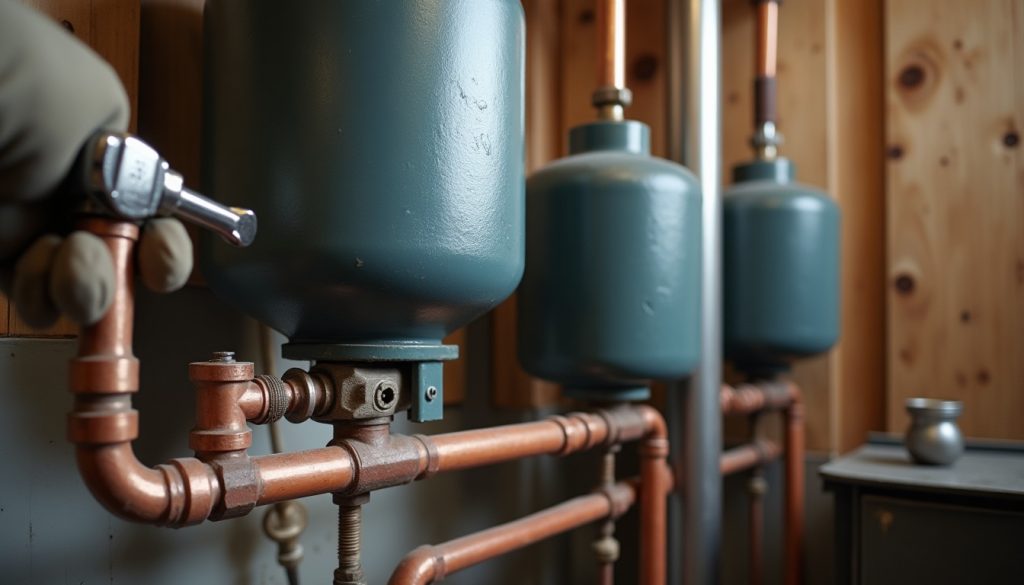
Water softener vs water conditioner comes down to one thing: a softener removes hardness minerals by ion exchange, while a conditioner only stops them sticking.
Key Takeaways
- A salt-based softener uses ion exchange to strip calcium and magnesium out; a salt-free conditioner leaves them in the water but blocks scale (Arizona State University / WateReuse).
- Template-assisted crystallization (TAC) conditioners cut scale formation by more than 88% without salt, chemicals, or wastewater (Arizona State University study).
- Ion exchange adds about 8 mg/L of sodium for each grain of hardness removed per gallon (Water Quality Association, via University of Nebraska Extension).
- Water above 7 grains per gallon is classified as hard; one grain per gallon equals 17.1 mg/L (University of Nebraska Extension).
- A conditioner uses no salt and needs no regeneration, so it sends no brine to a drain or septic system (Arizona State University).
- Only a softener produces true soft water: the slippery feel, spot-free glassware, and full scale removal come from taking the minerals out entirely.
What is a water softener?
A water softener removes hardness minerals from water through ion exchange. Water flows through a tank of resin beads that hold sodium ions; the beads grab the calcium and magnesium that cause hardness and release sodium in their place. The result is true soft water, tested at under 1 grain per gallon. That sodium swap is worth weighing against how filters differ from softeners, since the two systems solve very different water problems.
Periodically the resin fills up and regenerates: a brine of salt (sodium chloride) or potassium chloride rinses the captured hardness off the beads and flushes it to the drain. That is why a softener needs a salt tank you refill and produces some brine wastewater each cycle. University of Nebraska Extension documents this ion exchange softening process in detail.
What is a water conditioner?
A water conditioner treats hard water without removing the minerals. The most common type uses template-assisted crystallization (TAC): water passes over polymer beads covered in nucleation sites that convert dissolved calcium and magnesium into microscopic, stable crystals. Those crystals stay suspended in the water and flow through without bonding to pipes, heaters, or fixtures.
Because nothing is stripped out, a conditioner adds no sodium, uses no salt, needs no regeneration cycle, and discharges no brine. It is not technically softening the water, so hardness on a test still reads high. It is scale prevention, not mineral removal, which is the core distinction from a softener.
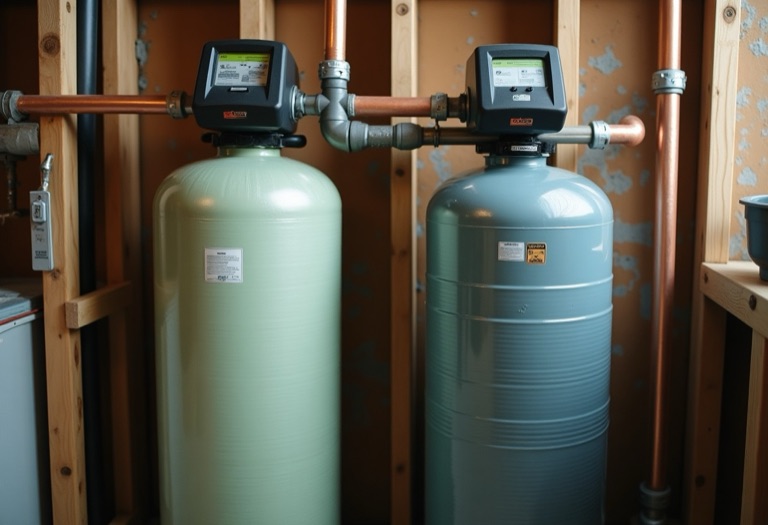
Water softener vs water conditioner: how do they compare head-to-head?
A softener wins on true soft water and total scale removal; a conditioner wins on zero salt, minimal maintenance, and no brine discharge. The table below sets the two side by side across the factors homeowners actually weigh, from how each works to who each one suits.
| Factor | Salt-based softener | Salt-free conditioner (TAC) |
|---|---|---|
| How it works | Ion exchange: resin swaps calcium and magnesium for sodium | Template-assisted crystallization: seeds micro-crystals so minerals stay suspended |
| Removes hardness ions? | Yes, produces true soft water under 1 gpg | No, minerals remain in the water (scale-resistant, not soft) |
| Salt and regeneration | Needs salt refills; regenerates and flushes brine to drain | No salt, no regeneration, no brine discharge |
| Maintenance | Add salt regularly; occasional resin cleaning or replacement | Minimal; TAC media lasts years before a change |
| Cost pattern | Overlapping upfront band, plus ongoing salt and regeneration water | Overlapping upfront band, near-zero running cost |
| Scale control | Eliminates scale by removing the minerals | Reduces scale more than 88% without removing minerals (ASU) |
| Best for | High hardness, wanting soft feel and spot-free surfaces | Scale control with no sodium, no salt hauling, wells or septic |
Does a water conditioner actually prevent scale?
Yes, largely. An Arizona State University study prepared for the WateReuse Foundation tested salt-free alternatives and found template-assisted crystallization reduced scale formation by more than 88%, with no salt, no added chemicals, and no wastewater. It was the most effective of the non-salt devices the researchers evaluated.
The caveat is what a conditioner does not do. The minerals are still in the water, so you may still see some cloudy spotting on glass and faucets, and the water will not feel slippery. What drops sharply is the hard, bonded limescale that clogs aerators, coats heating elements, and shortens the life of a water heater. Pairing a conditioner with a routine home plumbing maintenance checklist keeps fixtures clear.
A conditioner adds none of that sodium, because it removes nothing. That is the trade at the center of the whole comparison: a softener changes the water chemistry (and adds sodium) to solve hardness at the source, while a conditioner leaves the chemistry alone and only defuses the scale. Homeowners who choose a softener over a conditioner still need to pick the right product, covered in water softener salt types.
How does each affect water feel, taste, sodium, and health?
Softened water feels slippery, lathers soap easily, and leaves spot-free dishes, but it carries added sodium. Conditioned water tastes and feels like the original hard water, keeps its mineral content, and adds no sodium. Neither one purifies water or removes contaminants; both target hardness and scale only.
The sodium matters for some households. Ion exchange adds about 8 mg/L of sodium per grain of hardness removed per gallon, so 15 gpg water gains roughly 120 mg/L (Water Quality Association, via University of Nebraska Extension). People on sodium-restricted diets often soften only the hot-water side, switch to potassium chloride, or choose a conditioner to avoid the addition entirely. On a well or septic system, a conditioner also avoids sending brine to the leach field.
Which costs more to buy and run?
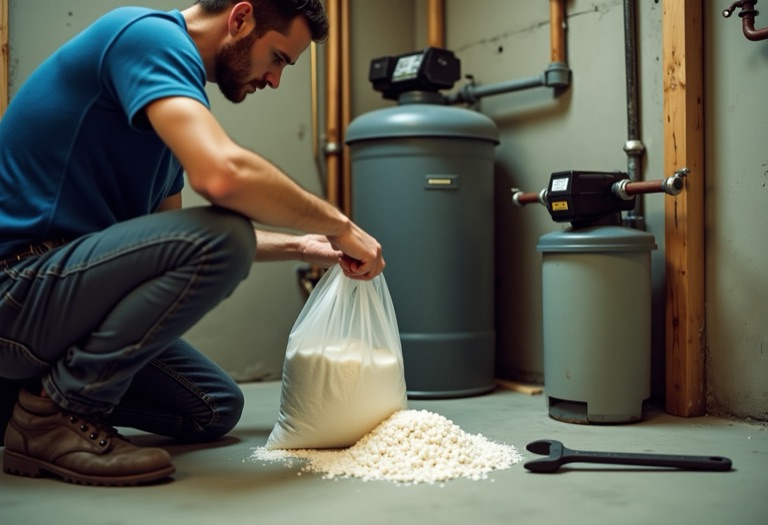
Upfront prices overlap heavily, so the real difference is running cost. Both systems commonly run from several hundred to a few thousand dollars installed, depending on capacity and features. A softener then adds ongoing salt plus the water and sewer used during regeneration, while a conditioner has almost no consumables to feed.
Salt for a softener is a modest but recurring line item, and regeneration uses water each cycle. A conditioner skips both, though its TAC media is replaced every few years. For current installed price ranges on the softener side, see our what a water softener costs guide, which breaks the numbers down by type and capacity.
Which should you choose, a softener or a conditioner?
Choose a salt-based softener if you want true soft water: the slippery feel, spotless glassware, easier cleaning, and complete scale removal, and you do not mind adding salt and some sodium. Choose a salt-free conditioner if your priority is scale protection for pipes and appliances with no salt, no sodium, no brine, and minimal upkeep.
Your water and your plumbing shape the call. Test your hardness first: very high hardness or heavy iron usually favors a softener, sometimes with pre-treatment, while a well or septic setup often favors a conditioner. Scale prevention protects fittings and modern pipe alike, though corrosion-resistant lines like what PEX pipe is already resist mineral buildup better than older metal. Whichever you pick, our guide to how to install a water softener walks through the loop, bypass, and drain connections.
How we sourced this
Scale-reduction and no-salt/no-wastewater figures come from “Evaluation of Alternatives to Domestic Ion Exchange Water Softeners” (Peter Fox et al., Arizona State University, for the WateReuse Foundation, 2011), which reported greater than 88% scale reduction for template-assisted crystallization. Hardness classification, the 17.1 mg/L per grain conversion, the ion exchange mechanism, and the roughly 8 mg/L sodium added per grain removed come from University of Nebraska Extension publications citing Water Quality Association figures. Installed-cost statements are typical U.S. market ranges that vary by region, capacity, and features; we present them as ranges, not quotes. Manufacturer marketing claims for salt-free systems were read for context but not used as figures.
Frequently asked questions
Is a water conditioner as good as a water softener?
It depends on your goal. A softener removes calcium and magnesium by ion exchange, so you get true soft water: slippery feel, no spots, no scale. A conditioner leaves the minerals in the water but stops them building scale, with an Arizona State University study measuring more than 88% scale reduction. If you want scale control without salt, a conditioner works; if you want soft water, only a softener delivers it.
Does a water conditioner remove hardness like a softener?
No. A water conditioner using template-assisted crystallization does not remove calcium or magnesium; the minerals stay in the water but are converted to microscopic crystals that resist sticking to pipes and fixtures. A salt-based softener actually strips the hardness ions out through ion exchange, which is why only the softener produces water that tests as soft.
Do water conditioners use salt?
No. Salt-free conditioners use no salt, need no regeneration cycle, and discharge no brine to your drain, according to the Arizona State University evaluation of softener alternatives. A salt-based softener regenerates its resin with sodium chloride or potassium chloride and flushes a brine solution to the drain each cycle, which is the main practical difference in day-to-day upkeep.
How much sodium does a water softener add?
Ion exchange adds roughly 8 milligrams of sodium per liter for each grain of hardness removed per gallon, per the Water Quality Association figures cited by University of Nebraska Extension. So water at 10 grains per gallon carries about 80 mg/L of sodium after softening. People on sodium-restricted diets sometimes soften only the hot side or use potassium chloride instead of salt.
Is a water softener or conditioner better for a well?
A conditioner is often the simpler well choice because it adds no sodium and sends no brine to a septic system. A salt-based softener still works on well water and delivers true soft water, but very high hardness, iron, or manganese can require extra pre-treatment. Test your well water first so you size and choose the right system.
Does a water conditioner actually stop limescale?
Largely, yes. An Arizona State University study for the WateReuse Foundation found template-assisted crystallization reduced scale formation by more than 88% without salt, chemicals, or wastewater. It does not remove the minerals, so you may still see some cloudy residue or spotting, but hard scale buildup inside pipes and water heaters drops sharply.
Which is cheaper, a water softener or a water conditioner?
Upfront prices overlap, often running from several hundred to a few thousand dollars installed depending on size and features. The gap shows up in running cost: a softener needs regular salt plus water and sewer for regeneration, while a conditioner has almost no consumables. See our water softener cost guide for current installed ranges before you commit.


