Boiler Repair Cost: 2026 Prices by Part, Repair vs Replace
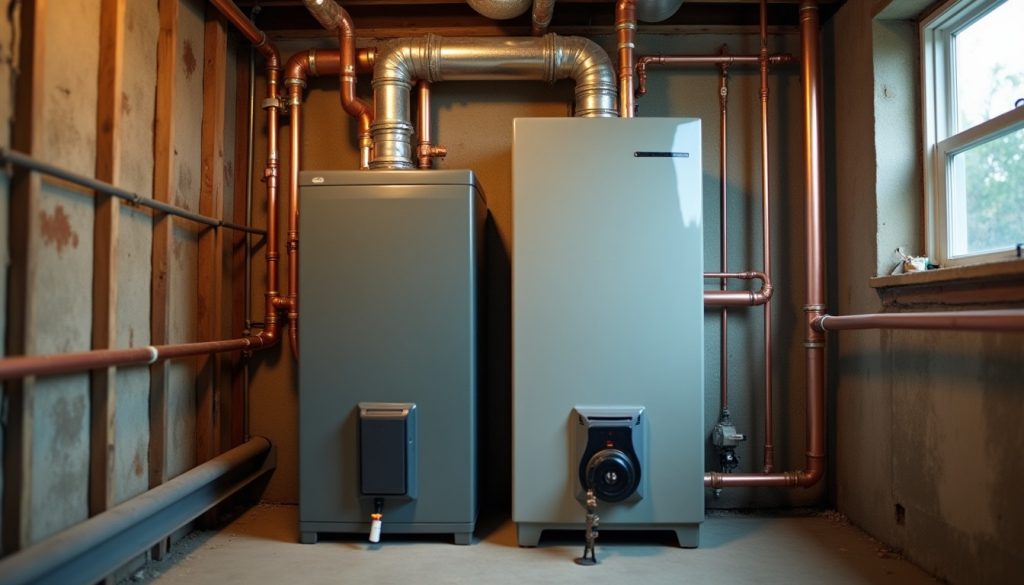
Boiler repair cost runs $150 to $750 for most jobs (Fixr, national average about $450), with circulator pumps and gas valves reaching $1,100 and a new boiler averaging about $6,100.
Key Takeaways
- Fixr puts the national average boiler repair at about $450, with most jobs between $150 and $750; HomeAdvisor reports a $190 to $660 range.
- The priciest common parts are the circulator pump ($300 to $1,100) and gas valve ($200 to $1,100), per Fixr.
- Small safety parts are cheaper: Fixr lists ignitors and thermocouples at $100 to $400 installed, and Modernize lists pressure relief valves at $150 to $400.
- Labor runs $75 to $150 an hour plus a $75 to $250 diagnostic fee, according to Fixr.
- Fixr’s rule of thumb: replace the boiler when a repair would cost more than 50% of a new unit, which HomeAdvisor puts at $4,800 to $9,000 installed.
- Annual service costs $200 to $500 per Fixr, and Bob Vila reports a standard visit takes 45 to 90 minutes.
How much does boiler repair cost in 2026?
Boiler repair cost for a typical hydronic home boiler falls between $150 and $750, with a national average of about $450, according to Fixr. HomeAdvisor’s data lands close by, at a $190 to $660 range and a $425 average. Simple fixes like a thermocouple or ignitor sit at the low end, while a circulator pump, gas valve or heat exchanger pushes the bill toward $1,000 or more. When a heat exchanger or gas valve fails beyond repair, it’s worth weighing water heater versus boiler differences before deciding on a full replacement.
Those figures include parts and labor for a single repair. They do not include a second visit if the tech has to order a brand-specific part, and they assume normal business hours.
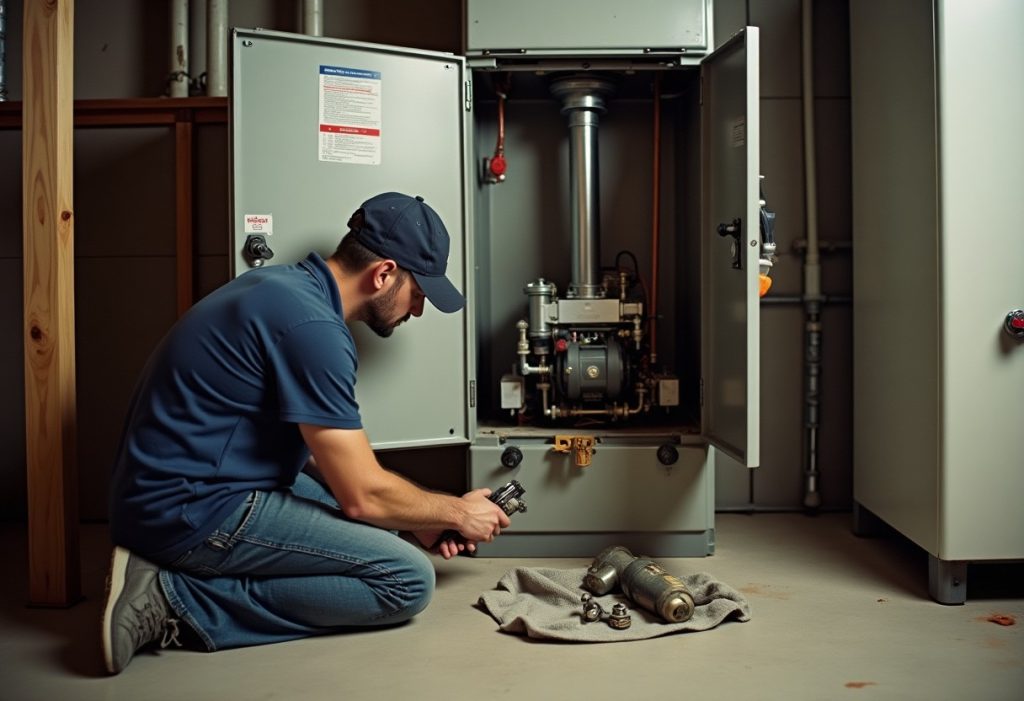
What does each boiler part cost to repair or replace?
Most boiler repairs come down to one failed part, and the part sets the price. Fixr’s installed ranges run from $100 to $400 for an ignitor or thermocouple up to $300 to $1,100 for a circulator pump. HomeAdvisor and Bob Vila publish similar ranges, and Bob Vila prices a full heat exchanger at $1,000 to $2,000. The table below pulls the hydronic parts homeowners ask about most.
| Part | What it does | Installed cost | Source |
|---|---|---|---|
| Circulator pump | Moves hot water from the boiler through the radiators or baseboard | $300 to $1,100 (Fixr); $300 to $1,000 (HomeAdvisor) | Fixr, HomeAdvisor |
| Gas valve | Opens and meters gas to the burner on a call for heat | $200 to $1,100 (Fixr); $300 to $1,100 (Bob Vila) | Fixr, Bob Vila |
| Heat exchanger | Transfers burner heat into the system water | $500 to $1,000 for a coil (Fixr); $1,000 to $2,000 for a heat exchanger (Bob Vila) | Fixr, Bob Vila |
| Expansion tank | Absorbs the growth in water volume as the loop heats up | $200 to $800 (Fixr); $200 to $550 (HomeAdvisor, gas boiler) | Fixr, HomeAdvisor |
| Zone valve | Opens and closes flow to each heating zone on thermostat call | $175 to $500 (Fixr); $200 to $500 (HomeAdvisor) | Fixr, HomeAdvisor |
| Pressure relief valve | Dumps water if system pressure passes its setpoint, commonly 30 psi | $150 to $400 | Modernize |
| Ignitor or flame sensor | Lights the burner and proves flame on electronic-ignition boilers | $100 to $400 ignitor (Fixr); $150 to $400 igniter or flame sensor (Modernize) | Fixr, Modernize |
| Thermocouple | Proves the standing pilot is lit on older boilers | $100 to $400 | Fixr |
Circulator pump and expansion tank
A failed circulator is the classic “boiler is hot but the house is cold” call, and at $300 to $1,100 per Fixr it is one of the bigger single-part bills. Cartridge-style circulators such as the Taco 007 can sometimes be repaired by swapping the cartridge rather than the whole pump, which may land a repair at the low end of the range.
The boiler expansion tank does the same job on a closed heating loop that a thermal expansion tank does on a domestic water heater: it gives heated water somewhere to go. When its air charge is lost, the tank waterlogs, pressure spikes on every heating cycle and the relief valve starts to weep. Fixr prices replacement at $200 to $800.
Ignitor, flame sensor and thermocouple
Ignition parts are the cheapest repairs on the list, at $100 to $400 installed per Fixr. Newer boilers use a hot-surface or spark ignitor plus a flame sensor, and a dirty flame sensor often causes the burner to light and then shut off within seconds. Older standing-pilot boilers use a thermocouple that works the same way as the one covered in our guide to relighting a water heater pilot light.
Zone valves, relief valves and the heat exchanger
Zone valves fail most often at the motor head, which can usually be replaced without draining the system; Fixr lists the job at $175 to $500. A relief valve that drips is usually a symptom of high pressure, not a bad valve, so a good tech checks the expansion tank and fill valve before swapping it. A leaking or cracked heat exchanger is the repair most likely to trigger a replacement conversation.
What drives boiler repair cost up or down?
Boiler repair cost depends on four things: the part, the fuel, the labor time and the hour you call. Fixr reports gas and propane boiler repairs at $100 to $400, electric at $200 to $500 and oil at $200 to $550. Labor runs $75 to $150 an hour, and HomeAdvisor reports some pros charge a flat $150 to $300 per repair instead.
- Diagnostic or trip fee: Fixr lists $75 to $250 just to show up and diagnose, often credited toward the repair.
- Fuel type: Oil boilers carry extra burner, nozzle and filter work, which is why their repair range runs higher.
- Brand and parts access: Wall-hung condensing boilers often use proprietary boards and sensors that a supply house may not stock.
- After-hours calls: Emergency, weekend and holiday visits typically cost more, and a no-heat call in a cold snap is the most common one.
- Region: Labor rates vary widely by metro, and our breakdown of what a plumber charges per hour shows the same spread that heating techs follow.
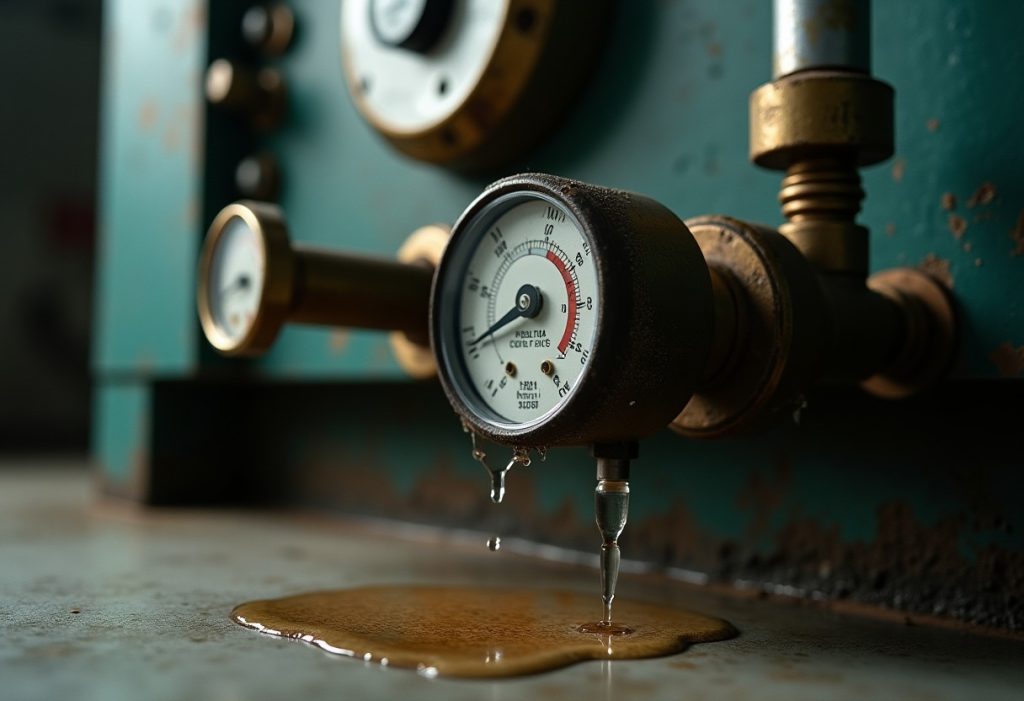
Which boiler warning signs mean you need a repair?
The signs that a boiler needs repair are no heat or uneven heat, water around the boiler, a dripping relief valve, banging or kettling noise, frequent lockouts, and pressure readings outside the normal band. Fixr prices repairs by symptom at $175 to $800 for leaks, $200 to $1,000 for no heat or noise, and $150 to $1,800 for a boiler that will not turn on.
| Symptom | Likely parts | Fixr cost range |
|---|---|---|
| Won’t turn on | Ignitor, flame sensor, thermocouple, gas valve, control board, transformer | $150 to $1,800 |
| Leaking | Relief valve, pump flange gaskets, fittings, heat exchanger | $175 to $800 |
| No heat in some rooms | Zone valve, circulator pump, air in the loop | $200 to $1,000 |
| Banging or kettling | Scale on the heat exchanger, low flow, air in the system | $200 to $1,000 |
| Shuts off on its own | Flame sensor, high-limit control, venting or pressure switch | $200 to $1,100 |
One sign is not a repair call at all. If a carbon monoxide alarm sounds or you smell gas, leave the house and call the gas utility or 911 from outside before calling a heating contractor.
What does the boiler pressure gauge tell you before you call?
The pressure gauge is the fastest free diagnostic on a hydronic boiler. Watts’ 1450F dual-control fill valve ships set at 15 psi (adjustable from 10 to 25 psi), and residential boiler relief valves such as the Watts 174A are commonly set to open at 30 psi. A reading that creeps toward 30 psi when hot, or one that keeps dropping, points to specific parts.
- Check the gauge cold. Read the pressure before the boiler has run for a few hours. It should sit near the fill valve’s setting, which Watts ships at 15 psi on the 1450F.
- Check it again at full temperature. A rise of a few psi is normal. A jump toward 30 psi usually means a waterlogged expansion tank.
- Watch for a slow drop over days. Falling pressure means water is leaving the loop through a leak, a weeping relief valve or an auto-vent.
- Watch for pressure that climbs even when cold. That can point to a fill valve letting city pressure through. The boiler fill valve is a specialized pressure reducing valve, and a failed one can push the relief valve to discharge.
- Write the numbers down. Giving the tech cold and hot readings can shorten the diagnostic, which is billed by the hour.
Should you pay the boiler repair cost or replace the boiler?
Repair the boiler when the fix costs less than half of a new unit and the boiler is mid-life; replace it when the repair passes that 50% line, per Fixr. With a new boiler at $4,800 to $9,000 installed per HomeAdvisor (Fixr’s average is about $6,100), that line usually sits around $2,400 to $4,500. Age and fuel bills push the decision either way.
Many contractors also use a quick age-times-cost check: multiply the boiler’s age by the repair quote, and if the result passes $5,000, start pricing replacement. It is a heuristic, not a rule, and it works best as a tiebreaker.
| Situation | Usually repair | Usually replace |
|---|---|---|
| Boiler age | Under about 15 years | Past the 15 to 20 year life HomeAdvisor cites |
| Repair cost | Under 50% of a new boiler | Over 50% of a new boiler (Fixr) |
| Failed part | Ignitor, sensor, zone valve, pump, tank, relief valve | Cracked or leaking heat exchanger outside warranty |
| Efficiency | Mid- or high-efficiency unit | Old unit in DOE’s 56% to 70% AFUE “low-efficiency” band |
| Repair history | First major repair | Second or third major repair in a few seasons |
Efficiency is the hidden cost of keeping an old boiler. The U.S. Department of Energy’s home heating fact sheet classes old, low-efficiency heating systems at 56% to 70% AFUE and high-efficiency systems at 90% to 98.5%. ENERGY STAR requires 90% AFUE or higher for gas boilers, which it puts at about 6% more efficient than the federal standard.
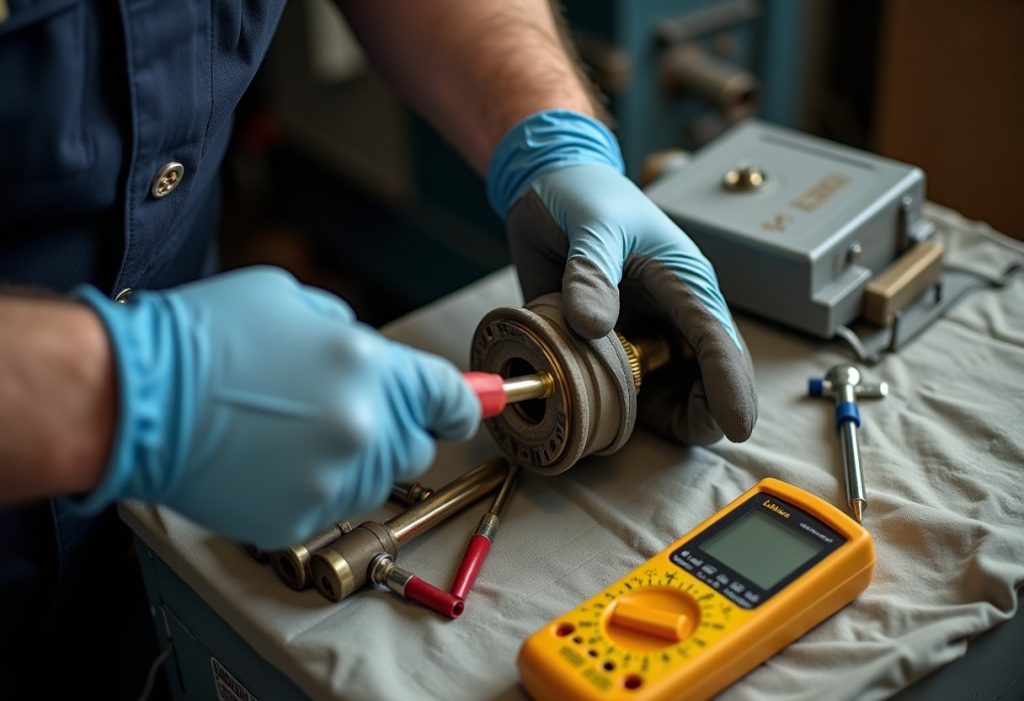
How much does annual boiler service cost, and does it prevent repairs?
Annual boiler service costs $200 to $500 per Fixr, and Bob Vila reports an average of about $413 for boiler service with annual inspections at $200 to $400. A tune-up will not stop every failure, but it catches the cheap ones (a dirty flame sensor, a low expansion tank charge, a weeping valve) before they turn into a no-heat emergency.
Bob Vila describes a standard visit as inspecting for leaks, checking pressure, cleaning burners, flushing the system and running a full test, taking about 45 to 90 minutes. HomeAdvisor lists gas or oil boiler cleaning at $150 to $350 and a system flush at $200 to $600 when sludge or scale is the problem.
- Schedule service in late summer or early fall, before the first cold week fills contractor calendars.
- Ask the tech to record the expansion tank air charge and the cold and hot pressure readings.
- Ask whether the relief valve was tested and whether the manufacturer recommends replacing it on a set schedule.
- Keep the invoice; some boiler warranties require proof of annual professional maintenance.
What can a homeowner check, and what needs a licensed pro?
Homeowners can safely check the thermostat, breaker or service switch, pressure gauge and visible leaks, and can bleed air from radiators. Anything involving gas, combustion, venting, the relief valve or draining the loop belongs to a licensed heating or gas technician. In many areas, gas valve and venting work legally requires a licensed installer and sometimes a permit.
- DIY-safe: resetting the thermostat, checking the boiler service switch and breaker, reading the gauge, bleeding radiators, noting error codes.
- Pro only: gas valves, ignitors and flame sensors on sealed units, relief valve replacement, expansion tank replacement, heat exchanger work, flue and venting repairs.
- Always: keep working carbon monoxide alarms near sleeping areas and on the level with the boiler.
How we sourced this
We compared the 2026 boiler repair cost guides from Fixr, HomeAdvisor and Bob Vila and cited the range each publishes, by part and by symptom, rather than averaging them into a new number. Pressure relief valve and igniter or flame sensor figures come from Modernize as reported in search results; the full Modernize page blocked our fetch, so treat those two ranges as a single-source estimate. Efficiency and life-expectancy figures come from the U.S. Department of Energy home heating fact sheet and the ENERGY STAR boiler specification. Pressure settings come from Watts product specifications (174A relief valve, 1450F fill valve). All dollar figures are national ranges that include parts and labor; local prices may vary. We excluded UK cost guides, steam boiler repairs and commercial boilers. Reviewed October 2026.
Frequently asked questions
Is boiler repair worth it?
Boiler repair is usually worth it when the boiler is under about 15 years old and the repair costs less than half the price of a new unit, the rule Fixr cites. Most single-part repairs land between $150 and $750, while a replacement averages about $6,100 per Fixr. A cracked heat exchanger on an old boiler is the common case where replacement wins.
How often should a boiler be serviced?
Once a year, ideally before the heating season starts. Bob Vila reports that boilers rarely need service more than once a year, and a standard visit takes about 45 to 90 minutes. The technician checks pressure, cleans burners, tests the relief valve and safety controls, and looks for leaks, which catches cheap failures before they become no-heat calls in January.
How long do boilers last?
HomeAdvisor puts typical boiler life at 15 to 20 years, and a U.S. Department of Energy home heating fact sheet gives a 15 to 30 year life expectancy for central heating equipment. Cast iron boilers on well-treated closed loops tend to sit at the long end of that range, while neglected units and units with untreated water tend to fail sooner.
What are the most common boiler problems?
The most common boiler problems are no heat, leaks, kettling or banging noise, pressure that climbs or drops, and short cycling. The parts behind them are usually the ignitor or flame sensor, the circulator pump, a waterlogged expansion tank, a dripping relief valve, or a stuck zone valve. Fixr prices no-heat repairs at $200 to $1,000 and leaks at $175 to $800.
Why are boiler repairs so expensive?
Boiler repairs carry a service-call fee, skilled labor and parts that are often brand-specific. Fixr lists diagnostic fees of $75 to $250 and hourly labor of $75 to $150, before parts. Gas valves and circulator pumps can each reach $1,100 installed. Emergency, weekend and holiday calls typically cost more, and many repairs require a licensed gas or heating technician by law.
What are the signs my boiler is failing?
Warning signs include no heat or uneven heat, water on the floor around the boiler, a relief valve that drips or discharges, a pressure gauge that climbs toward the 30 psi relief setting when hot, banging or kettling sounds, a yellow or lazy flame, frequent resets, and rising fuel bills. A carbon monoxide alarm going off means leave the house and call the gas utility or 911 first.
Can I replace a boiler pressure relief valve myself?
Most homeowners should not. The relief valve is the last safety device between the boiler and an overpressure failure, it must match the boiler’s rated pressure (residential units commonly use a 30 psi valve such as the Watts 174A), and the system must be isolated, drained and refilled correctly. Modernize puts professional replacement at $150 to $400, and some jurisdictions require a licensed installer.
How much is a new boiler for a 2000 sq ft house?
The article does not break costs down by square footage. It only gives overall figures, a new boiler averages about $6,100 per Fixr, and HomeAdvisor puts an installed replacement at $4,800 to $9,000. Those ranges are national figures for a hydronic home boiler, not sized to a specific home square footage.


