Sump Pump vs Sewage Ejector Pump: What Each One Moves
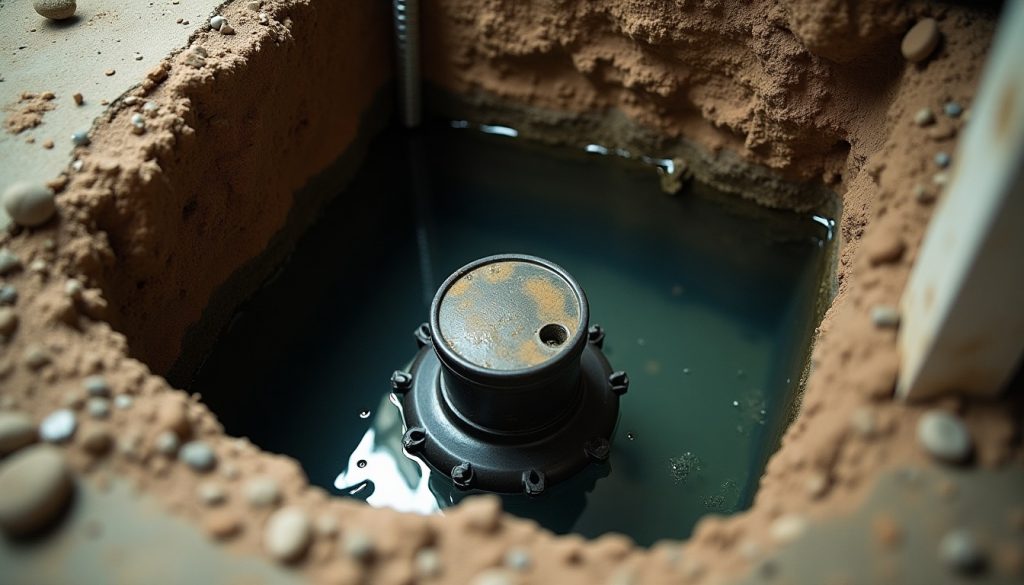
Sump pump vs sewage ejector pump comes down to what each moves: a sump pump removes clean groundwater, while a sewage ejector lifts wastewater and 2-inch solids from a below-grade bathroom.
Key Takeaways
- A sump pump moves clean groundwater from an open pit; a sewage ejector moves wastewater and soft solids from a sealed, vented basin, per Zoeller Pump Company.
- A residential sewage ejector passes spherical solids up to 2 inches through a non-clogging vortex impeller, per the Zoeller Model 267 spec.
- A sump pump installs for about $600 to $2,500 all in (avg ~$1,200), while a sewage ejector added to an existing home runs $2,000 to $4,500, per 2026 cost data.
- A 1/2 HP cast-iron ejector handles most basement bathrooms; grinder pumps start at 1 HP because they shred waste into slurry, per Liberty Pumps.
- A pump serving a toilet must move at least 20 GPM at the actual lift height under Uniform Plumbing Code section 710.3.
- You cannot swap one for the other: a sump impeller clogs on waste, and an open sump pit has no seal or vent to contain sewer gas.
Sump pump vs sewage ejector pump: which do you need?
Pick a sump pump if your only problem is groundwater seeping into the basement, and a sewage ejector pump if you are draining a toilet, sink, or shower that sits below the main sewer line. The deciding factor is the fluid: clear water goes to a sump, anything with waste in it goes to an ejector. A grinder pump is a third option for homes that must push sewage a long way or uphill to the main.
These are not interchangeable, and the choice is usually made for you by what you are draining and where it sits relative to the sewer. See how a sewage ejector pump works for the full picture on the waste side.
What does a sump pump do?
A sump pump removes clean groundwater. It sits in a pit, called a sump basin, dug into the lowest point of a basement or crawlspace floor. As the water table rises during rain or snowmelt, groundwater collects in that pit, a float switch trips, and the pump sends the water outside and away from the foundation through a discharge line.
A sump pump handles no solids and no sewage. It uses a smaller motor, commonly 1/3 to 1/2 HP, and a 1.5-inch discharge. The pit is open and needs no gas seal, which is a large part of why it is cheaper and easier to install. Read how to install a sump pump for the pit, check valve, and discharge steps.
What does a sewage ejector pump do?
A sewage ejector pump moves wastewater and soft solids from a bathroom that sits below the level of the main sewer line, such as a basement bathroom. Waste flows by gravity into a sealed basin, and when it fills, the pump lifts the whole mix (liquid plus solids up to 2 inches) up and over to the gravity sewer or septic line.
Because it handles raw sewage, the ejector lives in a gas-tight basin that is vented to the outdoors, and it uses a non-clogging vortex impeller and a 2-inch or 3-inch discharge. A 1/2 HP unit covers most homes and can move over 100 GPM at low lift. If you are building the room, see adding a below-grade basement bathroom.
How is a grinder pump different?
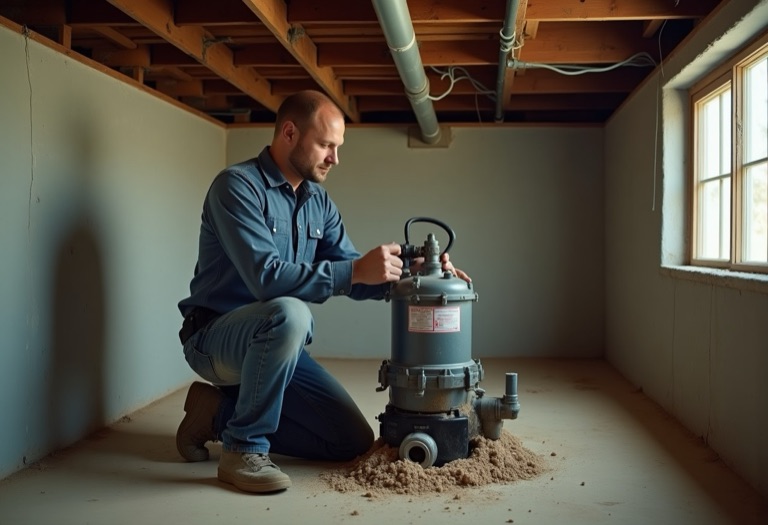
A grinder pump shreds sewage into a fine slurry with rotating cutting blades, then forces it through a small-diameter pressurized line. It runs at 1 HP or more and moves less volume than an ejector, roughly 35 to 70 GPM, but it can push that slurry over much longer distances and higher lifts, sometimes thousands of feet, per Ferguson.
Use a grinder where the home sits well below or far from the sewer main and needs pressure to reach it. Where a standard short vertical lift to a nearby gravity sewer is all you need, an ejector is simpler and cheaper. Specialty grinder units include the Liberty ProVore and Zoeller Shark series.
Sump vs ejector vs grinder: how do they compare head-to-head?
They differ on almost every spec: what they move, where they install, solids handling, motor size, discharge, and price. The table lines up all three on the factors that decide which one belongs in your basin.
| Factor | Sump pump | Sewage ejector pump | Grinder pump |
|---|---|---|---|
| What it moves | Clean groundwater, no solids | Wastewater + soft solids to 2 in | Sewage ground into slurry |
| Where it installs | Open pit in basement floor | Sealed, vented basin below sewer | Sealed basin, pressurized line |
| Solids handling | None | Passes 2-inch solids whole | Cuts/shreds tough solids |
| Typical HP | 1/3 to 1/2 HP | 1/2 HP (up to 1 HP) | 1 HP and up |
| Discharge / flow | 1.5 in, high volume | 2 to 3 in, up to ~115+ GPM | Small line, 35 to 70 GPM, long run |
| Basin sealed/vented | No seal, no vent needed | Sealed and vented (required) | Sealed and vented |
| Typical installed cost | ~$600 to $2,500 | ~$2,000 to $4,500 | Higher, often $2,000 to $6,000+ |
How much does each pump cost to install?
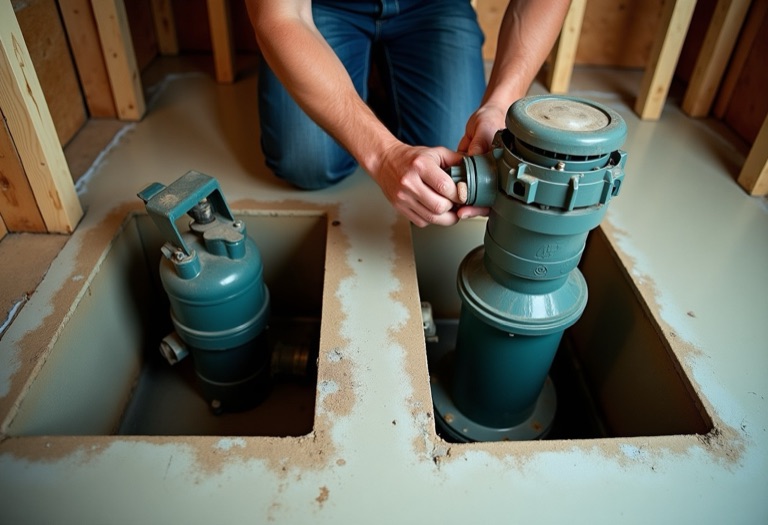
A sump pump is the cheapest of the three, a sewage ejector sits in the middle, and a grinder pump costs the most installed. A sump pump runs about $600 to $2,500 all in and averages near $1,200, while a sewage ejector added to an existing home runs $2,000 to $4,500 and averages around $2,300, per 2026 cost data. Grinder installs run higher because of the pump power and pressurized line.
The pump itself is a fraction of the job. A sump pump unit is $100 to $800, and an ejector unit is $150 to $2,000, so most of the gap is the sealed basin, the vent, and the code-compliant discharge work. A straight pump swap in an existing basin costs far less than a first-time install. See the full sump pump cost breakdown for what drives the number.
Can you use a sump pump for sewage, or an ejector for groundwater?
No, not safely and not to code. A sump pump impeller is built for clear water and will clog and burn out on toilet paper and waste, and an open sump pit has no seal or vent to contain sewer gas, which is a health hazard and a code violation in most areas. Sewage always needs a sewage ejector or grinder in a sealed, vented basin.
Running a sewage ejector on plain groundwater is technically possible but wasteful: you pay two to three times the price for solids-handling capability you never use. Match the pump to the fluid. Clear water gets a sump; anything with waste gets an ejector.
Which pump do you need for your situation?
Use this quick logic. If water is only groundwater seeping into the basement, install a sump pump. If you are adding or running a bathroom below the sewer line, install a sewage ejector. If the home sits far below or far from the sewer main and needs pressure to reach it, install a grinder pump.
- Groundwater in the basement, no fixtures involved: sump pump.
- Below-grade toilet, sink, or shower draining to a nearby gravity sewer: sewage ejector pump.
- Waste that must travel a long distance or high lift under pressure: grinder pump.
When in doubt about lift height, flow, and local code, have a licensed plumber size the pump. Undersizing an ejector below the 20 GPM toilet minimum leads to backups.
How we sourced this
We compared sump pumps, sewage ejector pumps, and grinder pumps on what each moves, install location, solids handling, horsepower, discharge and flow, basin sealing and venting, and 2026 US installed cost. Figures come from manufacturer specifications (Zoeller Model 267 and pump-type guides, Liberty Pumps residential sewage ejectors), a distributor technical guide (Ferguson), plumbing code (Uniform Plumbing Code section 710.3 minimum ejector flow serving a toilet), and current US install cost data from multiple contractor sources. Pricing, lift requirements, and code adoption vary by region, so we cite ranges rather than single figures. We excluded commercial lift stations and municipal grinder systems.
Frequently asked questions
What is the difference between a sump pump and a sewage ejector pump?
A sump pump removes clean groundwater that collects in a pit under the basement floor, and it handles no solids. A sewage ejector pump lifts wastewater plus soft solids up to 2 inches from a below-grade toilet, sink, or shower and pushes it up to the main sewer line. The ejector sits in a sealed, vented basin; the sump pit is open.
Can I use a sump pump for sewage?
No. A sump pump is built for clear groundwater and its impeller will clog and fail on toilet paper and waste. Sewage also needs a sealed, vented basin to contain gas, which an open sump pit does not have. Pumping sewage through a sump setup violates plumbing code in most areas and creates a health hazard. Use a sewage ejector or grinder pump for any waste line.
Can a sewage ejector pump be used for groundwater?
It can move clean water, but it is overkill and wasteful. A sewage ejector is a larger, more expensive pump built to pass 2-inch solids, and running it on groundwater alone means paying two to three times the cost of a sump pump for capability you never use. For a basement that only takes on groundwater, a standard sump pump is the correct and cheaper tool.
How much does a sewage ejector pump cost to install?
Adding a sewage ejector system to an existing home generally runs $2,000 to $4,500, with the pump itself costing $150 to $2,000 depending on horsepower and brand, per 2026 cost data. New-construction installs where the basin is set during the build run less. A straight pump swap in an existing basin is cheaper, often around $900 to $2,500.
What is a grinder pump and how is it different?
A grinder pump uses cutting blades to shred sewage into a fine slurry before pushing it through a small-diameter pressurized line. It runs at 1 HP or more, moves less volume than an ejector (about 35 to 70 GPM) but over much longer distances, and is used where a home sits below or far from the sewer main. A sewage ejector instead passes whole 2-inch solids over a short lift.
What horsepower sewage ejector pump do I need for a basement bathroom?
A 1/2 HP cast-iron sewage ejector that passes 2-inch spherical solids handles a typical residential basement bathroom, per Zoeller and Liberty Pumps residential specs. Uniform Plumbing Code section 710.3 requires a pump serving a toilet to move at least 20 GPM at the actual vertical lift. Higher lifts or long runs may call for a 3/4 or 1 HP unit.
Does a sewage ejector basin need a vent?
Yes. A sewage ejector installs in a sealed, gas-tight basin that must be vented to the outside, both to let the pump breathe as it fills and empties and to carry sewer gas up and out of the home. A sump pit for groundwater does not need a seal or a dedicated vent. Skipping the vent on an ejector traps odor and can cause the pump to short-cycle.


