Closet Auger: How to Use a Toilet Auger Without Scratching the Bowl
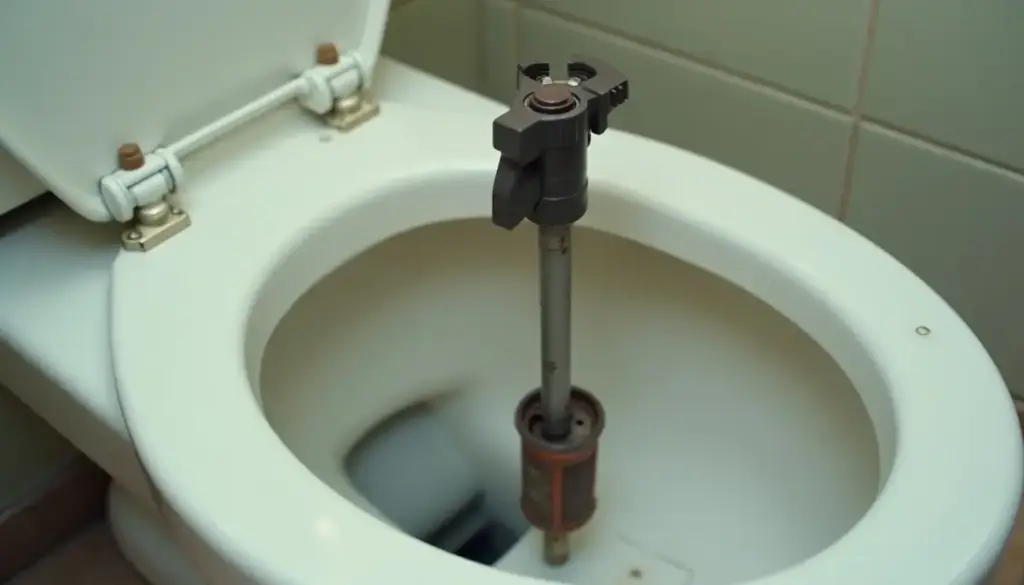
A closet auger is a 3 or 6 foot crank cable inside a bent steel tube with a vinyl bowl guard, built to clear the toilet trap without scratching the porcelain when the guard stays seated.
Key Takeaways
- The RIDGID K-3 (catalog 59787) carries 3 feet of 1/2 inch compression-wrapped inner core cable, a bulb head, and a vinyl guard, and weighs 4 1/2 lb, per the Global Test Supply spec listing.
- General Pipe Cleaners’ Teletube (IT6FL) stores an extra 3 feet of cable inside a hexagonal guide tube, for 6 feet total, released by pressing a button and pulling the crank.
- General’s Flexicore cable is two layers of tempered spring wire over a 49-strand wire rope core, carries a one-year guarantee, and is sized to pass low-flow toilets.
- This Old House says to plunge a toilet for 20 to 30 seconds first and switch to a closet auger only when plunging fails.
- Gray streaks after augering are usually metal transfer; Bar Keepers Friend’s method for metal marks on dishware, a 10 to 15 second dwell, a light scrub, and a rinse within one minute, is a reasonable first try on the glazed bowl.
- Verified October 2026 prices run $51.00 for a RIDGID K-3 (Global Test Supply sale) to $79.20 for a General T6FL-DH (WebstaurantStore, 6-unit minimum).
What is a closet auger, and how is it built?
A closet auger is a toilet-only snake: a 3 or 6 foot spring-steel cable that rides inside a rigid steel tube bent at the bottom, turned by a crank handle on top, with a vinyl, rubber, or plastic guard where the bend meets the porcelain. “Closet” is the trade name for a toilet.
The tube carries the spinning cable past the glazed bowl and releases it at the trap opening, so steel never rubs the visible china. A bare hand snake has no tube, which is why our guide on how to use a plumbing snake keeps the two tools apart.
General Pipe Cleaners publishes the specs for its four consumer models on its DIY closet auger page:
- Standard (3NKH): 3/8 inch spring, galvanized steel tube 27 inches long and 5/8 inch in diameter, plastic bowl guard.
- Deluxe (3RB): 7/16 inch spring, steel tube 30 inches long and 3/4 inch in diameter, plastic grip handle and bowl guard.
- Utility (3PJH): 1/2 inch spring, 3/4 inch galvanized tube, 3/8 inch galvanized turning rod, heavy vinyl grip and bowl guard.
- Professional: wire rope center core with two layers of spring wire coiled over it, die cast aluminum handles, one-year guarantee.
A thicker spring resists kinking in a wad of wipes, so a 1/2 inch cable is the better buy if your kids flush toys.
Toilet auger vs plunger vs drum auger: which should you grab first?
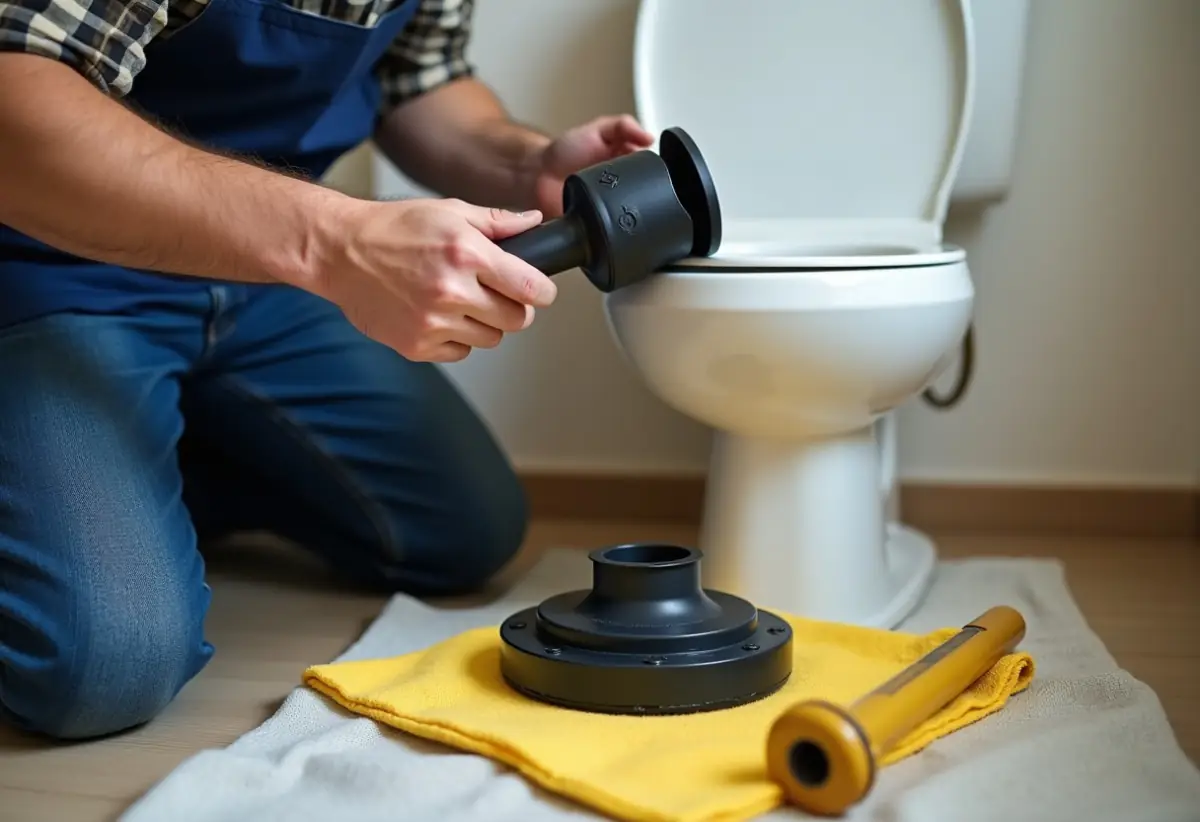
Grab a flange or beehive plunger first, then the closet auger, and keep the drum auger out of the bowl entirely. This Old House advises plunging for 20 to 30 seconds with a pulling motion, then switching to a toilet auger if the water still will not drop. A drum auger belongs in the drain only after the toilet is pulled.
The plunger moves water; the auger moves the clog. Paper gives way to pressure, while a wipe or a toy needs a head that bores into it or hooks it. Our guide on how to unclog a toilet covers the plunger sequence before you reach for steel.
| Tool | Reach | Best for | Price (checked Oct 2026) |
|---|---|---|---|
| Flange or beehive plunger | Bowl outlet and trap, by water pressure | Soft paper and waste; always the first try | Not priced in this check |
| RIDGID K-3 (59787) | 3 ft, 1/2 in cable, bulb head | Wipes and objects in the trap | $51.00 sale, $58.80 regular (Global Test Supply) |
| General Pipe Cleaners I3FL-DH | 3 ft Flexicore, down head | Low-flow bowls with sharp trapways | $66.94 (PartsSource) |
| General Pipe Cleaners T6FL-DH Teletube | 6 ft (3 ft telescoped inside the tube) | Clogs just past the bowl, without pulling it | $79.20 each, 6-unit minimum (WebstaurantStore) |
| Spartan Tool closet auger | 6 ft of 1/2 in cable, drop head | 3 to 4 inch toilet drains | Not listed on the spec sheet |
| Cobra 42060 (40000 series) | 6 ft, 3/8 in cable | Light-duty home use | Not verified |
| 25 ft drill-style drum auger | 25 ft, 3/8 in cable | Branch lines, only with the toilet pulled | $30 to $40 a day to rent |
The rental figure comes from the two counters in our drain snake rental guide. Rent one only once the clog is confirmed past the closet bend.
How do you use a toilet auger step by step?
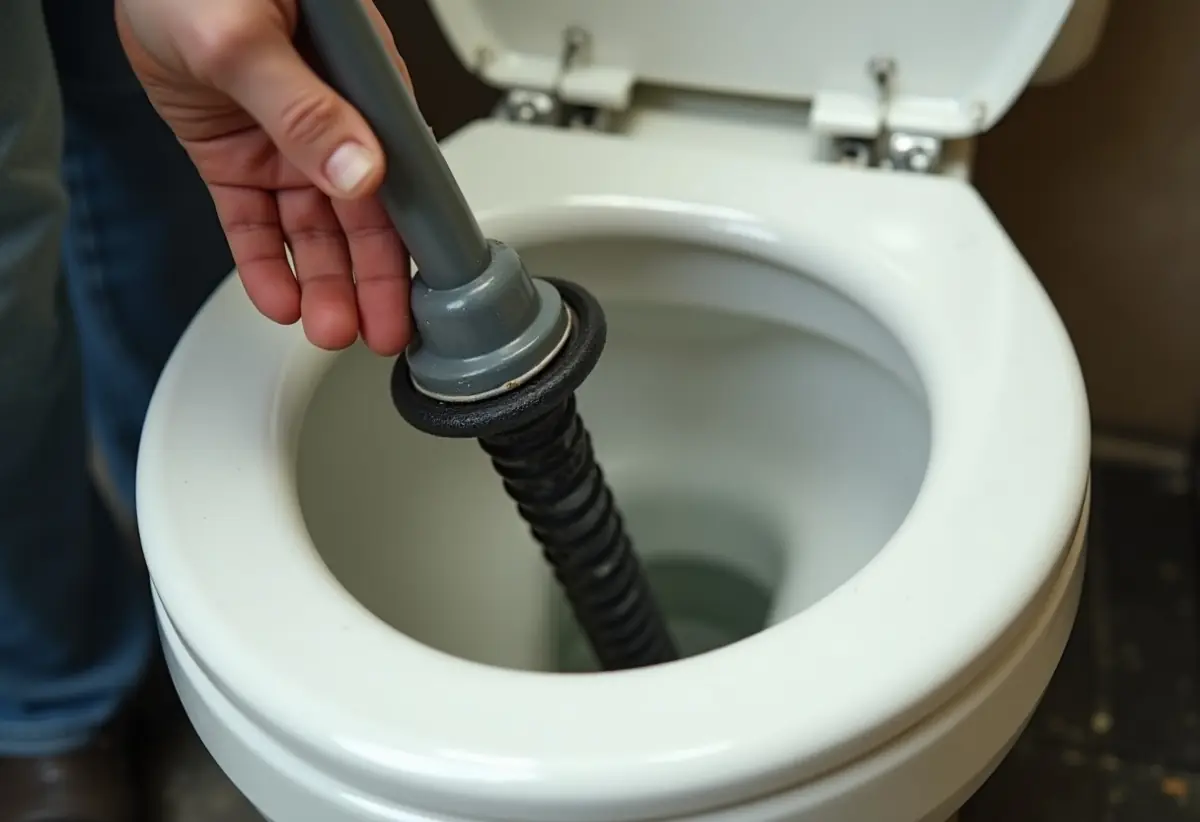
Retract the cable fully, seat the bent end and guard in the bottom of the bowl with the tip aimed into the trap, then push the crank down while turning so the cable feeds through the trap. When it stops, keep cranking to bore or hook the clog, and retract while still turning.
- Put on gloves and lay towels. This Old House recommends gloves against bacteria and checking that the toilet is stable so it cannot rock while you crank.
- Lower the water if the bowl is near the rim. Bail some into a bucket so the tube does not push water over.
- Pull the crank handle all the way up. This draws the cable tip back to the bent end of the tube, so no bare steel touches the bowl on the way in.
- Seat the bend. Rest the guard on the porcelain at the bottom of the bowl with the tube’s curved end pointing into the trap opening, which sits at the back of most bowls.
- Feed while turning. Push the crank handle down slowly and turn it in one direction. This Old House says to push the cable “slowly through the trap and up and over the bend.”
- Work the clog. When you feel resistance, keep turning to break it up. If the head snags something solid, pull the cable back toward you rather than driving the blockage deeper.
- Extend if you have a Teletube. On the General IT6FL, press the button and pull the crank handle to release the extra 3 feet once the first 3 feet are in.
- Retract while cranking, then flush. Keep turning as you pull the handle up until the head is back at the bend, lift the auger out, and flush to test. Repeat if the water drains slowly.
How do you keep a closet auger from scratching the bowl?
Keep the guard pressed against the porcelain the entire time the cable is turning, and never let the bare cutter head or cable rub the visible bowl. RIDGID lists its K-3 vinyl guard as the feature that protects porcelain, and Spartan Tool’s spec sheet describes a plastic sleeve that prevents marring of porcelain at the bottom of the bowl.
Most damage happens while inserting the tube with cable hanging out, rocking it sideways, or yanking it out with the head exposed. Retract fully before the tube moves.
- Check the guard before each use. A split or missing guard means steel on china.
- Pick a down head for tight bowls. General says its optional down head follows bowl contours and springs through sharply angled passages “while protecting the inner walls from chipping and breaking.”
- Turn slowly. This Old House tells readers to “turn the auger handle slowly to avoid damaging the porcelain.”
- Do not substitute a hand snake. Plumber Richard Trethewey, quoted by This Old House, says a standard hand snake in a toilet means you “would scratch that porcelain.”
Are the gray marks from a closet auger scratches, and how do you remove them?
Usually not. Gray streaks from a closet auger are almost always steel rubbed onto the glaze, like a fork mark on a white plate. Drag a fingernail across the line: if it catches in a groove, the glaze is damaged; if it glides, the mark is surface metal and will come off with a mild cleanser.
Bar Keepers Friend says the faint gray marks metal leaves on light-colored dishes “don’t damage your dishes, and they aren’t permanent.” Its published method, from the brand’s guide to removing utensil marks, translates directly to a toilet bowl:
- Shut the supply valve and flush so the bowl drains; sponge out the water left in the bottom.
- Apply the powder cleanser or Soft Cleanser to a damp sponge or non-scratch pad.
- Spread it over the mark and wait 10 to 15 seconds.
- Scrub lightly to moderately.
- Rinse within one minute of application, then repeat if any gray remains.
Skip steel wool, which leaves more metal behind. A true chip that exposes the dull clay body will not polish out.
What can a closet auger not reach, and when should you pull the toilet?
A 3 foot closet auger clears the trap built into the toilet and little more; a 6 foot model clears stoppages just beyond the bowl, in General’s words. Pull the toilet when 6 feet of cable will not clear it, when you can feel a hard object the head will not hook, or when the clog keeps coming back within days.
Spartan Tool rates its 6 foot closet auger for 3 to 4 inch pipe. Past the closet bend the clog is in the branch or main. This Old House says sewage backing into sinks and tubs is a reason to call a licensed plumber immediately.
- Toy or solid object in the trapway: pull the toilet and push or retrieve it from the outlet side.
- Clears, then clogs again in days: a partial obstruction may be sitting in the trap; our guide to a toilet that keeps clogging walks through the test for it.
- Tub gurgles when you flush: the blockage is downstream; run a drum auger through a cleanout or the open flange.
How do you clean, dry, and store a closet auger?
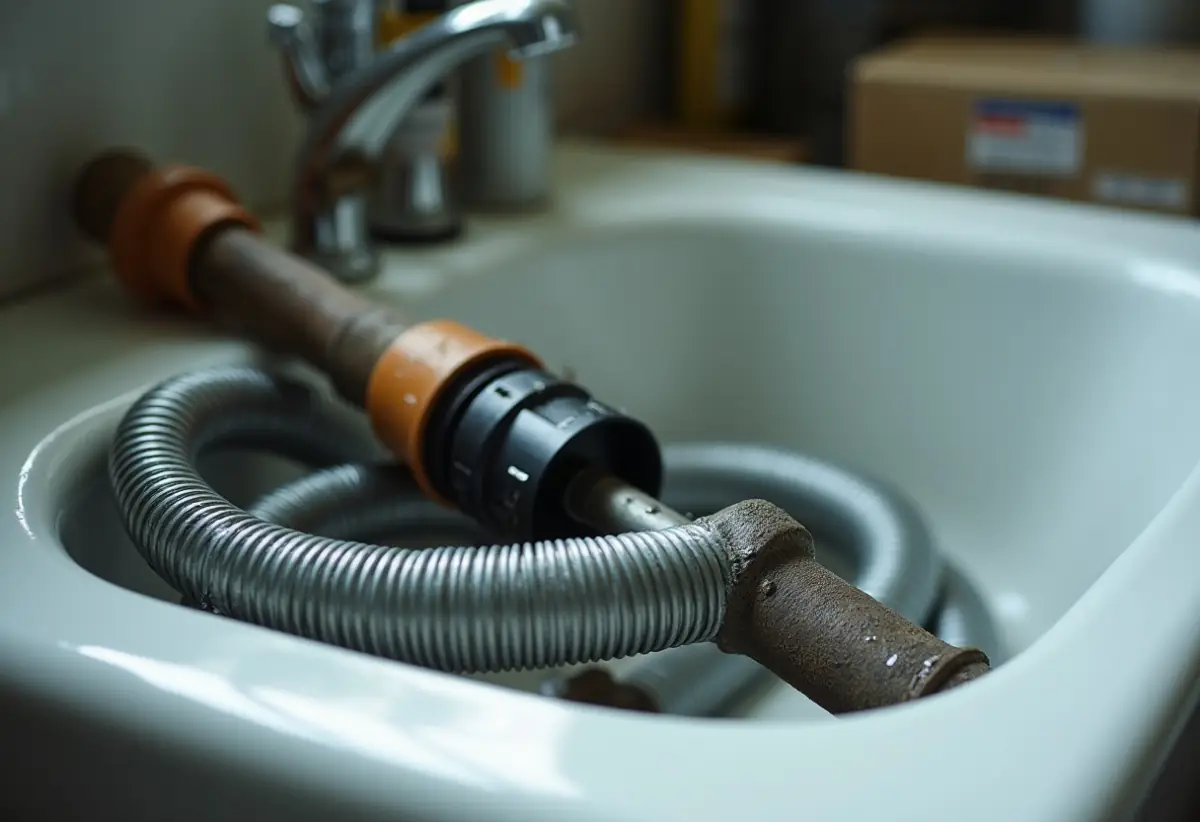
Run the cable out over the bowl, flush clean water across it, disinfect it, and let it dry fully extended before you retract it into the tube. This Old House says to clean and disinfect the auger after each use, and General sells a closet auger bag (catalog CABG) with three vent holes so the tool dries between jobs.
- Dry before storage. A wet cable stored in a steel tube rusts and marks the next bowl darker.
- Lubricate the cable. General lists its Snake-Oil Classic (1 quart, catalog SOQ) as an accessory for its Flexicore closet augers.
- Replace, do not straighten, a kinked cable. The Teletube takes a replacement snake (RS-T6FL or RS-T6FL-DH) that slides into the hexagonal tube until a spring pin snaps in place.
What do common closet auger models cost?
Verified October 2026 listings ran $51.00 to $79.20 for professional-grade closet augers. A RIDGID K-3 was $51.00 on sale at Global Test Supply ($58.80 regular), a General I3FL-DH 3 foot down head was $66.94 at PartsSource, and the 6 foot General T6FL-DH Teletube was $79.20 each at WebstaurantStore in packs of six.
The extra money buys reach and a replaceable cable, not bulk: General’s literature lists the 3FL at 4 1/2 lb and the T6FL at 5 3/4 lb.
A 3 foot auger covers most homes; buy 6 feet if clogs have gone past the bowl before. Specs for the Flexicore line are on General’s professional closet auger page, and Spartan’s sheet is on its closet auger brochure.
How we sourced this
We consulted 14 sources and cited 9: General Pipe Cleaners’ closet auger pages and Flexicore literature, Spartan Tool’s spec sheet, the RIDGID K-3 listing at Global Test Supply, prices at Global Test Supply, PartsSource, and WebstaurantStore (checked October 2026), This Old House, and Bar Keepers Friend. We excluded prices we could not load directly (Home Depot, Ace), RIDGID K-6 specs we could not confirm, and an untraceable claim about porcelain damage rates.
Frequently asked questions
Is a toilet auger better than a plunger?
Not as a first move. This Old House tells readers to start with a flange or beehive plunger for 20 to 30 seconds and switch to a toilet auger only if plunging fails. The auger wins on wipes, toys, and hard objects, because its cable bores into or hooks the blockage instead of pushing water against it.
Can a toilet auger damage a toilet?
A closet auger used with its bowl guard seated in the bottom of the bowl rarely does more than leave gray metal marks. The damage comes from a bare hand snake, which This Old House warns will scratch the porcelain, or from forcing the cable and letting the steel tube or cutter head grind against the glaze.
How do you get gray marks off a toilet bowl after using an auger?
Gray streaks are usually metal rubbed off the cable or tube, not true scratches. For metal marks on glazed dishware, Bar Keepers Friend tells users to apply its cleanser with a damp sponge or non-scratch pad, wait 10 to 15 seconds, scrub lightly, and rinse within one minute; the same gentle routine is a reasonable first try on a glazed vitreous china bowl. Drain the bowl first so the cleanser sits on dry glaze.
How far can a toilet auger reach?
Most closet augers reach 3 feet or 6 feet. The RIDGID K-3 and the General I3FL carry 3 feet of cable, enough to clear the trap. The General Teletube stores an extra 3 feet inside its guide tube for 6 feet total, and the Spartan Tool closet auger has 6 feet of half-inch cable rated for 3 to 4 inch lines.
Can I use a regular drain snake on a toilet?
Avoid it. A standard hand snake has no guide tube or bowl guard, so the spinning cable rubs directly on the porcelain. This Old House quotes Richard Trethewey saying you would never want to use one in a toilet because it scratches the bowl. A closet auger keeps the cable inside a steel tube until it reaches the trap.
Why will my toilet auger not go down the drain?
The head is usually aimed at the back wall of the bowl instead of the trap opening, or it is jammed in the first tight bend. Pull the crank handle all the way up, reseat the bent end so the tip points into the outlet, then feed slowly while turning. A down head model such as the General I3FL-DH follows sharp bowl contours more easily.
When should I pull the toilet instead of using an auger?
Pull it when a 6 foot auger cannot clear the clog, when you can feel a hard object you cannot hook, or when the clog returns within days. With the toilet off the flange you can see the object from below and run a drum auger straight into the 3 to 4 inch drain without touching porcelain.