Do Septic Tank Additives Work? What EPA and Extension Research Says
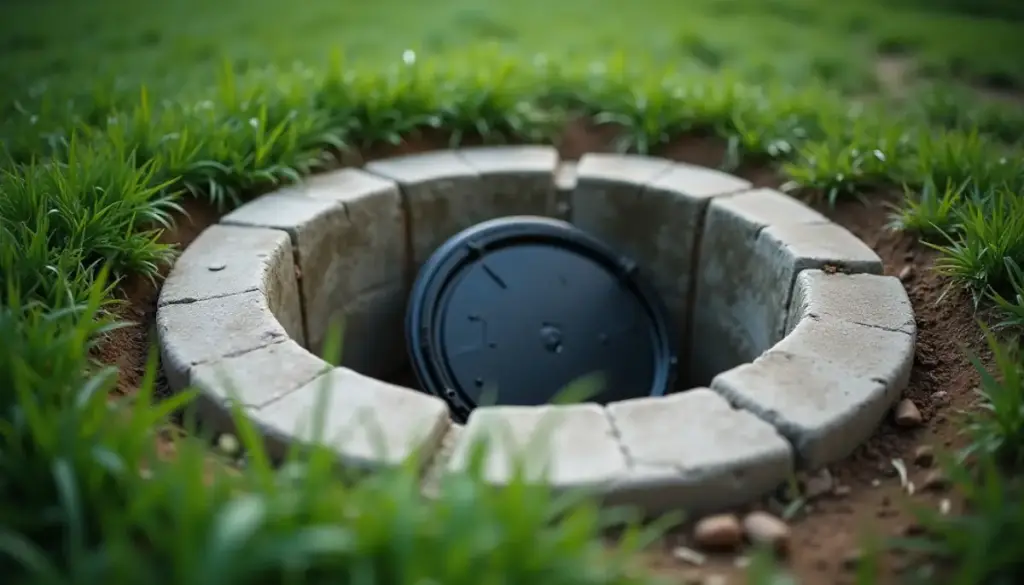
Septic tank additives are not needed: EPA and extension research finds a working tank already holds the bacteria it needs, some chemical types harm the drain field, and no product replaces pumping every 3 to 5 years.
Key Takeaways
- The EPA Septic Tank Additives Fact Sheet (updated 2024) does not recommend additives containing bacteria or chemicals for household systems.
- Biological additives “do not significantly enhance normal biological decomposition,” per University of Kentucky Extension publication HENV-505, though some can thin scum and sludge.
- Chemical cleaners, degreasers and odor killers carry the real risk: the EPA says products with organic solvents are banned in many states.
- Washington has required state review of additives since its legislature acted in 1993, and Massachusetts makes adding an unlisted additive a violation of Title 5 (310 CMR 15.027).
- A 1,000-gallon tank serving 4 people needs pumping about every 2.6 years, and every 1.5 years for 6 people, per Oregon State University Extension EC 1343.
- The EPA puts typical pumping at every 3 to 5 years and inspection at least every 3 years.
Do septic tank additives actually work?
Septic tank additives do not improve a working household system in any way the research can measure. The EPA, Oregon State, Penn State and the University of Kentucky all reach the same verdict: the tank already contains the bacteria it needs, some biological products thin scum but carry unknown long-term effects on the soil, and chemical products can do real damage. None of them replace pumping.
The shelf pitch: pour in a monthly packet and the “good bacteria” will digest sludge and save you a pump-out. But a septic tank is not short on bacteria. Human waste arrives loaded with them, and the University of Kentucky describes those bacteria as diverse and adapted to the low-oxygen tank.
The honest nuance: the EPA and the University of Kentucky both note that some biological products can reduce scum and sludge in the tank. That is not the same thing as making the system work better. Material that leaves the tank still has to go somewhere, and that somewhere is your drain field.
What do the EPA and university extension services say about septic tank additives?
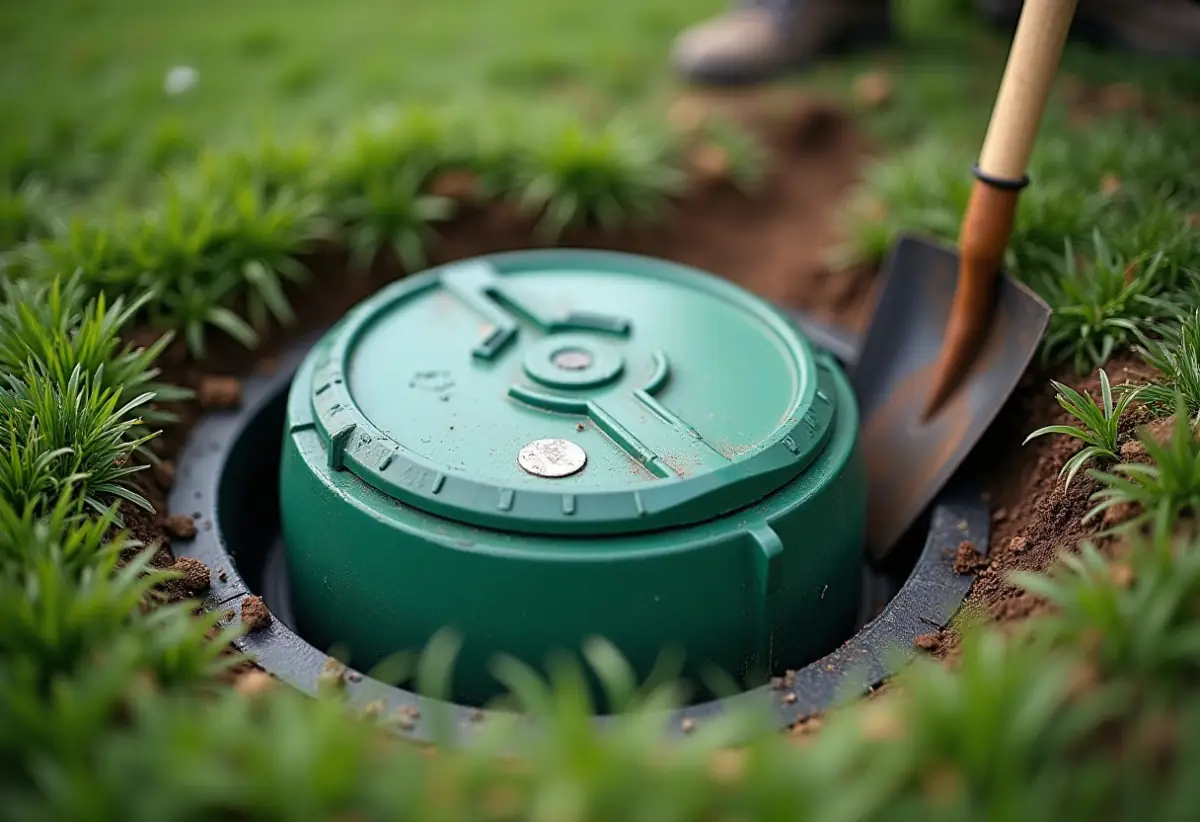
The EPA and every extension service we reviewed advise against septic tank additives for normal household systems. The EPA’s 2024 fact sheet gives three reasons: some products may interfere with waste breakdown, clog the system and contaminate groundwater; they are unnecessary because the microorganisms are already present; and most have only limited third-party research behind their claims.
The EPA fact sheet (Publication 830-F-24-003) puts it plainly: onsite systems “already contain the bacteria, enzymes, yeasts, fungi, and microorganisms needed to function properly.”
University extension services say the same thing in their own words:
- Oregon State University Extension (EC 1343, reviewed 2025): “Biological and chemical additives are not needed to aid or accelerate settling or decomposition.”
- University of Kentucky Extension (HENV-505): human waste “contains abundant bacteria that are remarkably resilient,” and “there is no need to supplement the bacteria supply in a septic tank.”
- Penn State Extension: additives used to reduce sludge volume or as a substitute for pumping are not recommended, and most homeowners are better off pumping on schedule.
For the mechanics behind those positions, our guide to how a septic system works walks through the tank, the outlet baffle and the soil treatment stage that additives claim to help.
What is the difference between biological and chemical septic tank additives?
Biological additives contain live bacteria, enzymes or yeasts and claim to boost digestion; chemical additives use acids, alkalis, solvents or disinfectants to open lines, cut grease or kill odor. Biological products are mostly a waste of money. Chemical products are the ones that can hurt the tank, the bacteria and the groundwater, and several categories face state limits.
The EPA fact sheet sorts the market into six categories.
| Additive type | Typical ingredients | Marketing claim | What the EPA found |
|---|---|---|---|
| Biological additives | Bacteria cultures, enzymes (cellulase, protease), nutrient solutions | Digest sludge, “restart” the tank | Some can reduce scum and sludge; long-term effect on soil treatment unknown; may change effluent quality |
| Line and drain field cleaners | Sulfuric acid, lye, other strong acids or alkalis | Open clogged lines | Can disrupt bacteria and damage pipes, tanks and other components |
| Degreasers | Chlorinated hydrocarbons such as methylene chloride, trichloroethylene | Break down oil and grease | Can destroy helpful microorganisms; groundwater risk; banned in many states |
| Odor control products | Formaldehyde, paraformaldehyde, quaternary ammonia, zinc sulfate | Stop septic odors | Work by killing the bacteria the system needs; odor source should be diagnosed |
| Phosphorus removal products | Alum, ferric or ferrous iron, lime | Cut phosphorus reaching lakes | Can strip phosphorus but may remove beneficial bacteria and build sludge; consult a pro first |
| Flocculants | Baking soda and similar binders | Clearer effluent | Research has not shown successful performance |
Can septic tank additives damage your drain field?
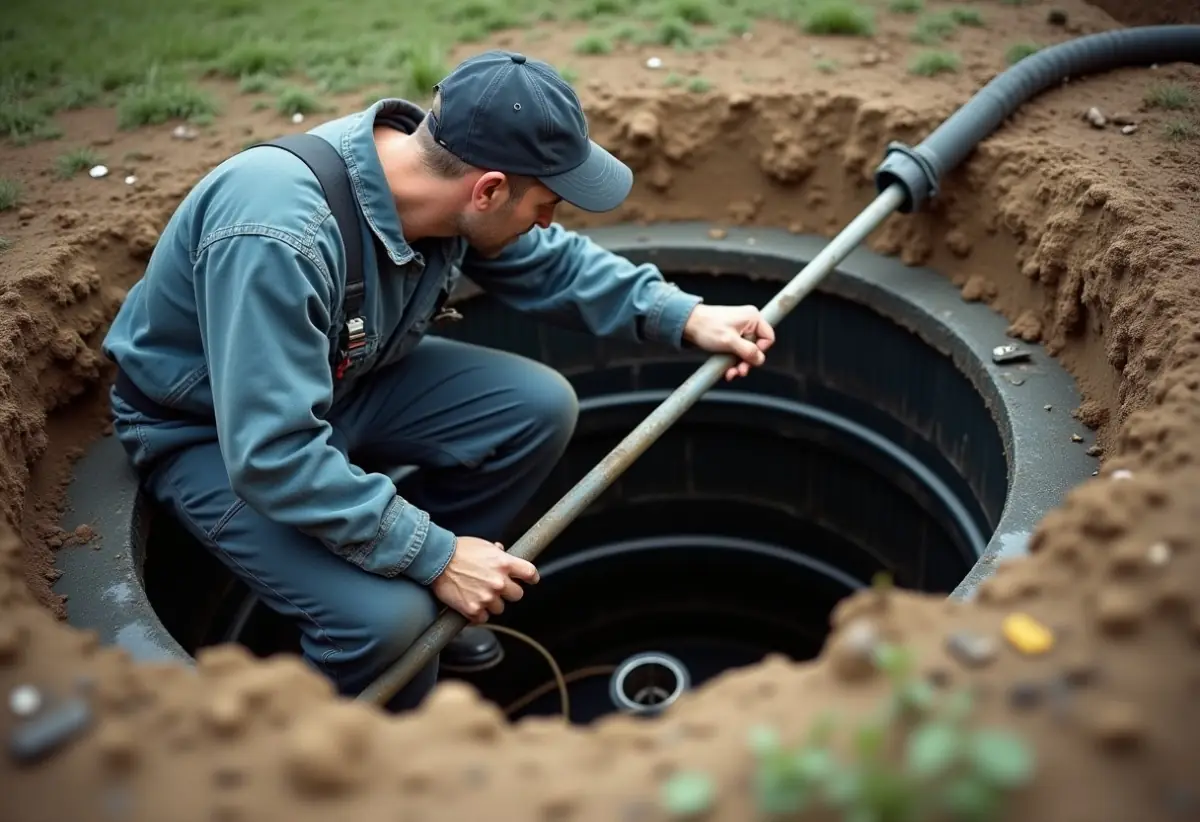
Yes, some can. Harsh chemical additives can kill tank bacteria, corrode components and send untreated material into the soil, and the EPA says some products contribute to clogging and groundwater contamination. Even biological products that break up scum may push more suspended material toward the field, and the EPA says their long-term effect on soil treatment is unknown.
The drain field is the most expensive part of the system to lose, and it is the part additives put at risk. The tank’s main job is to hold solids back so the soil only sees clarified liquid. Anything that suspends or dissolves those solids can carry them out the outlet.
The clearest case in the record is hydrogen peroxide. The EPA notes it was once sold as a drain field reconditioner, then found to break down soil structure and shorten the life of the system, citing Washington State University Extension research.
Washington’s legislature reached the same conclusion in 1993, finding that “most additives do not have a positive effect on the operation of on-site systems, and can contaminate groundwater aquifers, render septic drainfields dysfunctional, and result in costly repairs to homeowners.”
Which states restrict septic tank additives?
At least two states regulate septic tank additives by law. Washington bans the use, sale and distribution of any additive the Department of Health has not reviewed, and Massachusetts makes it a Title 5 violation to put an unlisted additive in a system. The EPA also says products with organic solvents are banned in many states, so check with your state or county health department.
| State or agency | Rule | What it means for you |
|---|---|---|
| Washington (RCW 70A.105, WAC 246-273) | Additives need Department of Health approval before use, sale or distribution; rule effective January 1, 1996 | Approval only means the ingredients are “unlikely to cause harm.” The review does not test performance claims, and sellers may not advertise a product as “approved.” |
| Massachusetts (310 CMR 15.027) | Adding an additive without MassDEP’s written determination is a violation; inspectors, installers and haulers may not recommend unlisted products | Only products on the state’s allowed list may go in a system, and some towns go further. Listing means MassDEP found no harm to components or function. |
| Many states (per EPA) | Products containing organic solvents banned for onsite systems | Solvent degreasers are the highest-risk category; check your state health or environmental agency’s list. |
Read the Washington list with care. The Department of Health’s December 2024 list says approval “must not be interpreted as certifying effectiveness, endorsing or recommending use of an additive.” A product that passes is harmless, not proven.
Massachusetts sets the same bar. Under 310 CMR 15.027, MassDEP may allow an additive when it is shown not to harm system components or adversely affect how the system functions. Rules elsewhere vary, so ask your local permitting office first.
Do you need an additive after pumping or after using bleach?
No. A freshly pumped tank restocks itself with bacteria the first time the household uses it, because human waste carries the organisms the tank depends on. The EPA states that systems already contain the microbes needed to work, and the University of Kentucky calls those bacteria resilient and adapted to the tank, so no “starter” packet is needed.
The “restart your tank” pitch targets two moments: right after a pump-out and right after a heavy cleaning day. In both cases every toilet flush carries more of the same organisms the packet is selling.
The concern the EPA does flag is what goes down the drain, not a shortage of bacteria. Strong acids, alkalis and solvents are the ingredients its fact sheet links to bacteria die-off and component damage. The EPA’s never-flush list names household chemicals such as gasoline, oil, pesticides, antifreeze, paint and paint thinners.
How often should you pump a septic tank instead of using additives?
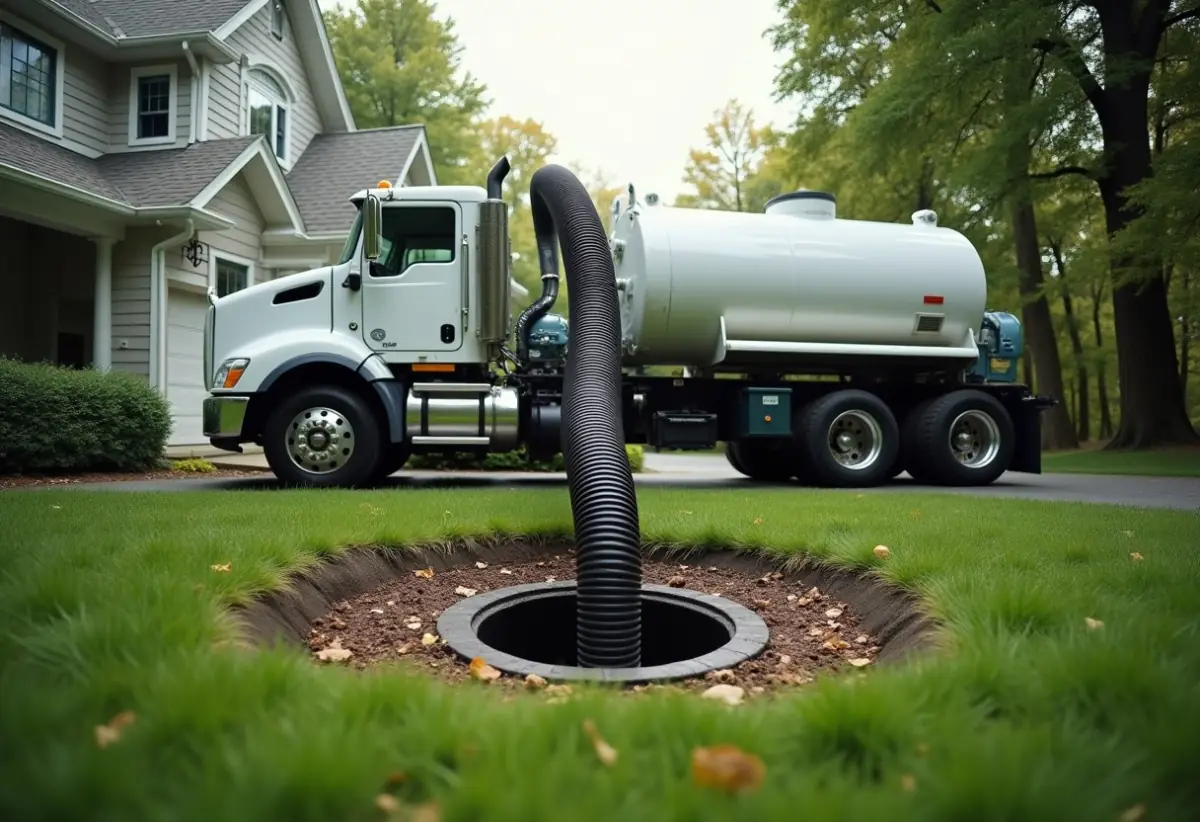
Most household tanks need pumping every 3 to 5 years, according to the EPA, but the real interval depends on tank size and how many people live in the home. Oregon State University Extension’s table shows a 1,000-gallon tank lasting about 5.9 years for 2 people, 2.6 years for 4 people and 1.5 years for 6 people between pumpings.
Those intervals come from Oregon State’s EC 1343, a table widely reprinted by state extension services. It assumes year-round occupancy, at least 24 hours of wastewater retention and about 50 percent digestion of retained solids. Homes with a garbage disposal need more frequent pumping.
Find your tank size on your permit or as-built drawing, then read across.
| Tank size | 2 people | 4 people | 6 people |
|---|---|---|---|
| 500 gallons | 2.6 yr | 1.0 yr | 0.4 yr |
| 750 gallons | 4.2 yr | 1.8 yr | 1.0 yr |
| 1,000 gallons | 5.9 yr | 2.6 yr | 1.5 yr |
| 1,250 gallons | 7.5 yr | 3.4 yr | 2.0 yr |
| 1,500 gallons | 9.1 yr | 4.2 yr | 2.6 yr |
| 2,000 gallons | 12.4 yr | 5.9 yr | 3.7 yr |
The money comparison is straightforward. A monthly additive habit is a recurring cost that the EPA calls unnecessary, while a pump-out on the right schedule is the maintenance that protects the field. See our breakdown of what septic tank pumping costs to budget the interval that fits your tank.
What actually keeps a septic system healthy?
Regular pumping, sensible water use and keeping the wrong things out of the drains keep a septic system healthy. The EPA recommends inspection at least every 3 years and pumping every 3 to 5 years, spreading out water use, fixing leaks, and keeping grease, wipes and chemicals out of the tank. Protecting the drain field from cars and tree roots matters just as much.
The EPA’s SepticSmart care guidance boils down to four habits:
- Inspect and pump on schedule. A professional septic inspection at least every 3 years measures sludge and scum, so you pump based on real levels instead of a calendar guess. Systems with pumps, floats or other mechanical parts may need more frequent checks.
- Use water efficiently. Indoor use can run as high as 70 gallons per person per day, and one running toilet can add up to 200 gallons a day, per the EPA. Toilets account for 25 to 30 percent of household water use; high-efficiency models use 1.6 gallons per flush or less.
- Keep the wrong things out. The EPA’s never-flush list covers cooking grease, non-flushable wipes, feminine hygiene products, diapers, dental floss, cat litter, coffee grounds, paper towels, cigarette butts, pharmaceuticals and household chemicals.
- Protect the drain field. Do not park or drive on it, keep trees and shrubs far enough away that roots cannot reach the pipes, and route roof drains and sump pumps away from the field.
How we sourced this
We consulted 9 primary documents and cited 8 of them: the EPA Septic Tank Additives Fact Sheet (830-F-24-003, updated 2024), EPA’s How to Care for Your Septic System and About Septic Systems pages (the EPA septic program home page was consulted but not cited), Oregon State University Extension EC 1343 (revised 2022, reviewed 2025), University of Kentucky Extension HENV-505, Penn State Extension’s septic tank pumping guidance, Washington Department of Health publication 337-025 (December 2024) and Massachusetts 310 CMR 15.027. We also reviewed the top-ranking search results for “septic tank additives” to map coverage gaps. We excluded manufacturer claims, vendor blogs and any performance study we could not trace to a named public or university source. Pumping intervals are estimates for year-round homes and vary with tank design, garbage disposal use and local rules.
Frequently asked questions
Do septic tank additives really work?
For a normal household tank, the evidence says no. The EPA does not recommend biological or chemical additives because the tank already holds the bacteria, enzymes, yeasts and fungi it needs. University of Kentucky Extension found biological products do not significantly speed normal decomposition, though some can thin scum and sludge. No additive replaces pumping every 3 to 5 years.
Are septic tank additives necessary?
No. The EPA fact sheet on additives (Publication 830-F-24-003) calls them unnecessary for operation and says homeowners can save money by skipping them. Oregon State University Extension states that biological and chemical additives are not needed to aid or accelerate settling or decomposition. Human waste arrives with the bacteria a septic tank uses, so the supply refills itself every day.
Is Rid-X good for a septic system?
Rid-X is a widely sold biological additive, so it falls in the category the EPA does not recommend. Products of this type contain bacteria and enzymes, and some can reduce scum and sludge, but the EPA says their long-term effect on drain field soils is unknown. Washington and Massachusetts review additives only for harm, not for performance, so a state listing is not proof a product works.
Does adding yeast to a septic tank help?
There is no published extension research showing that adding baker’s yeast improves septic performance. The EPA notes that yeasts are already present in septic systems along with bacteria, enzymes and fungi. Because the incoming wastewater keeps restocking those organisms, a packet of yeast adds little to a tank that is working, and it does nothing to remove the sludge that only pumping clears.
Do I need to add bacteria after my septic tank is pumped?
No. Every flush after a pump-out delivers fresh bacteria from human waste, which the University of Kentucky notes is already rich in them. The EPA states that onsite systems already contain the microorganisms needed to function, and the University of Kentucky calls those bacteria remarkably resilient and adapted to the tank. Using the system normally is all it takes to rebuild the population.
What breaks down solids in a septic tank naturally?
Anaerobic bacteria that arrive in household wastewater do the work, turning organic matter into soluble compounds and gases such as methane and hydrogen sulfide. Oregon State University Extension says up to 50 percent of the retained solids decompose this way. The rest settles as sludge that bacteria cannot remove, which is why the tank must be pumped on a schedule.
Can septic tank additives replace pumping?
No. Penn State Extension says additives used to reduce sludge volume or as a substitute for pumping are not recommended, and the EPA lists regular pumping as part of normal maintenance. Even when a biological product thins the scum layer, indigestible solids keep building up. The EPA puts the typical pumping interval at 3 to 5 years, depending on household size and accumulation.
What is the best thing to put in a septic tank?
Nothing beyond normal household wastewater. The EPA’s maintenance advice centers on using water efficiently, sending grease, wipes and chemicals to the trash, keeping cars off the drain field, and having the tank inspected about every 3 years and pumped every 3 to 5 years. Those steps address the real causes of septic failure, which an additive does not.
What eats sludge in a septic tank?
Anaerobic bacteria that arrive in household wastewater break down solids in a septic tank naturally, turning organic matter into soluble compounds and gases such as methane and hydrogen sulfide. Oregon State University Extension says up to 50 percent of the retained solids decompose this way. The rest settles as sludge that bacteria cannot remove, which is why the tank must be pumped on a schedule.